Close To Nature: Tree Houses In Australia
Who said tree houses were for children? These five houses embrace their leafy environments, offering a peaceful paradise amongst the towering trees.



Who said tree houses were for children? These five houses embrace their leafy environments, offering a peaceful paradise amongst the towering trees.
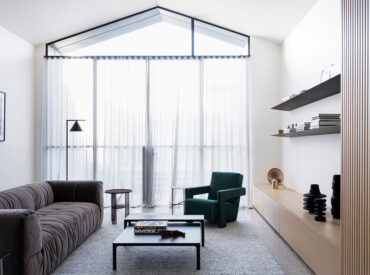
You would never know what lies beyond this single-fronted worker’s cottage from looking at its façade. But there are a series of surprises in store.

A heritage house in Richmond is brought firmly – and sensitively – into the modern age by Nic Owen Architects.

ONG&ONG’s latest residential project in Singapore’s Fraser Hill estate places materials in their natural state amidst a curated nature.

These six duplex developments demonstrate that liveability, natural light and stand-out street appeal needn’t be sacrificed for space or yield.

When one door closes another one opens. When the AIA bookshop closed in 2017 it gave architect Adam Haddow the idea to open his own. That idea is now manifest in the form of The Architect’s Bookshop.

A contemporary house by EHDO Architecture breaks the mould in the historic neighbourhood of South Fremantle.

A multicultural vernacular resulting from a welcomed migrant population inspires the architecture for this residence by Rear Studio in Vietnam.

A tight triangular block and a hundred year old adjacent brick drain are tricky design challenges for any home – but as Molecule Studio proved with the Triangle House, they’re also design opportunities.

Some architects choose to view site constraints such as size, orientation, rigid briefs and budgets as welcome challenges. Here are Habitus’ favourites from the year that was.

These 5 feats of residential architecture we’ve covered on Habitus Living have stayed with us because they convey so much more than a simple meeting of brief; but a personal connection and deeper understanding between architect and client.

Join us as we reflect on the residential projects covered in 2018 that display a genuine connection to the coastal site upon which they sit, using architecture and design to complement nature’s finest work – rather than compete with it.