
Please Note: By submitting this form you will be added to the Habitus Living mailing list.
“It is impossible to explain architecture in words – architecture cannot be totally explained, but must be experienced.”
– Geoffrey Bawa
I suppose those words of Bawa could act as a warning to the entire architecture and design press, whose ambition is to replicate the experience of buildings and landscapes.
Bawa could have added photography to the equation. This most democratic of art forms lays claim to evidentiary authority. In other words, it claims to record what is out there, tacitly asserting that, in so doing, it is entirely objective and factual. More than that, it is delivering the experience of a place. Implicit in this is the notion of the primacy of the visual. Since human beings are 70% visually dominant, this ocularcentric world view may not be surprising.
But our experience of the world is actually multi-sensory – a fact increasingly denied by a world obsessed with visual images. The Finnish architect and writer, Juhani Pallasmaa (who will be presenting a paper at the National Architecture Conference in Melbourne, 14 –16 April, 2011) has been a trenchant critic of a visually dominant architecture and has called for an architecture of “resistance to current cultural erosion”. He has also argued for haptic architecture – one which responds to the multi-sensory reality of our everyday lives. (A review of Pallasmaa’s The Thinking Hand appeared in Habitus #7).
For us working in the architecture and design press, the limits of photography are all-too-obvious when we compare the actual physical experience of a building (and we at Habitus require all our writers to actually visit the buildings they discuss) to the photographs. No matter how good the photography, it inevitably distorts the space.
Some photographers, acknowledging the problem, decide to hang their interpretive colours from the masthead and brazenly manipulate the images. Others cling to a belief in the evidentiary capacity of photography. The former approach at least has the advantage of being more animated.
That said, Habitus does not have the answers, either – except to be as inclusive as possible and provide as much material as possible to enable the readers to reach their own conclusions, including the judicious use of people in shot to establish scale and a sense of habitation. We have also, from time to time, enlisted the pin-hole camera of Anthony Browell to convey a feeling of what it is like to be in the space – as we do in this issue with our story on the Mending Wall House in the hills above Sydney.
So, it is always advisable to take what you see in an architecture magazine with a pinch of salt and lashings of imagination.
And before I go – we greatly value your feedback, so please have a look at page 132 for details of our reader survey.
PAUL MCGILLICK | EDITOR
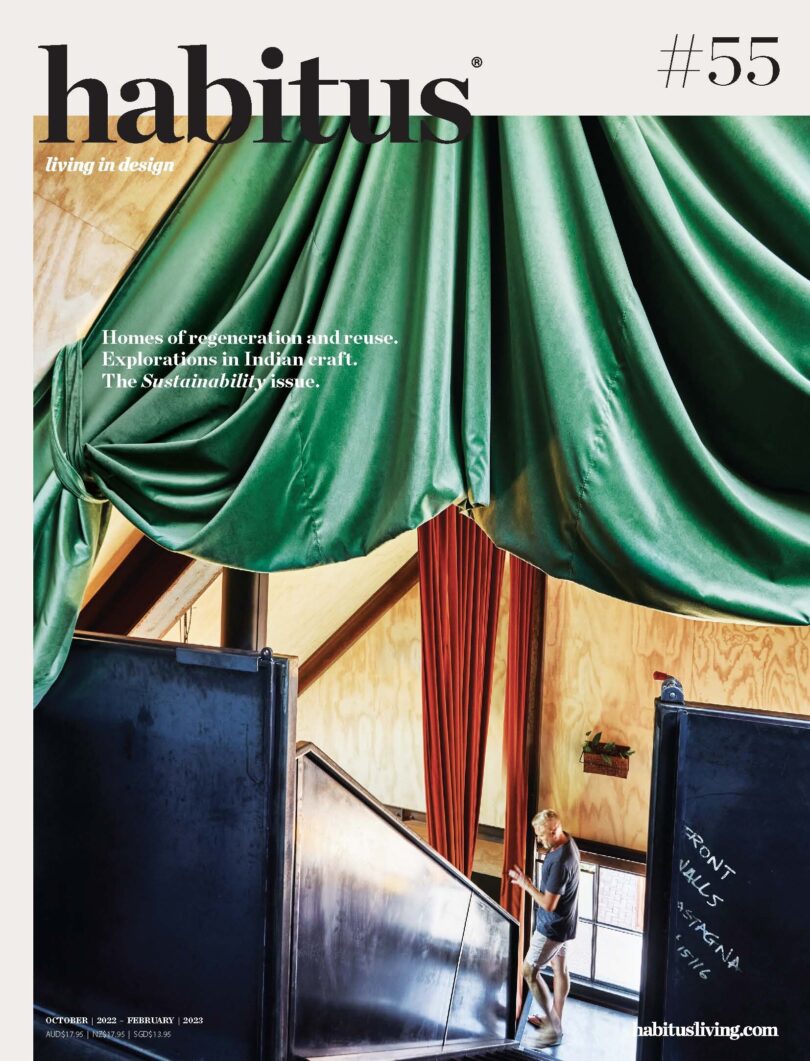
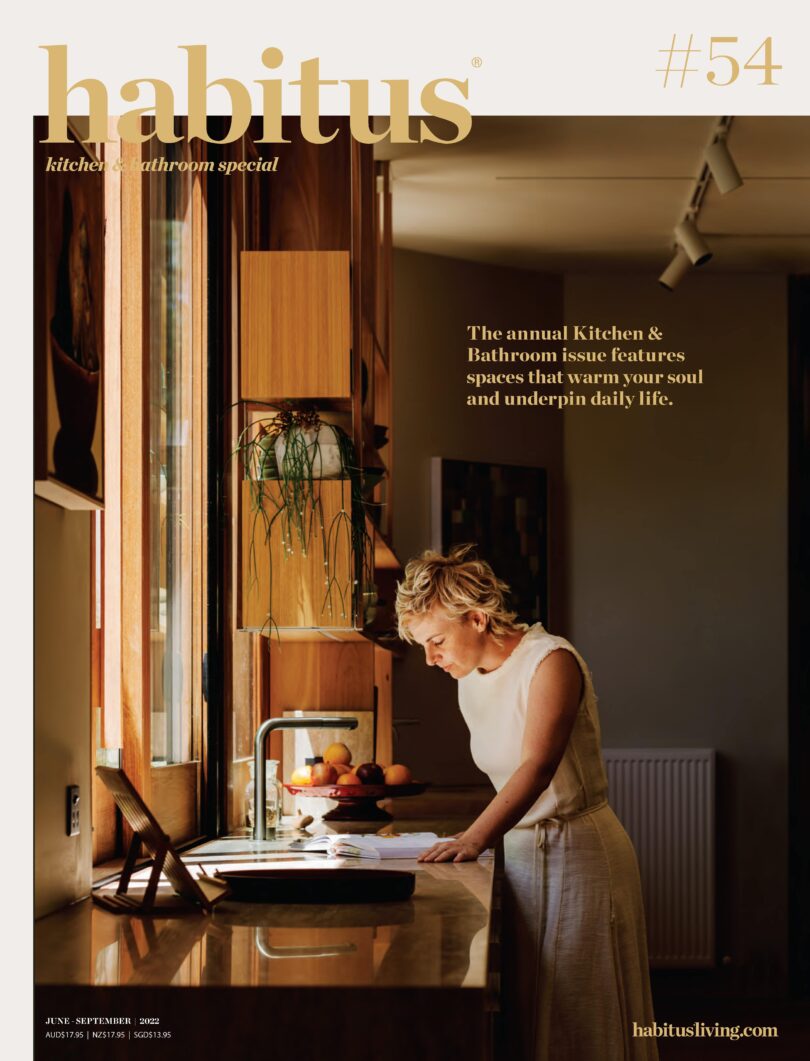
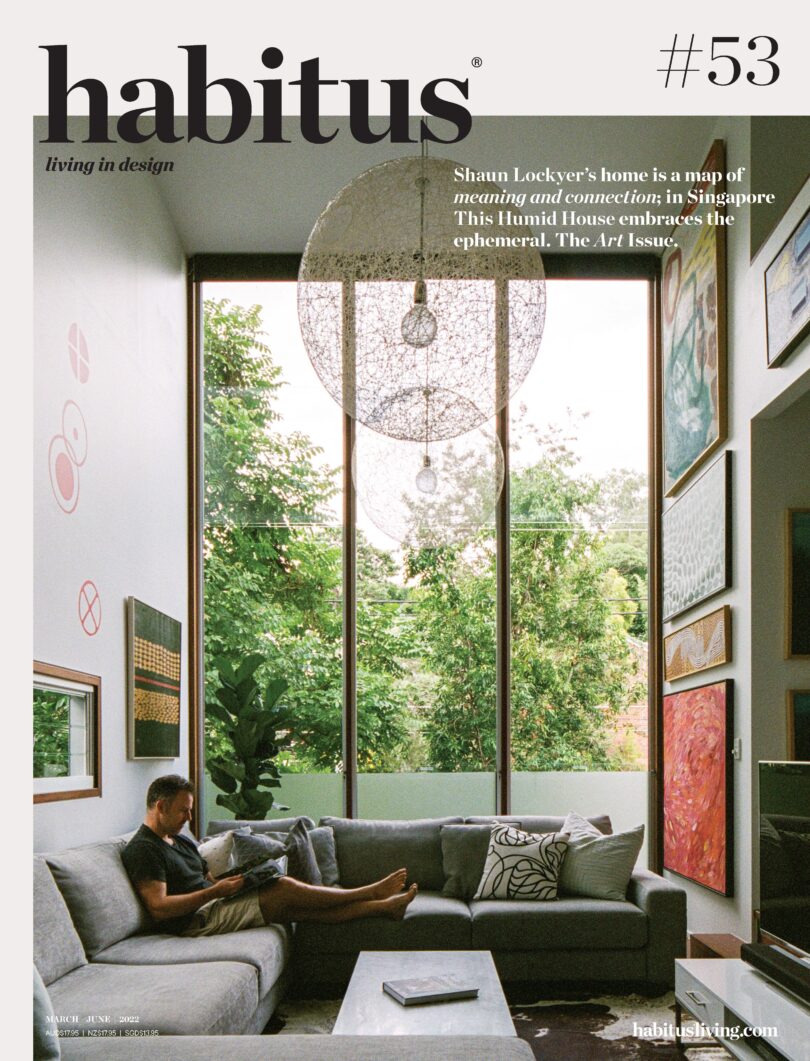
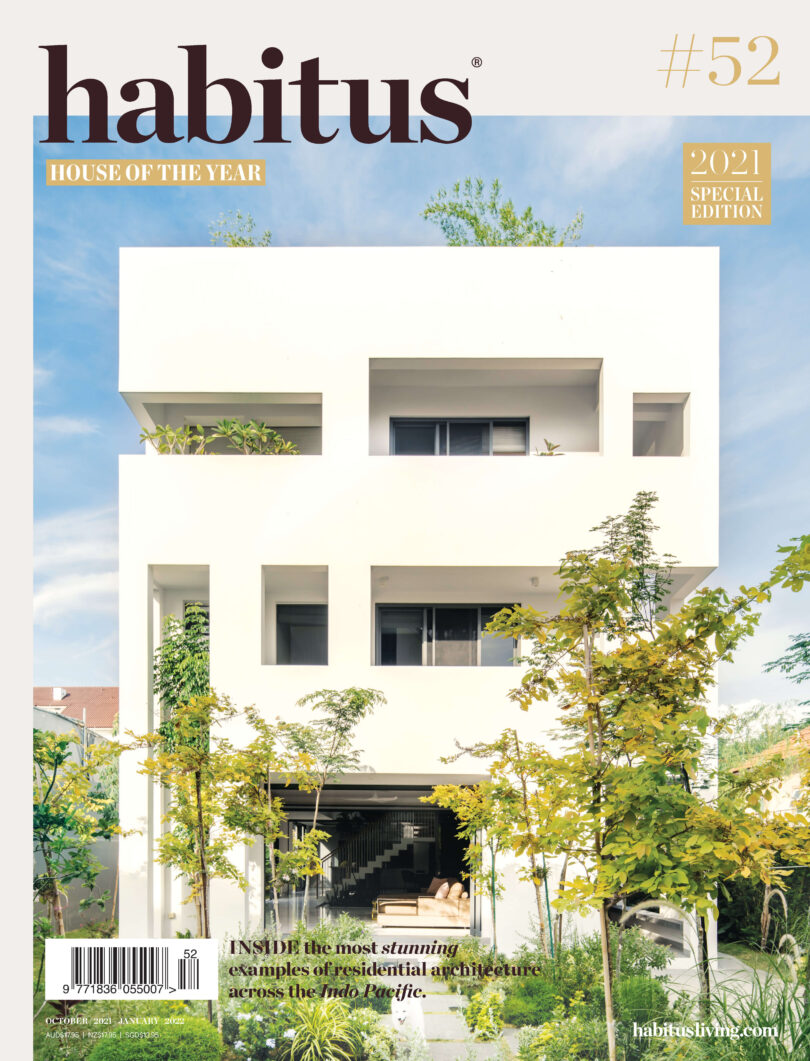
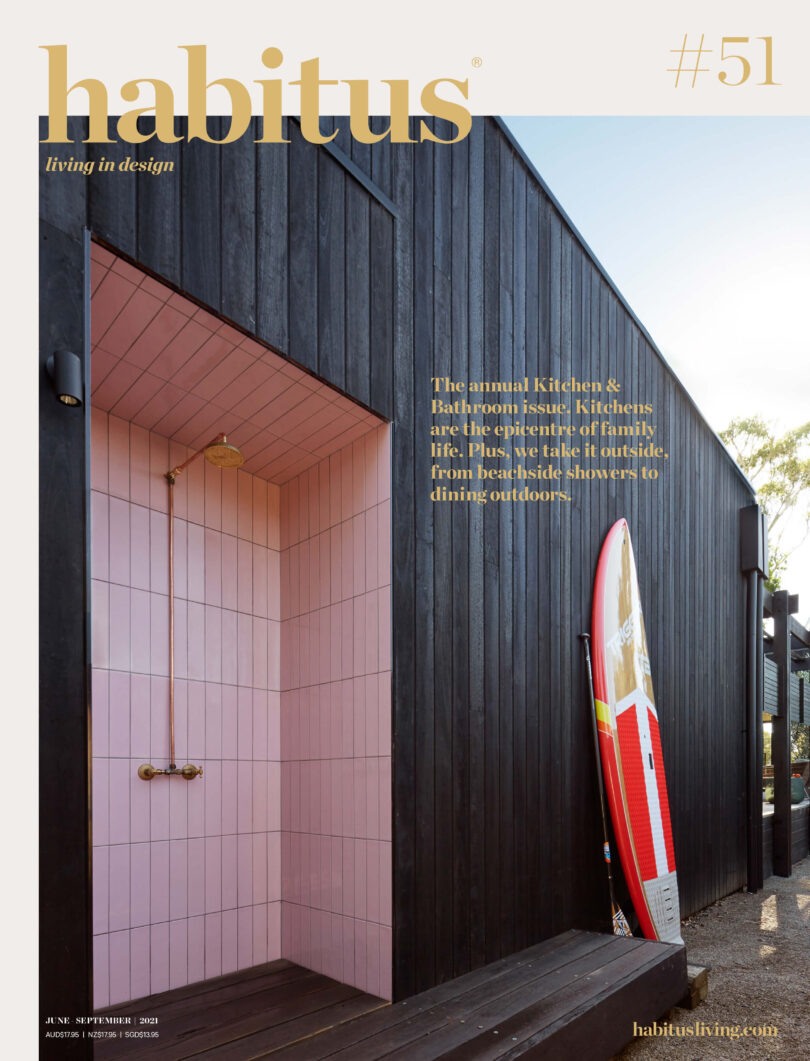
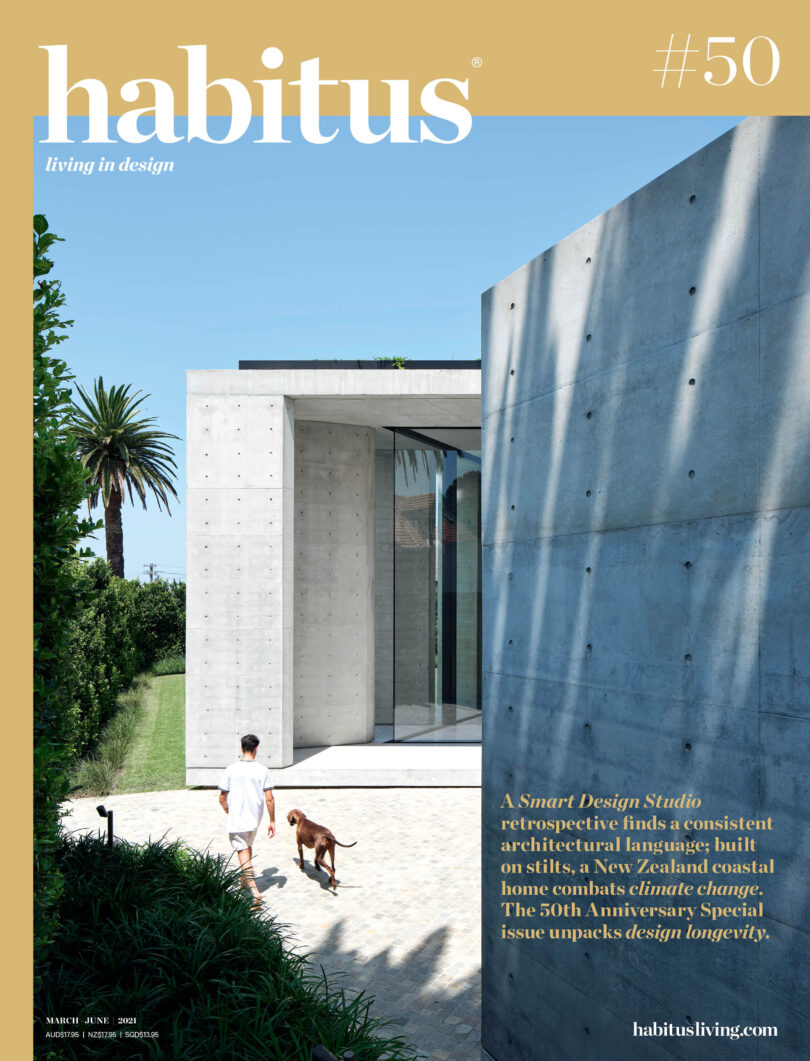
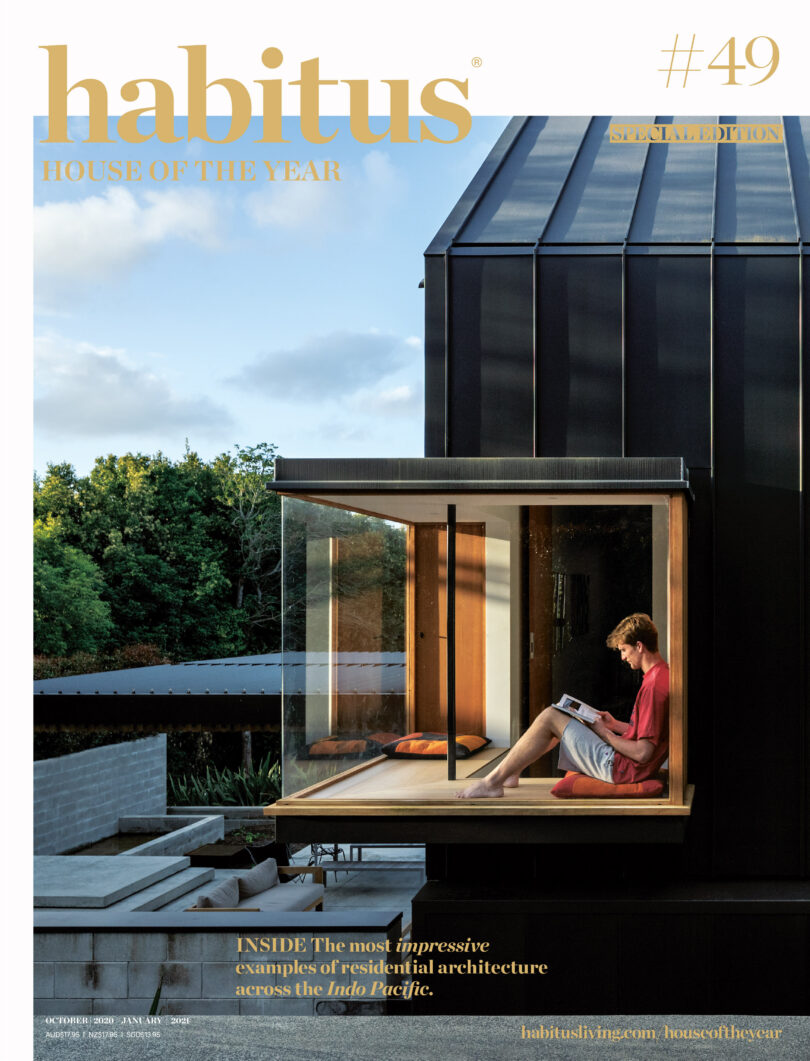
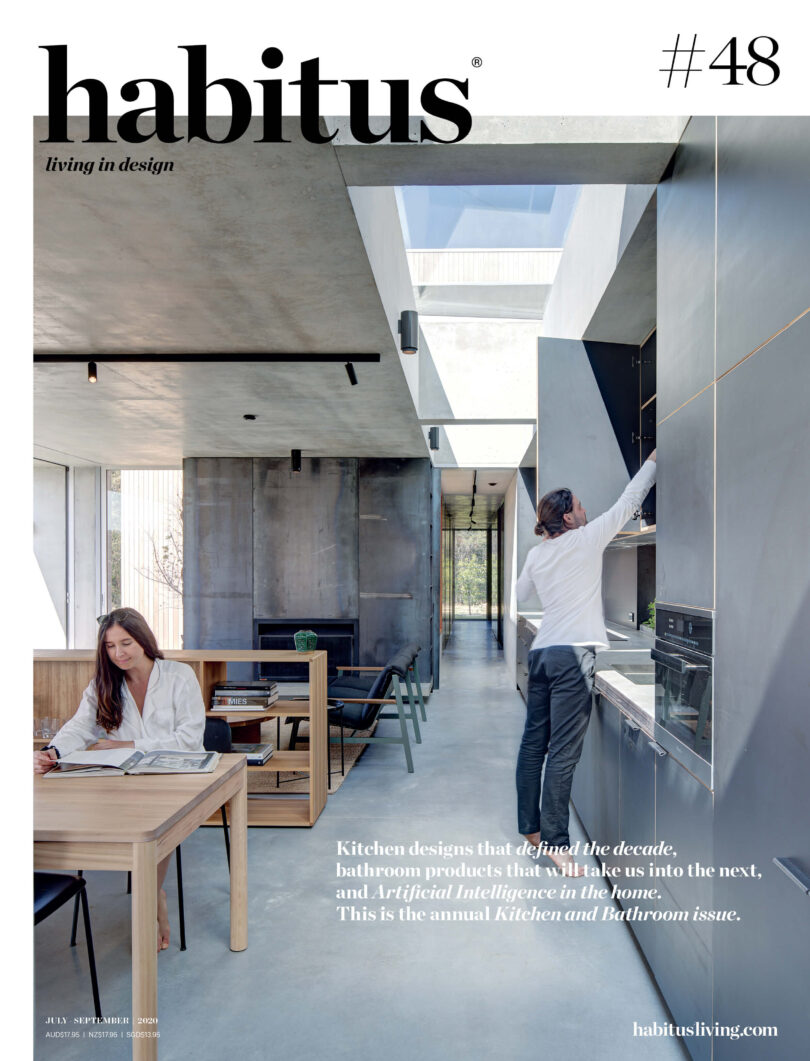
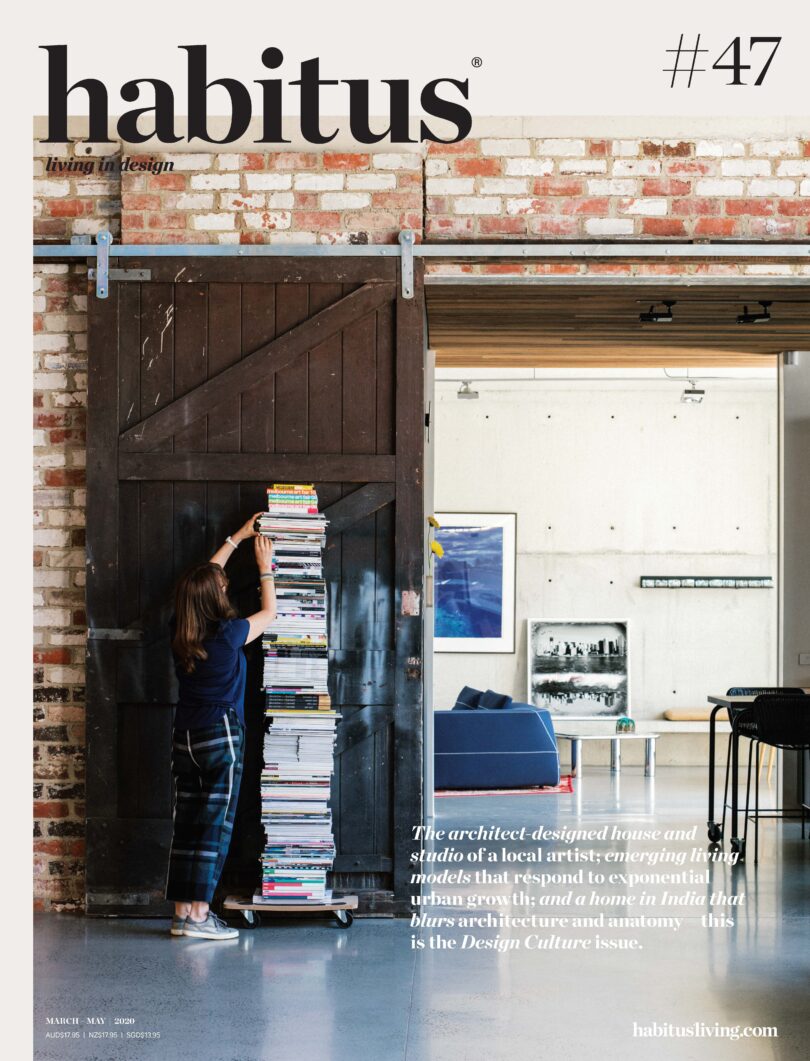
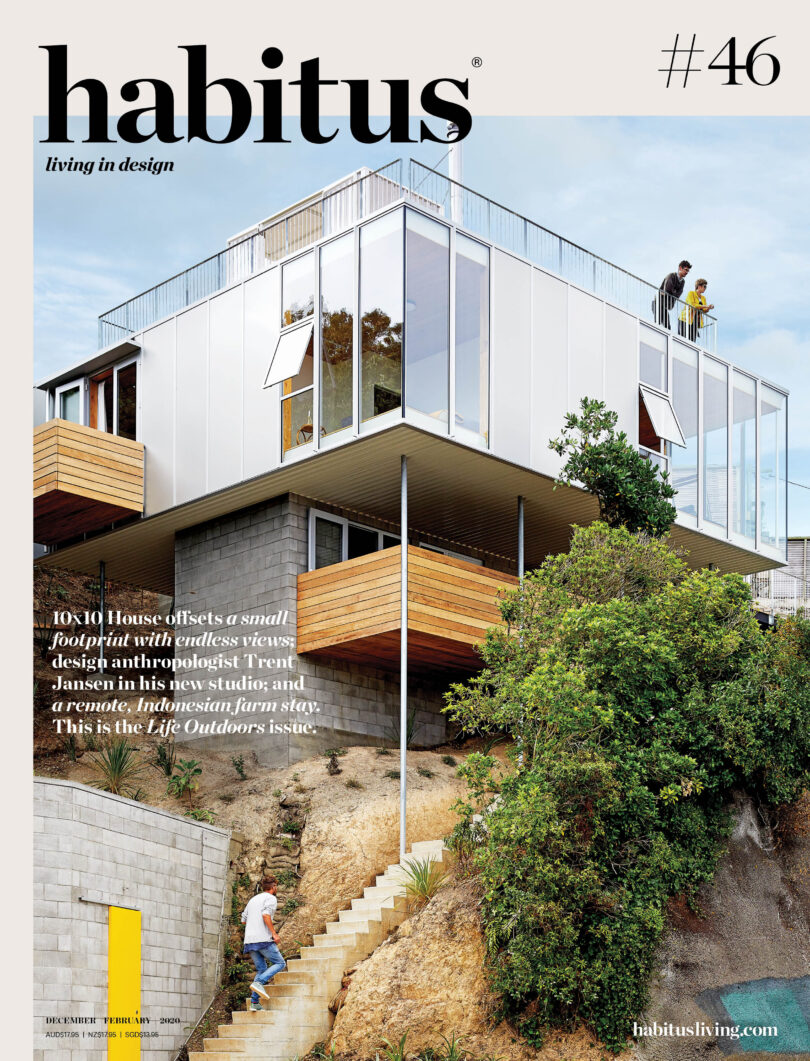
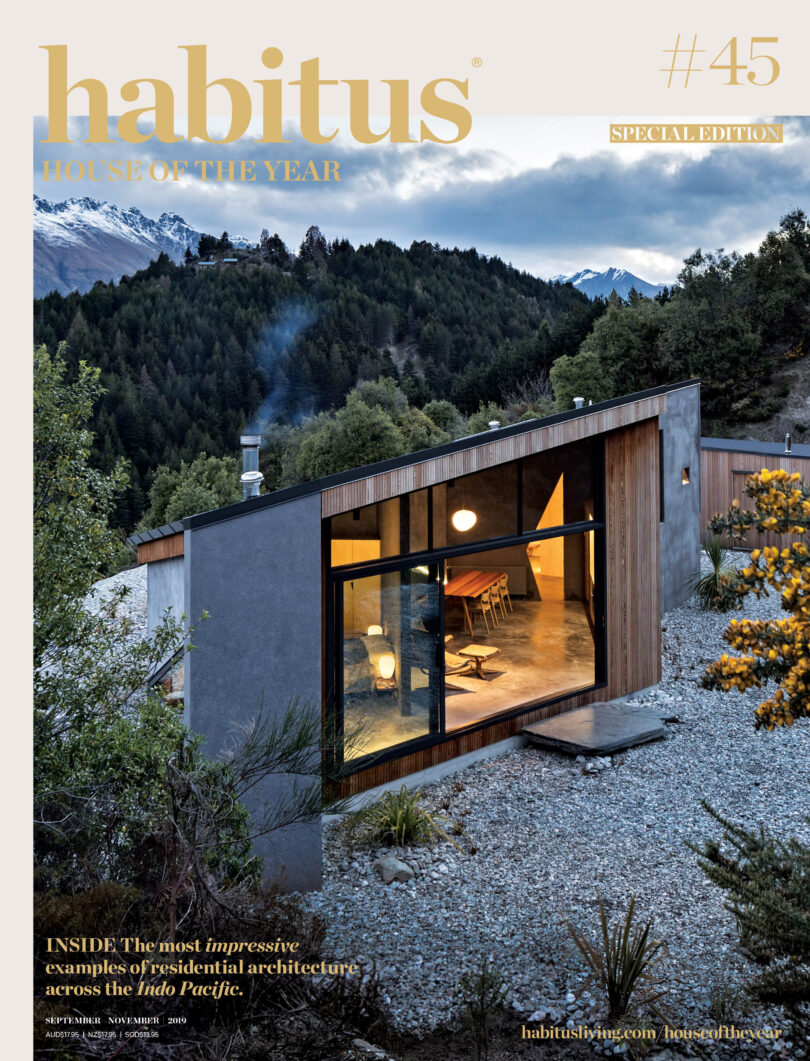
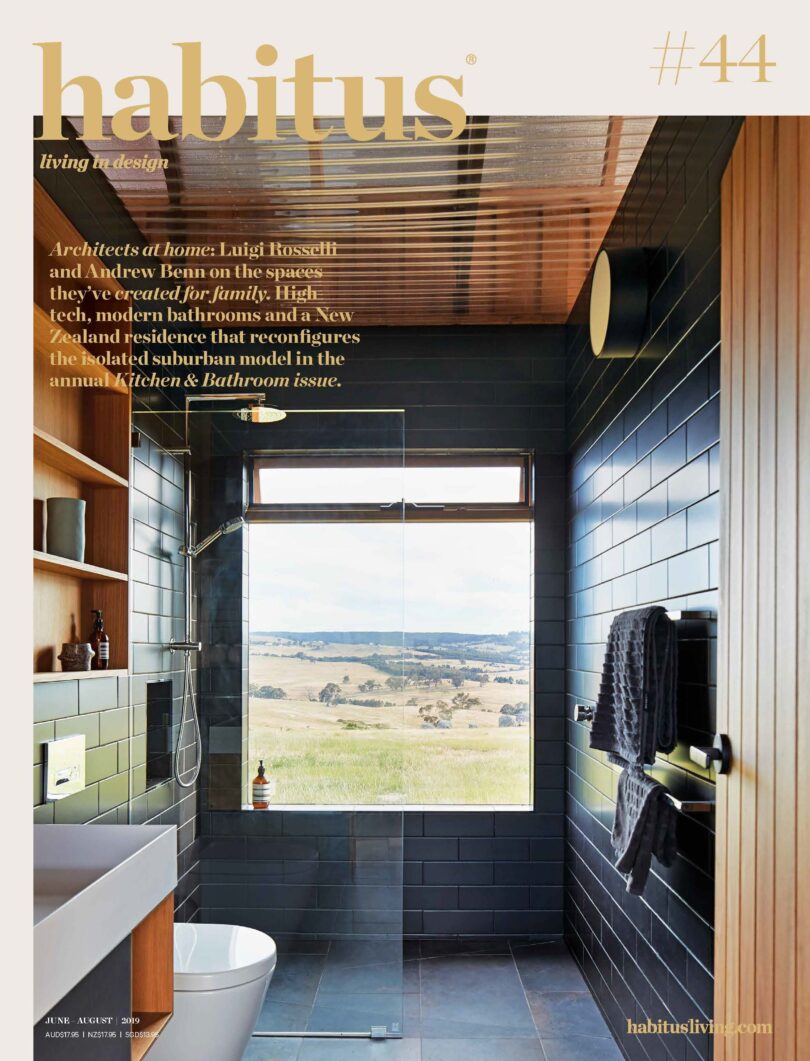
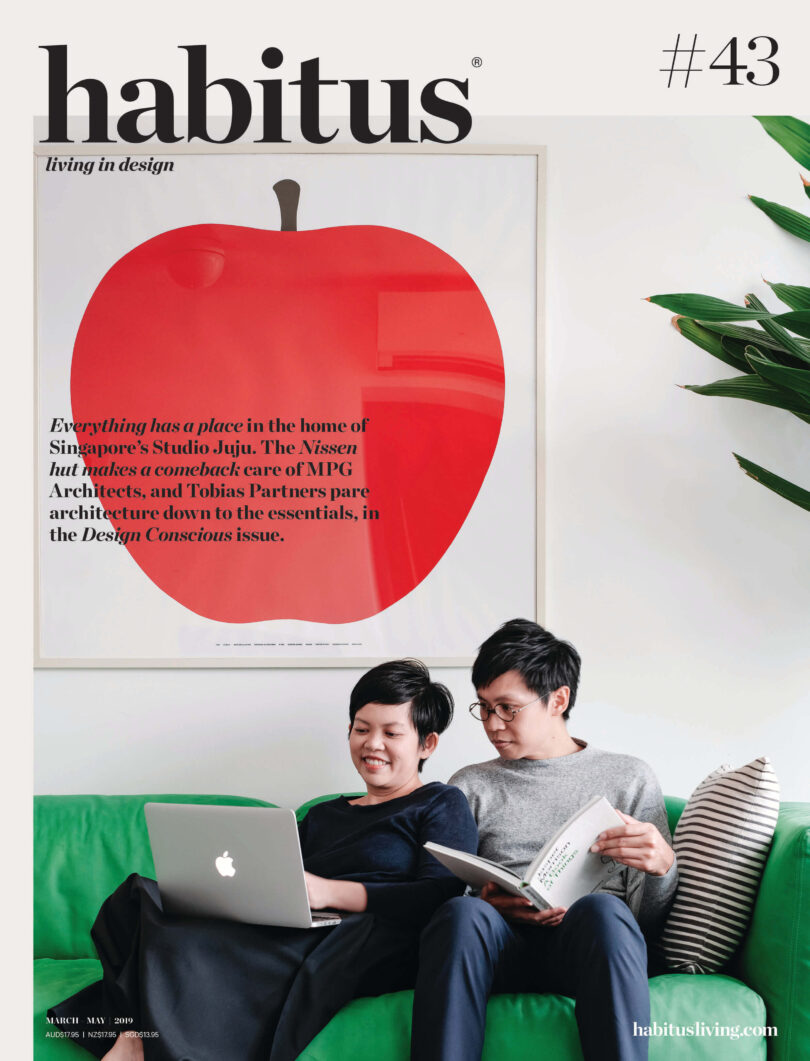
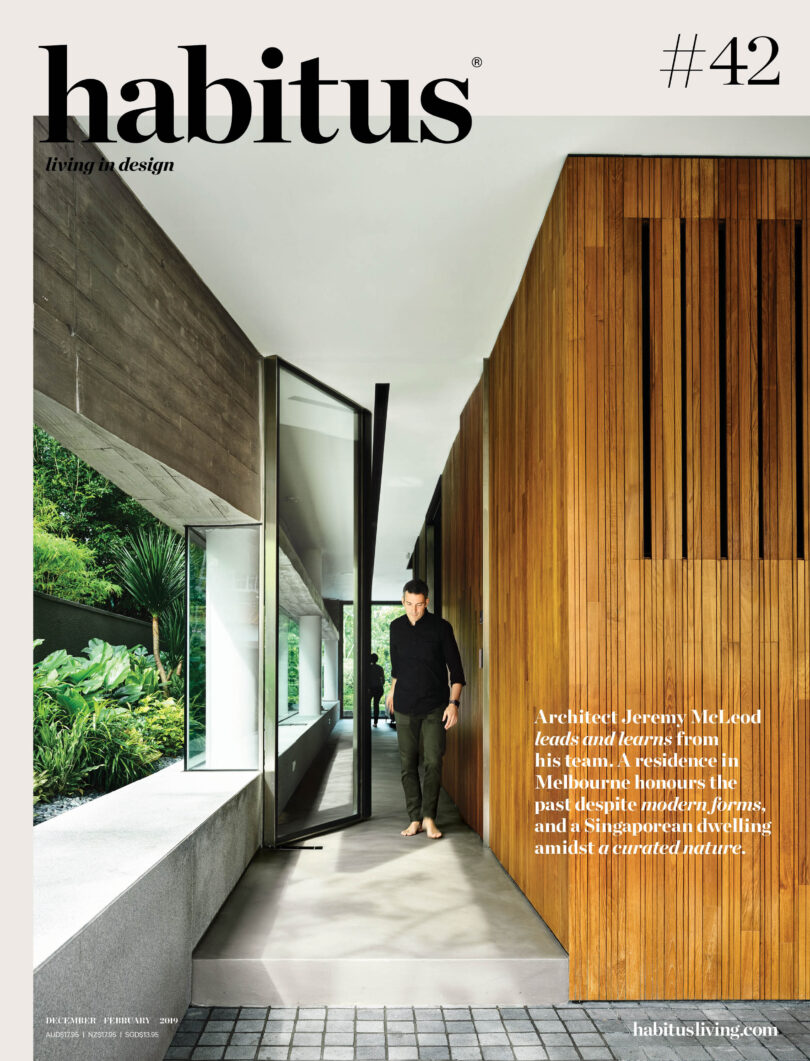
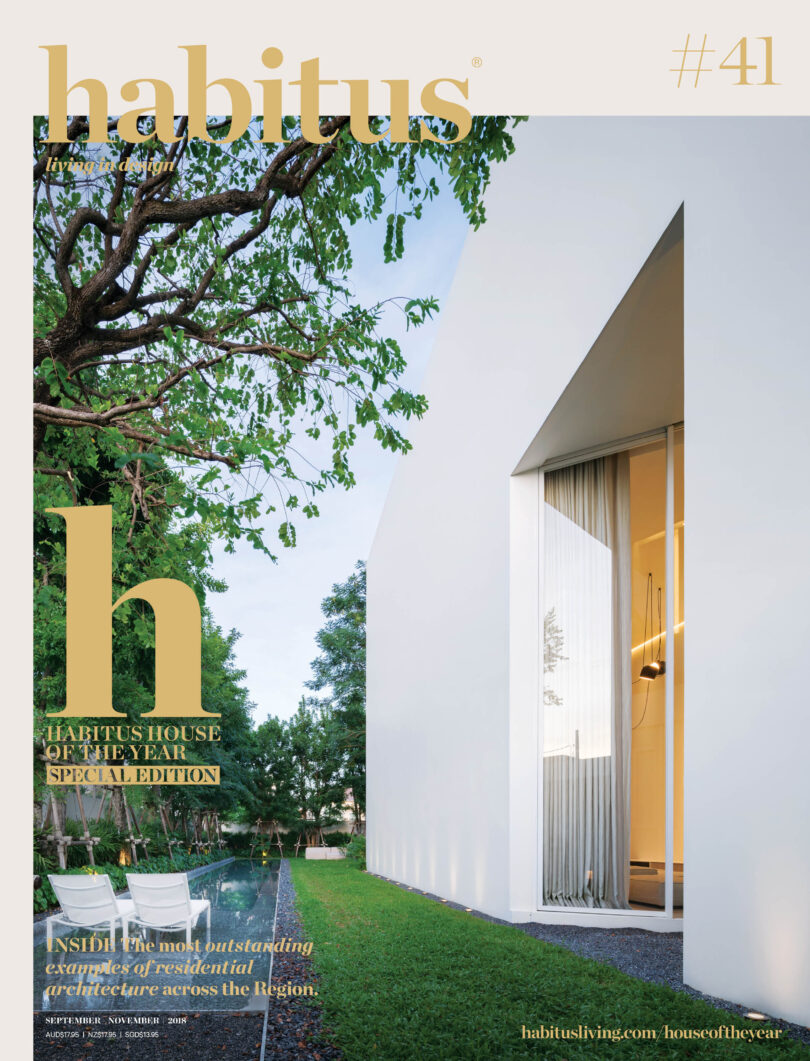
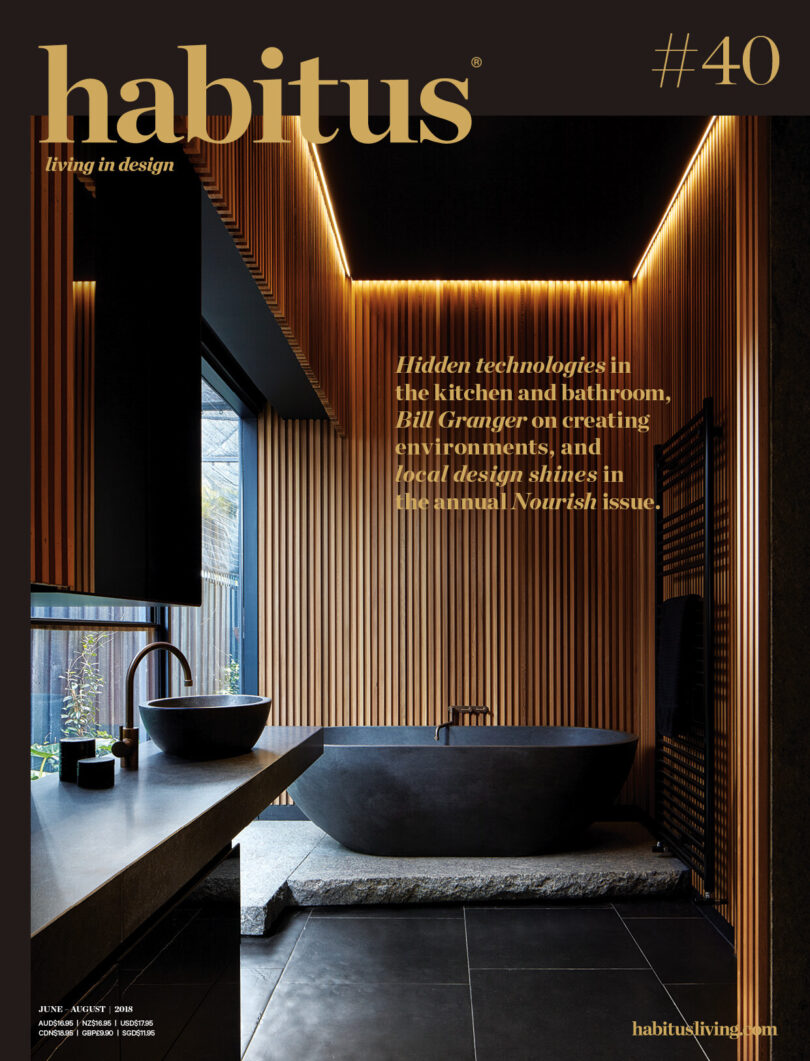
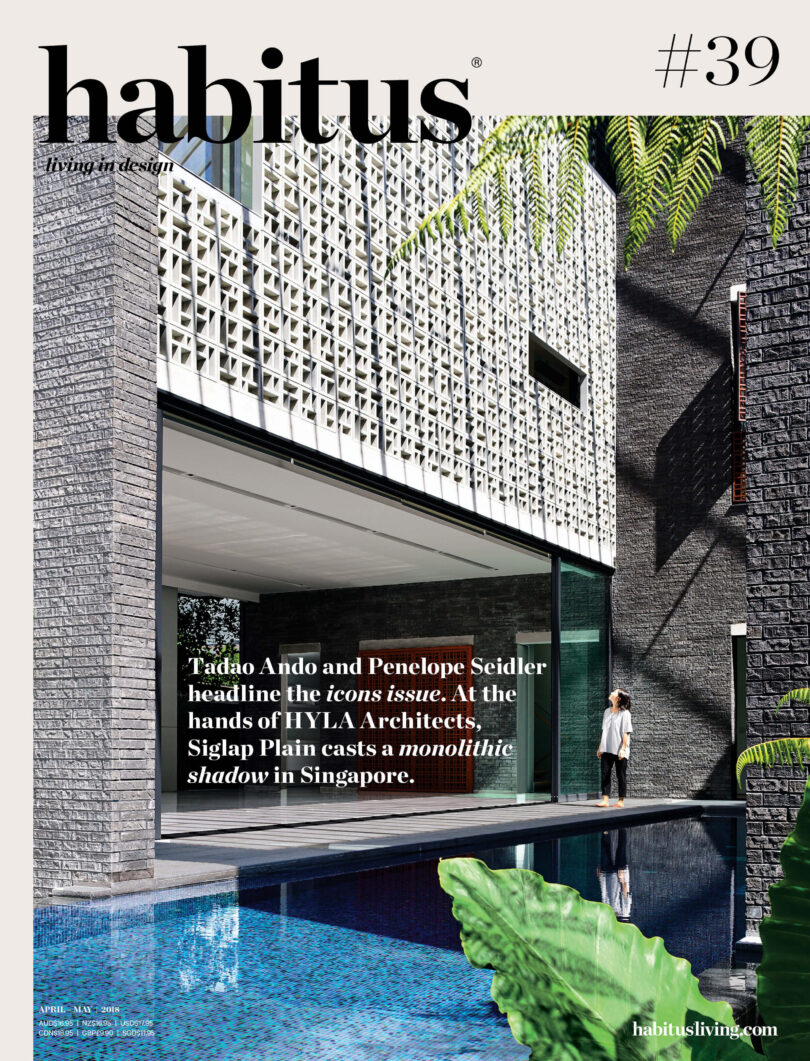
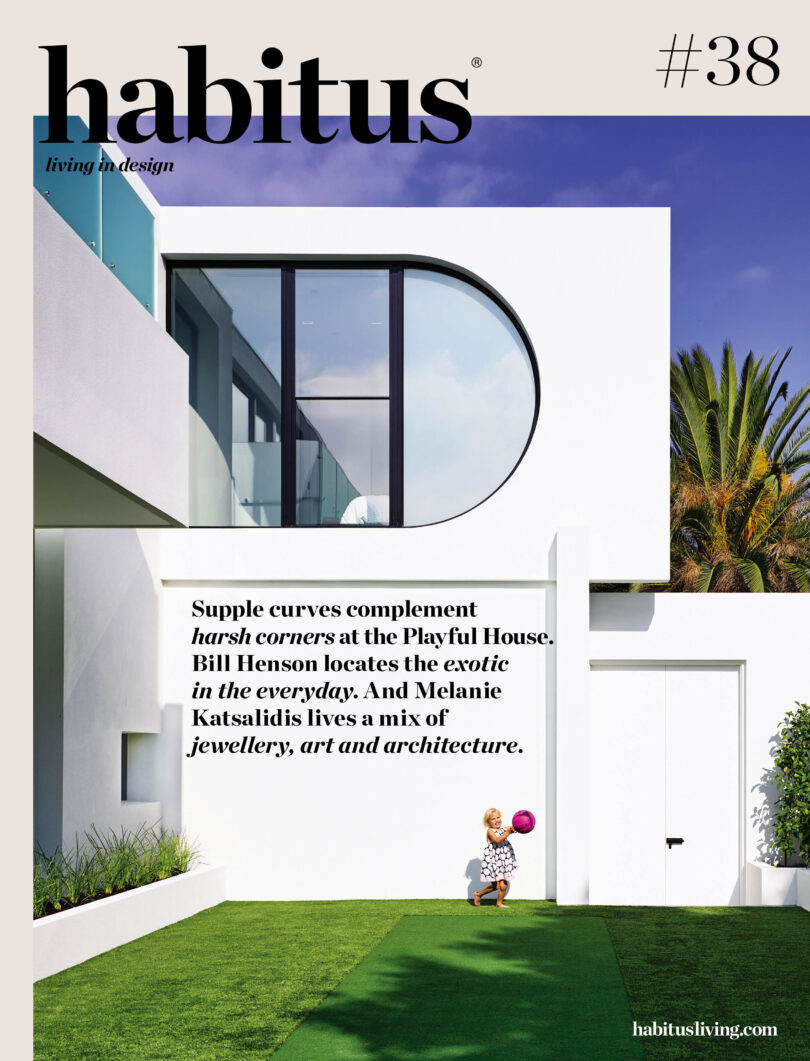
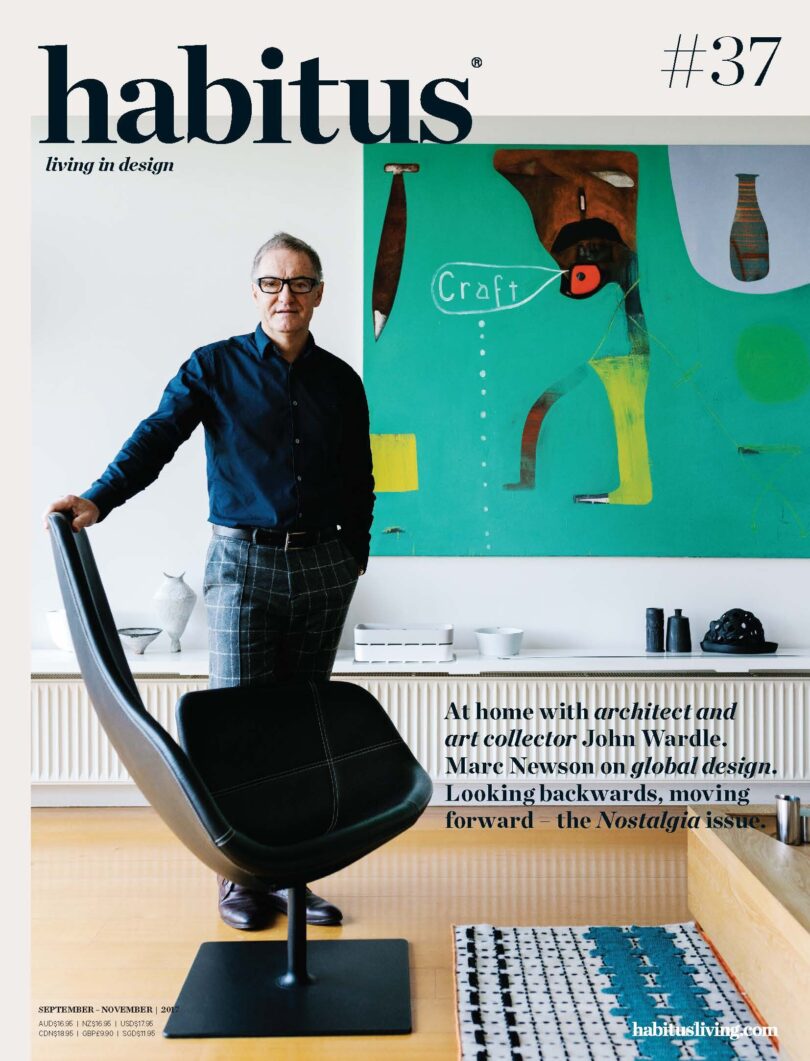
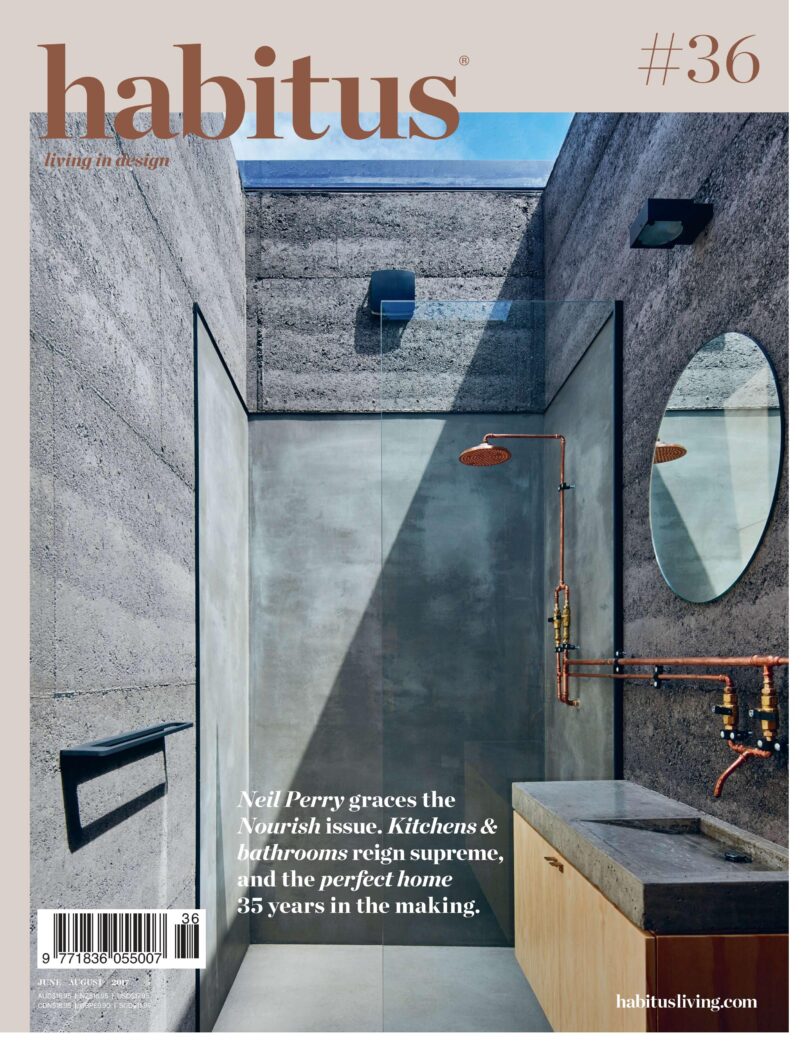
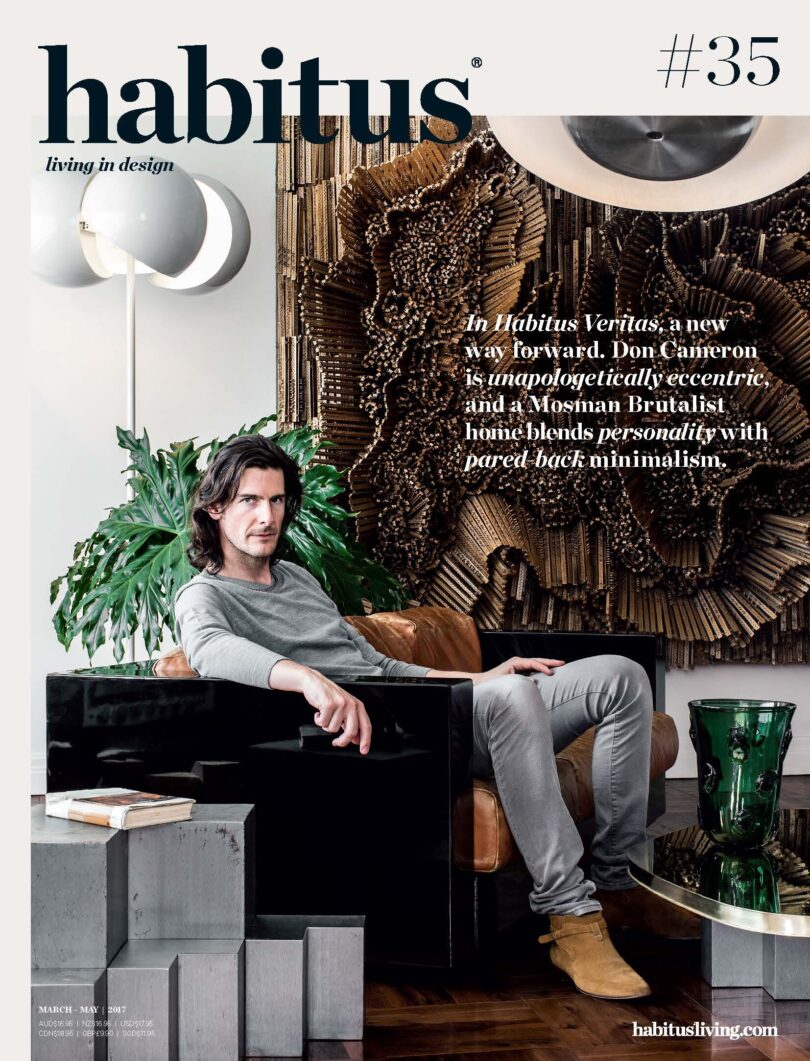
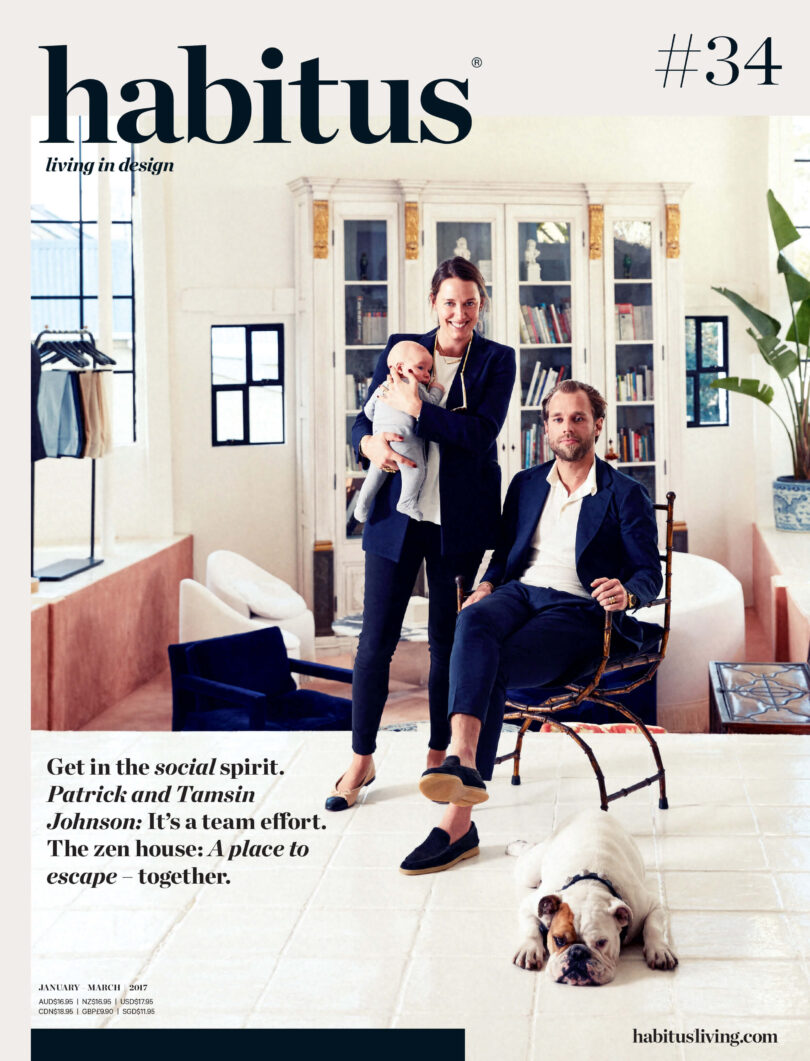
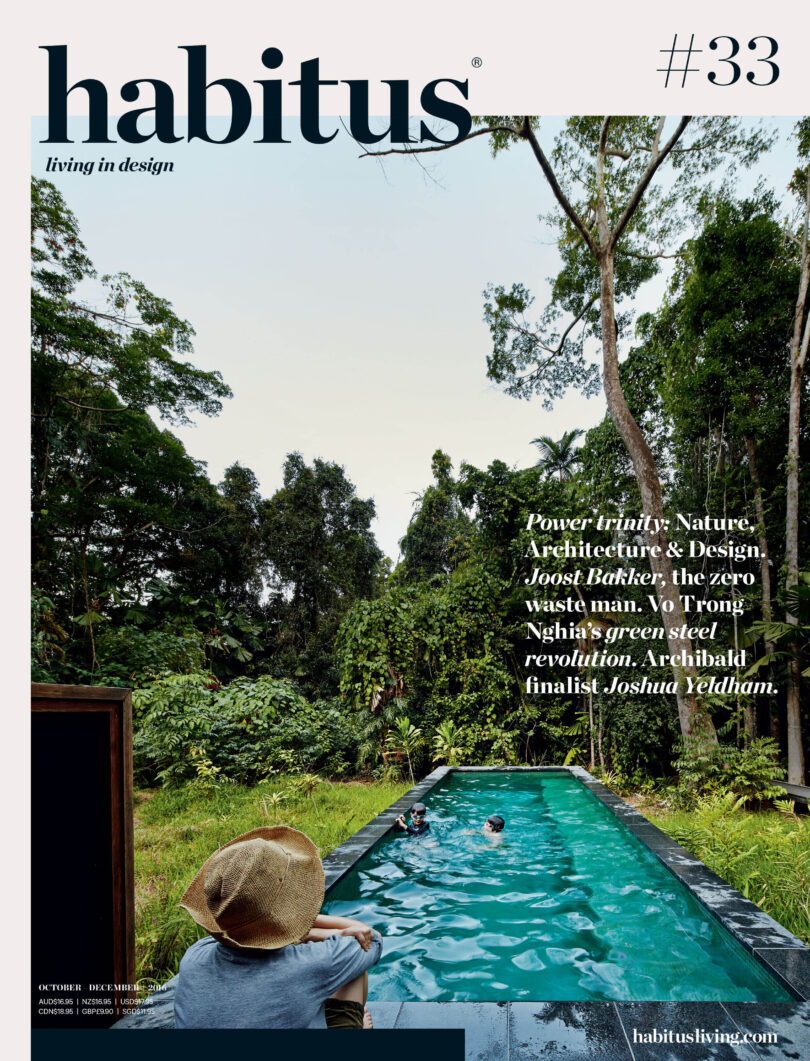
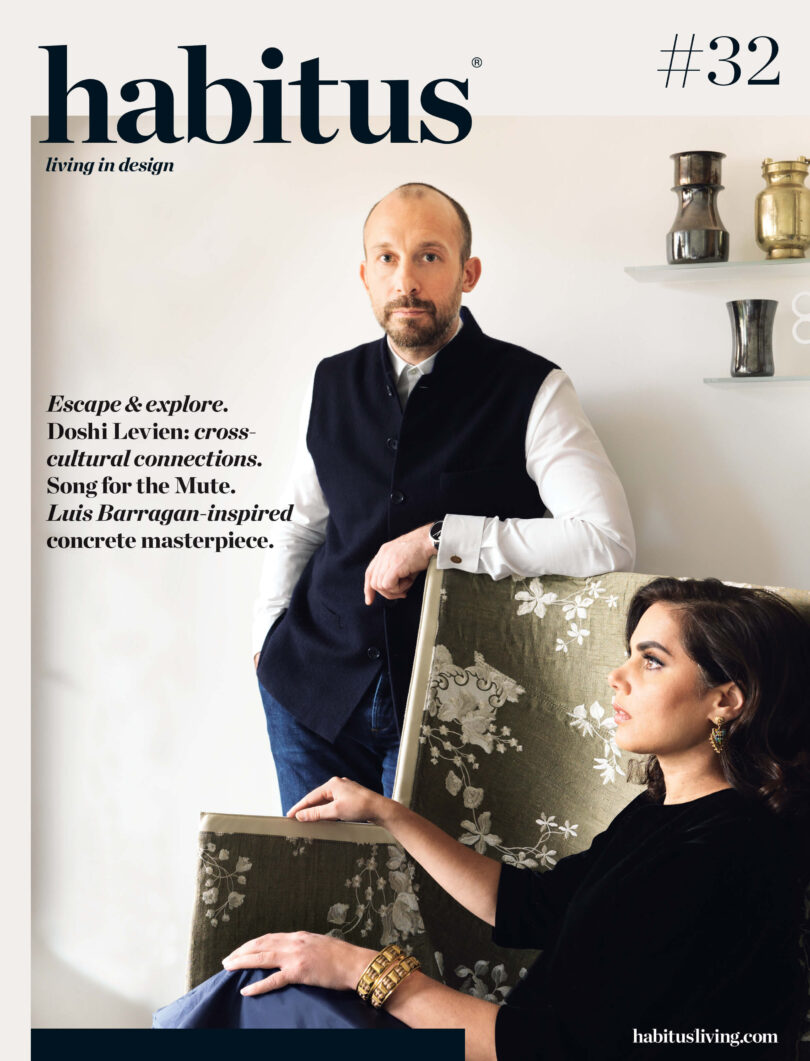
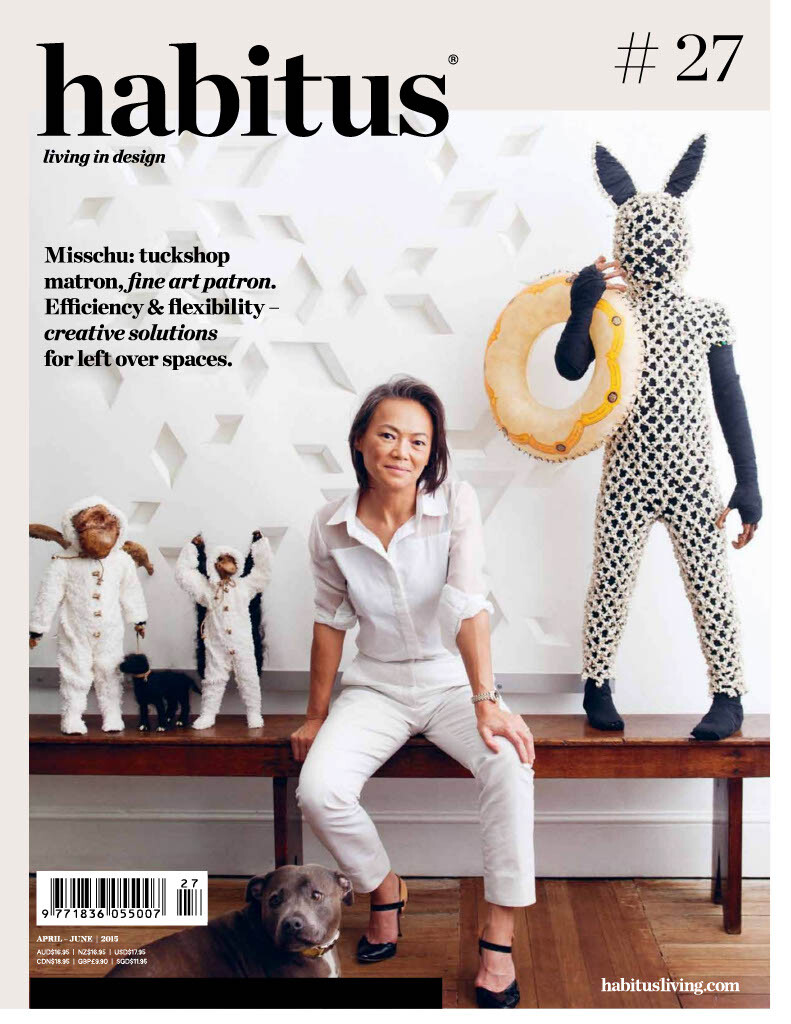
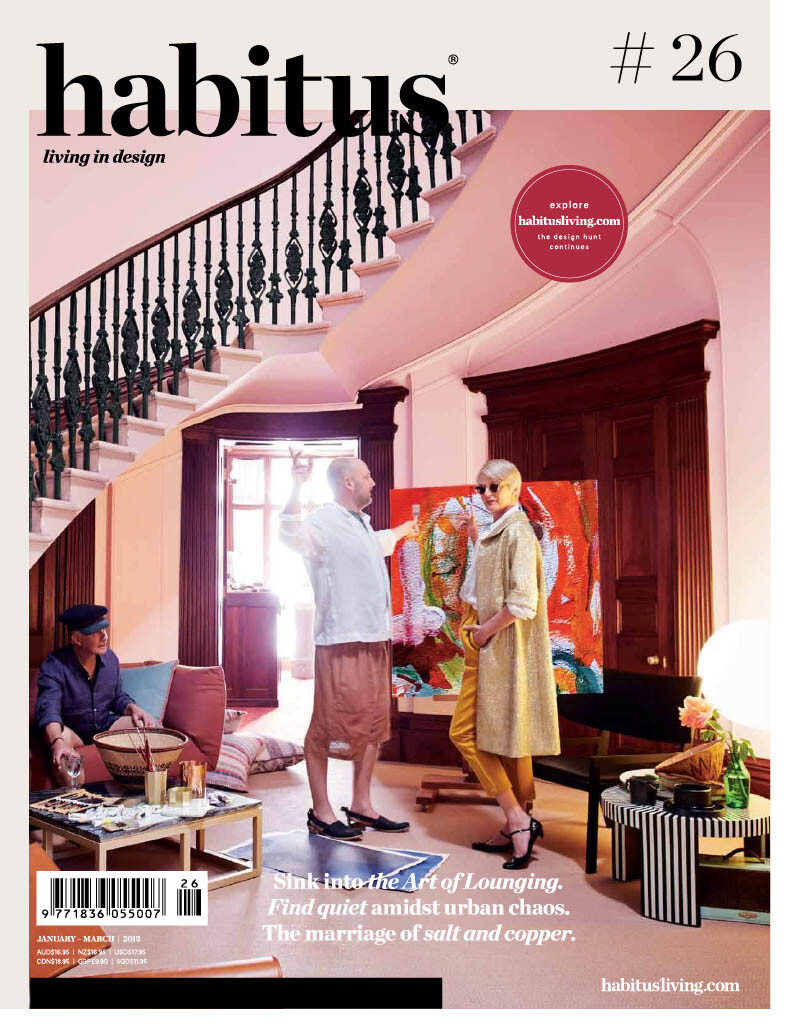
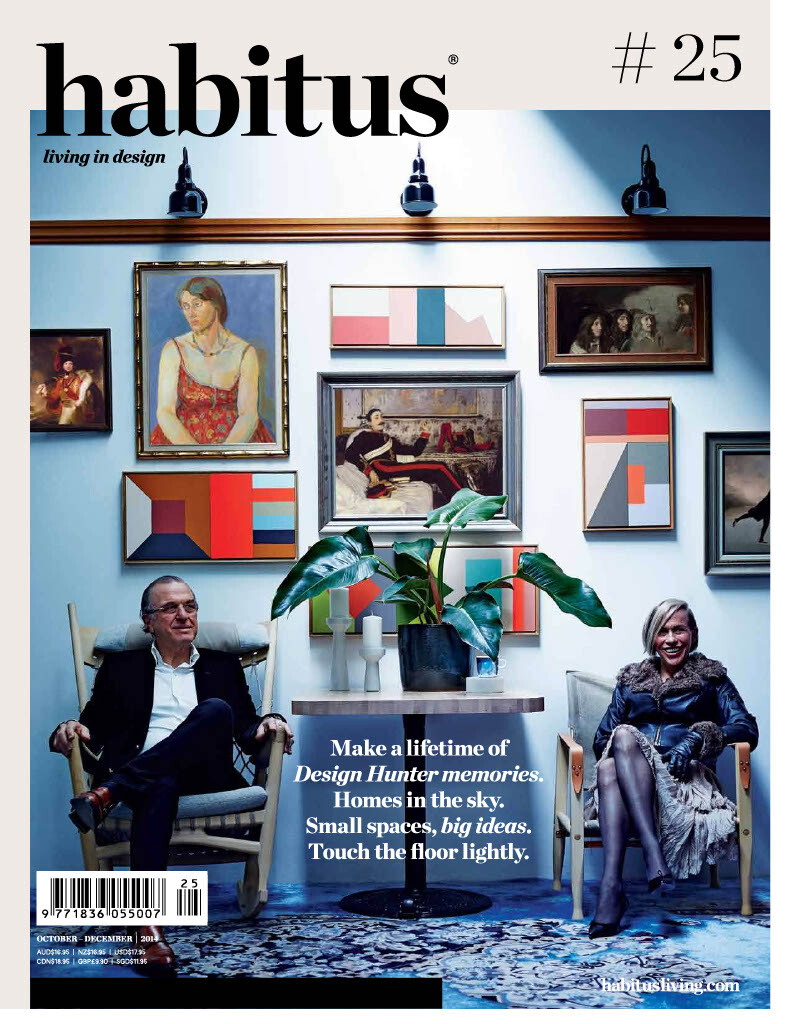
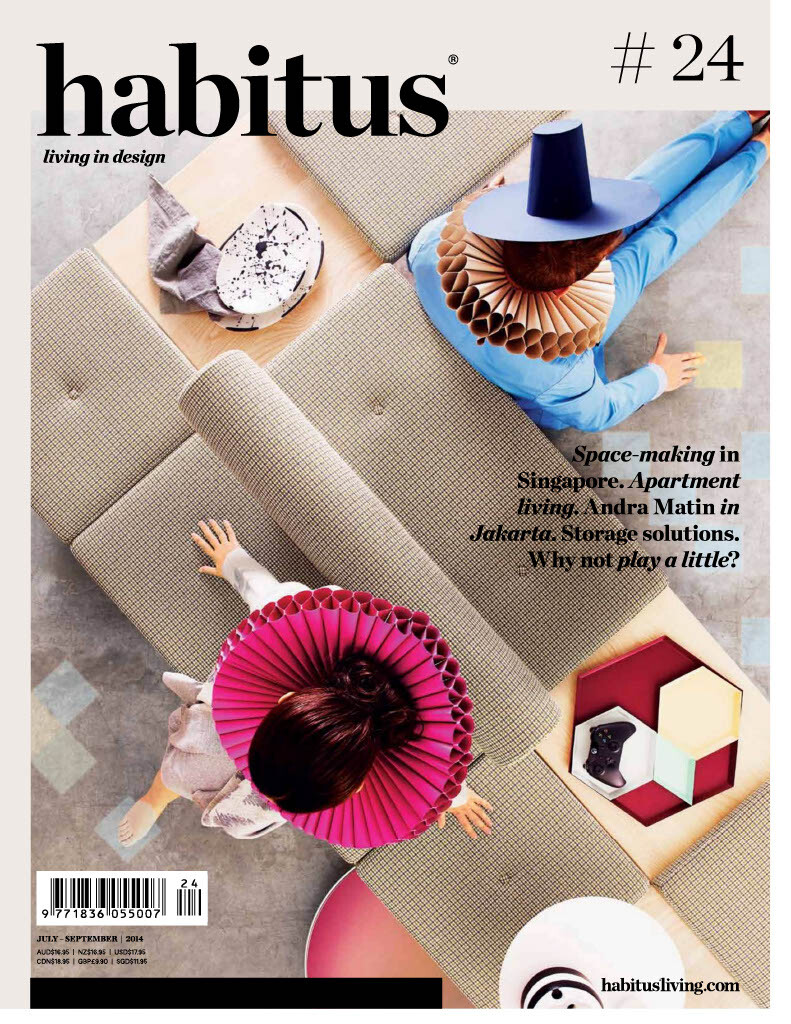
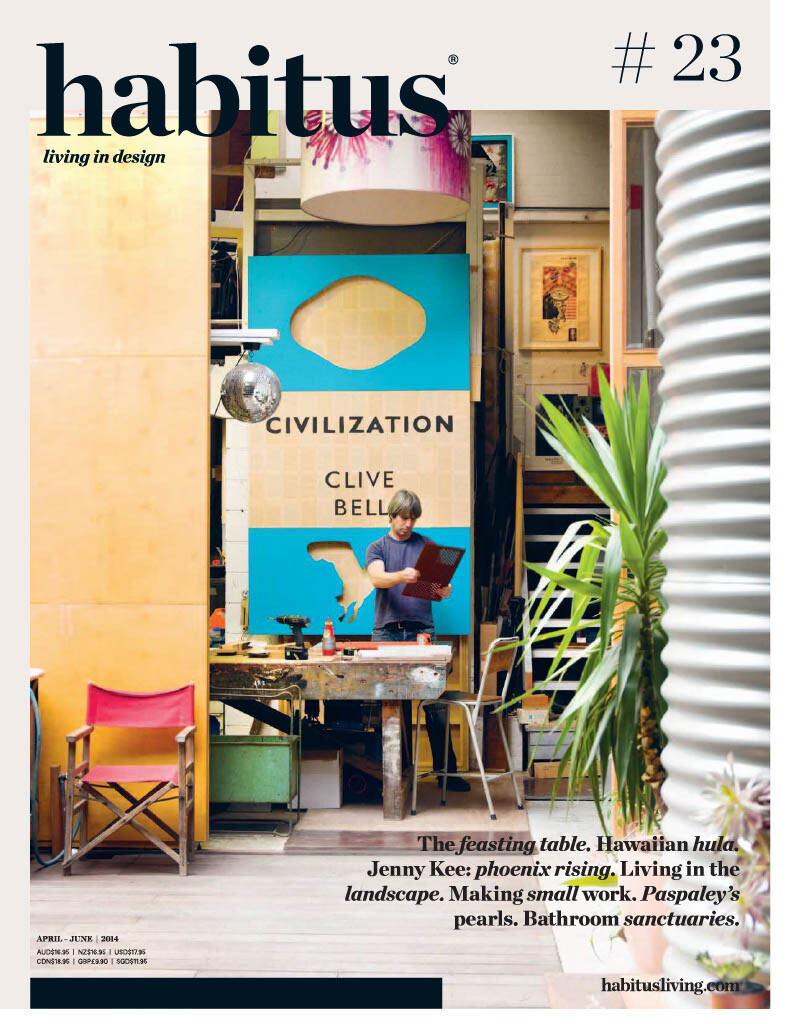
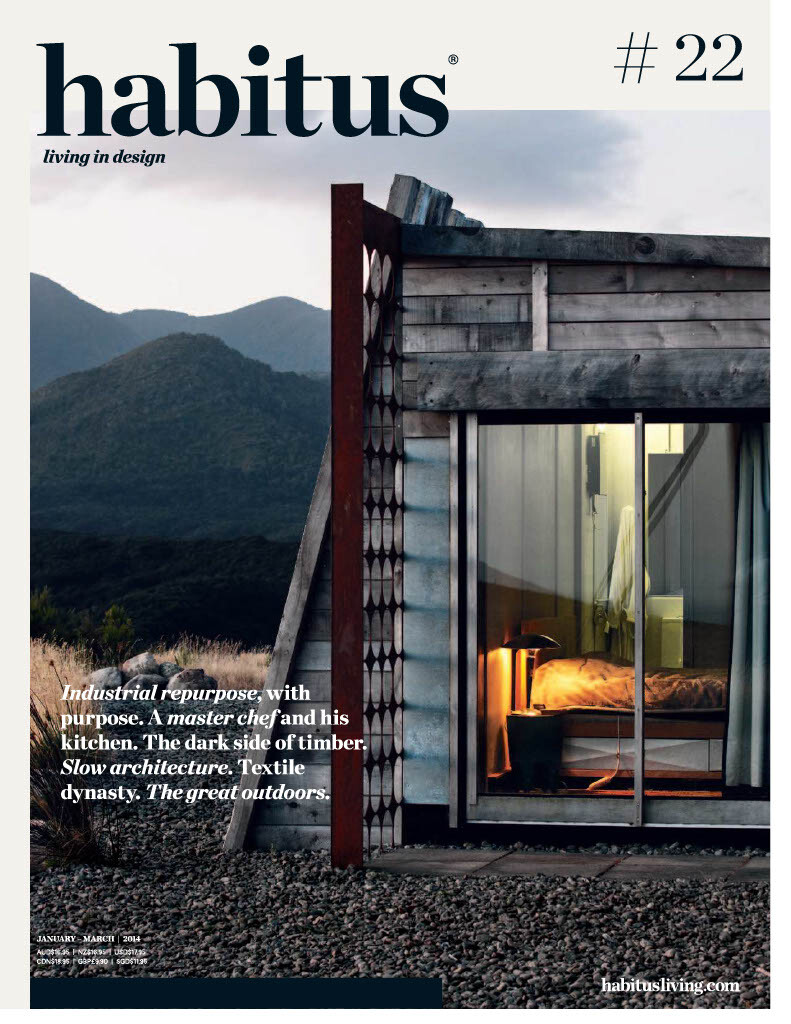
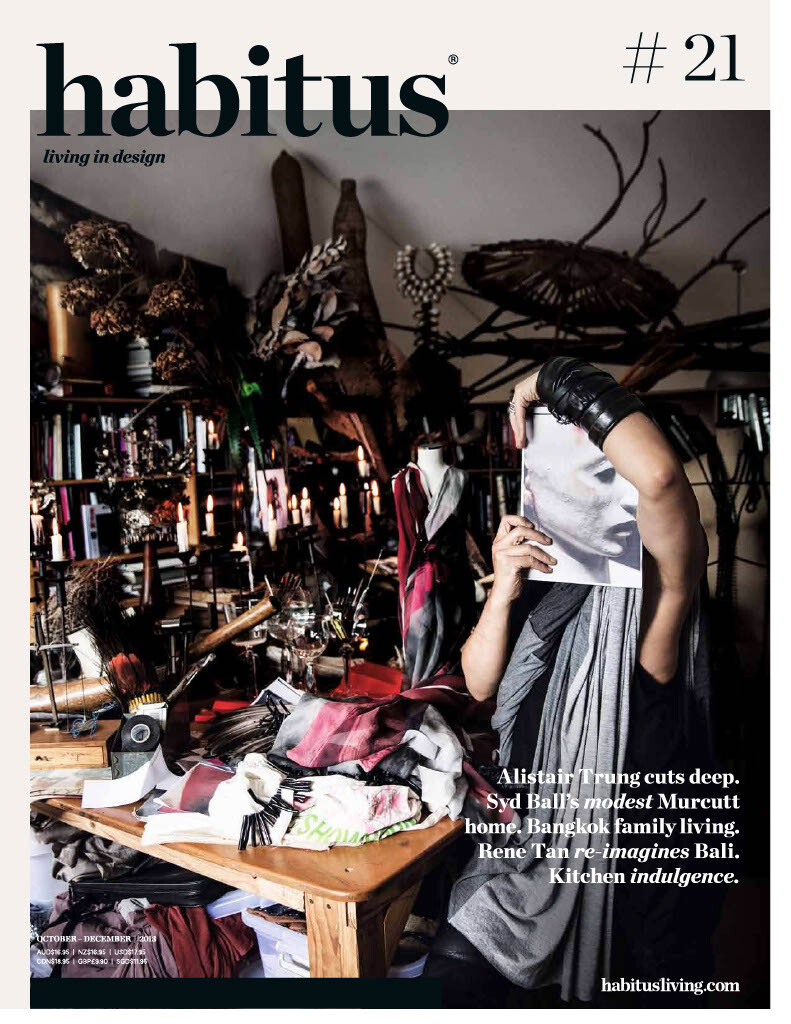
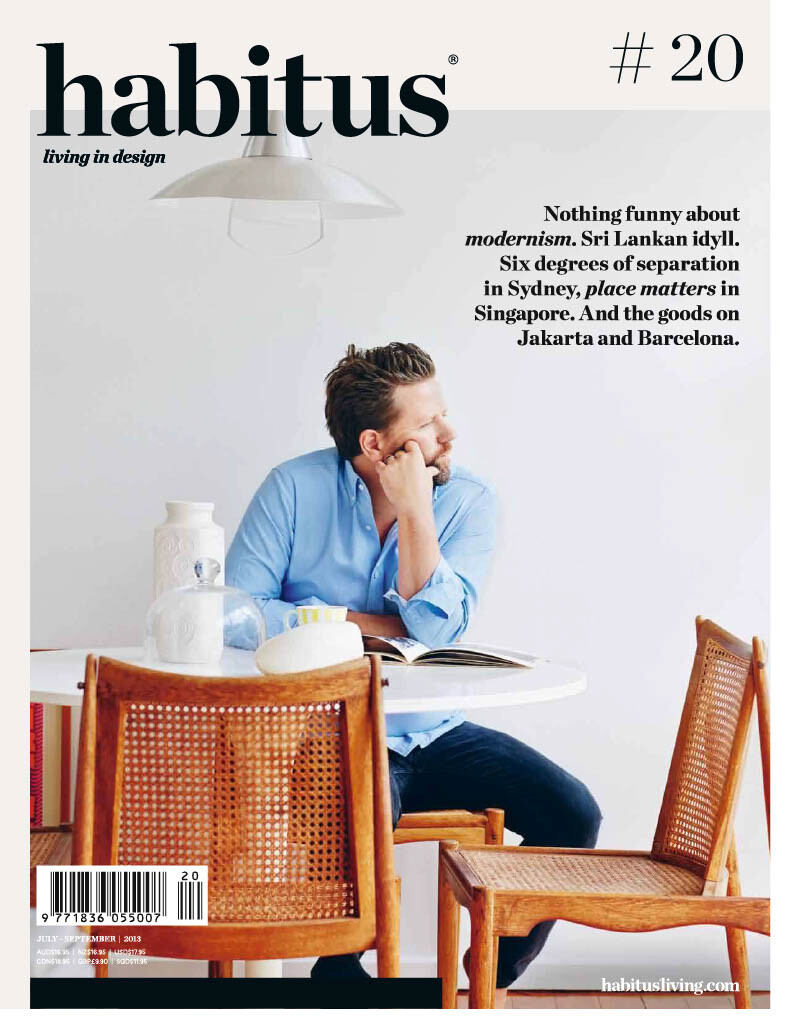
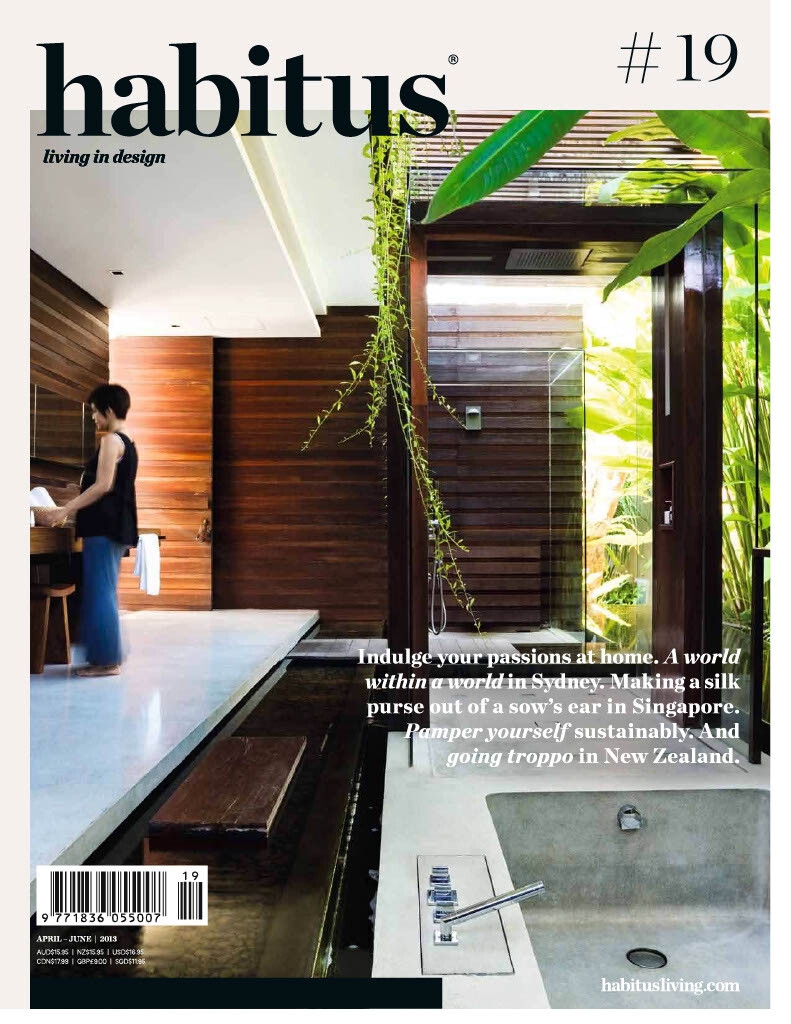
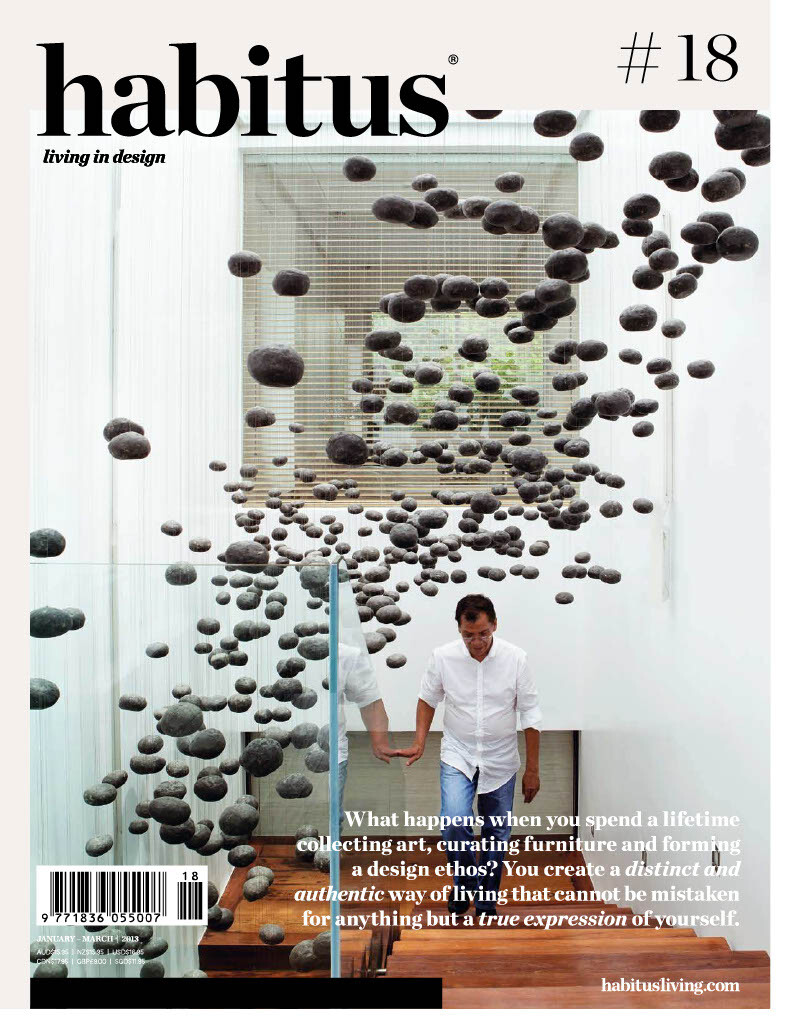
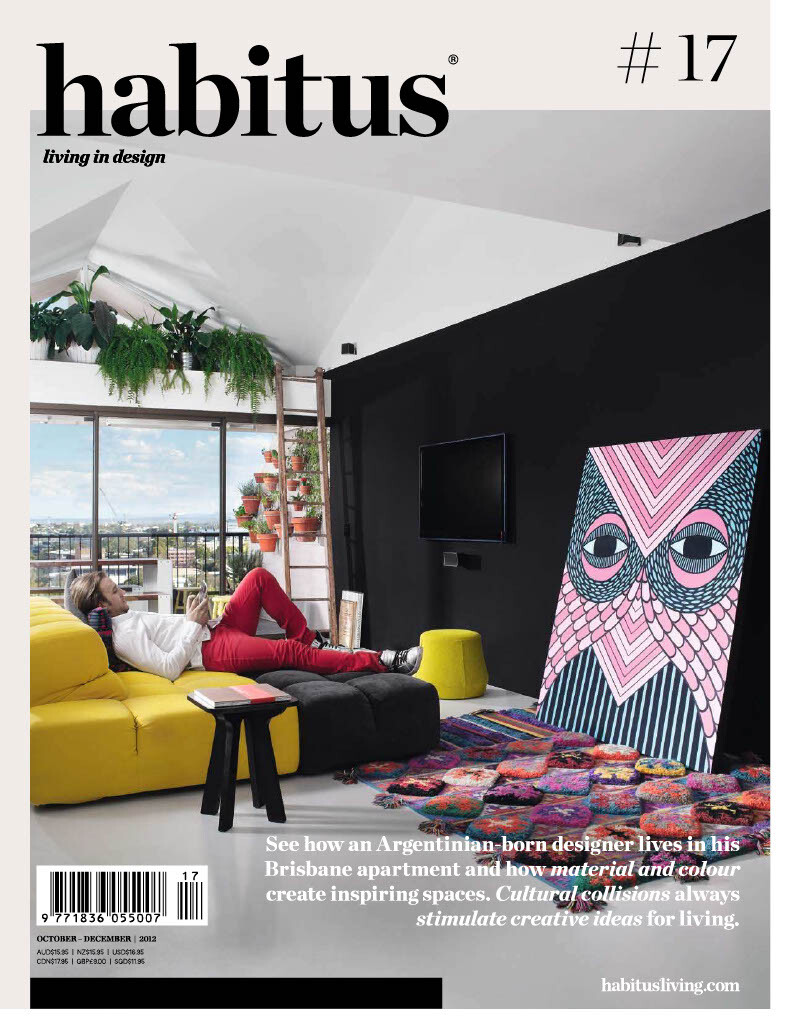
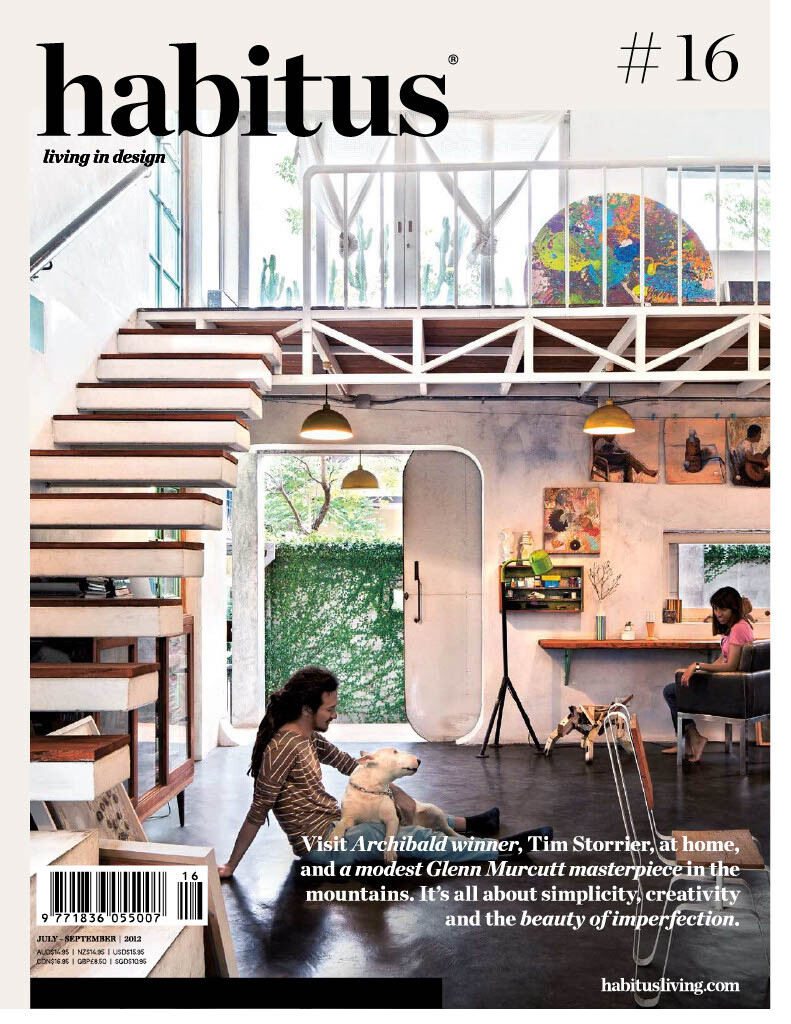
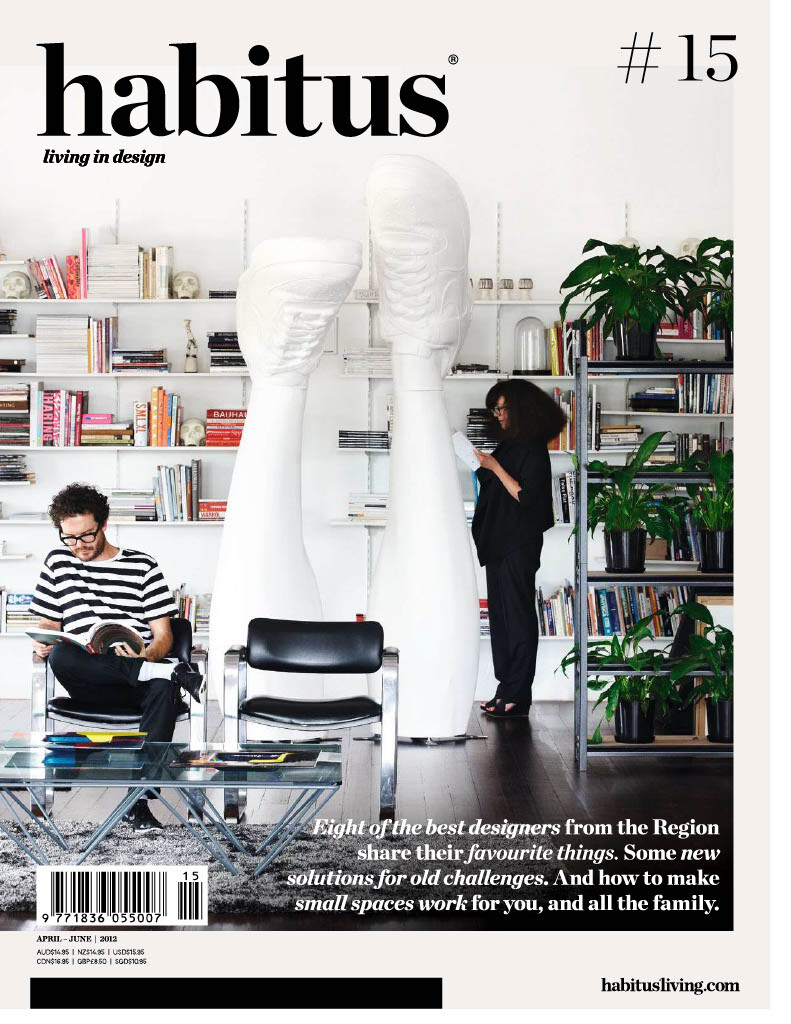
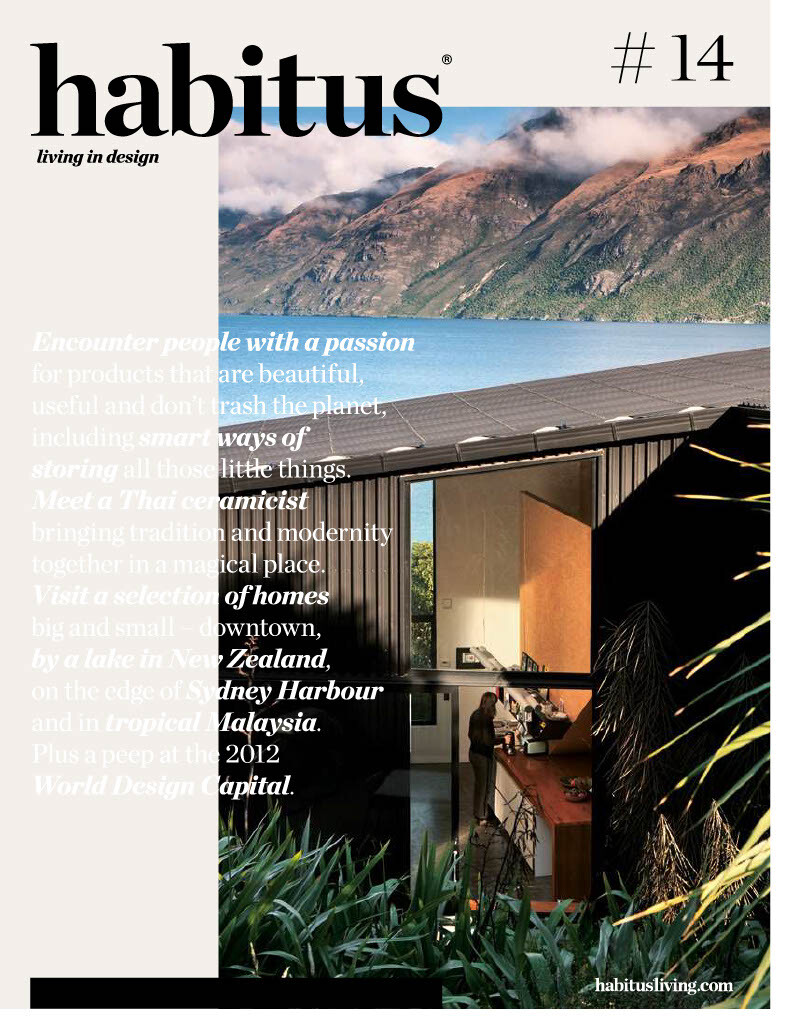
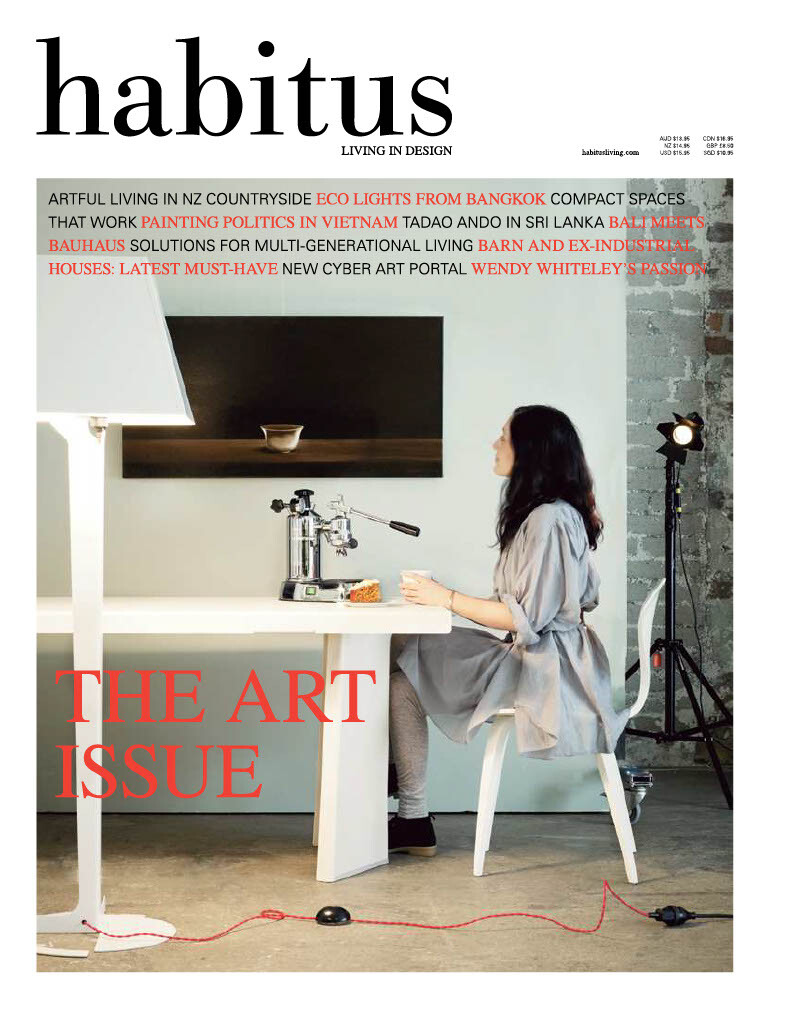
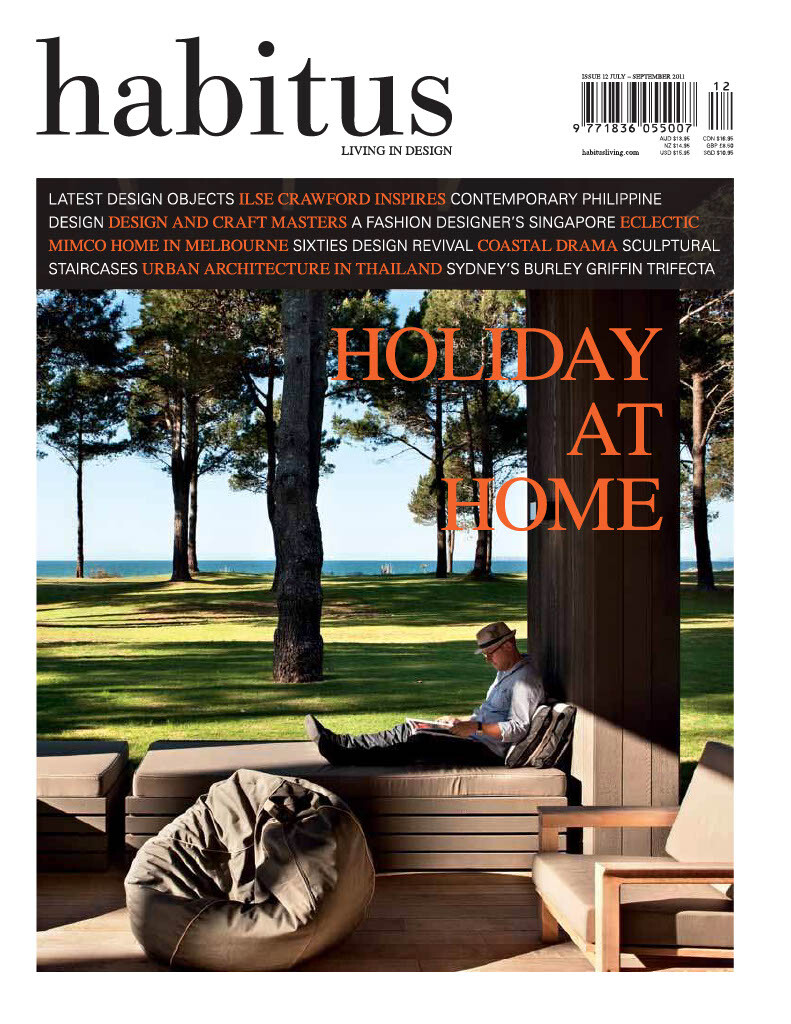
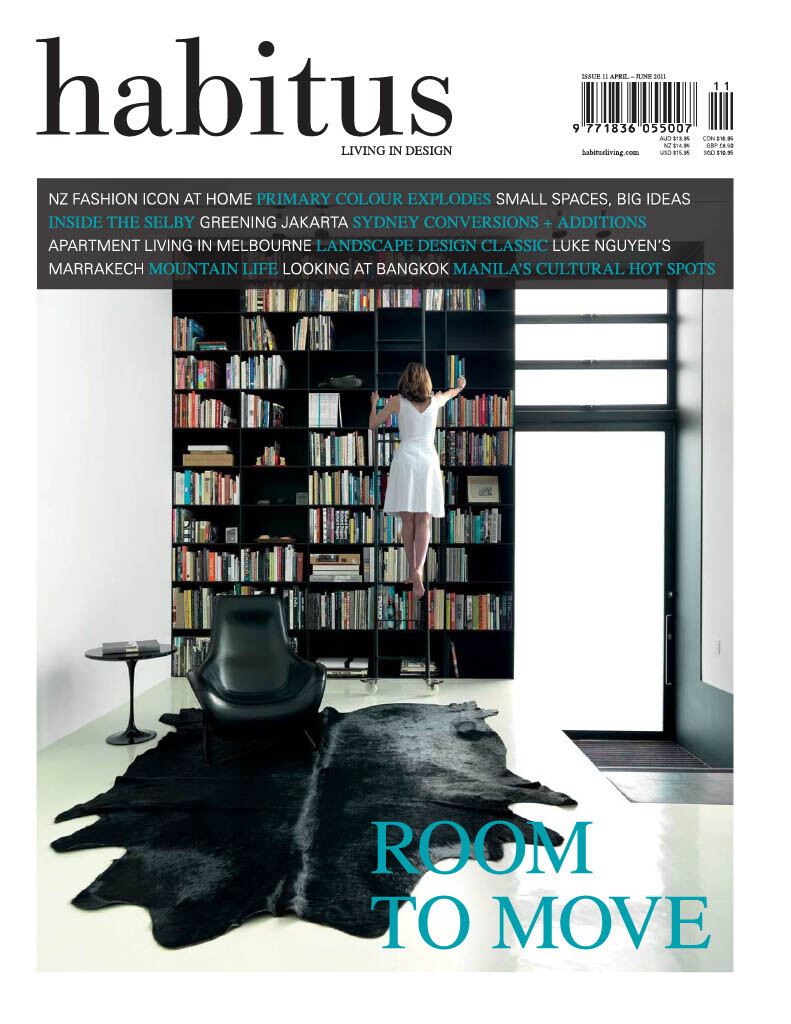
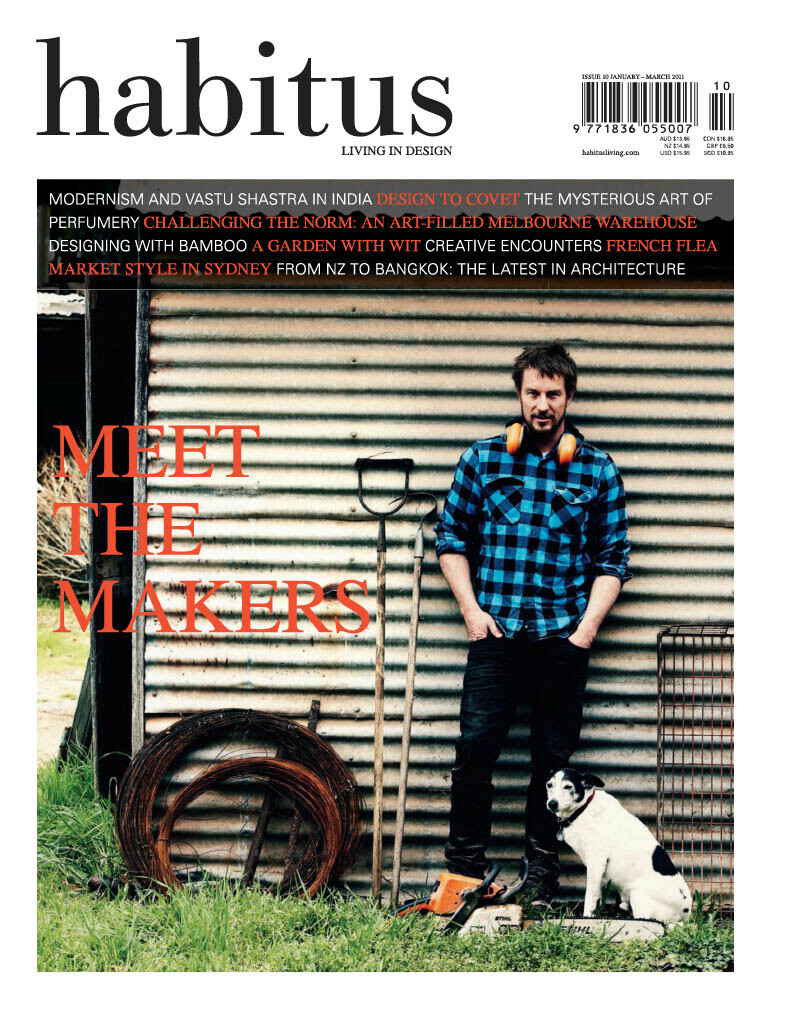
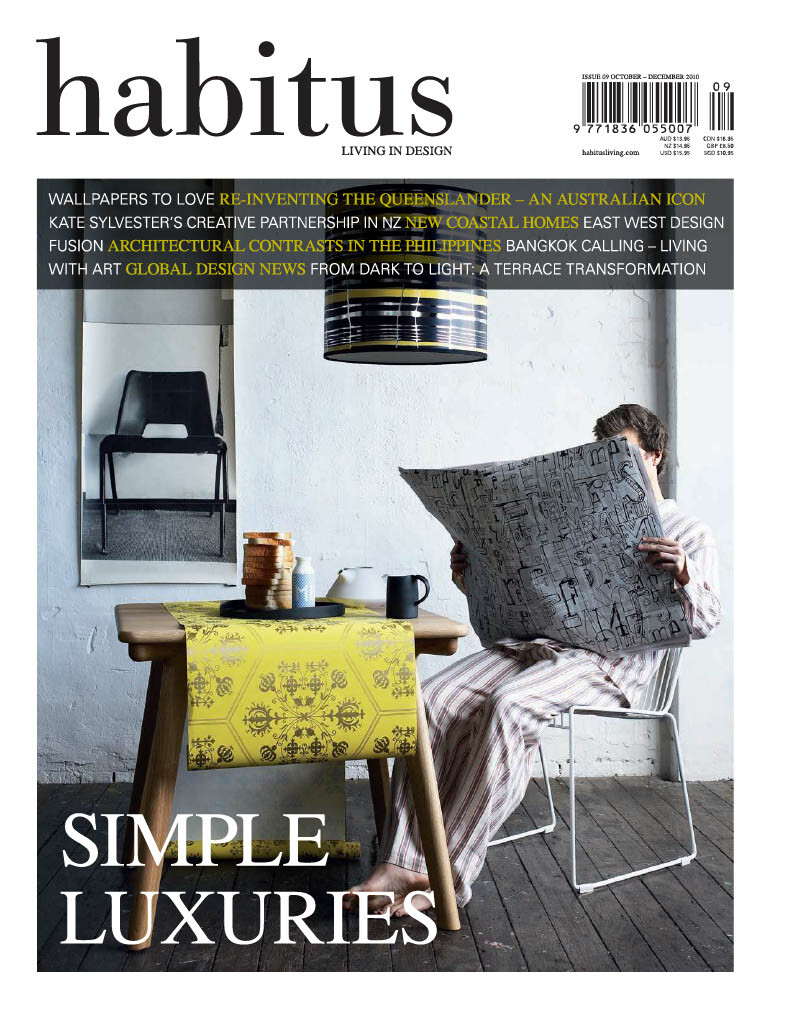
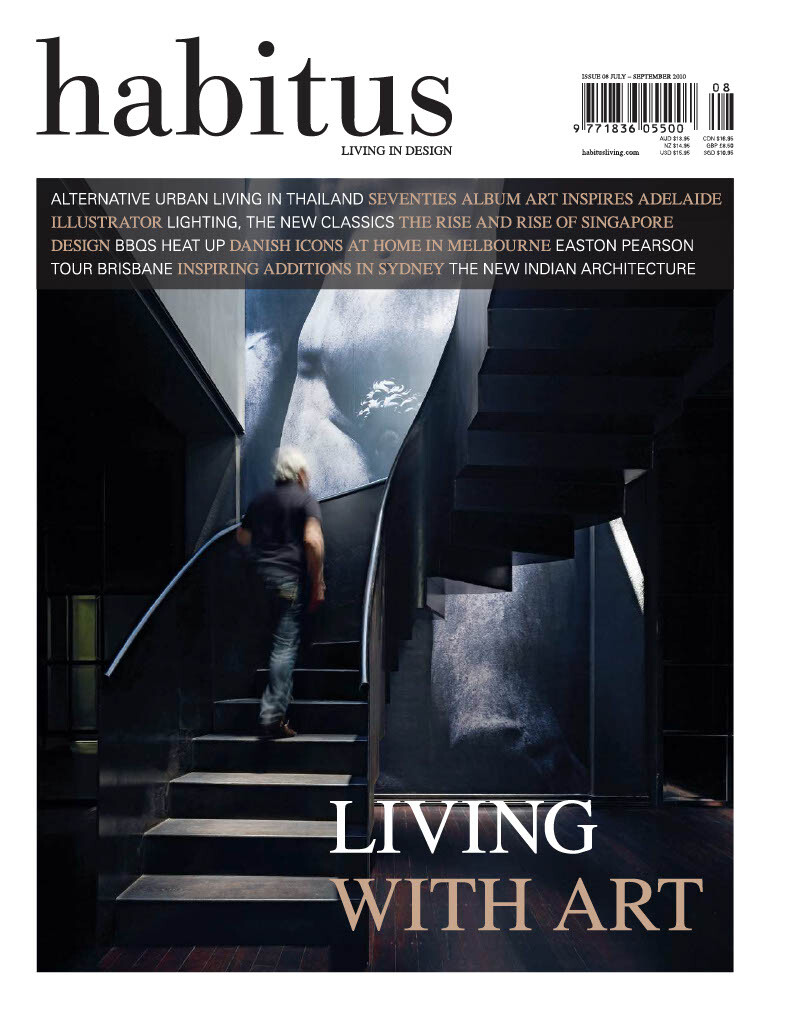
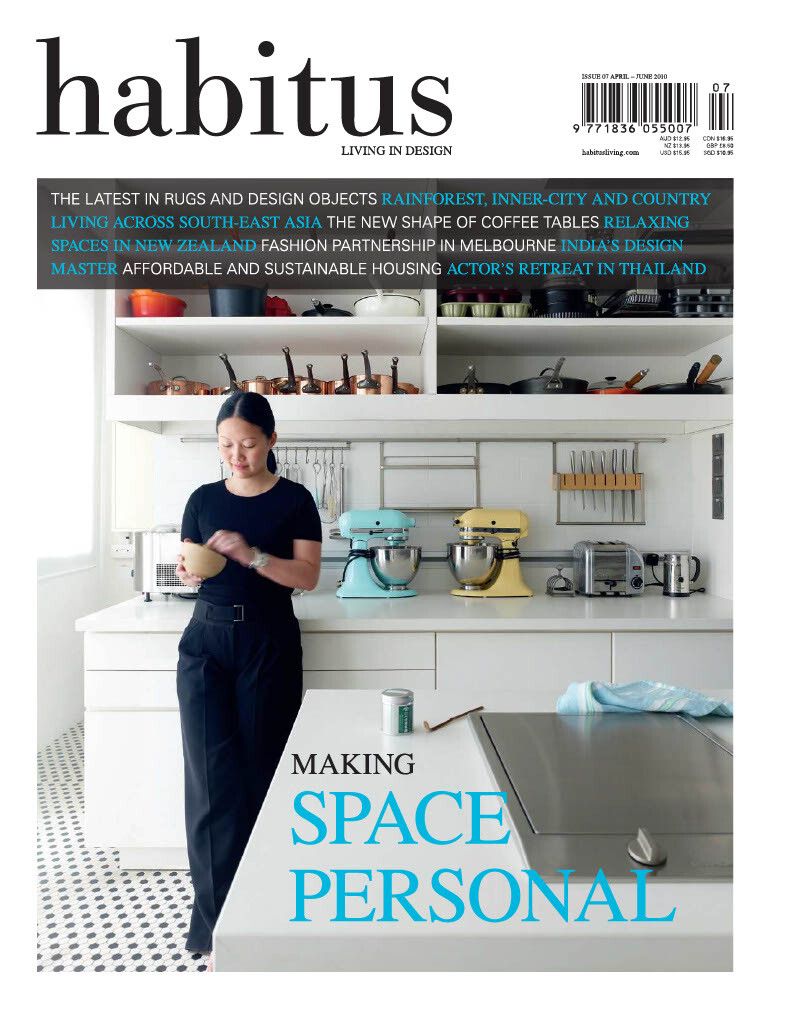
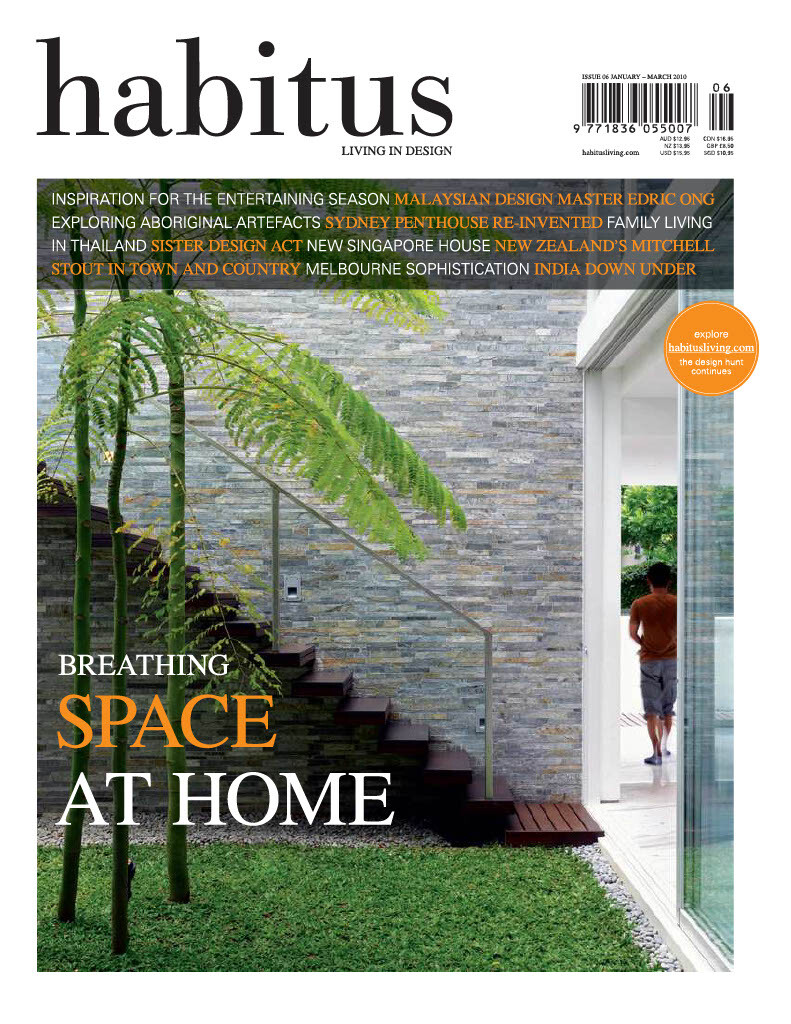
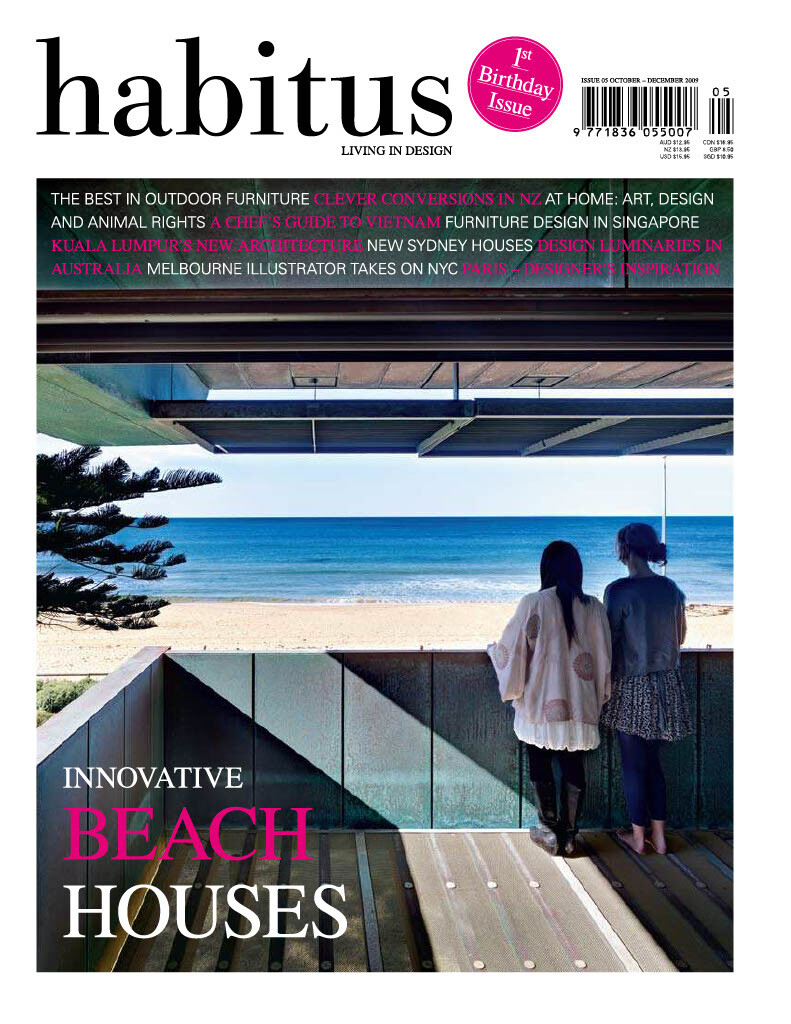
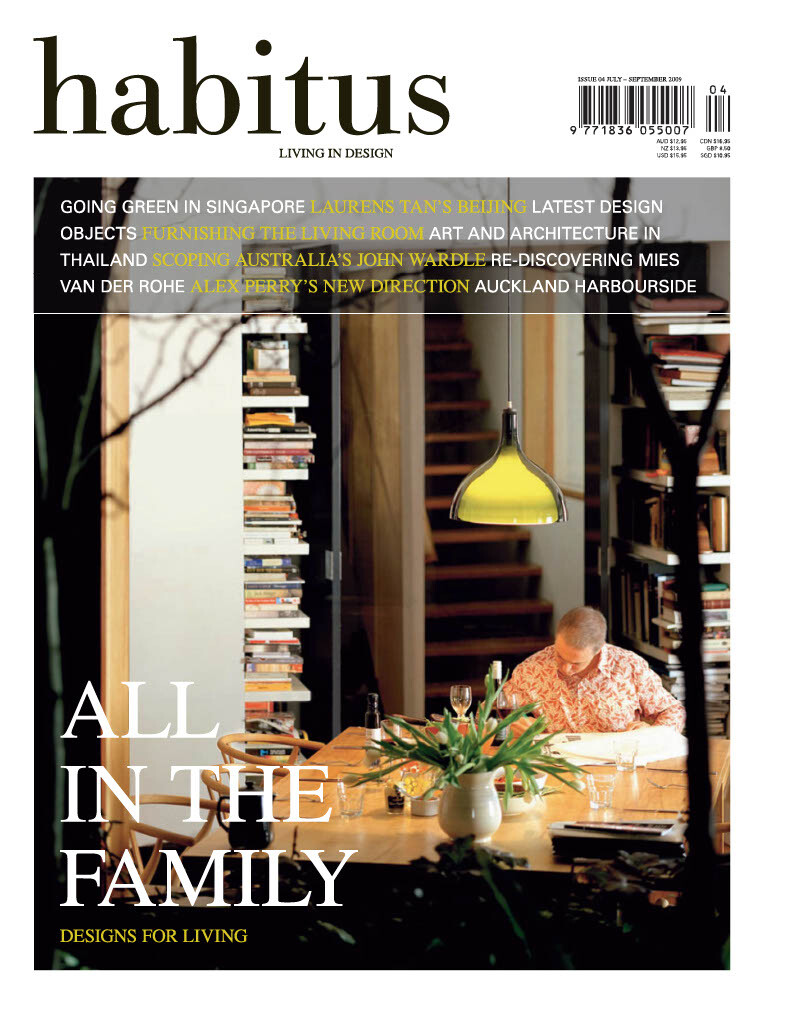
Habitus Magazine is the Asia Pacific authority of choice for Design Hunters® looking for the special in design and architecture and products, providing an exclusive view into the regions most beautiful homes.
Subscribe Now