
Please Note: By submitting this form you will be added to the Habitus Living mailing list.
Continuity and change – this is our theme this issue. And in more ways than one. Because your new Habitus has been re-thought and re-designed. Not to the extent we have thrown the baby out with the bathwater – because we know you like the way Habitus looks – but enough, we think, to ginger the magazine up and make it easier to read and easier to appreciate the fabulous design published in the mag.
We call our readers ‘Design Hunters’ – which basically means people who want to soak their lives in quality. And, if you think about it, the best design has often sprung out of the mix of tradition and innovation. A culture, for example, is all about continuity. But a culture that doesn’t change is doomed to wither. In fact, the very word culture implies change, growth, development.
The collision of tradition and modernity in South-East Asia has led to this region becoming one of the most dynamic and innovative in the world. The challenge has been to create a balance between continuity and change.
In fact, it is the very struggle to reconcile the two positions that leads to development. I was recently shown through a house in Singapore by a very fine local architect, Richard Ho. This house embodied the apparent opposition of continuity and change, tradition and modernity. Yet, to be in this house was less about a struggle (a very Western idea), and more about a serene acceptance of the world as a harmonious balance of many elements (a very Eastern idea).
For the owners, the house carried through elements of their previous home. At the same time, it re-visited the Chinese courtyard house and the colonial black-and-white house to make a home perfectly adapted to its cultural and climatic context. When I did my first degree in Asian history, the term ‘multi-culturalism’ was used to described countries like Malaysia and Singapore. These days it is more often used to refer to cultural melting pots like Australia and the U.S. But issues of continuity and change are just as relevant even if in the ‘New World’ the roots of tradition seem a long way away.
The challenge, nonetheless, remains the same – namely, to respond to cultural difference (whether it be historical or contemporary) as an opportunity for growth. Reconciling difference is a means of cultural growth. Denying difference – or worse, refusing to accept the value of others being different to ourselves – is a form of slow cultural suicide.
PAUL MCGILLICK | EDITOR
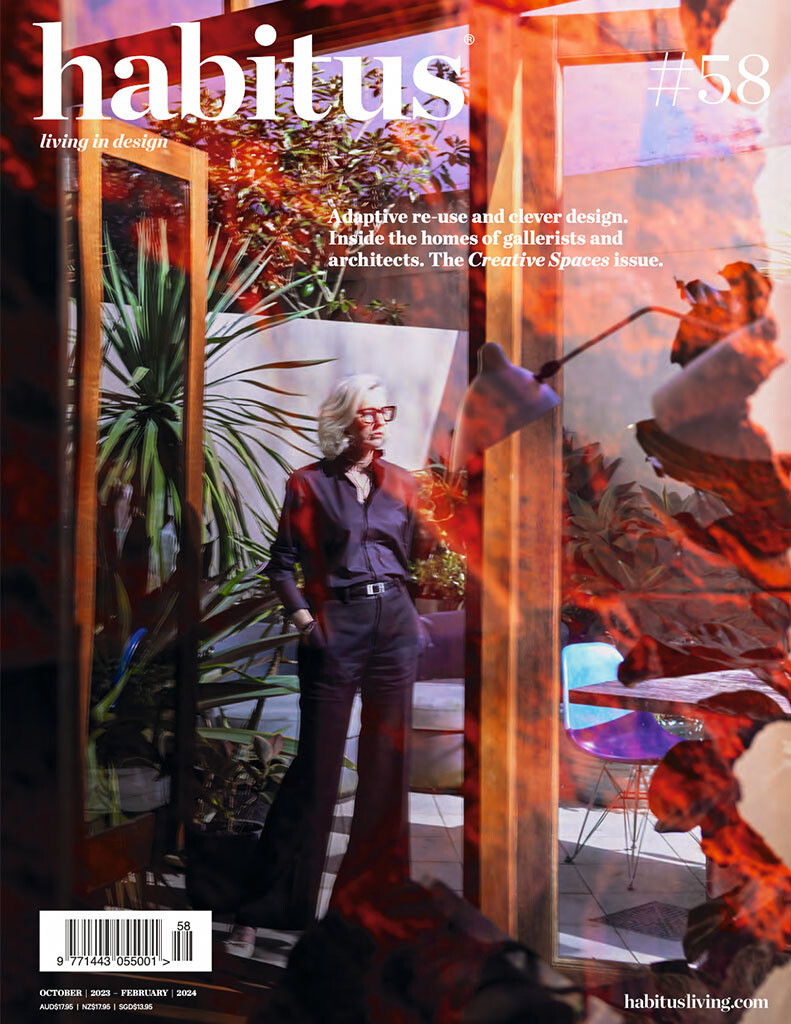
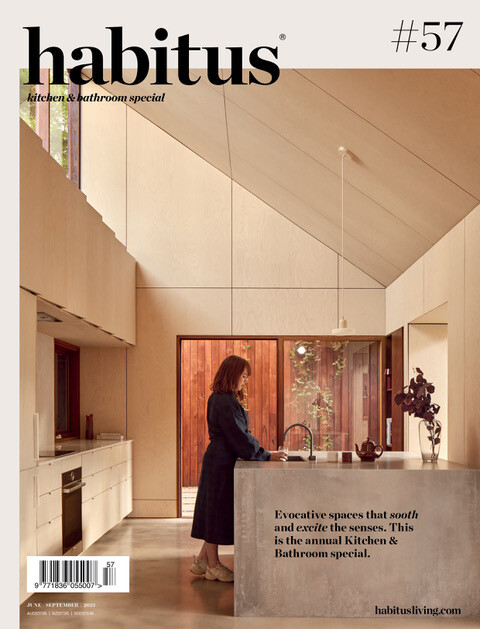
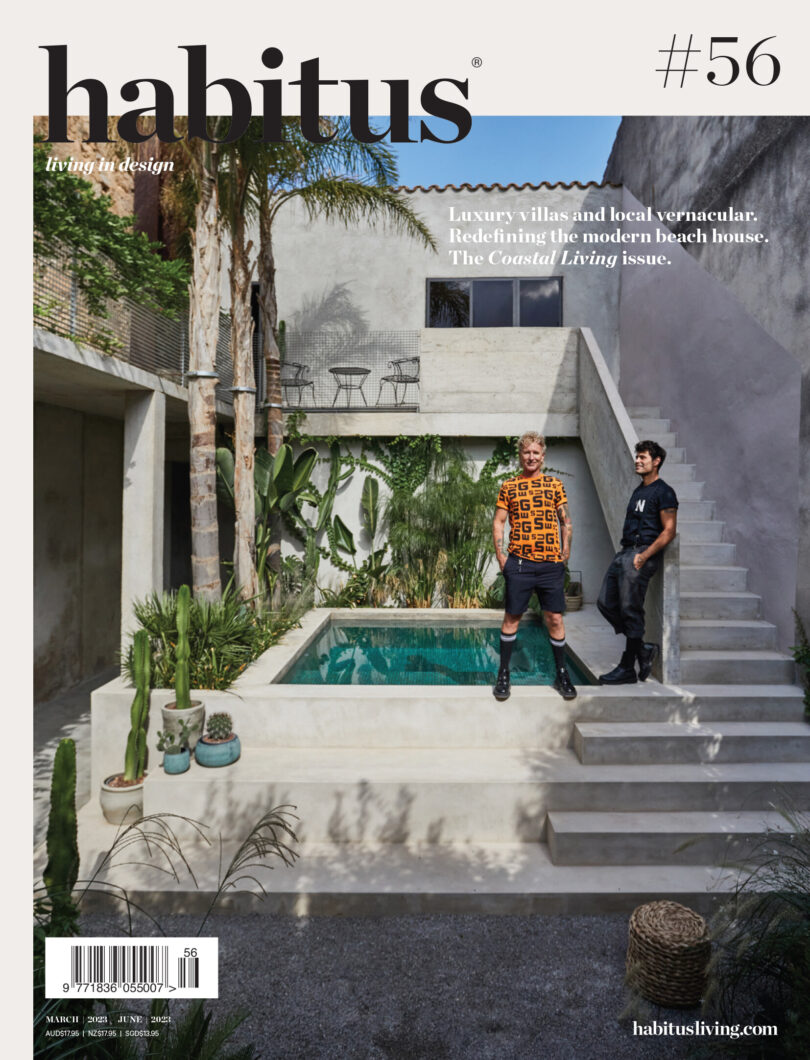
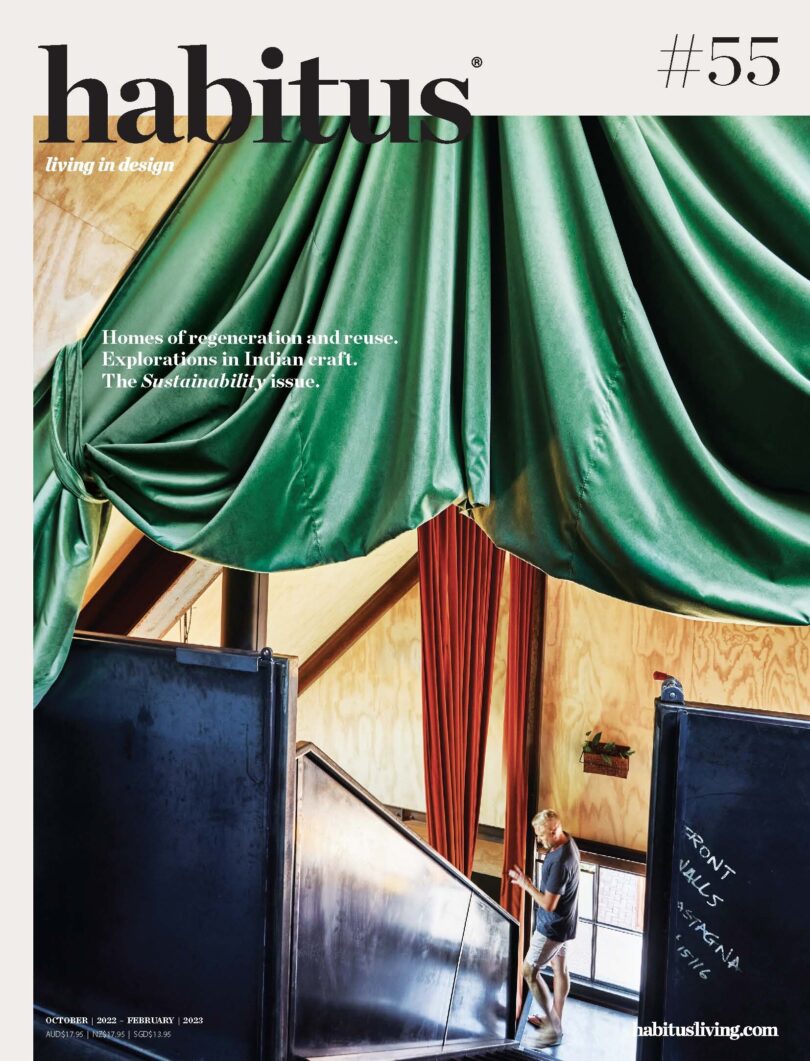
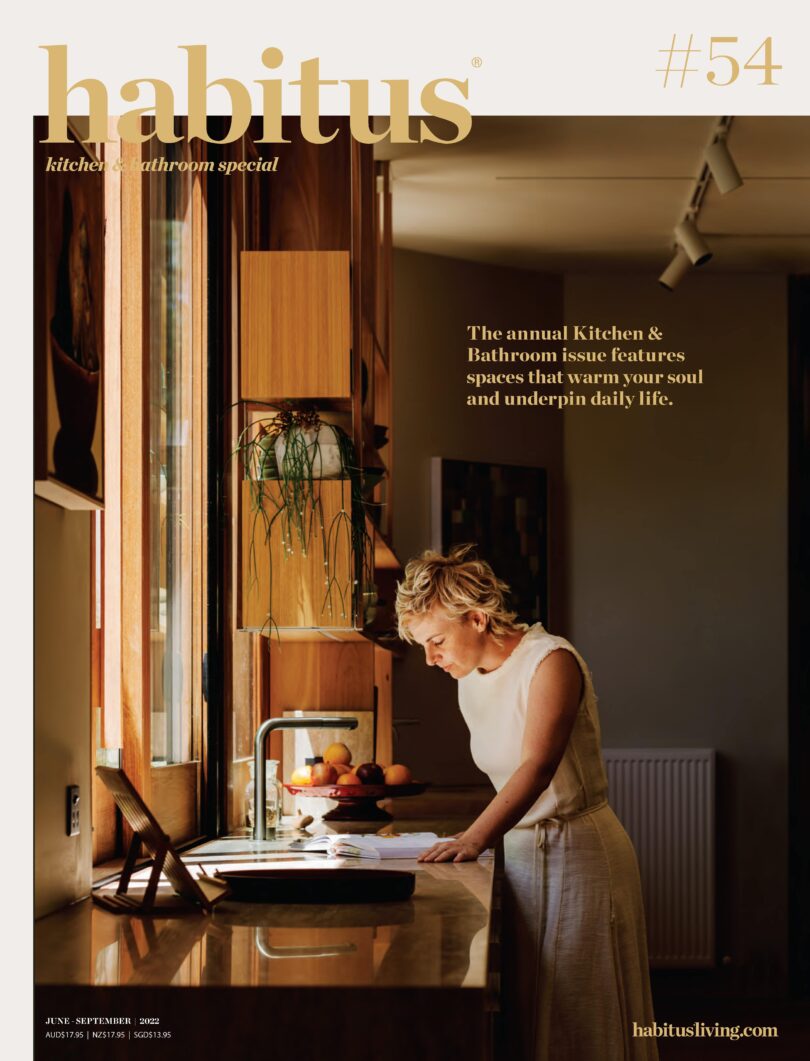
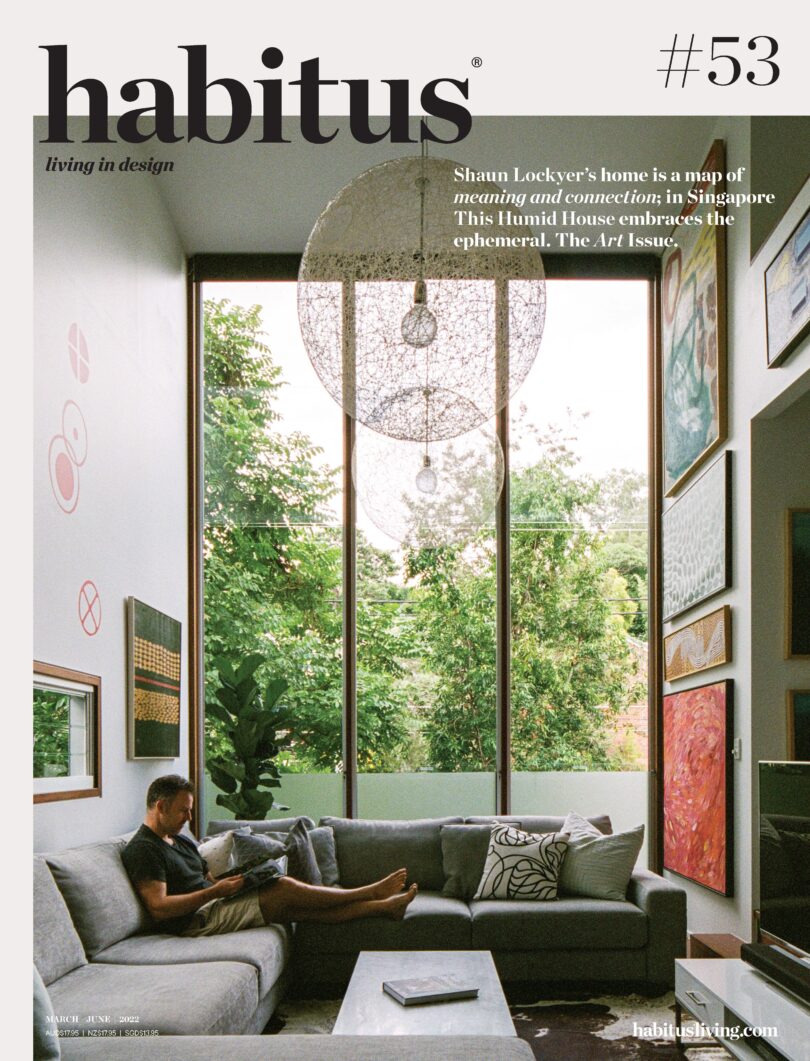
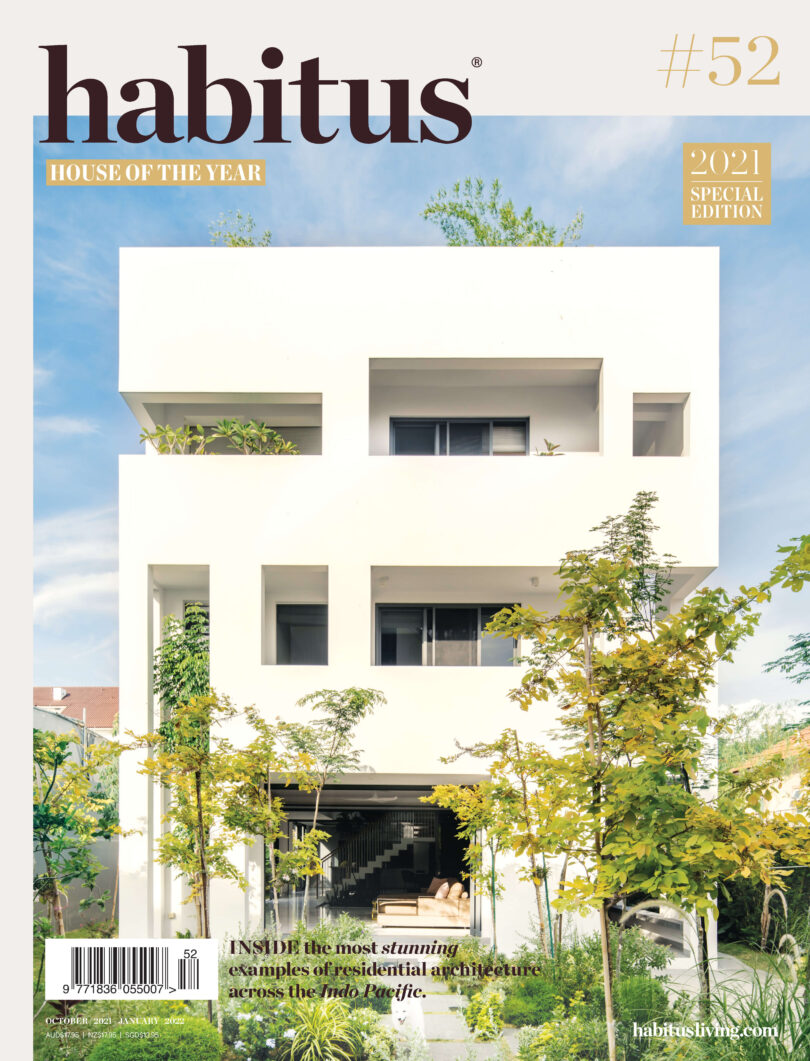
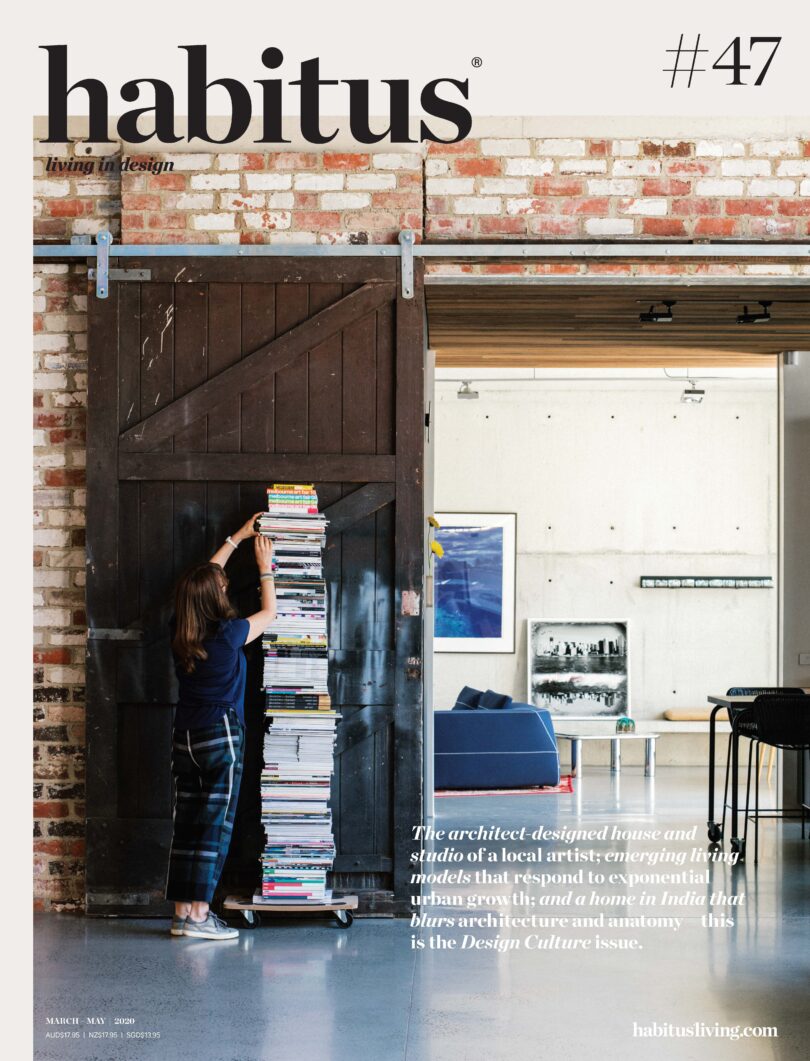
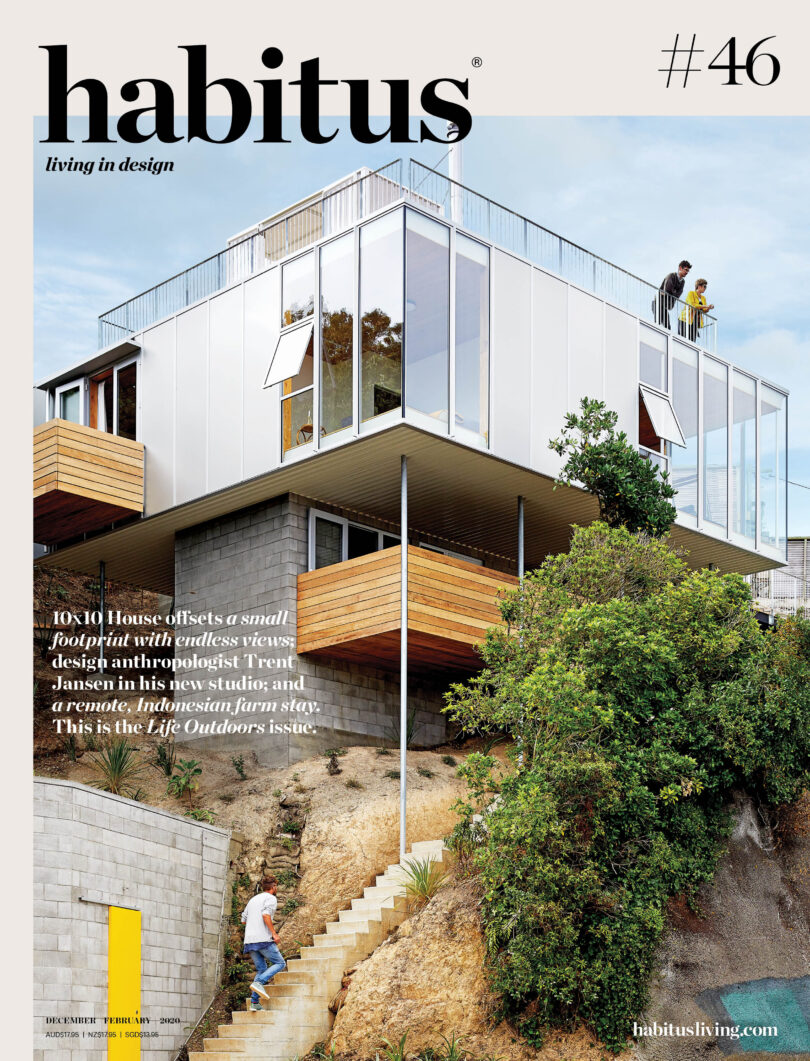
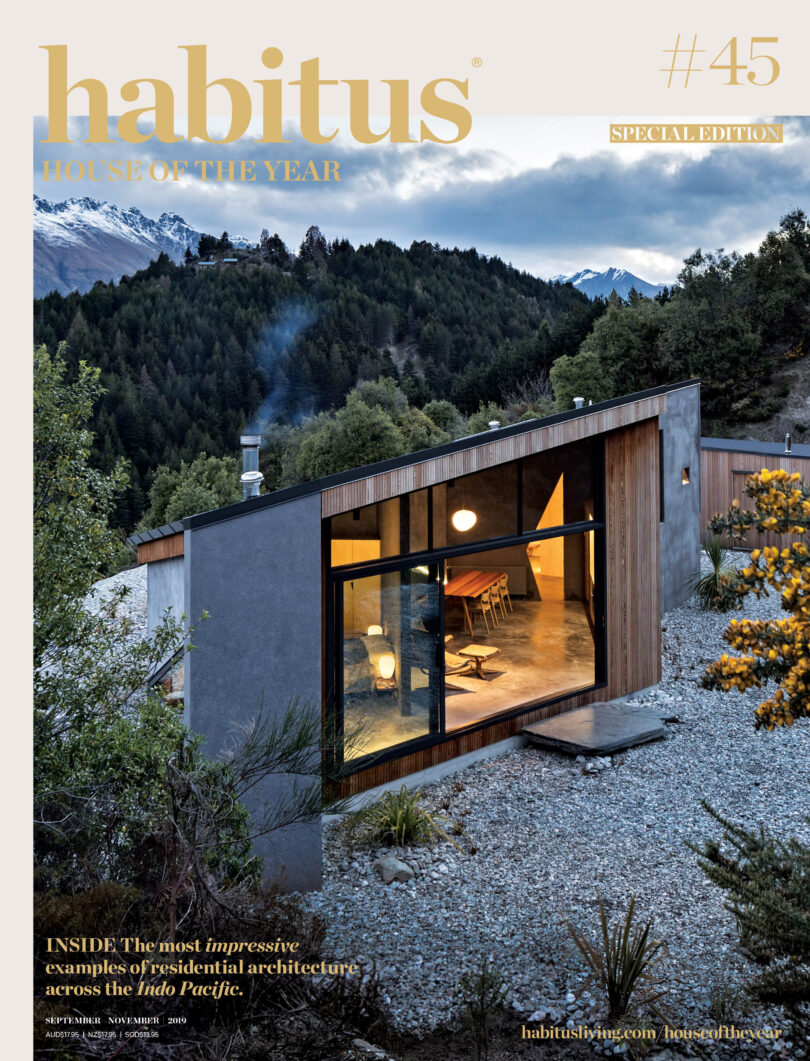
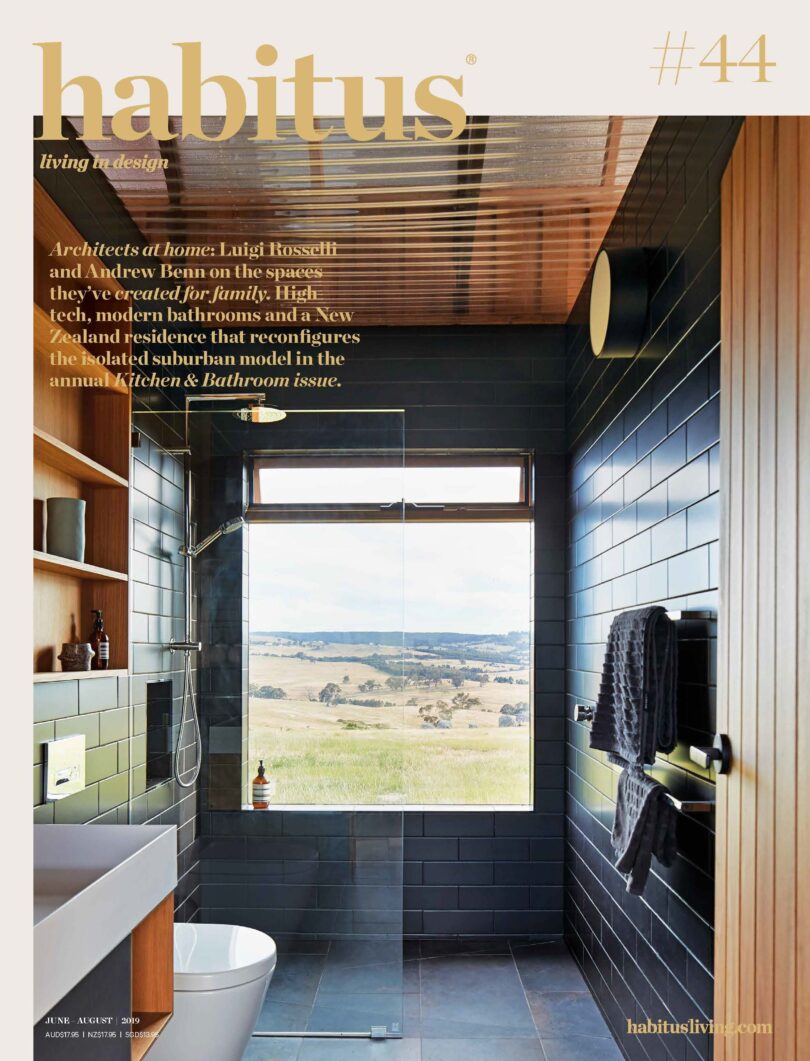
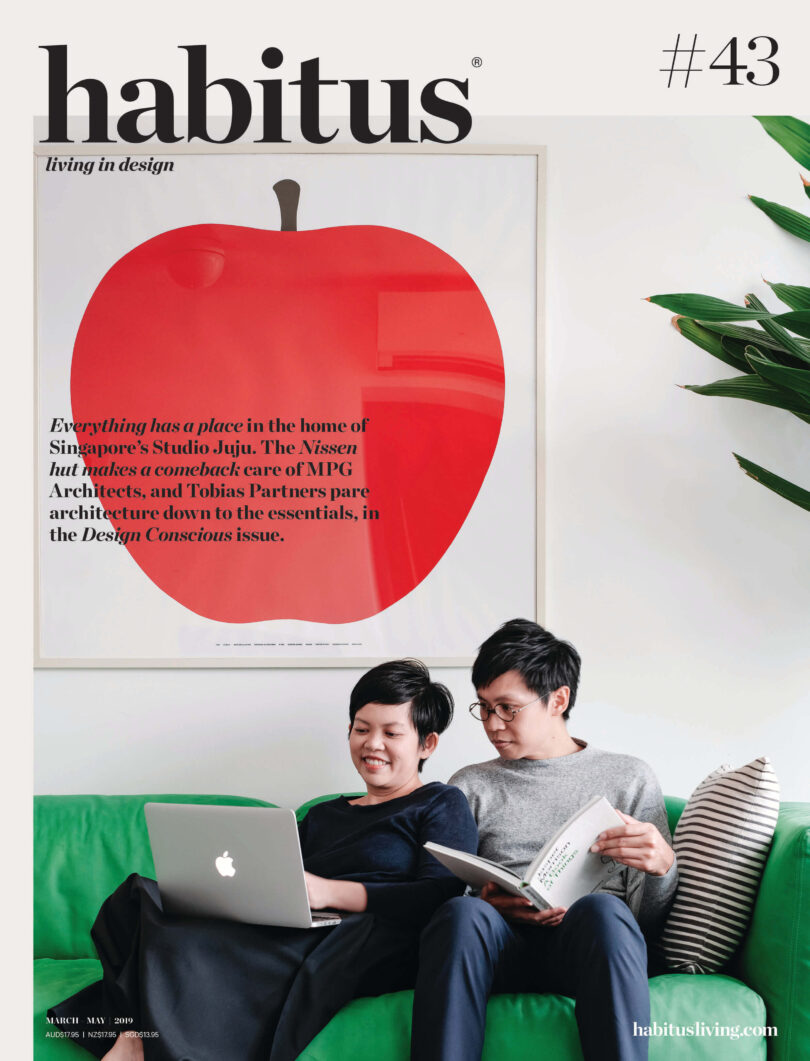
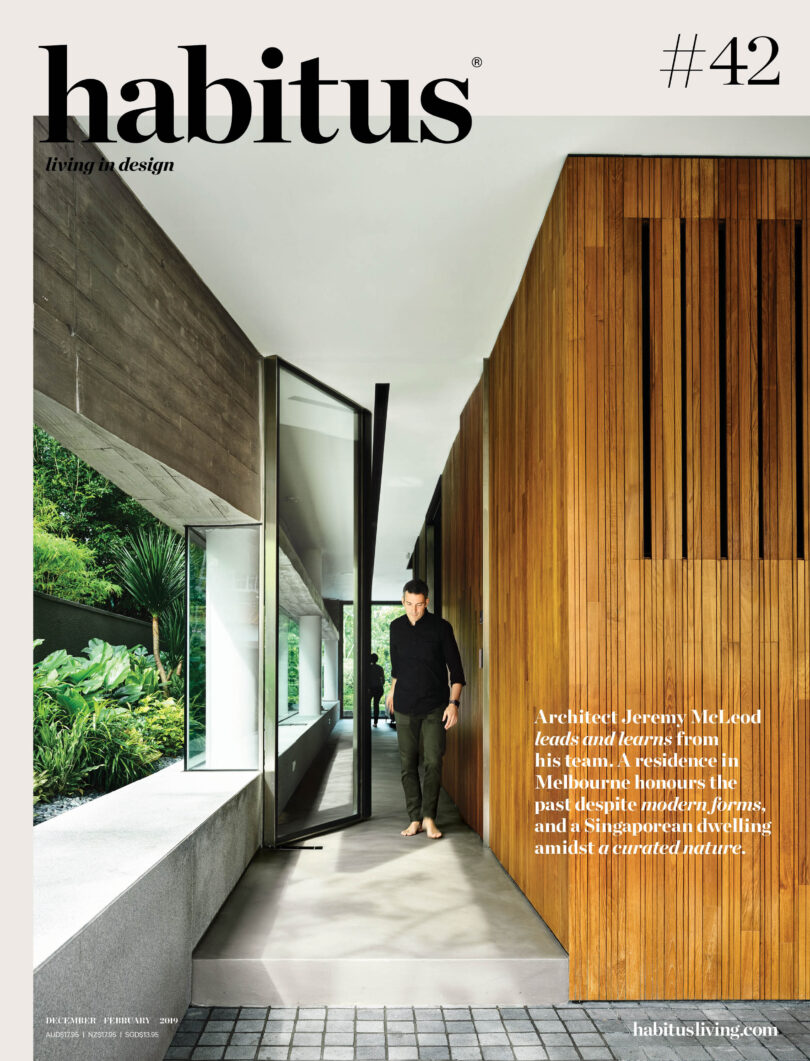
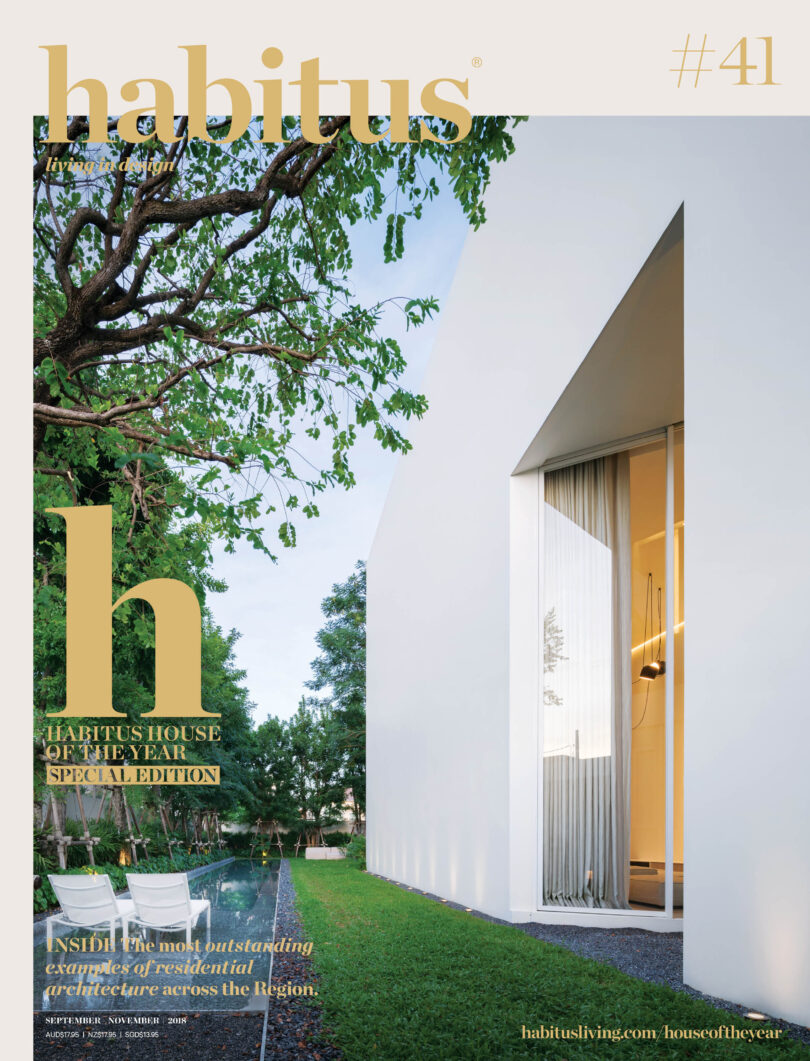
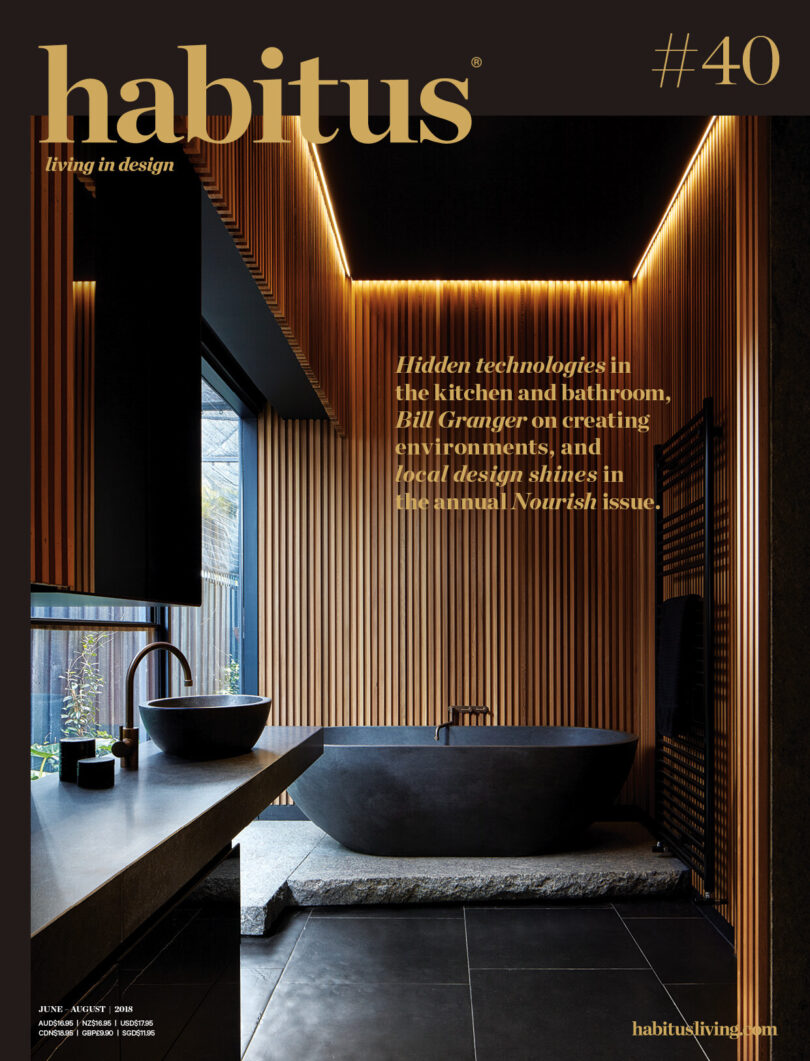
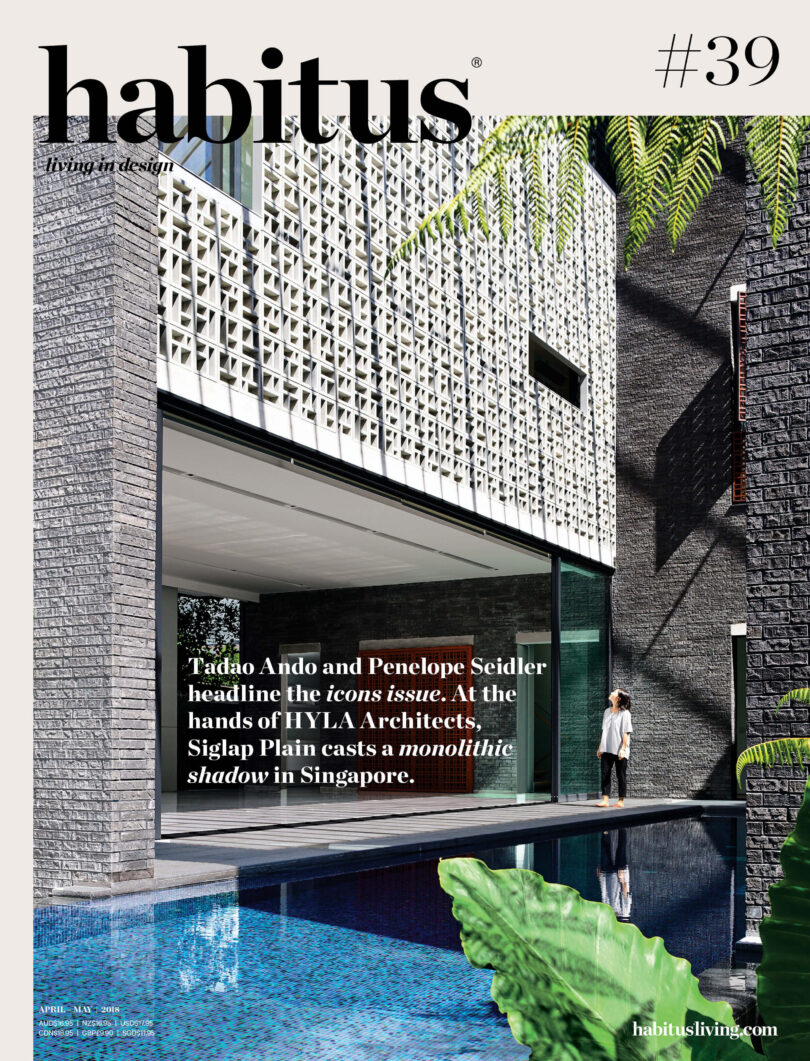
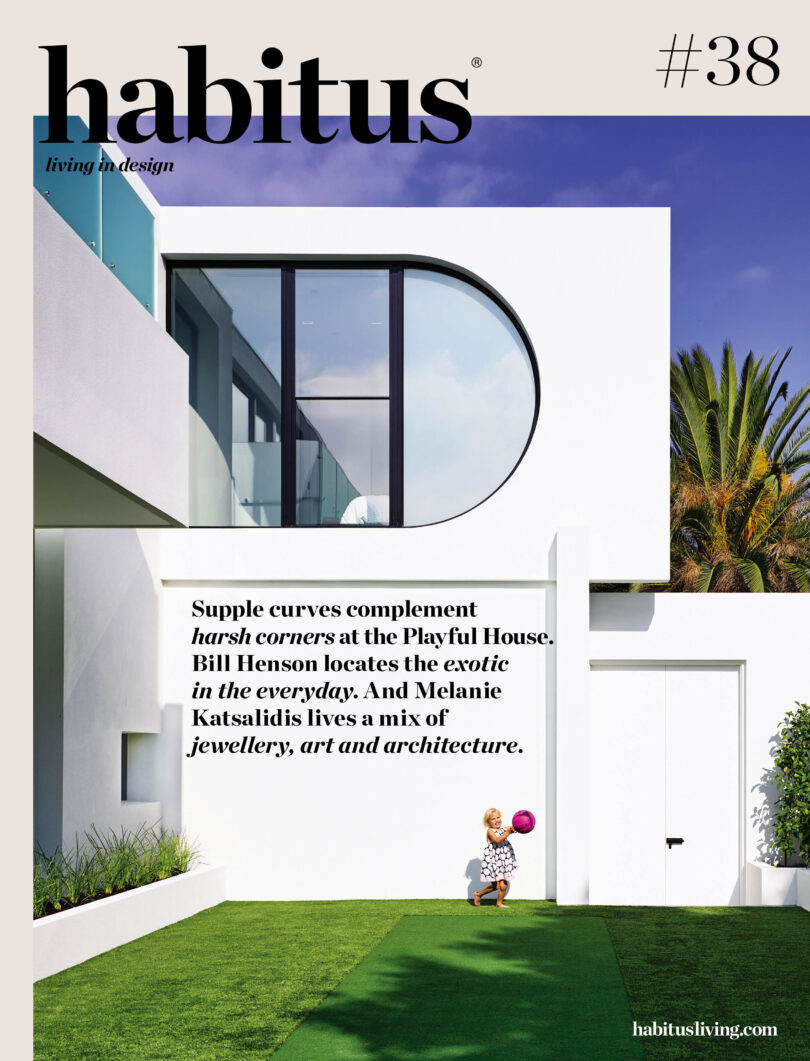
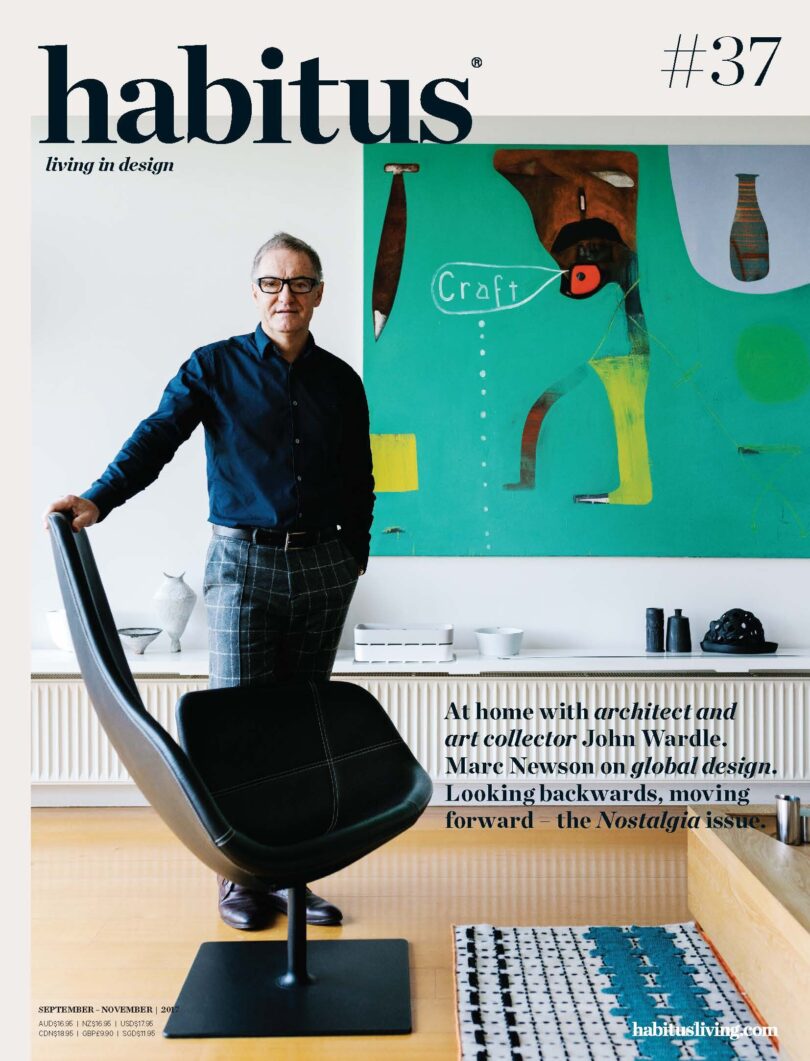
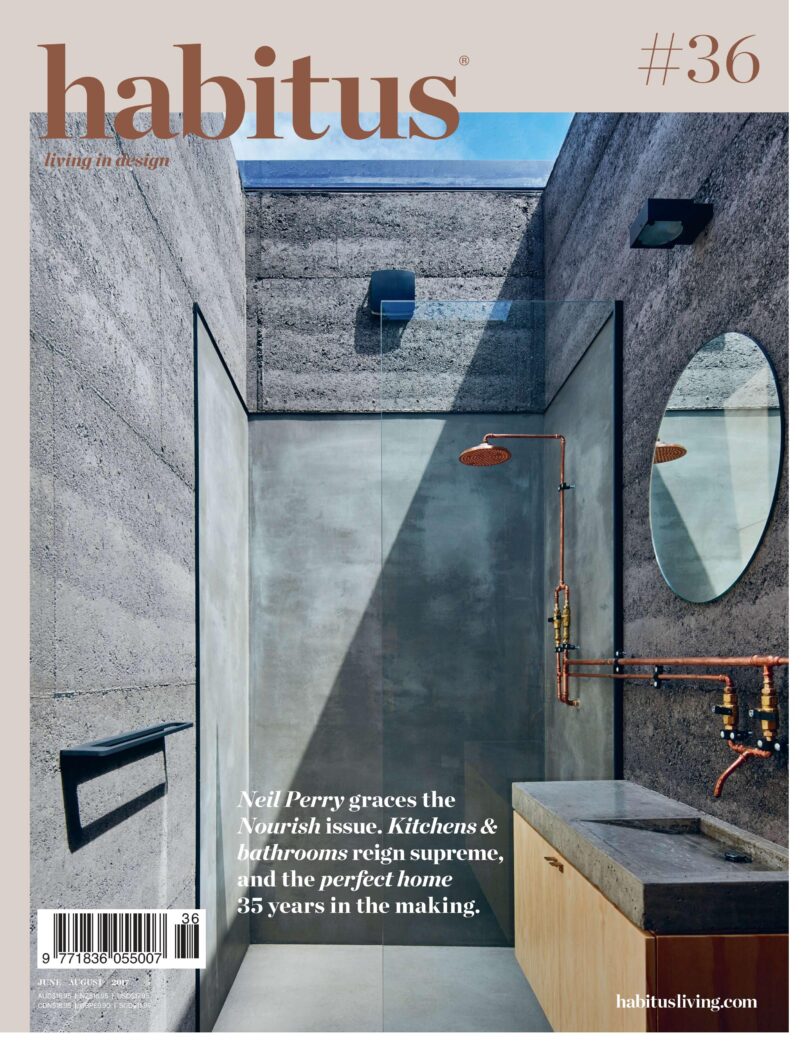
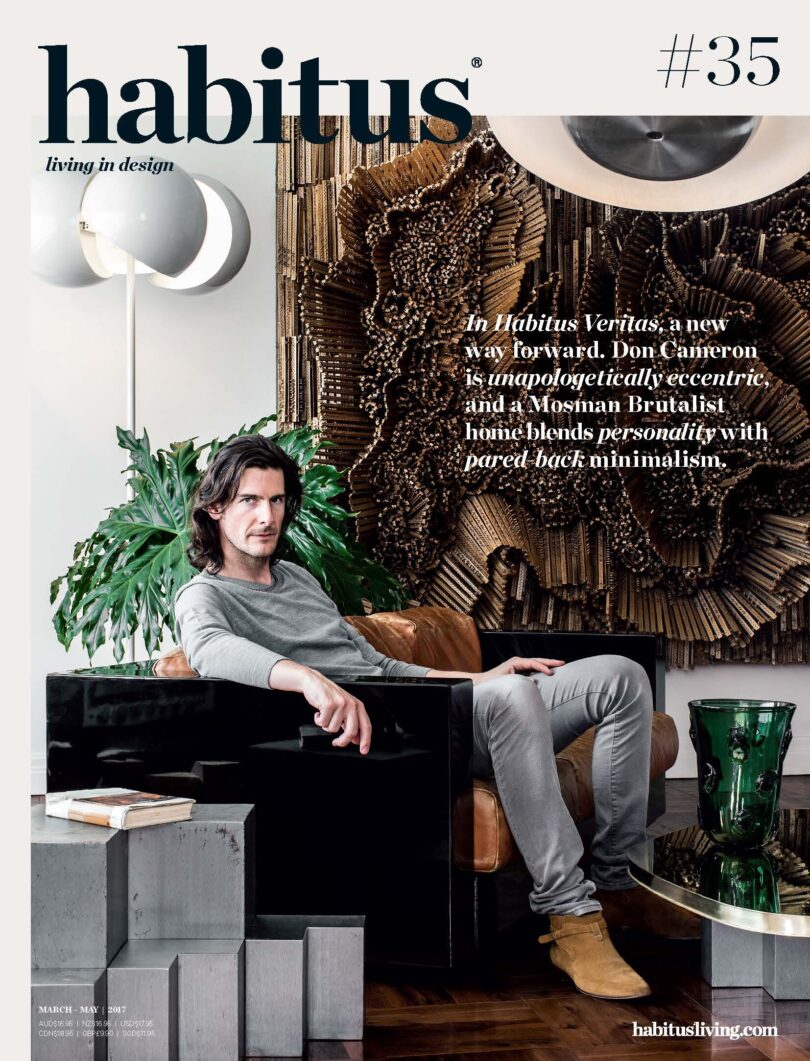
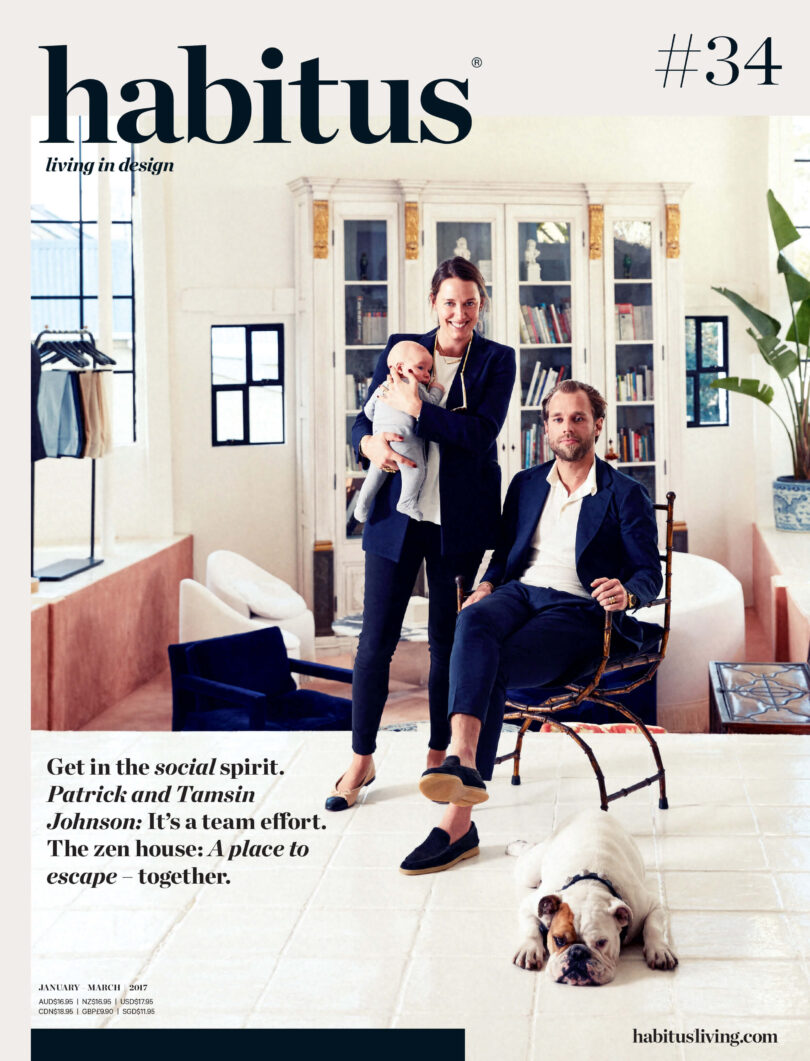
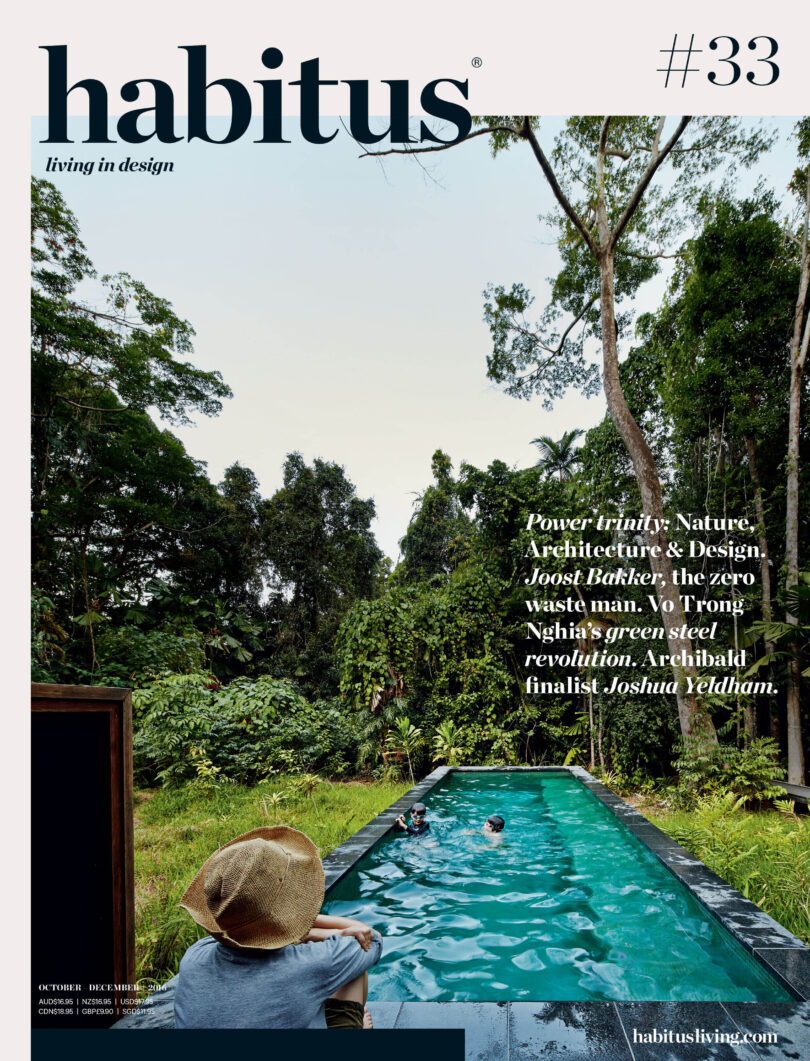
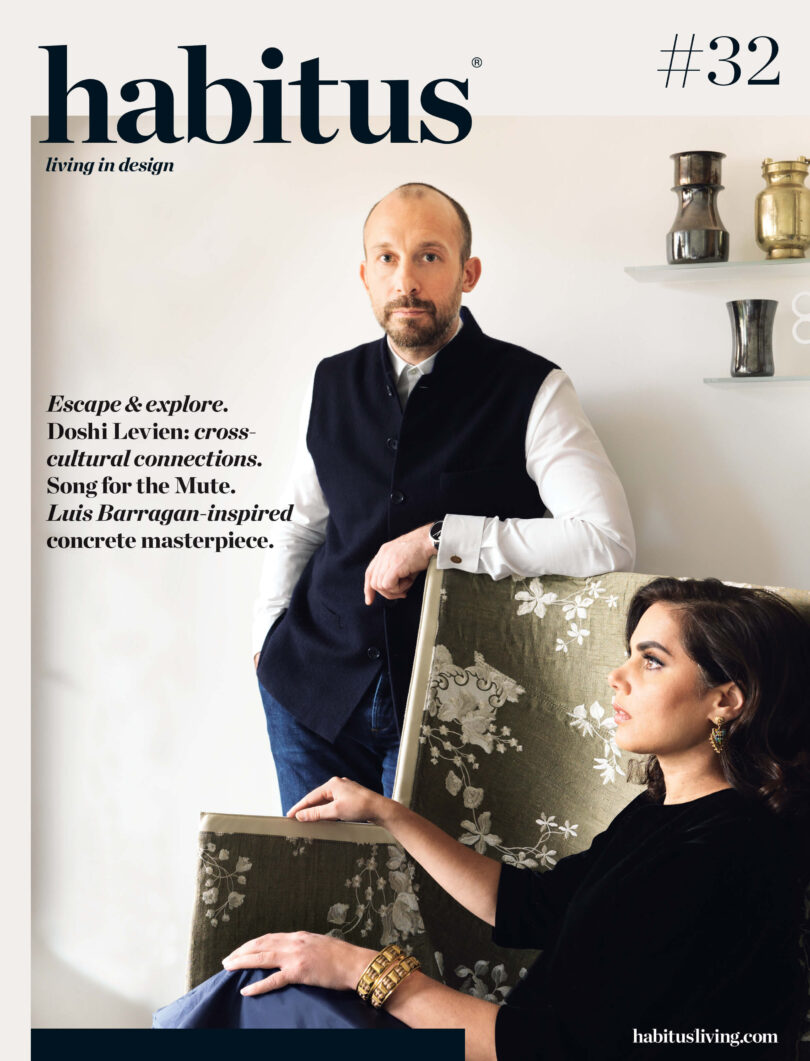
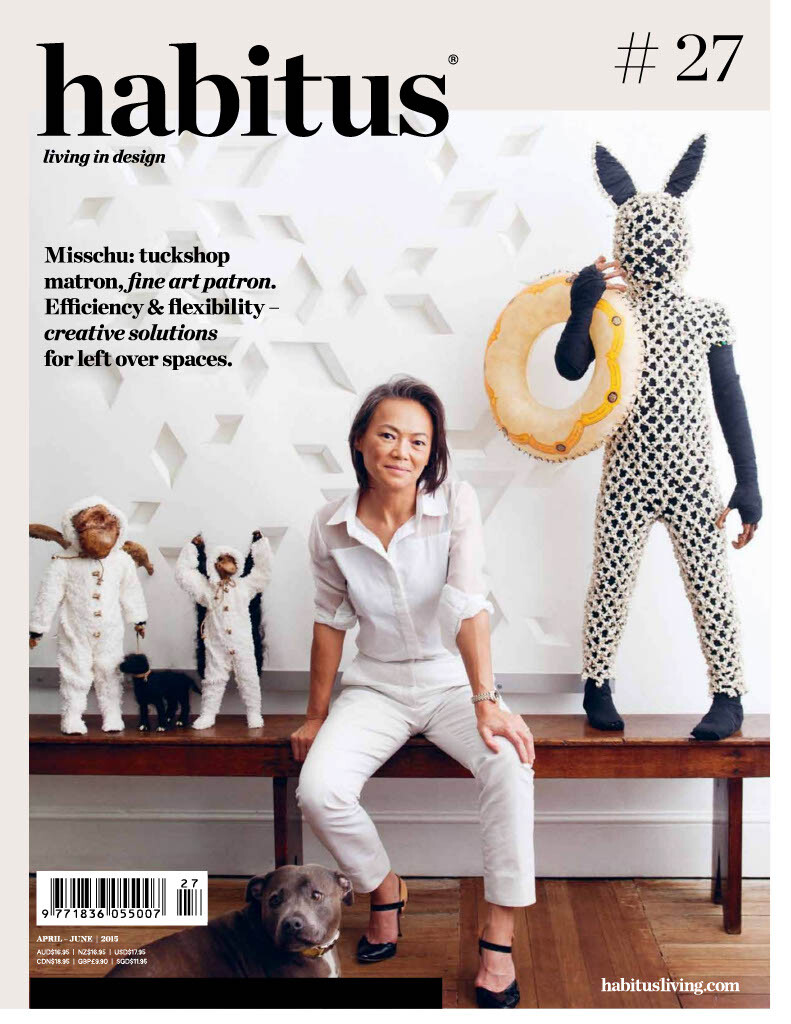
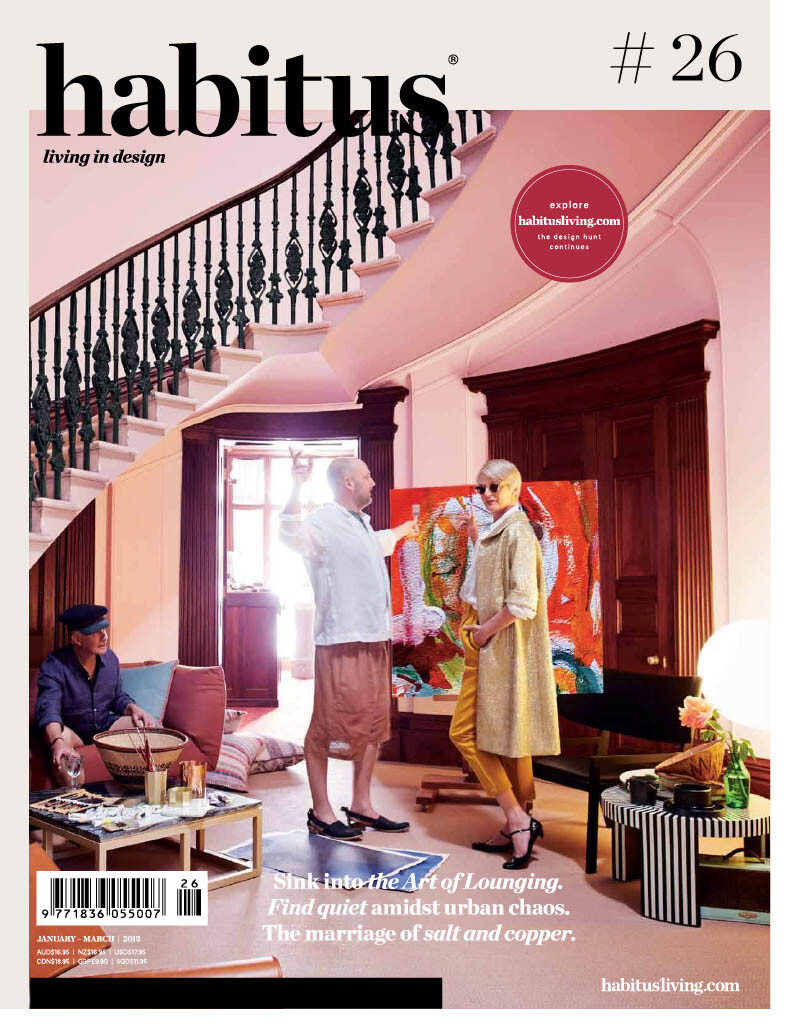
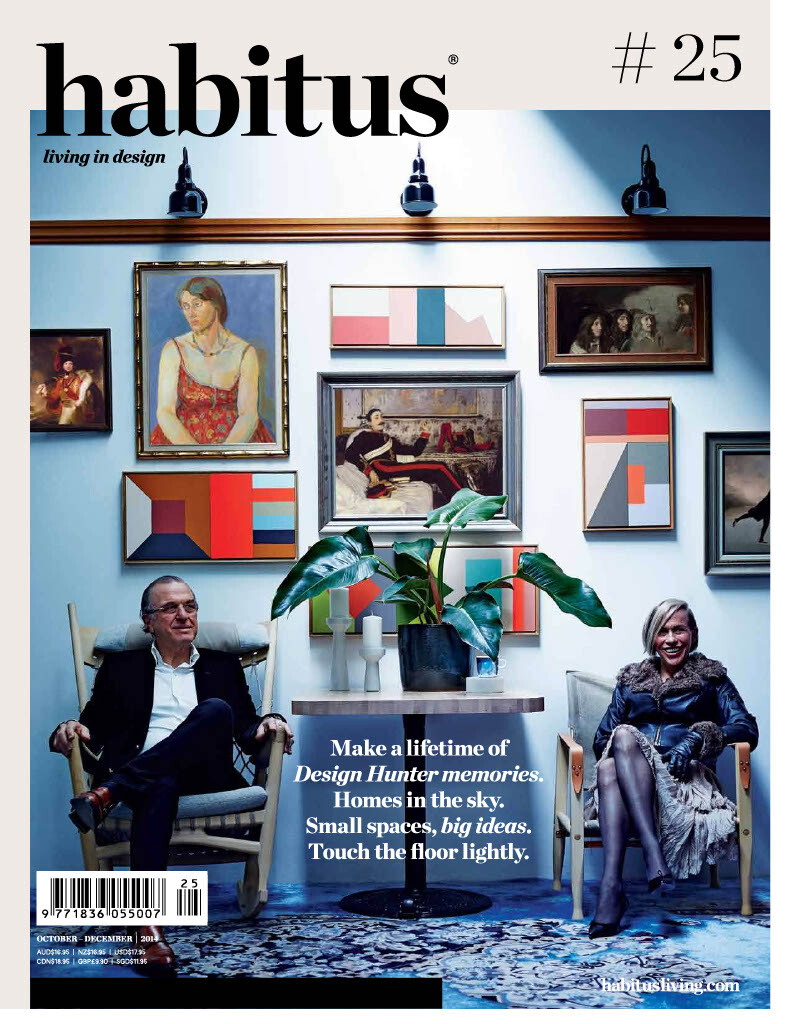
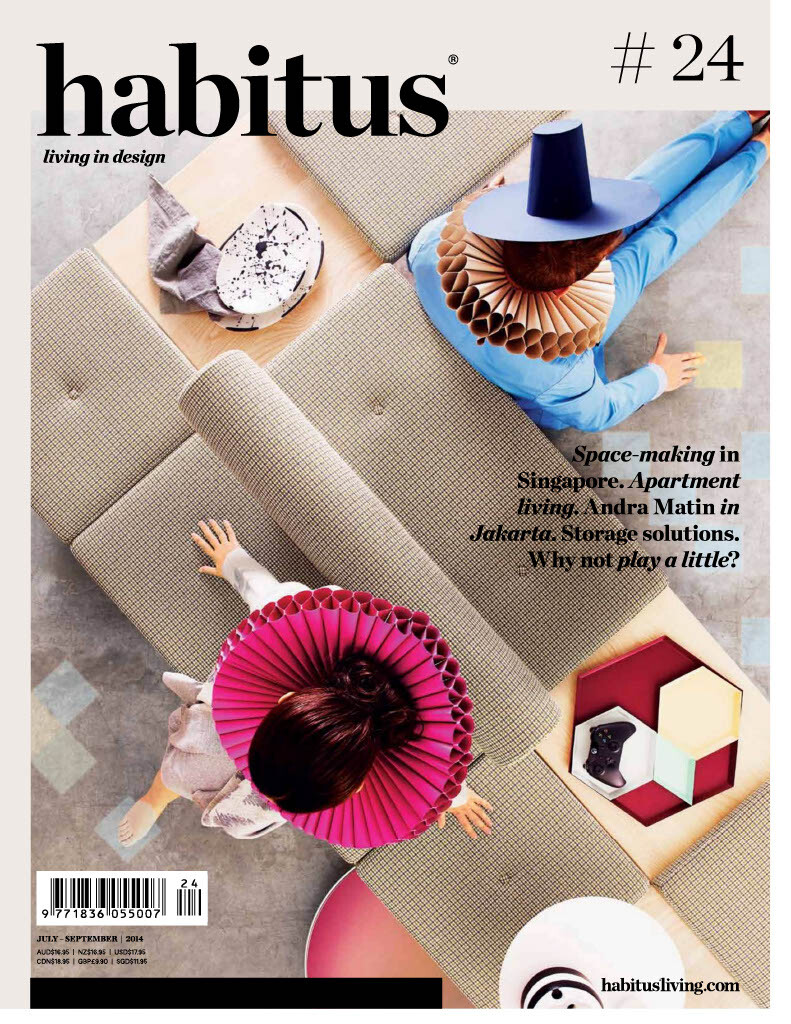
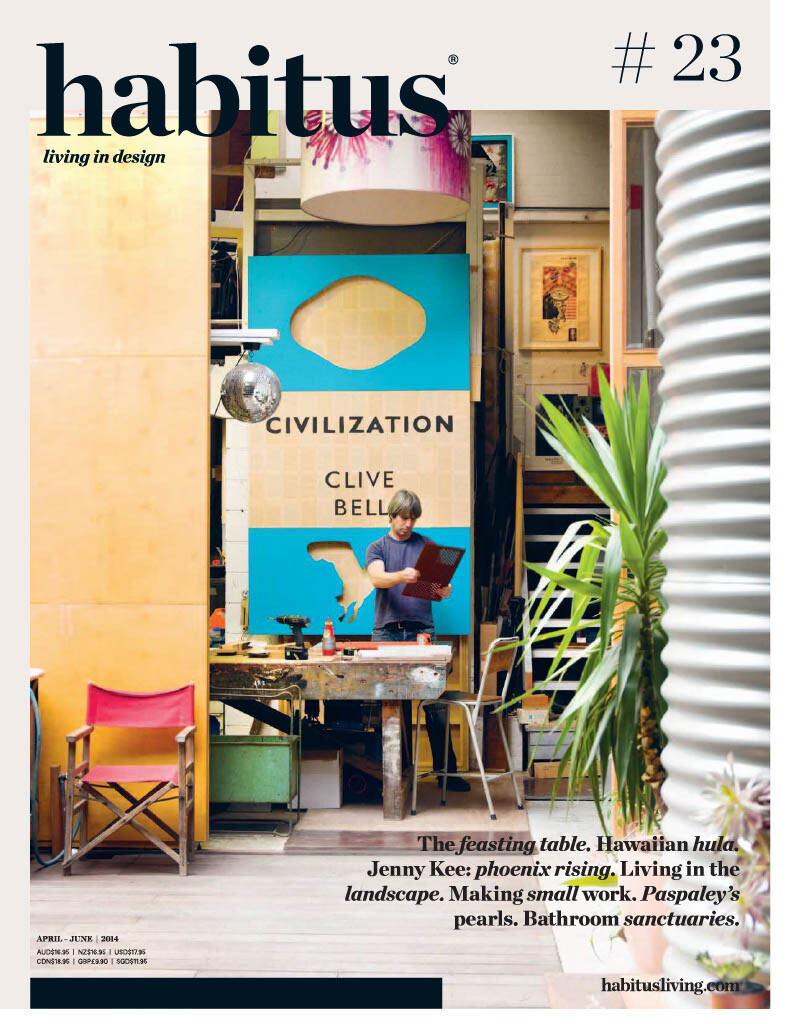
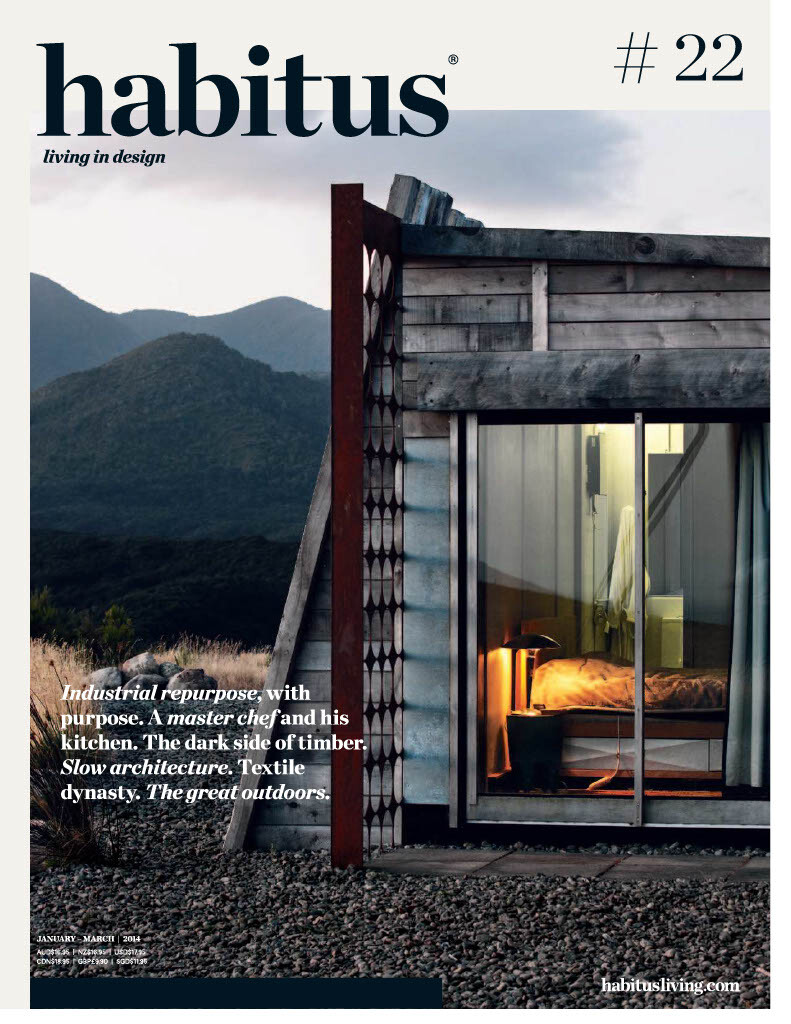
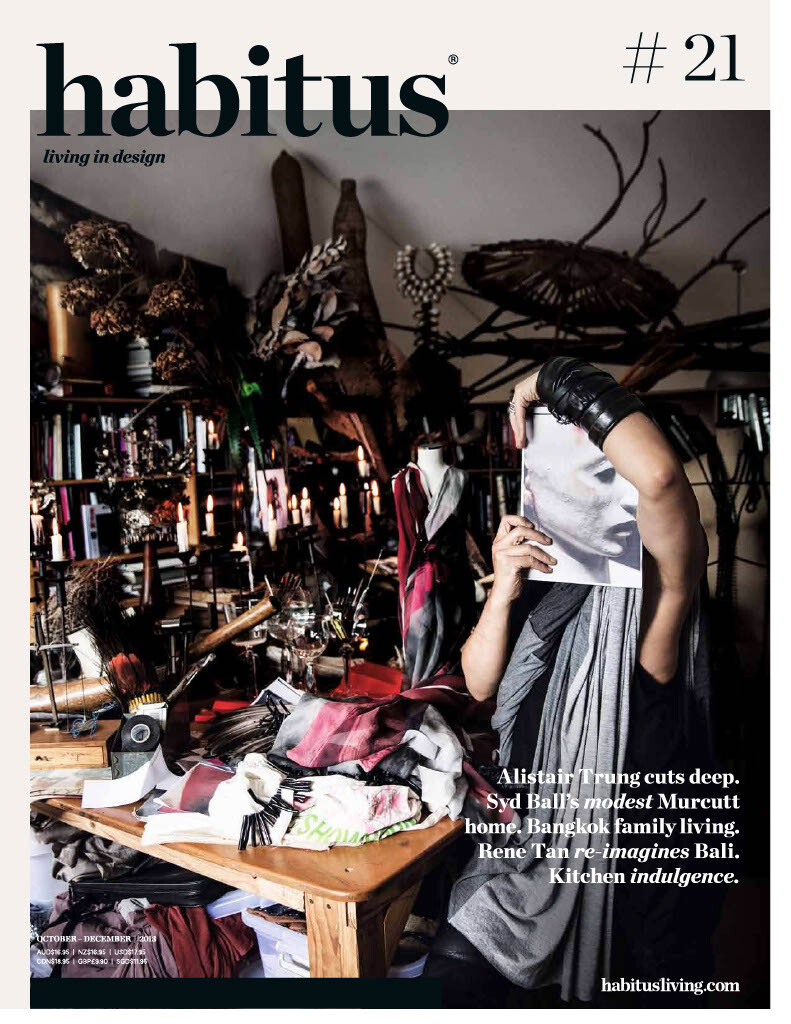
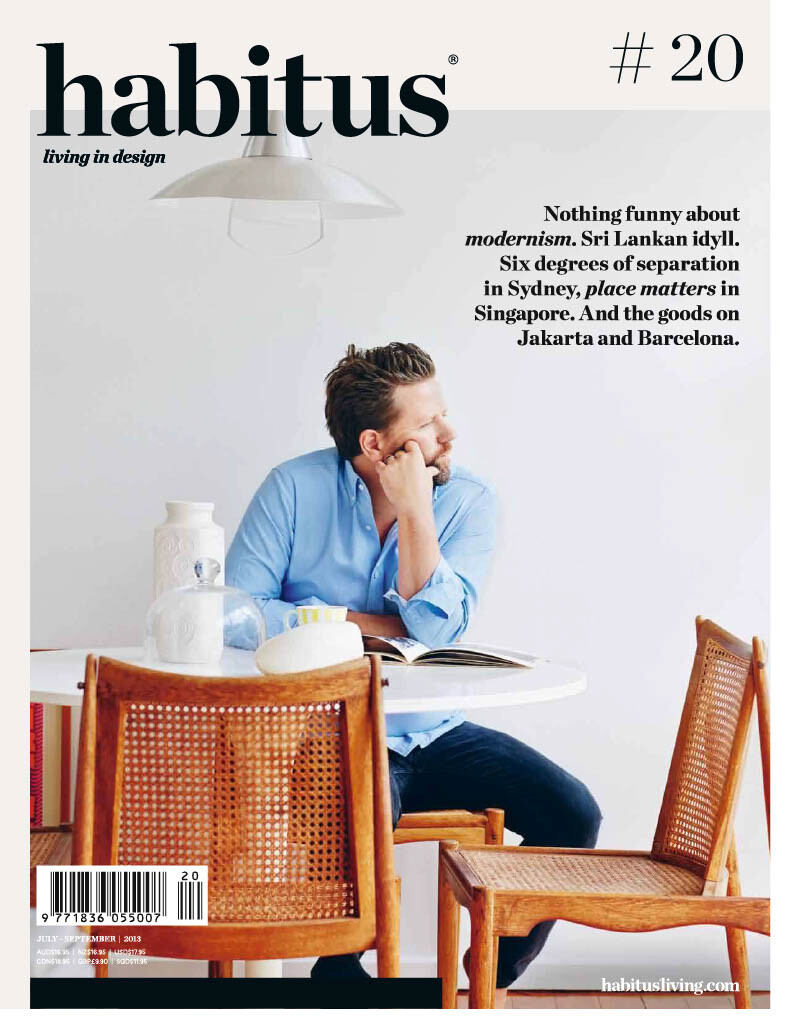
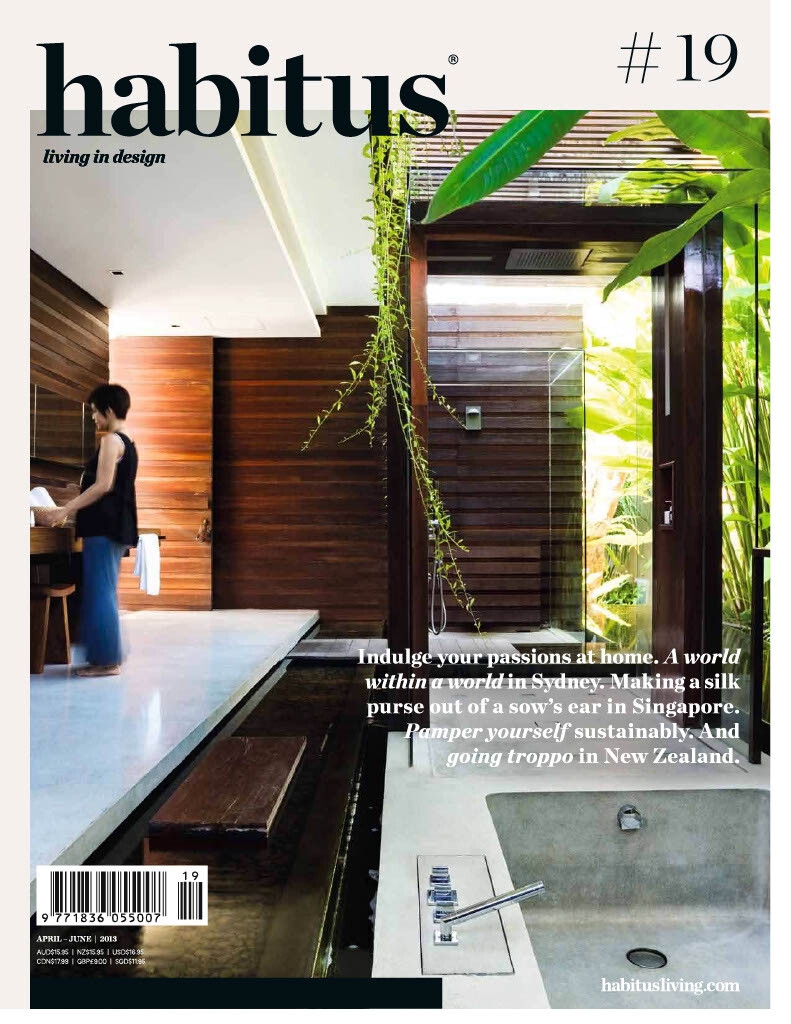
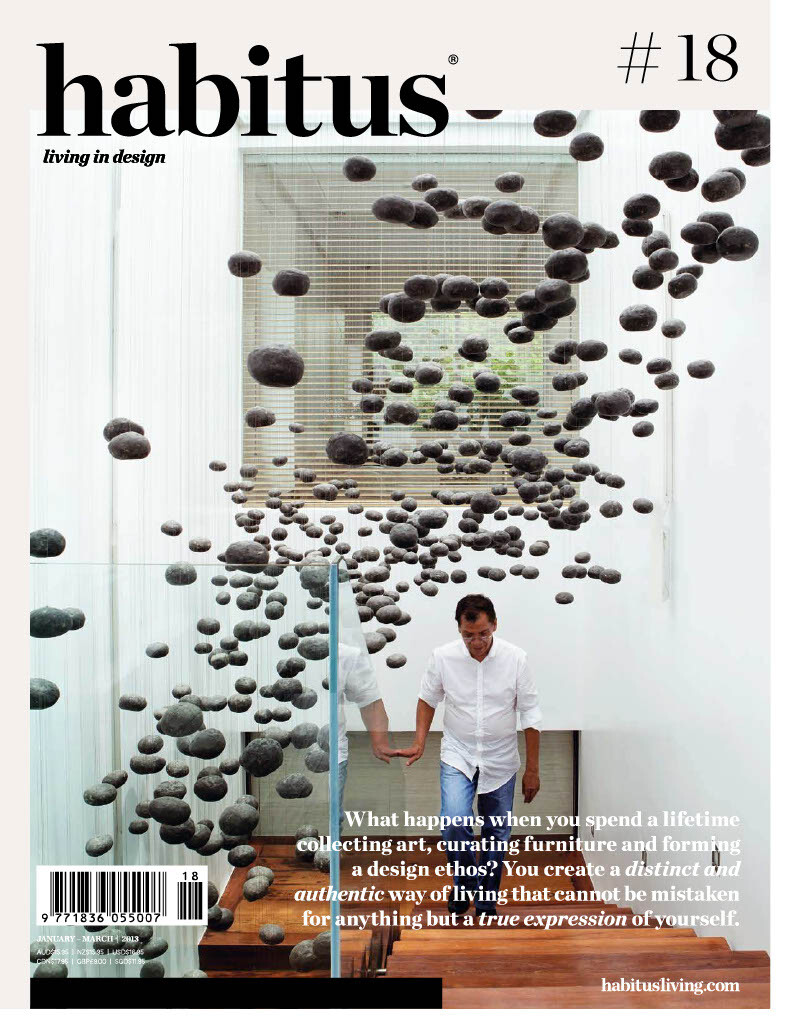
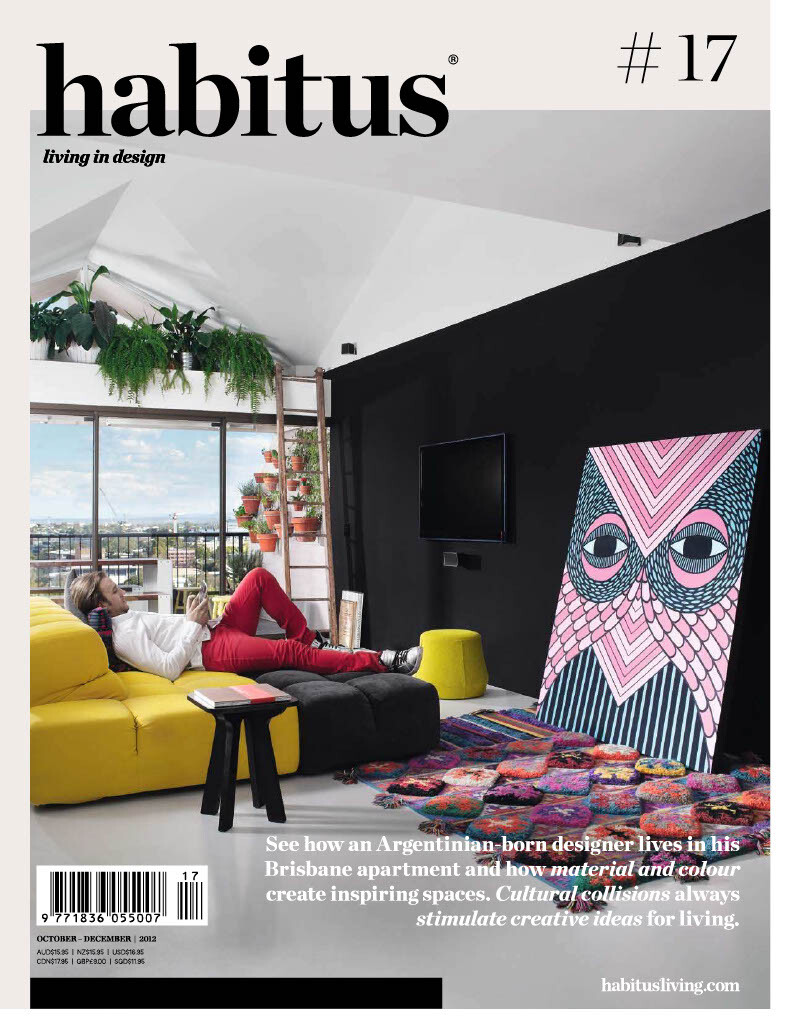
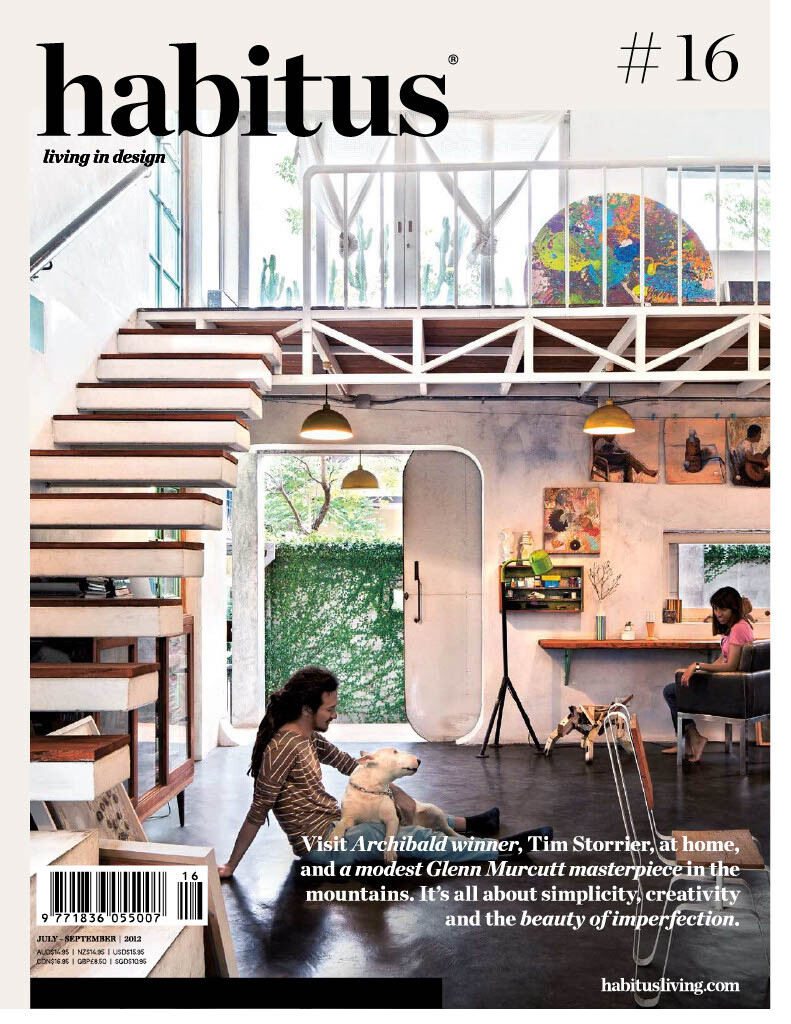
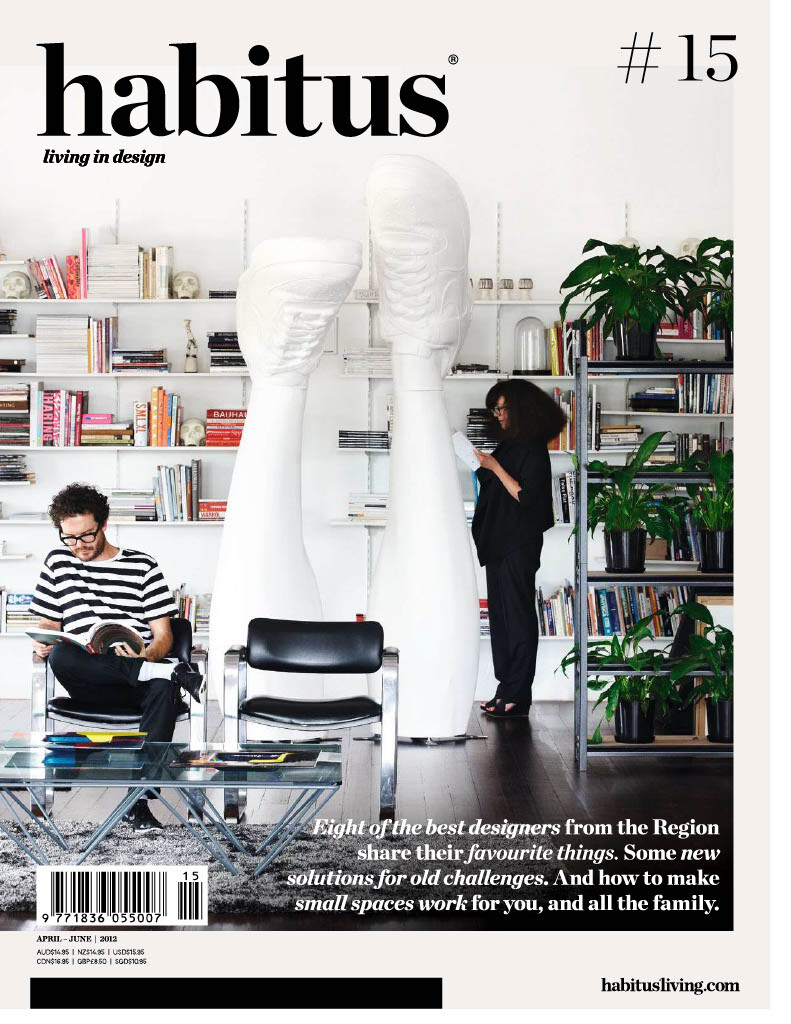
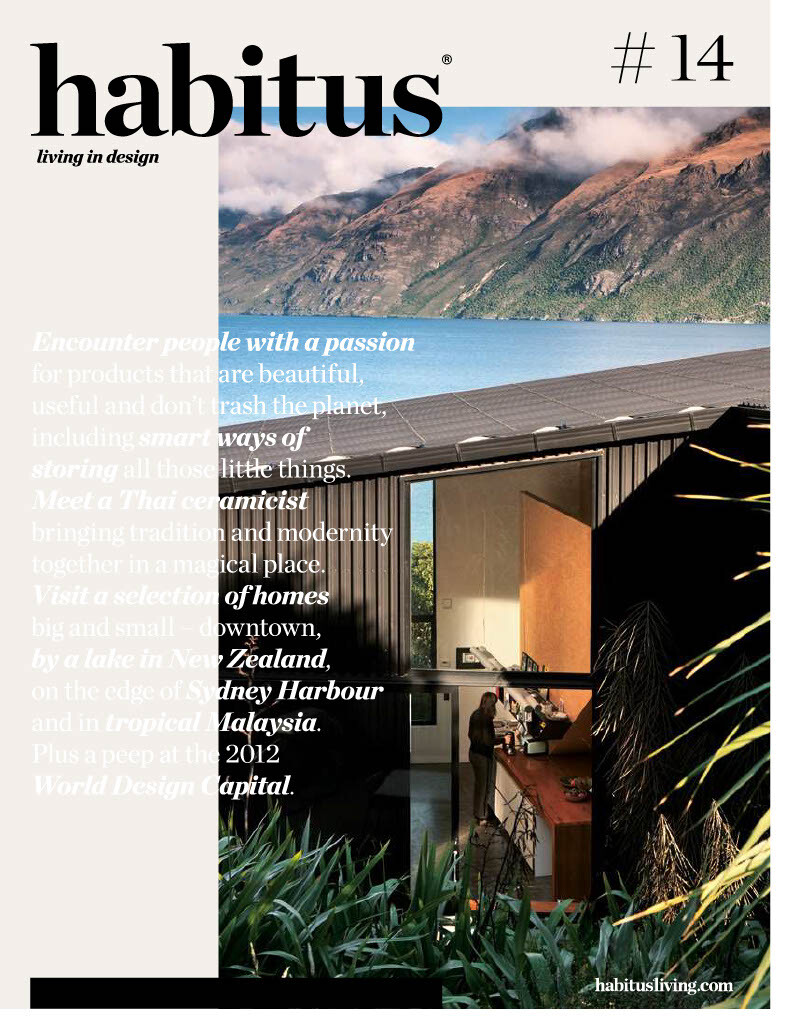
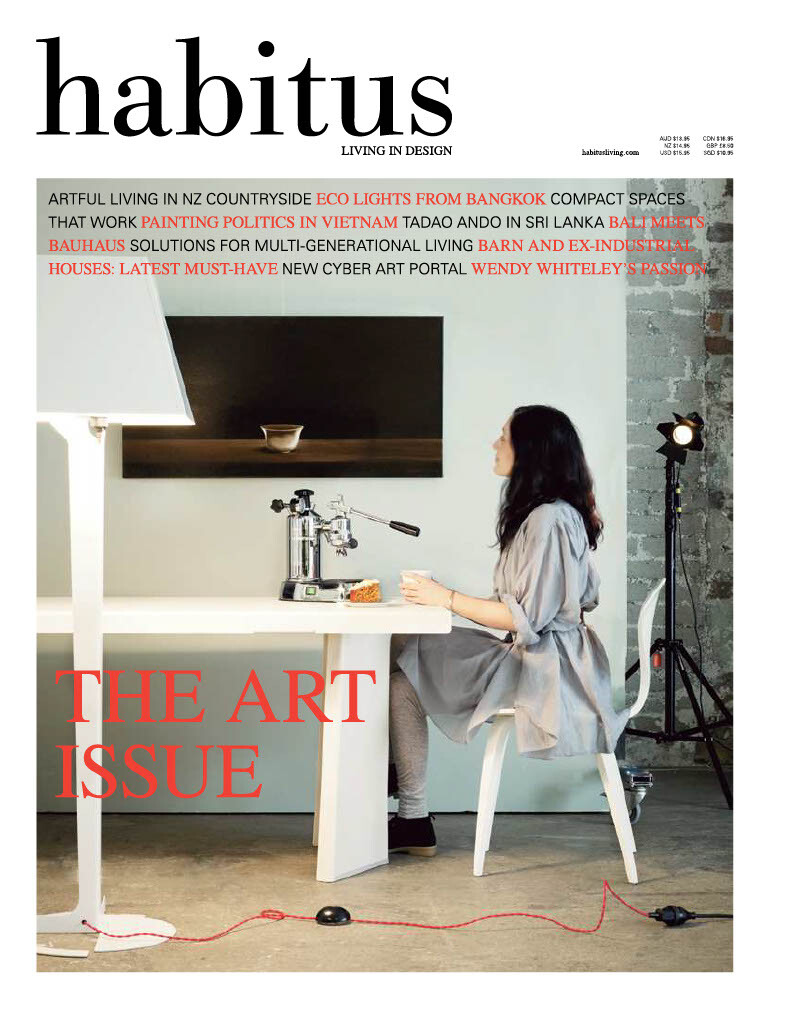
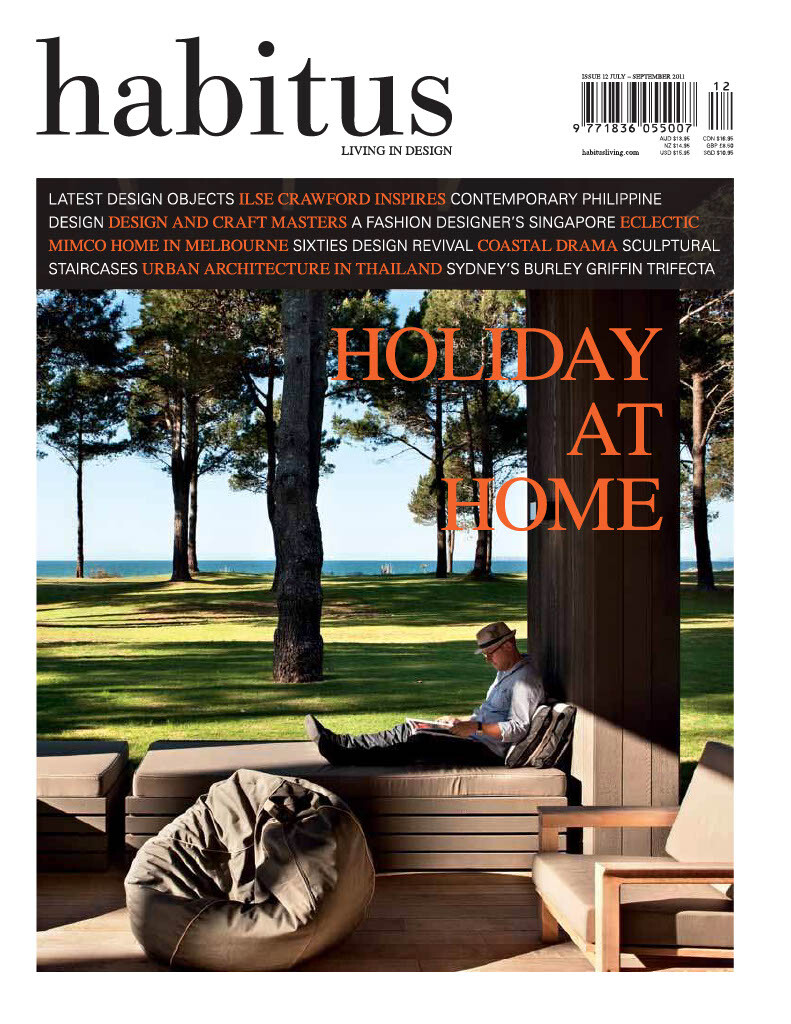
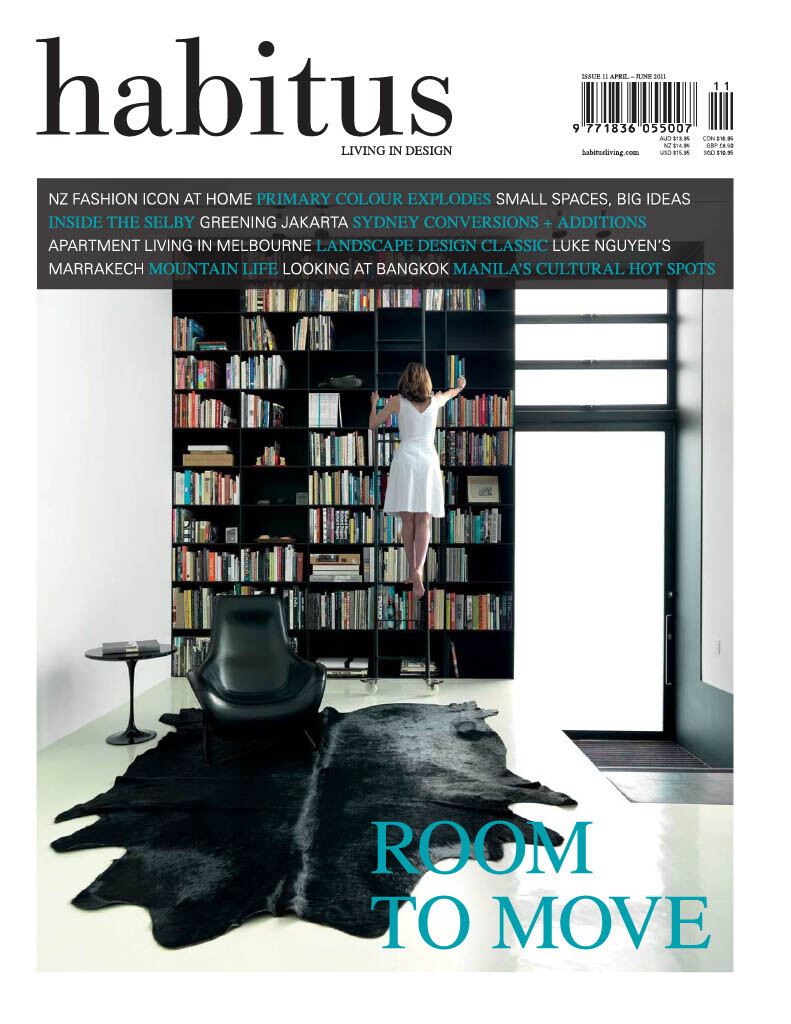
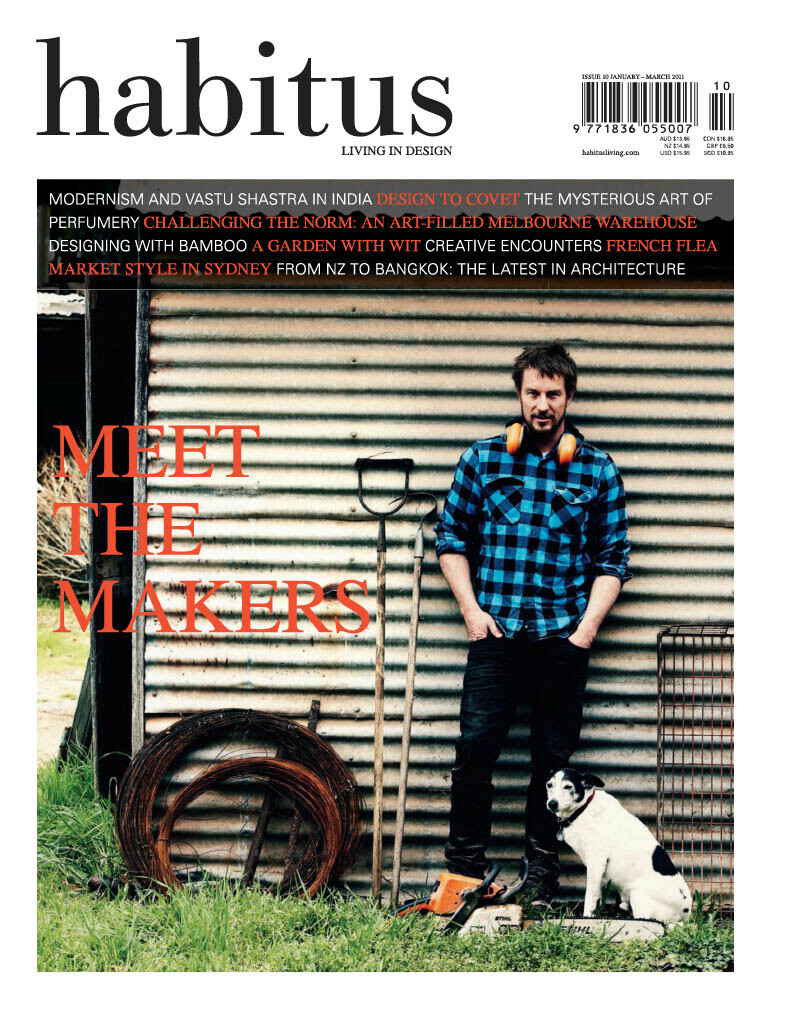
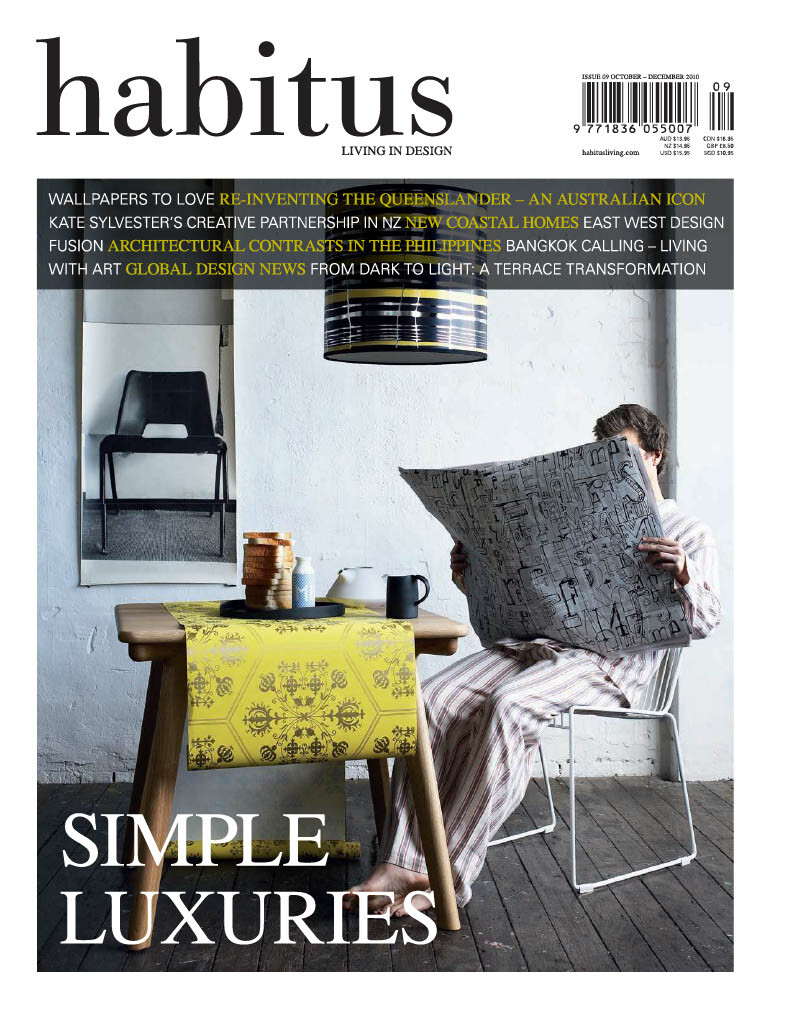
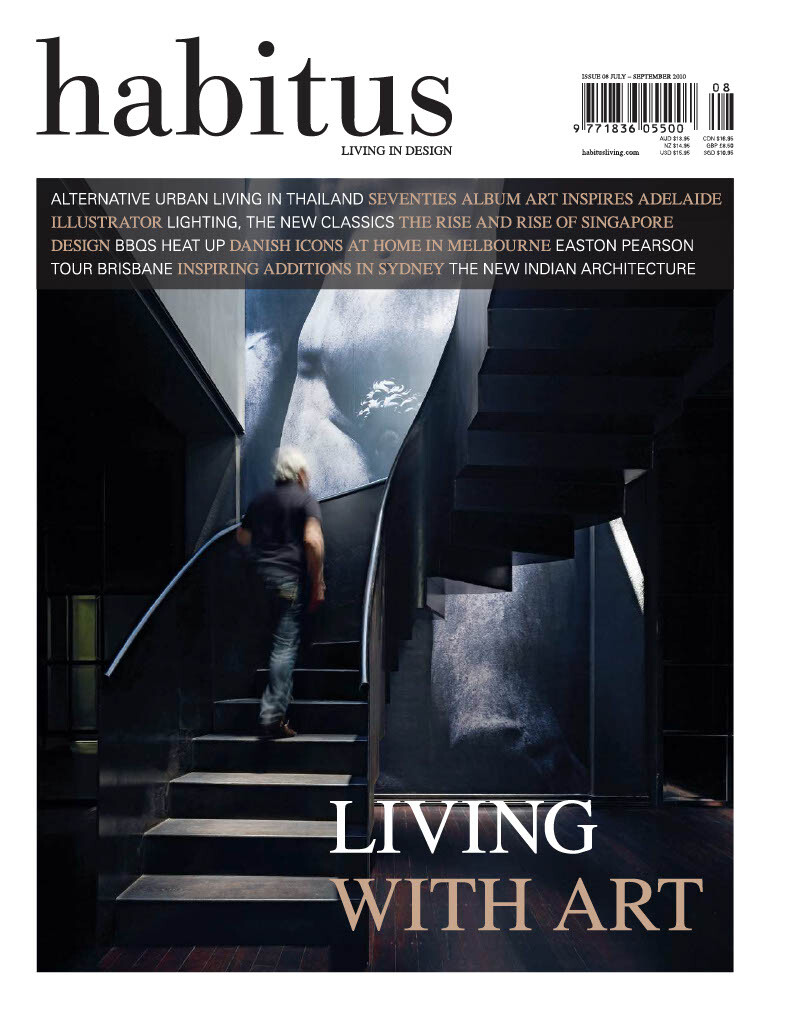
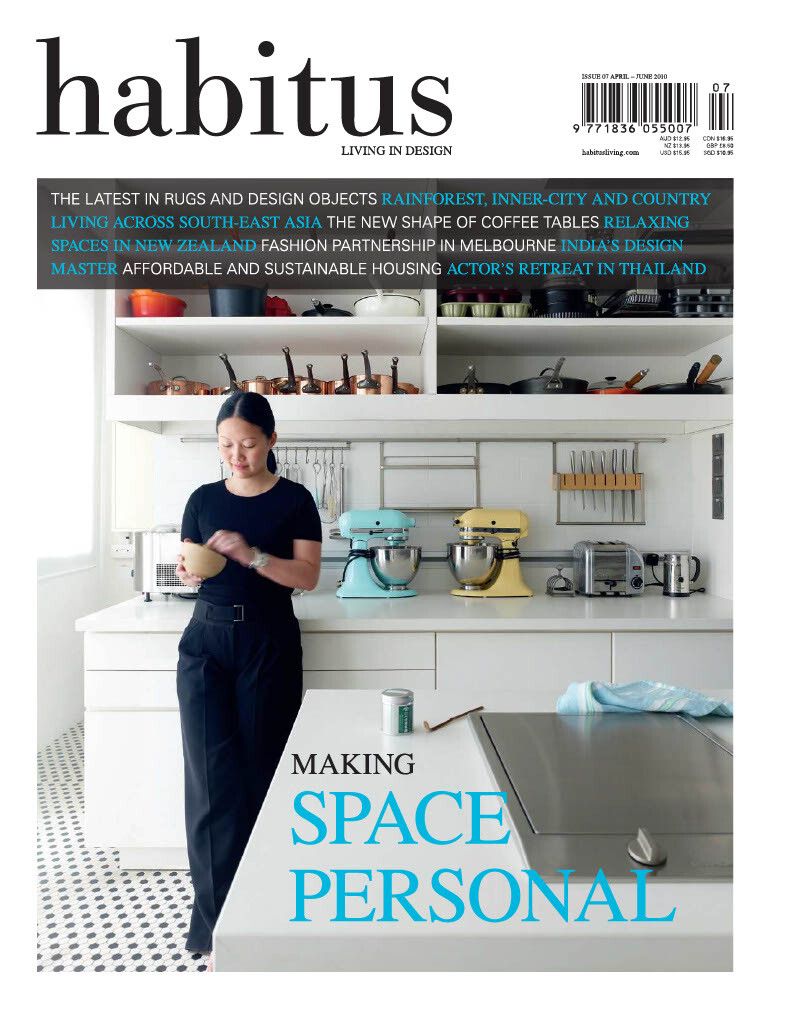
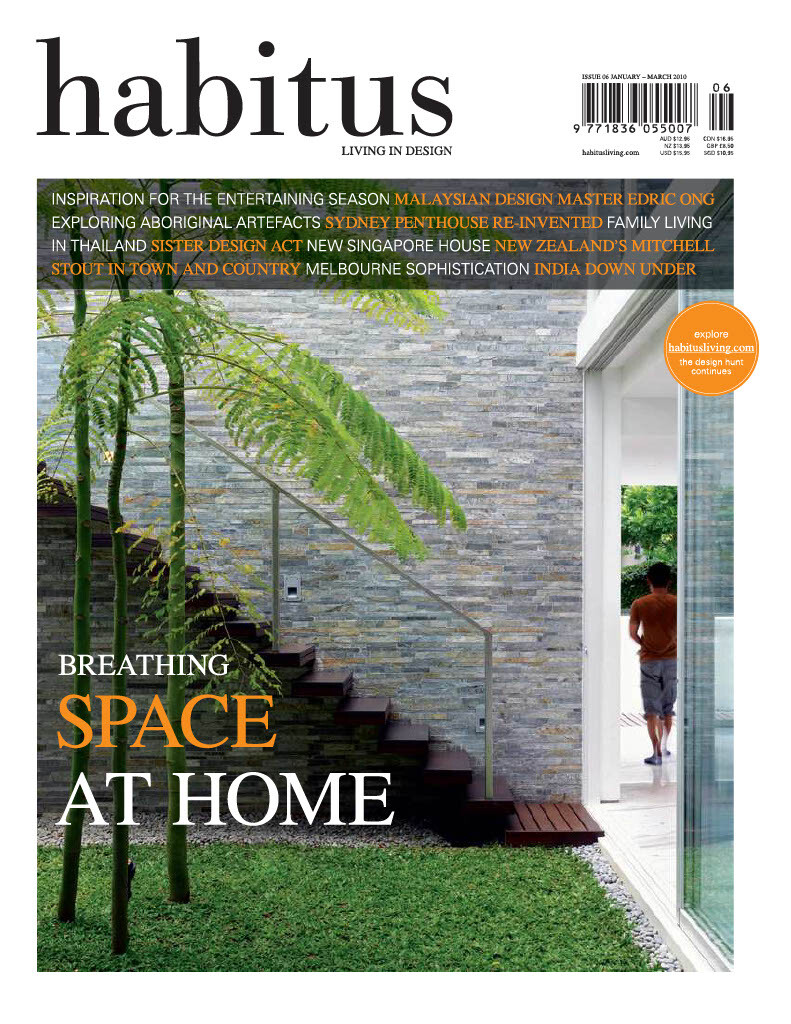
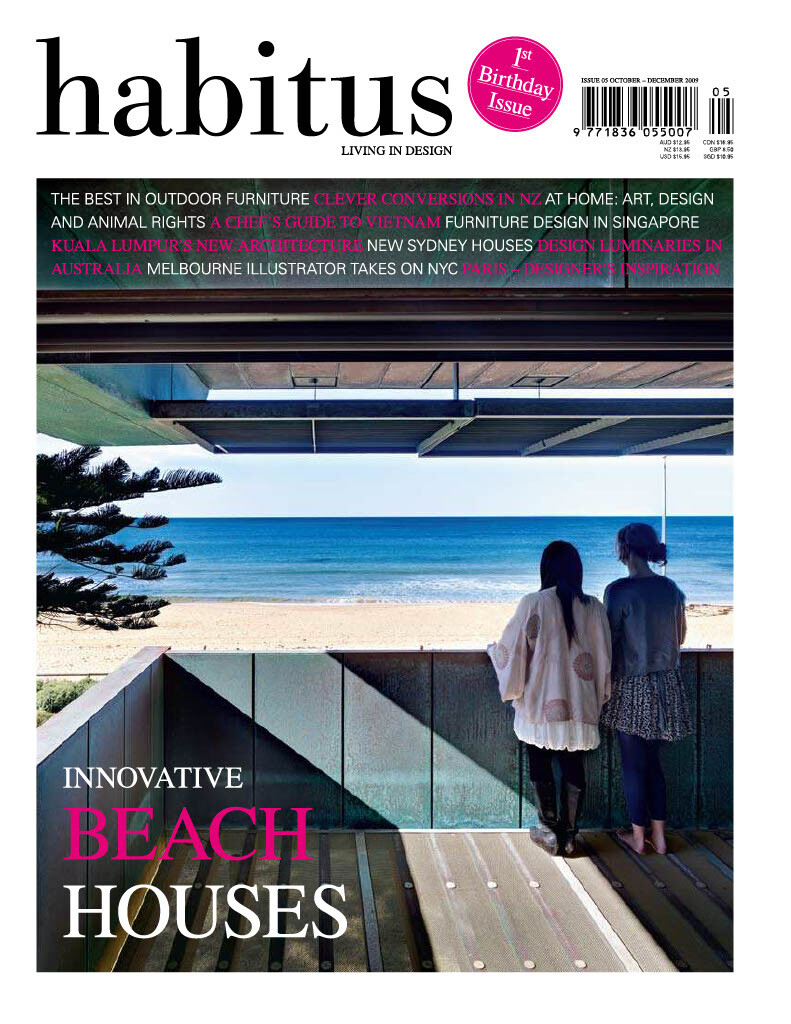
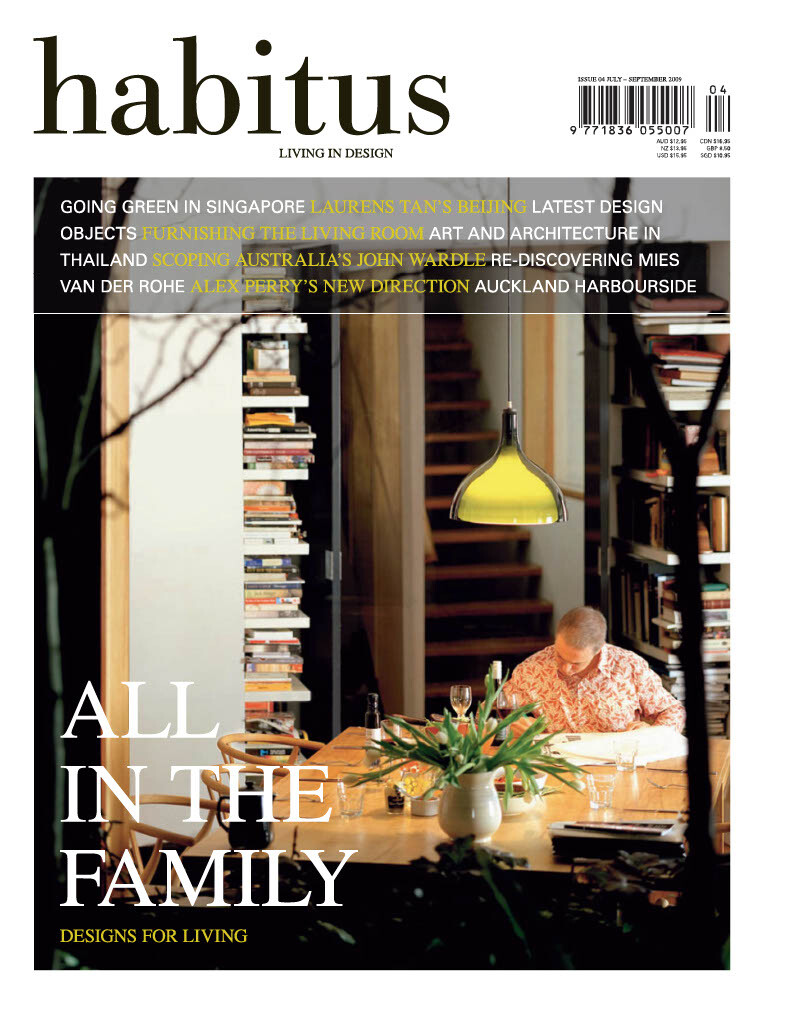
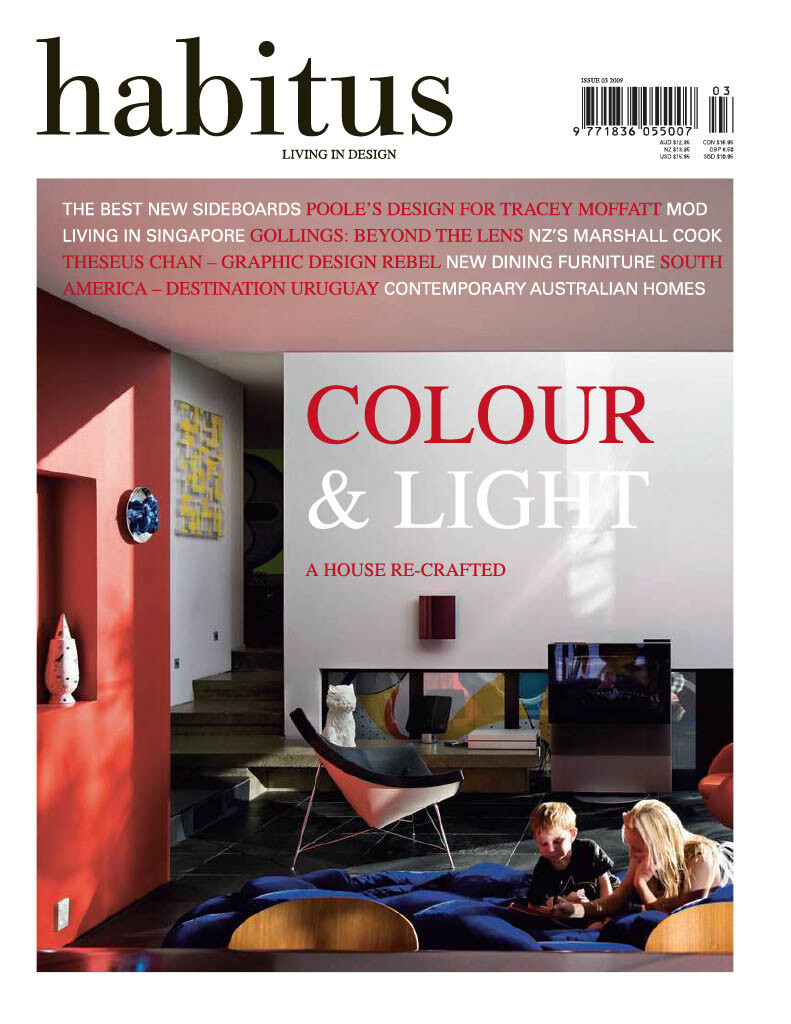
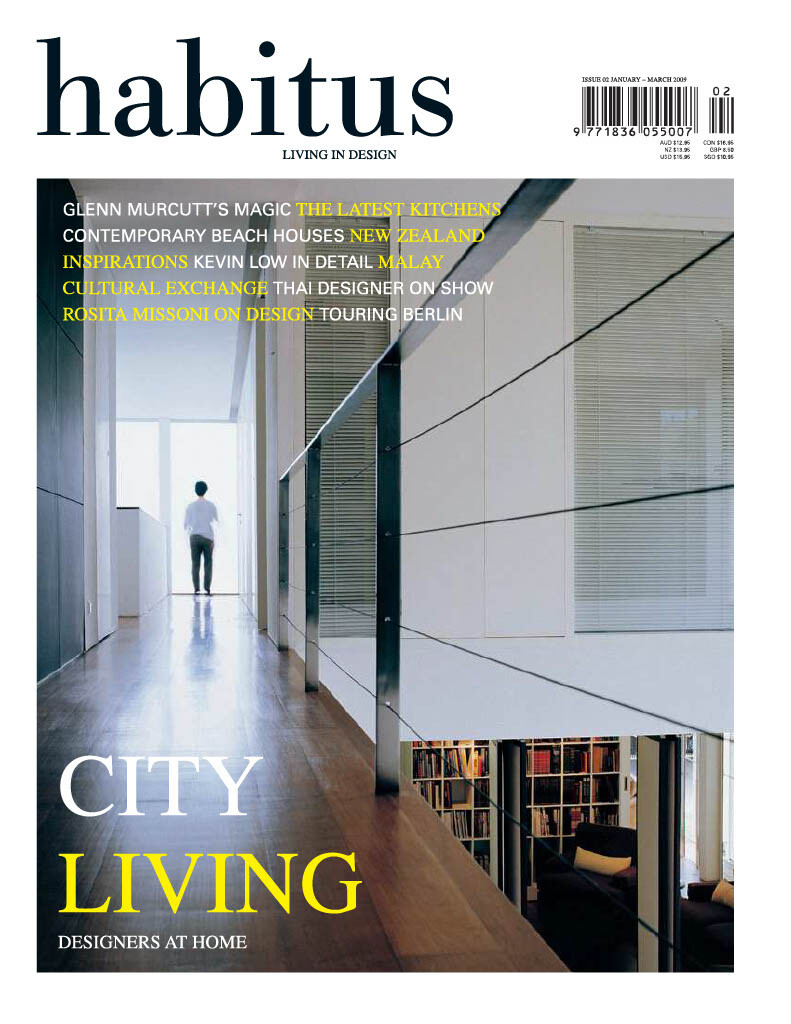
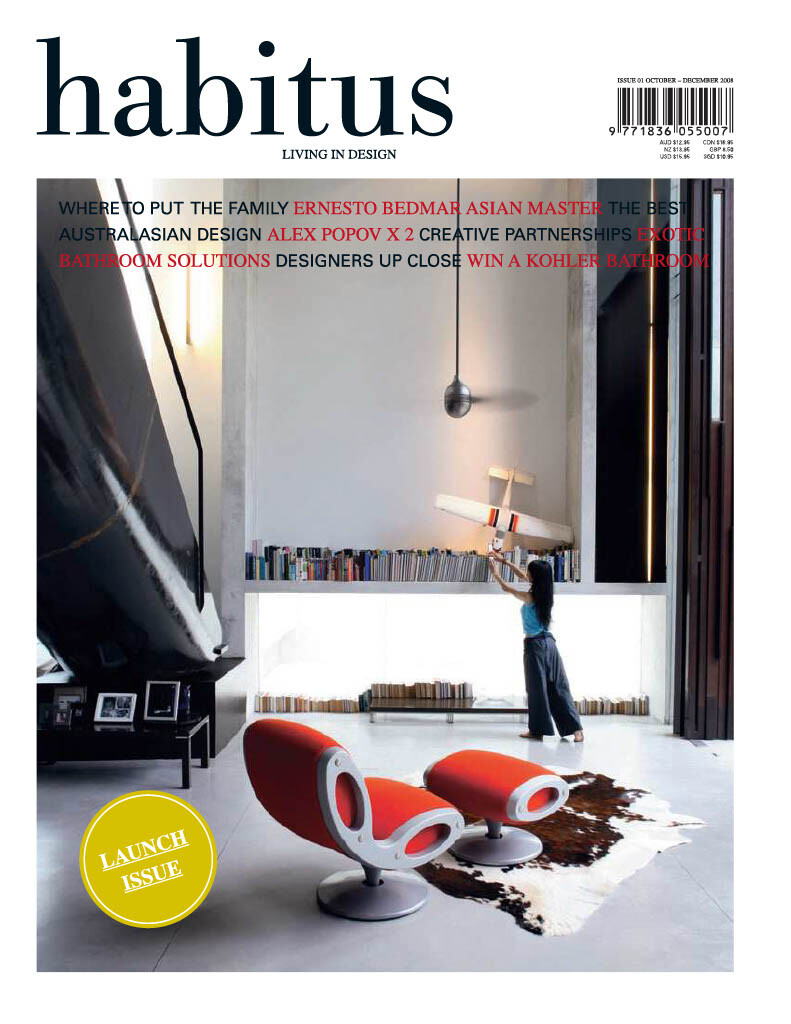
Habitus Magazine is the Asia Pacific authority of choice for Design Hunters® looking for the special in design and architecture and products, providing an exclusive view into the regions most beautiful homes.
Subscribe Now