
Please Note: By submitting this form you will be added to the Habitus Living mailing list.
Patrick Schumacher, educator, author and company director/ senior designer at Zaha Hadid Architects (ZHA), wrote an essay-length Facebook post earlier this year called ‘In Defense of Stars and Icons’, in which he addressed this condescending attitude towards those we label ‘icons’.
Schumacher argued that the architecture produced by ZHA, which is often deemed iconic (and not always in a positive way), is the result of a pure methodology. He explained that the sweeping forms that are characteristic of many of the practice’s projects are merely a side effect of a functional approach, which aims to adapt the building to complex site conditions.
I am reminded of an interview I did a few years ago with Australian fashion designer Alistair Trung, where he talked about his work being called avant-garde. “It’s actually just common sense,” he told me, “but the whole world is so upside down that anything common sense is avant-garde.”
It’s a fair point they make. We often dismiss things that look different, either because it’s perceived to be too hard to understand, or we don’t have the time to understand it properly. Which leaves us with a tendency to judge on a purely aesthetic or surface level.
However, deeper interrogation takes us to a different plane of thought. Here we can have more meaningful discussion, and critique more intelligently. We may even find that unpacking something that appears complex or unusual reveals something quite simple, something we can understand and relate to.
In this spirit of immersion, we explore the concept of the icon in some depth within this issue. The reason why something or someone is iconic is not just about the aesthetics, although this is the most noticeable aspect (I’ll save the gripe about visual dominance for another day). An icon also represents something larger than itself – an idea, movement or belief.
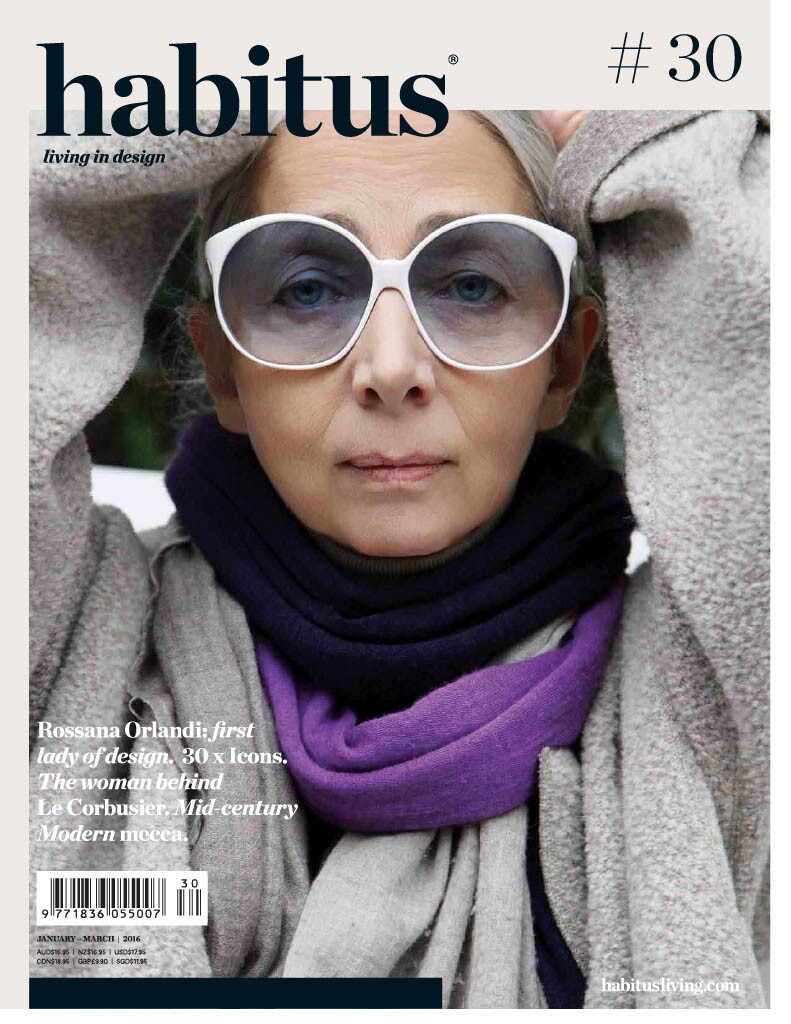
I’m pleased we are featuring some amazing women who achieve this. On page 40, you’ll meet Charlotte Perriand, the great mind behind Le Corbusier’s best-known furniture, who was incurably modern, practical and authentic. Rossana Orlandi on page 57 is vitally independent, embodying a sense of adventure and discovery.
I’ve also particularly enjoyed putting together – with the help of a great many contacts – the 30 x Icons feature on page 81 to celebrate… our 30th issue! To ask someone what they think is iconic provides a hugely interesting insight into their psyche. As for me? I can’t go past The Beatles – standing for equality, peace and love. I know, I know. I’m a hippy.
Nicky Lobo | Editor
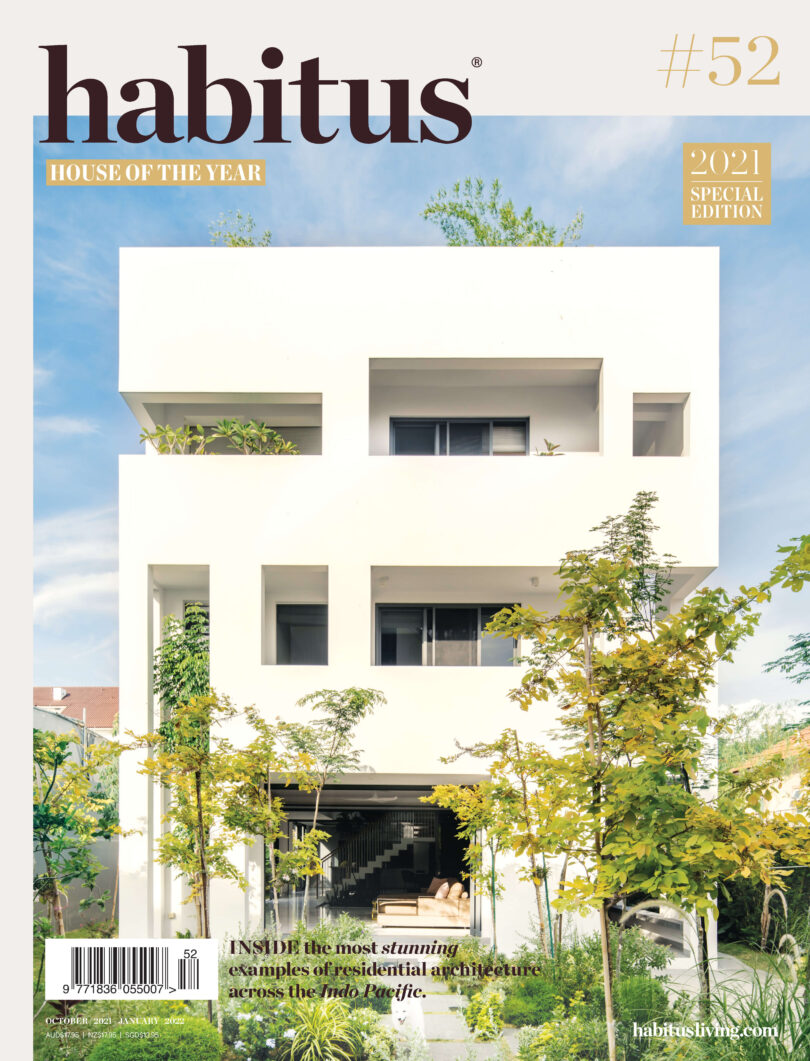
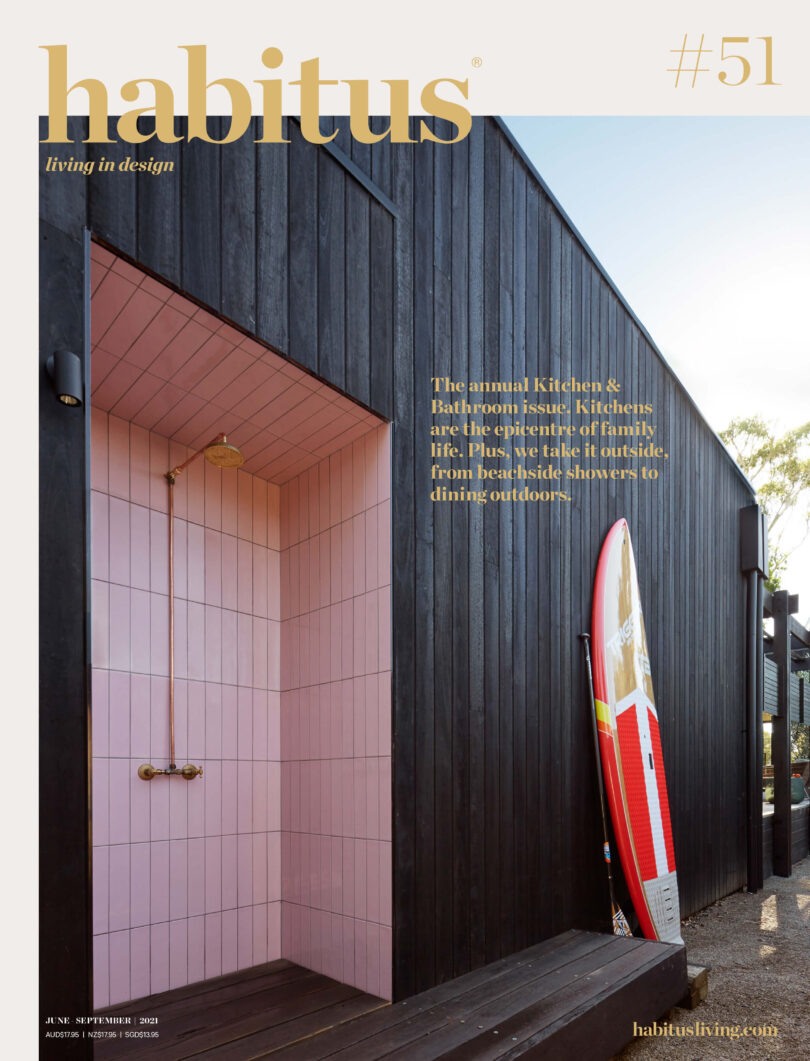
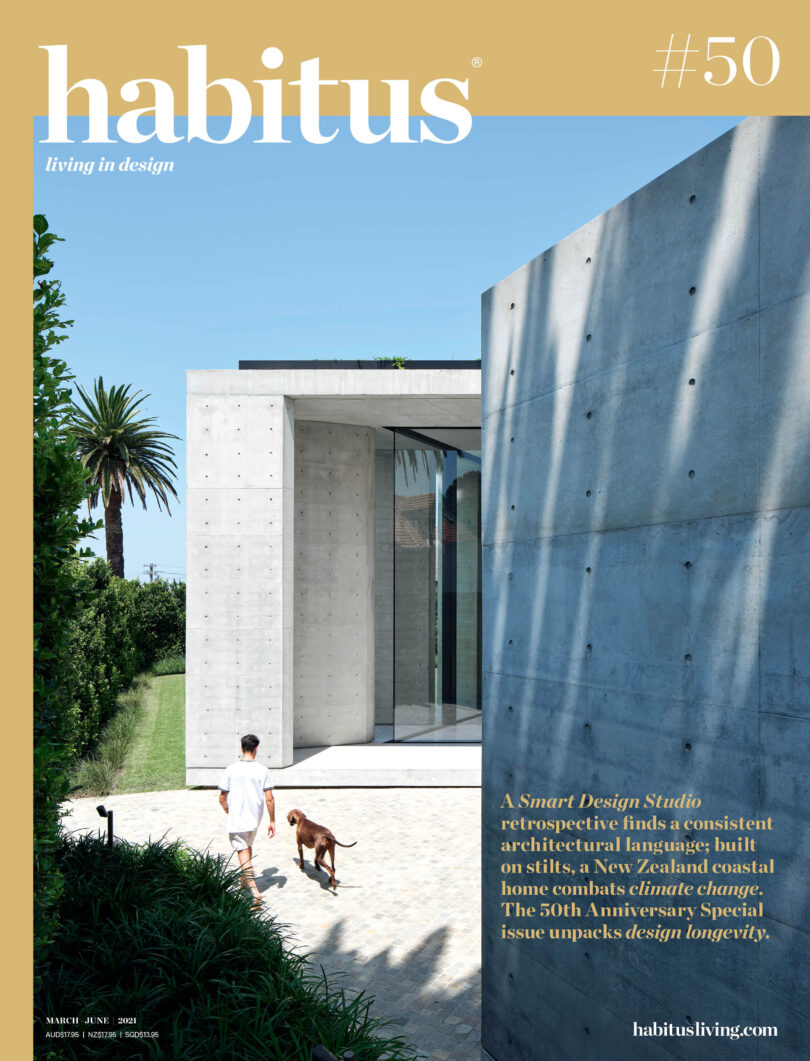
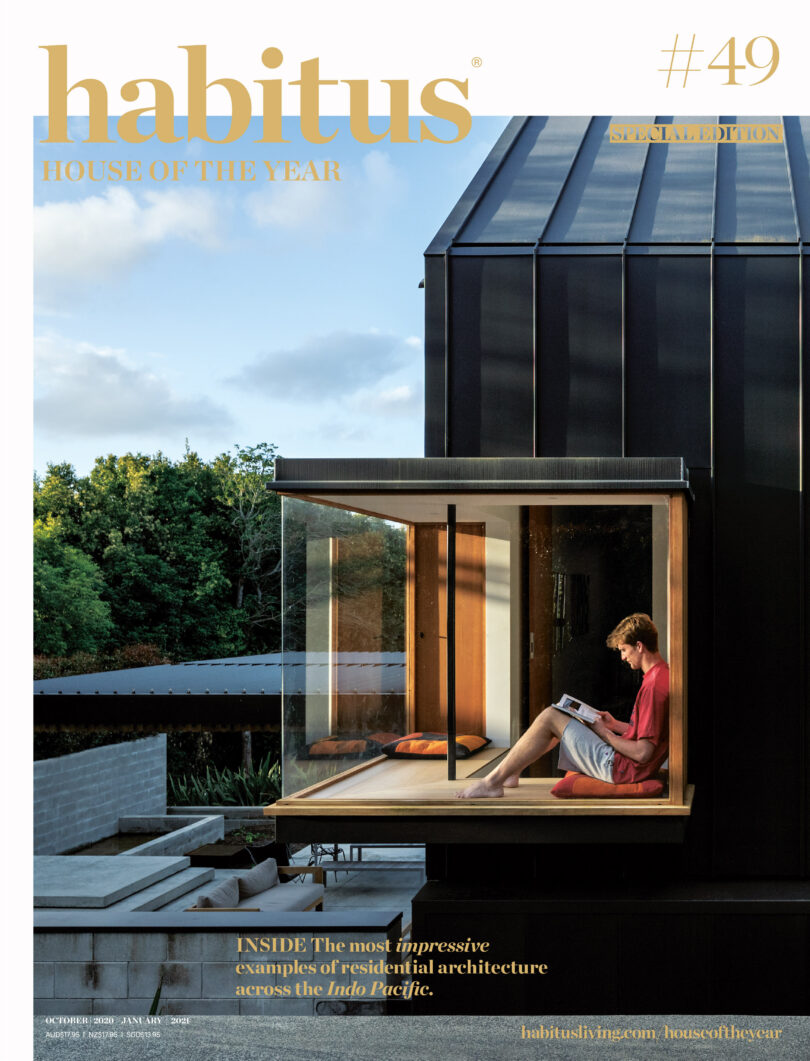
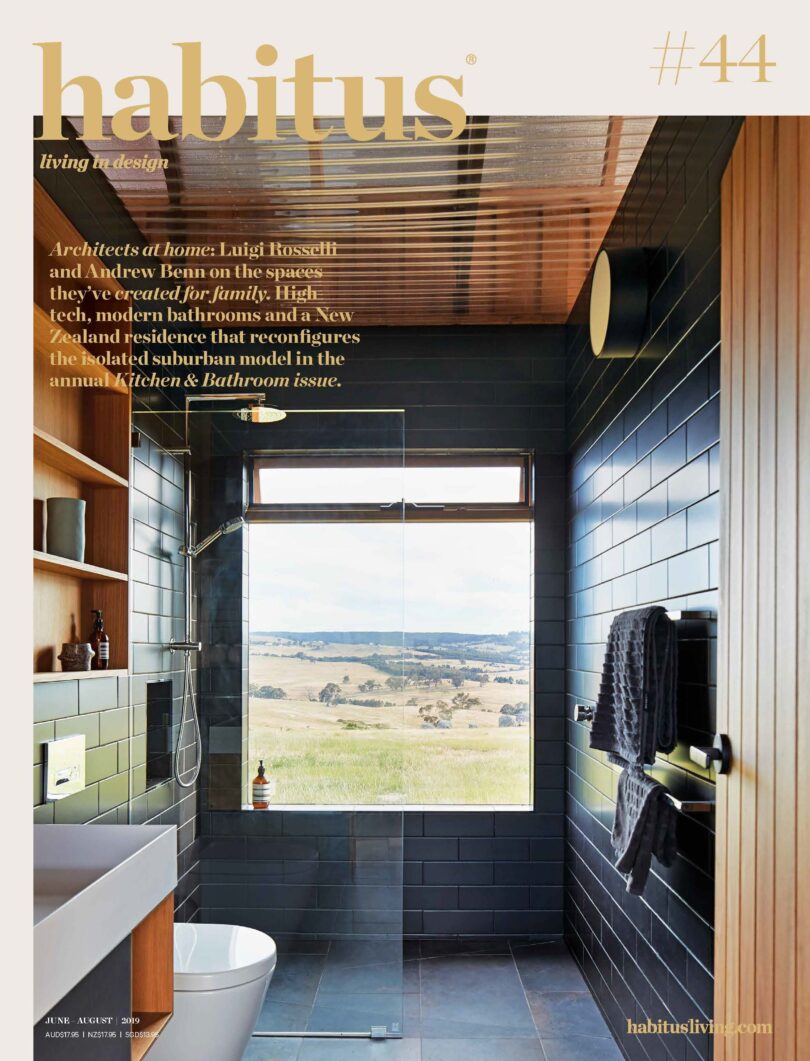
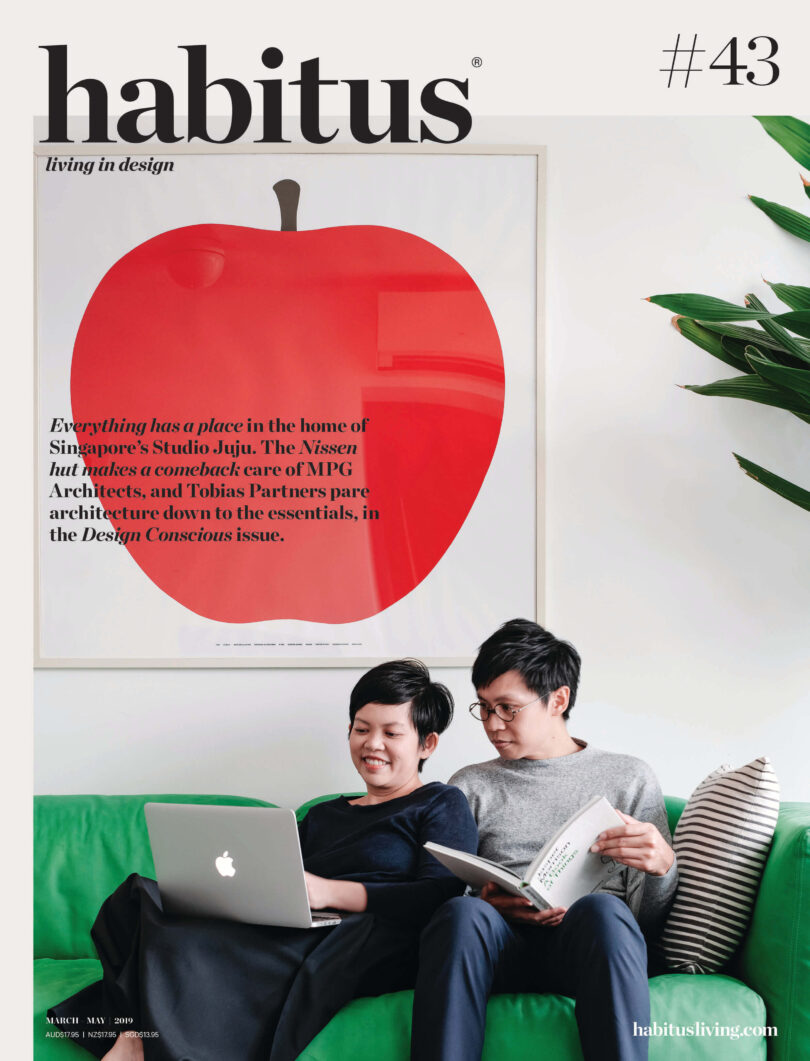
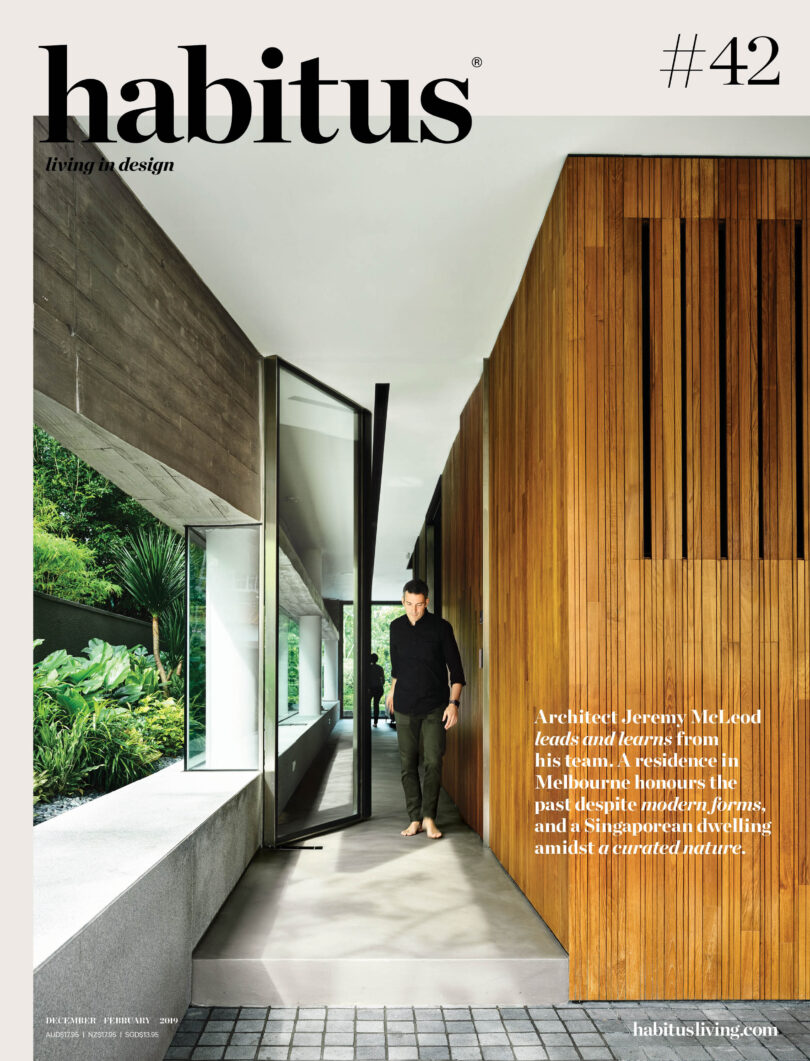
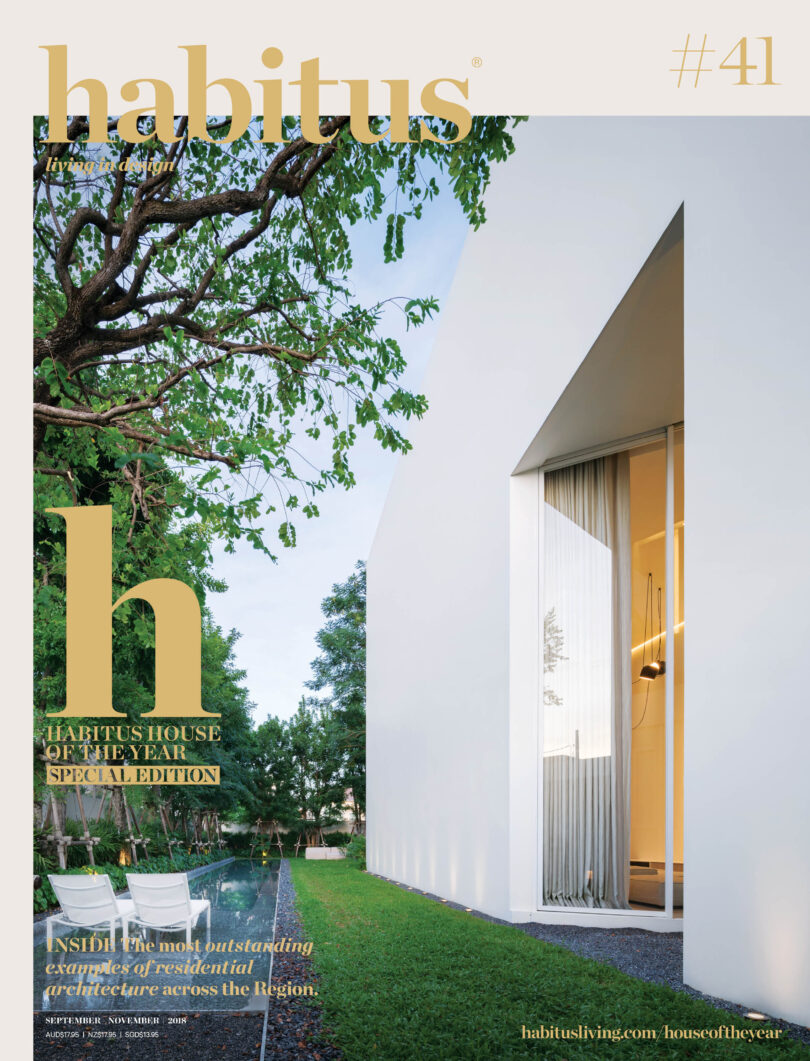
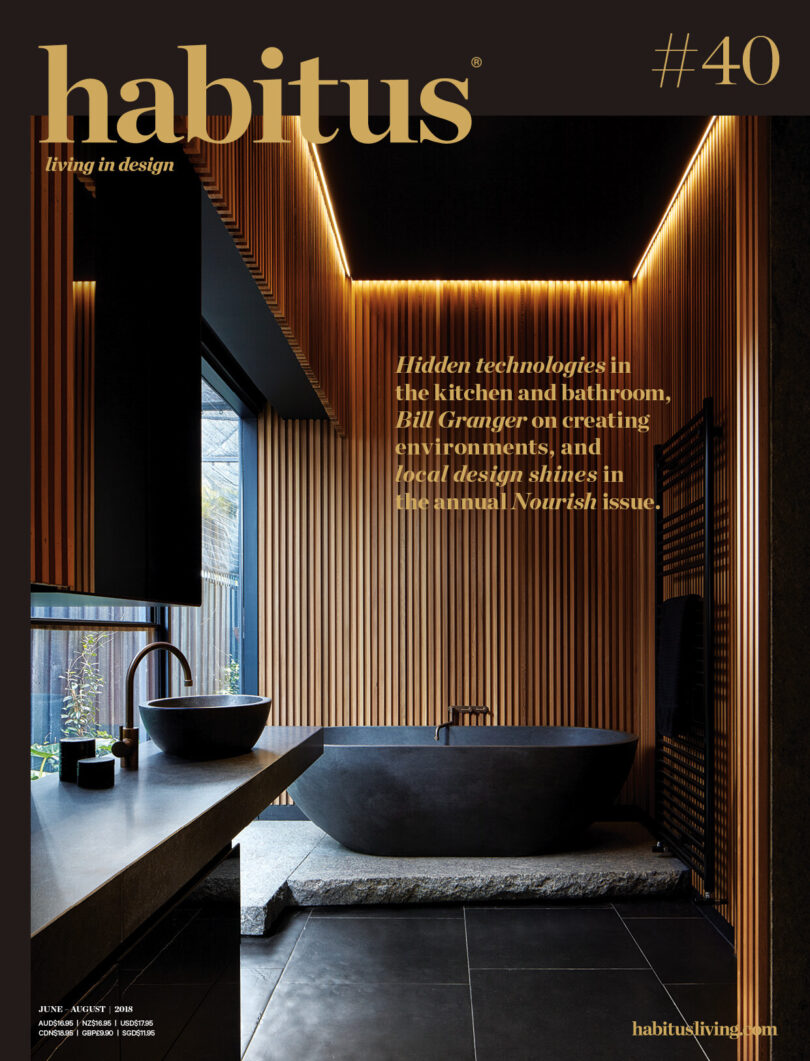
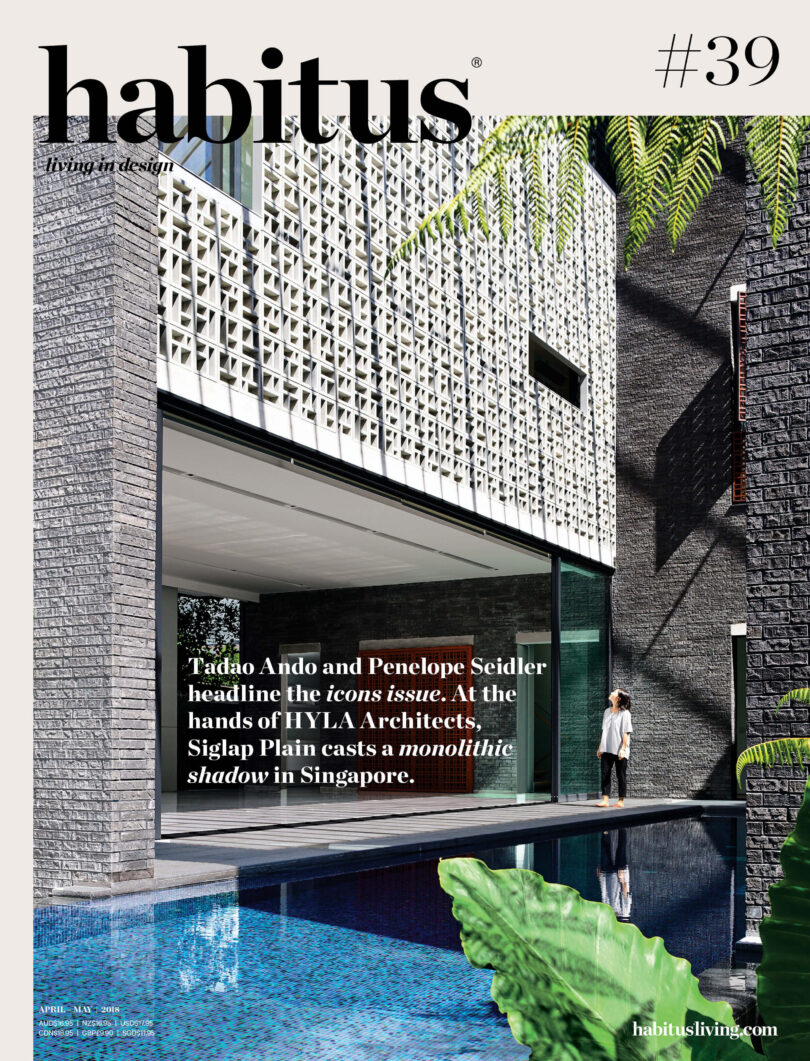
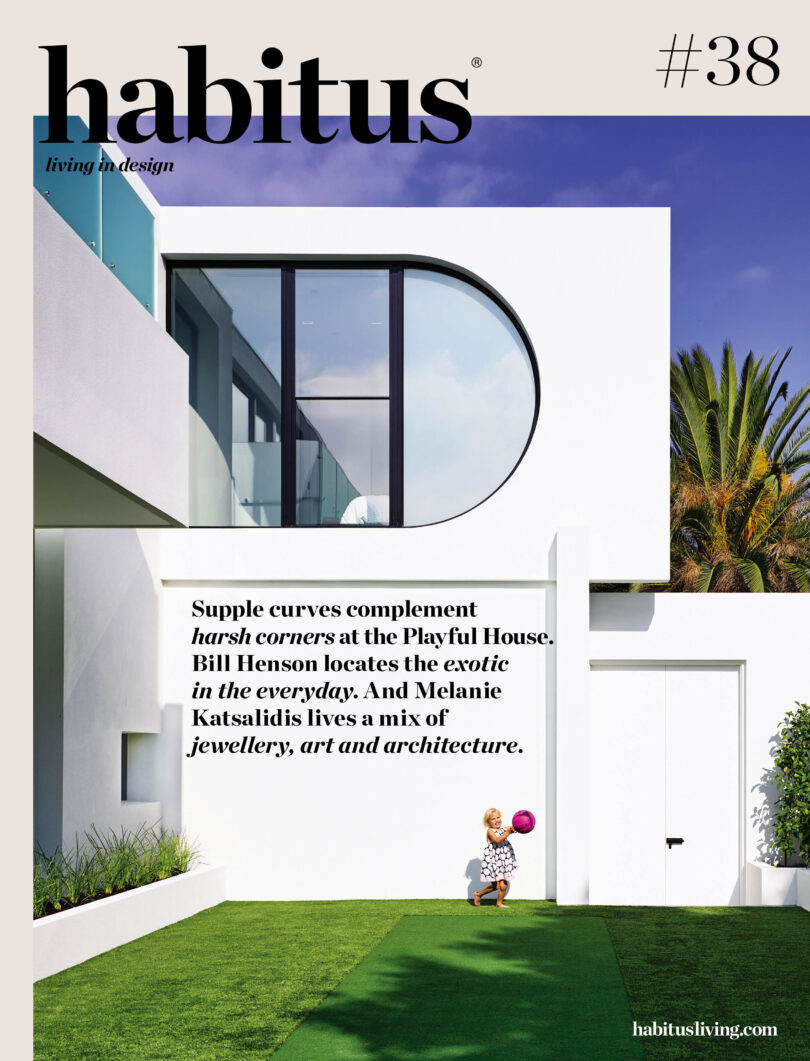
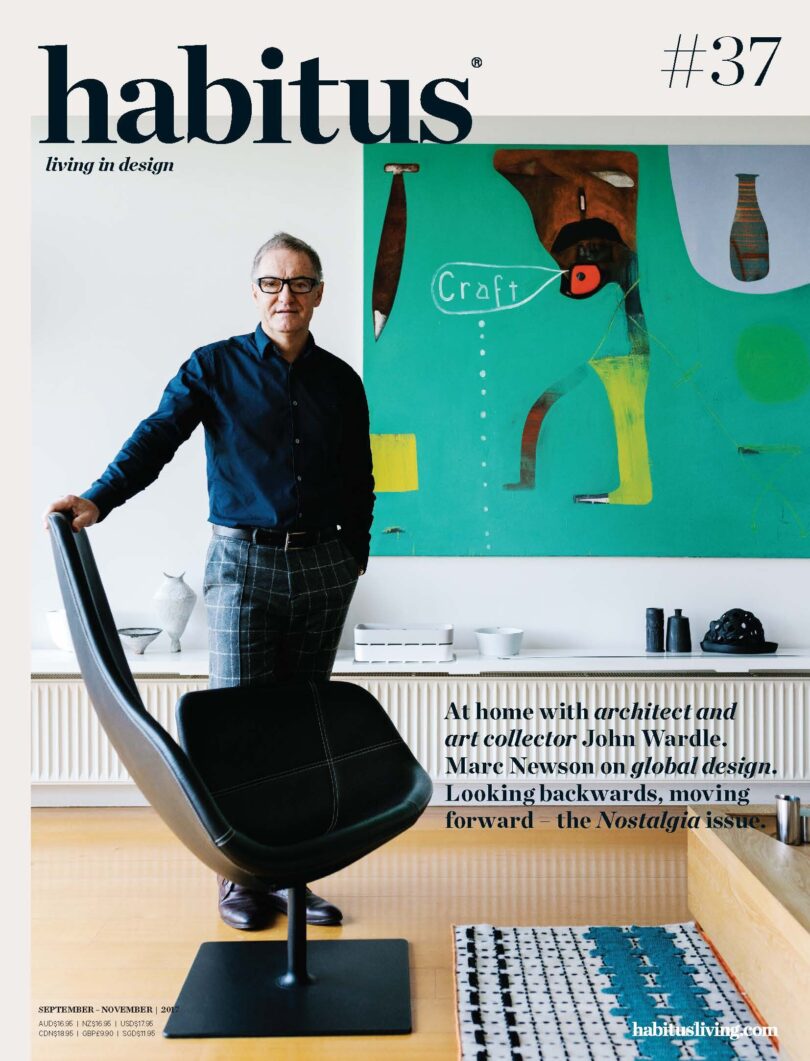
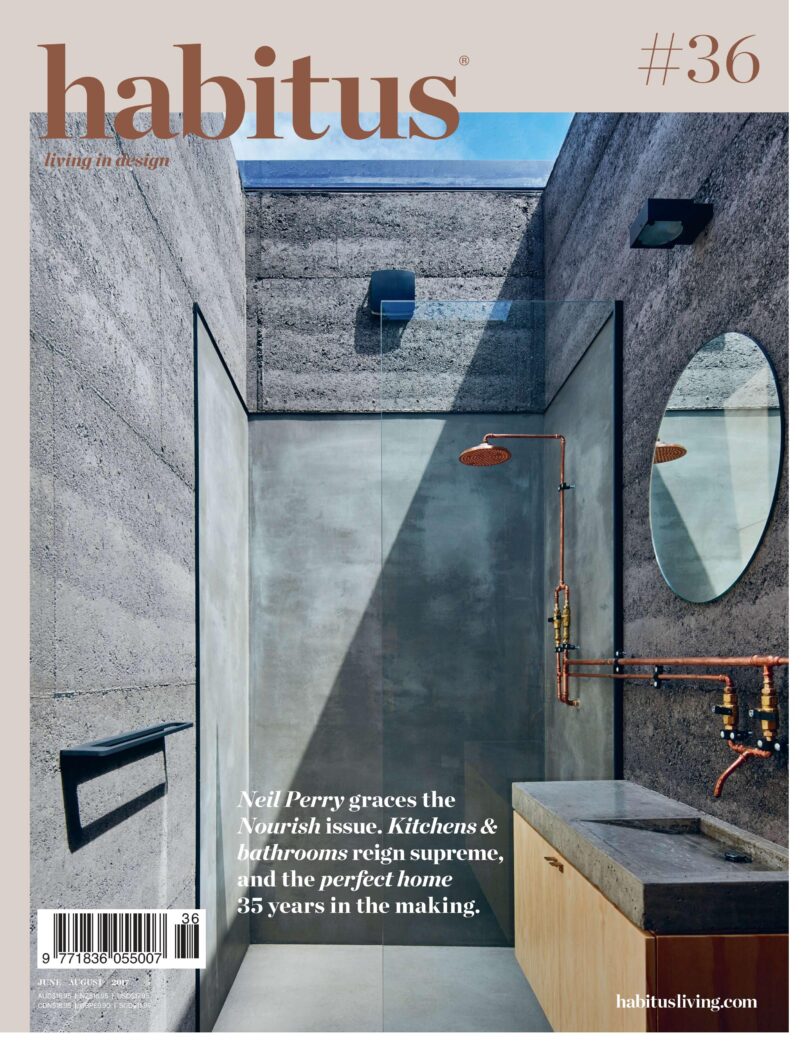
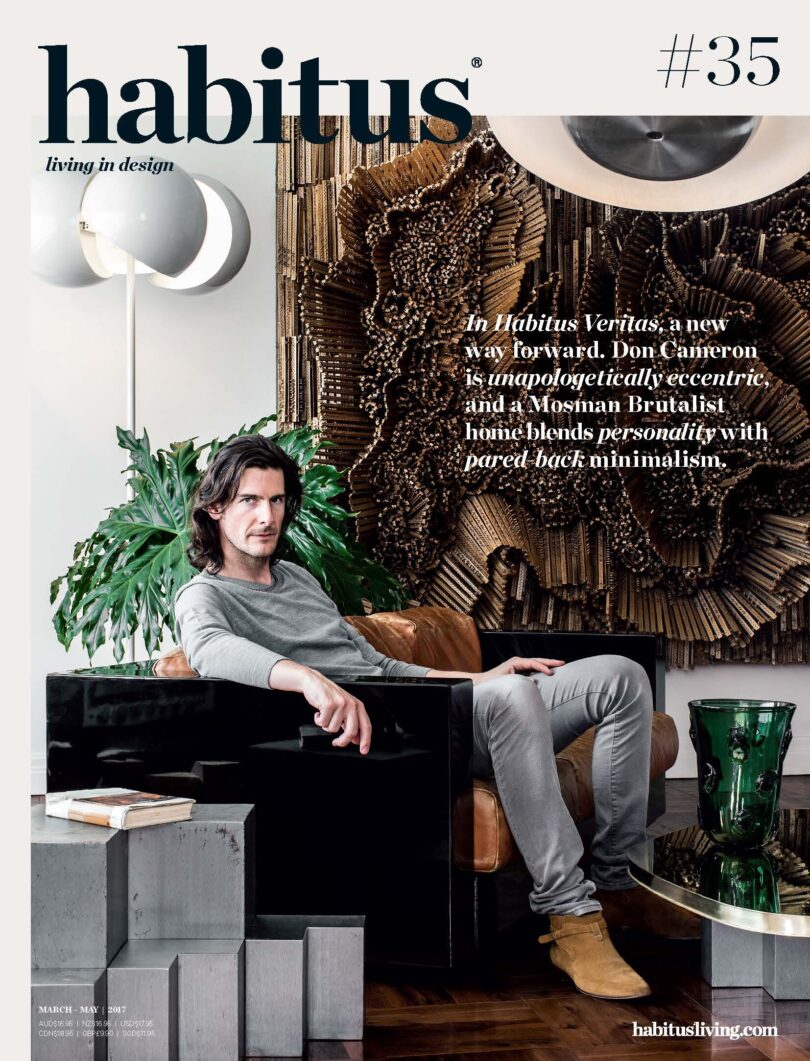
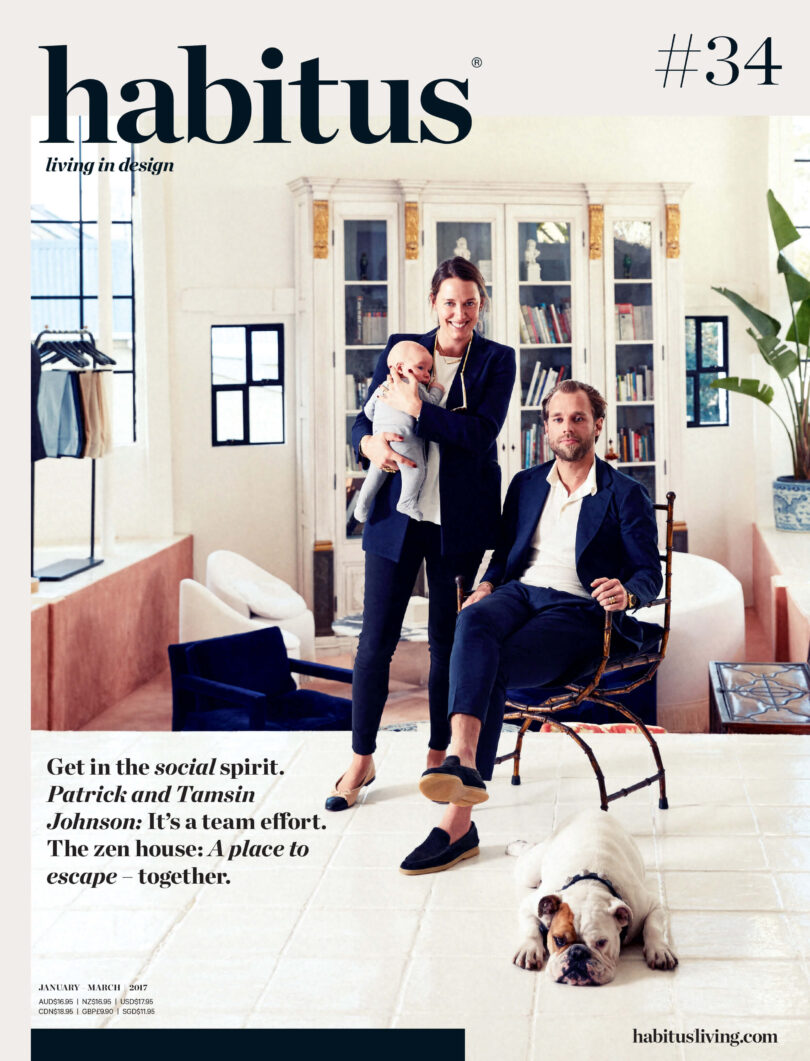
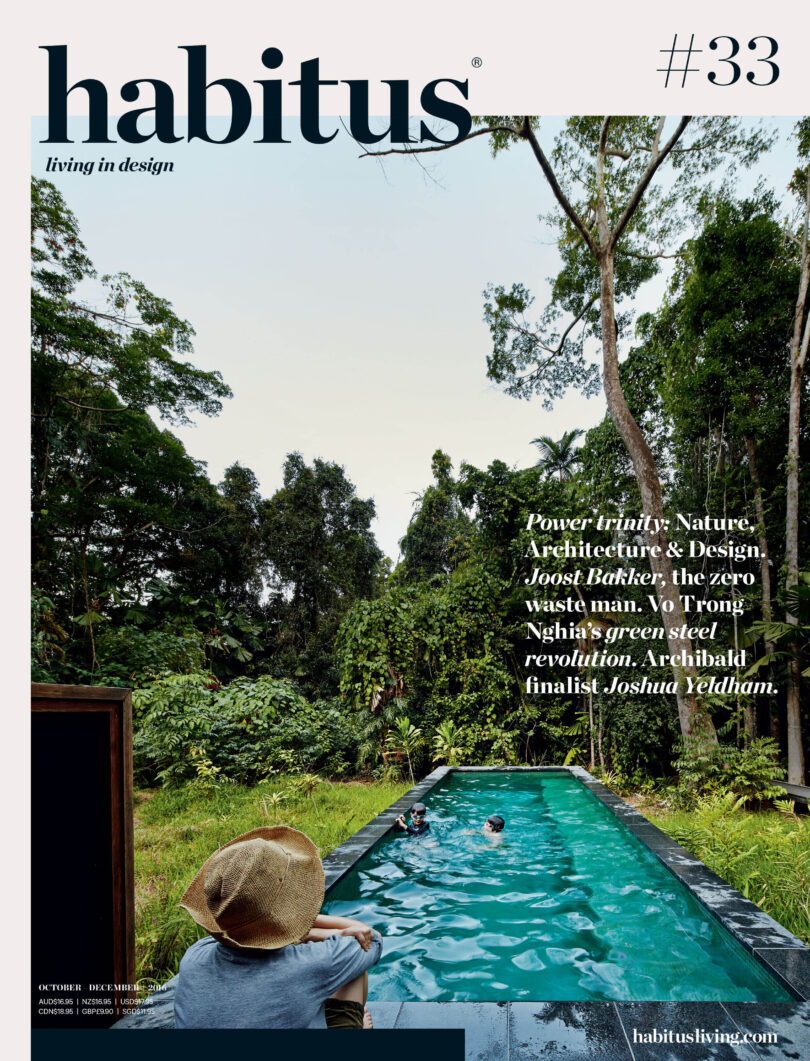
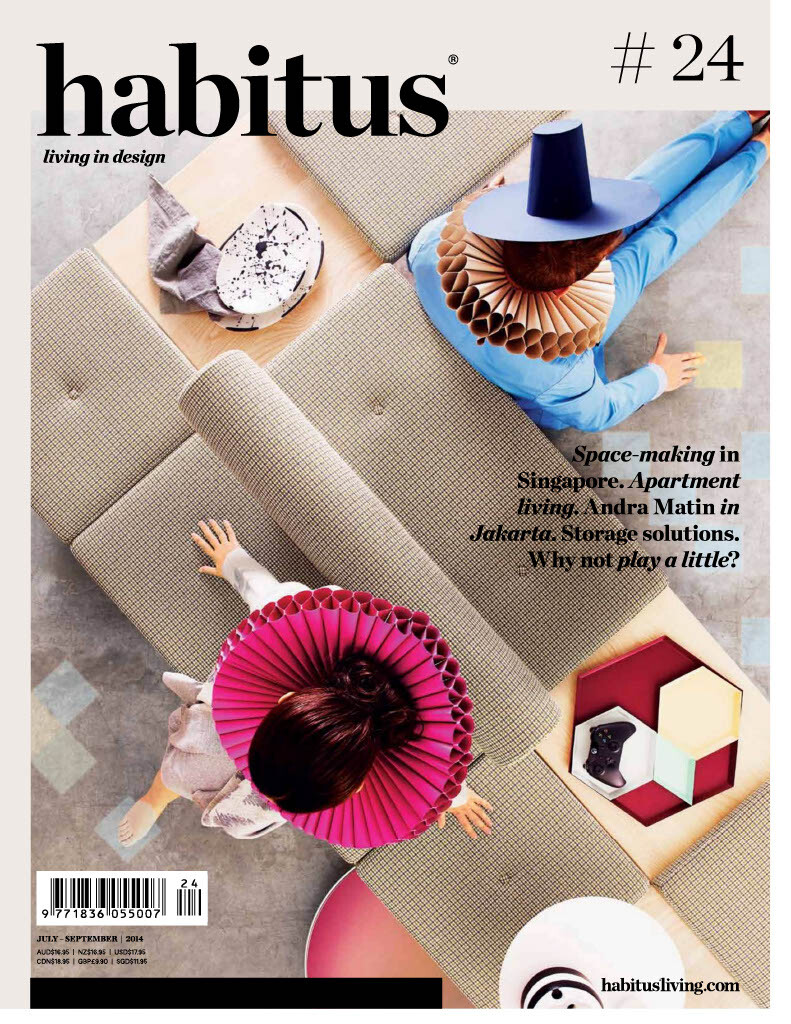
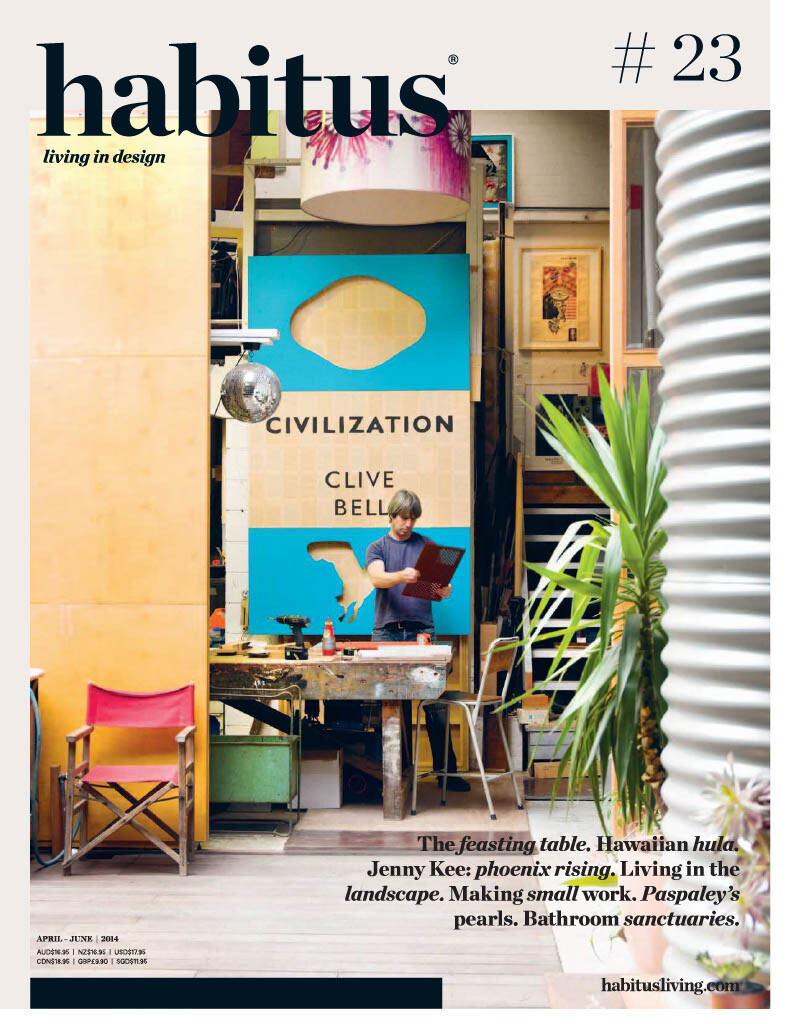
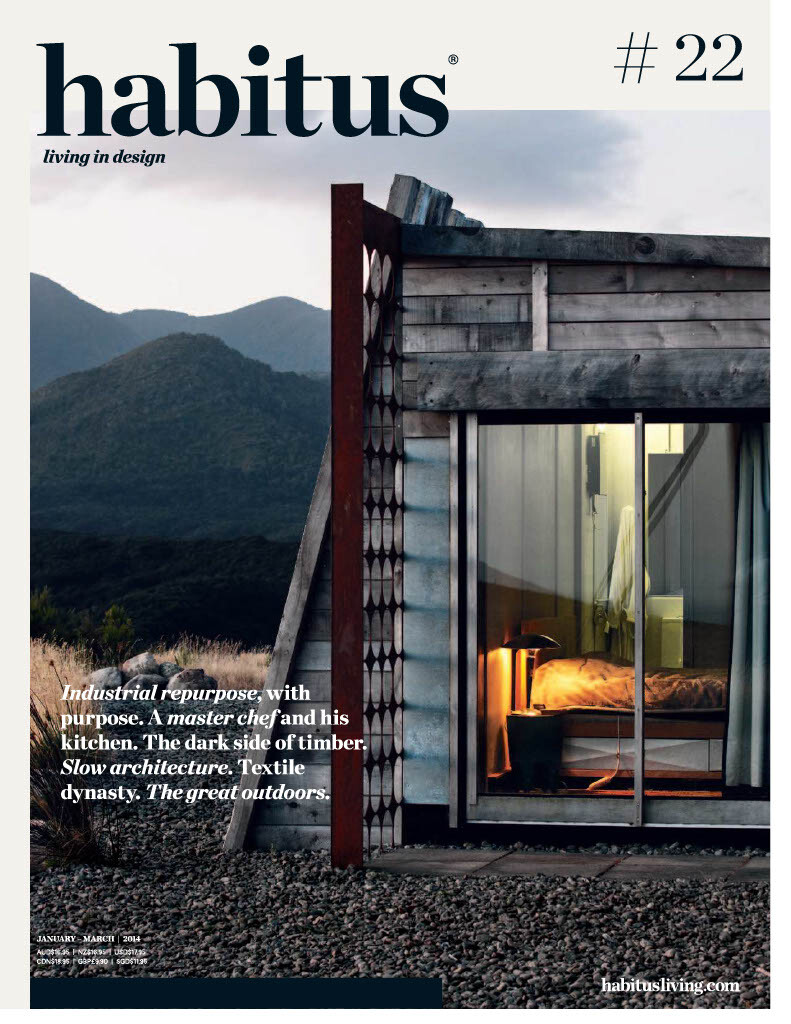
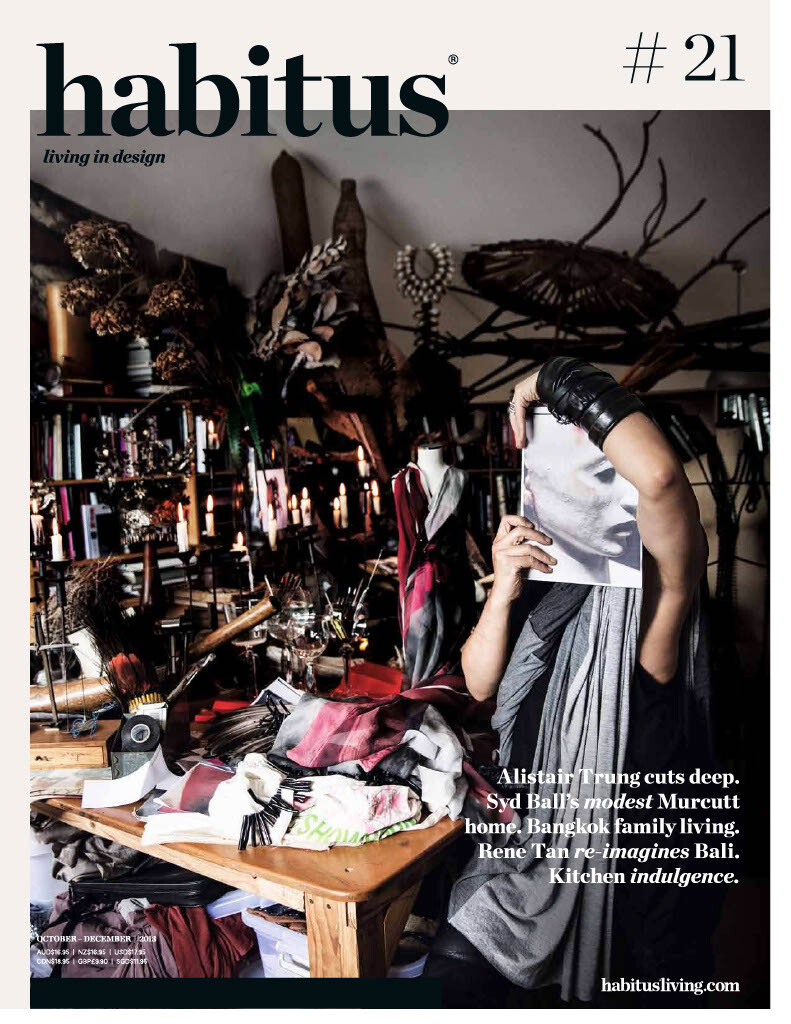
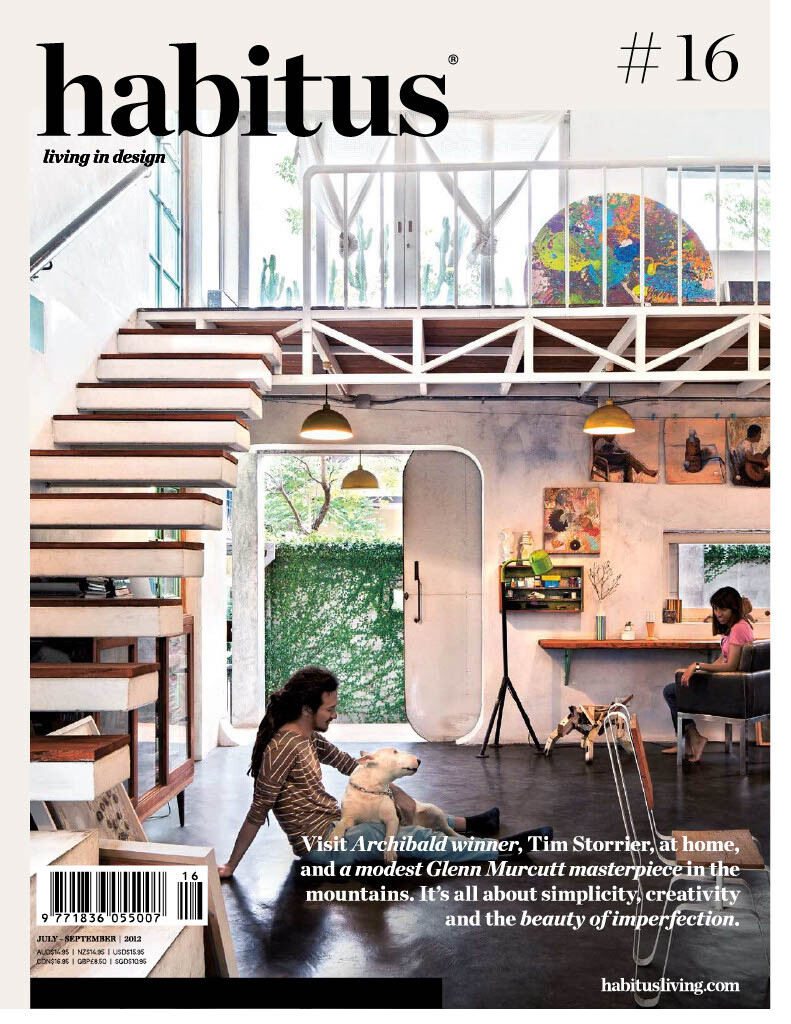
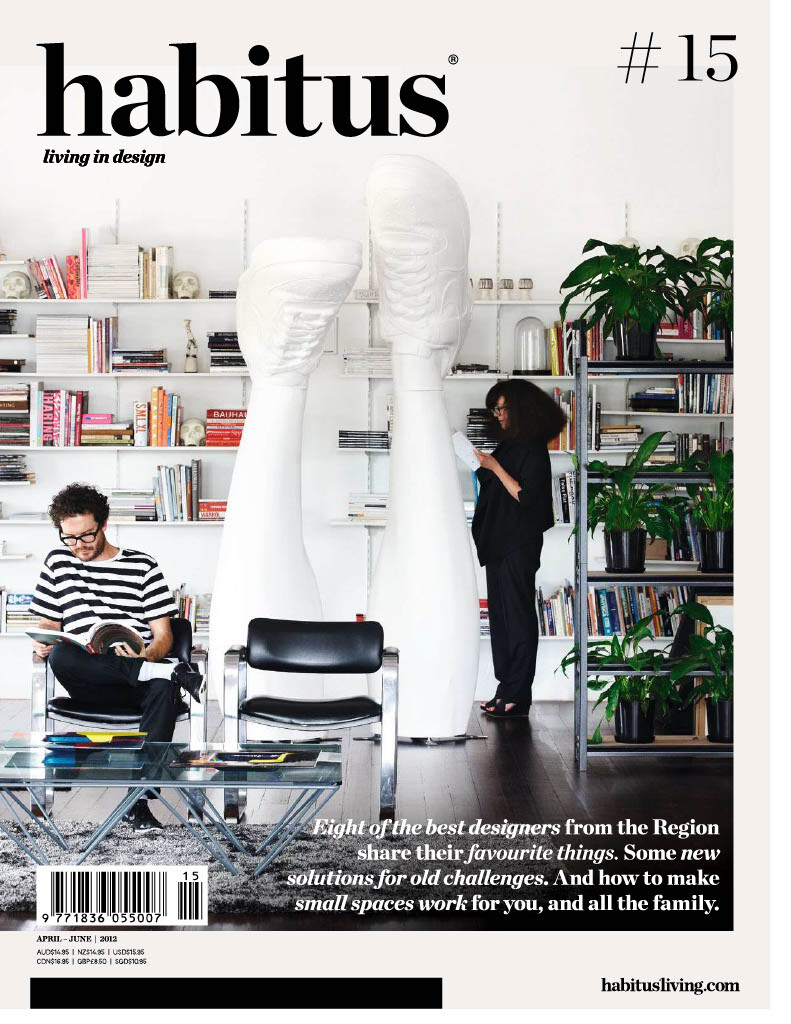
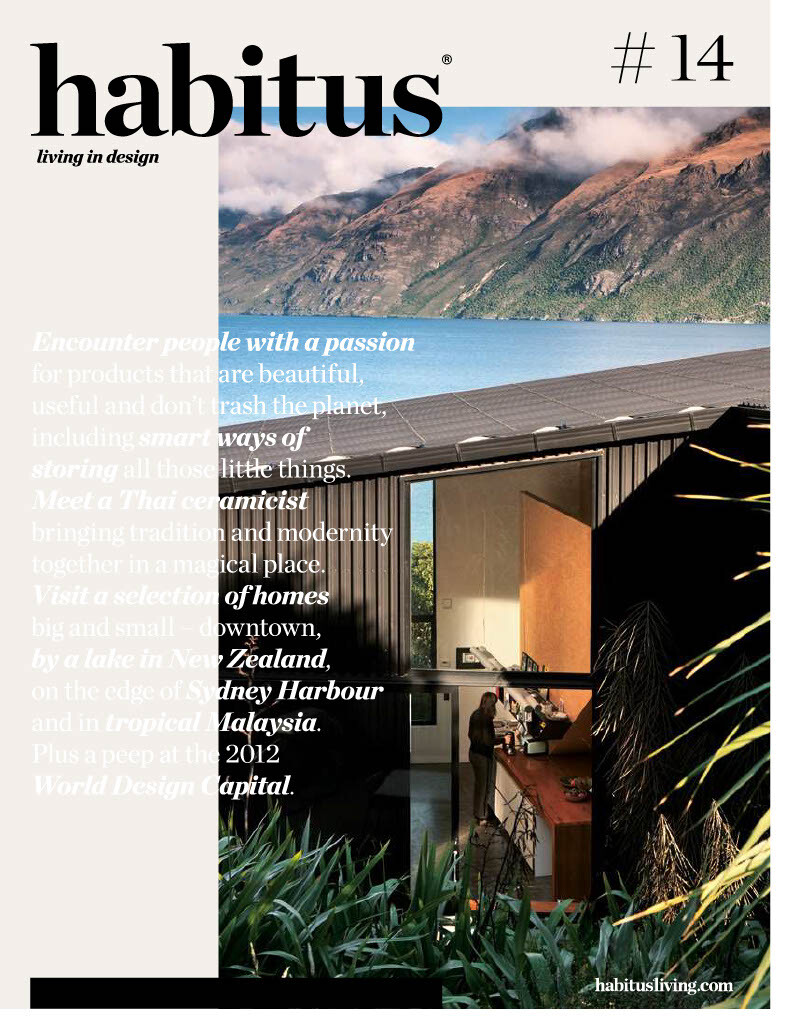
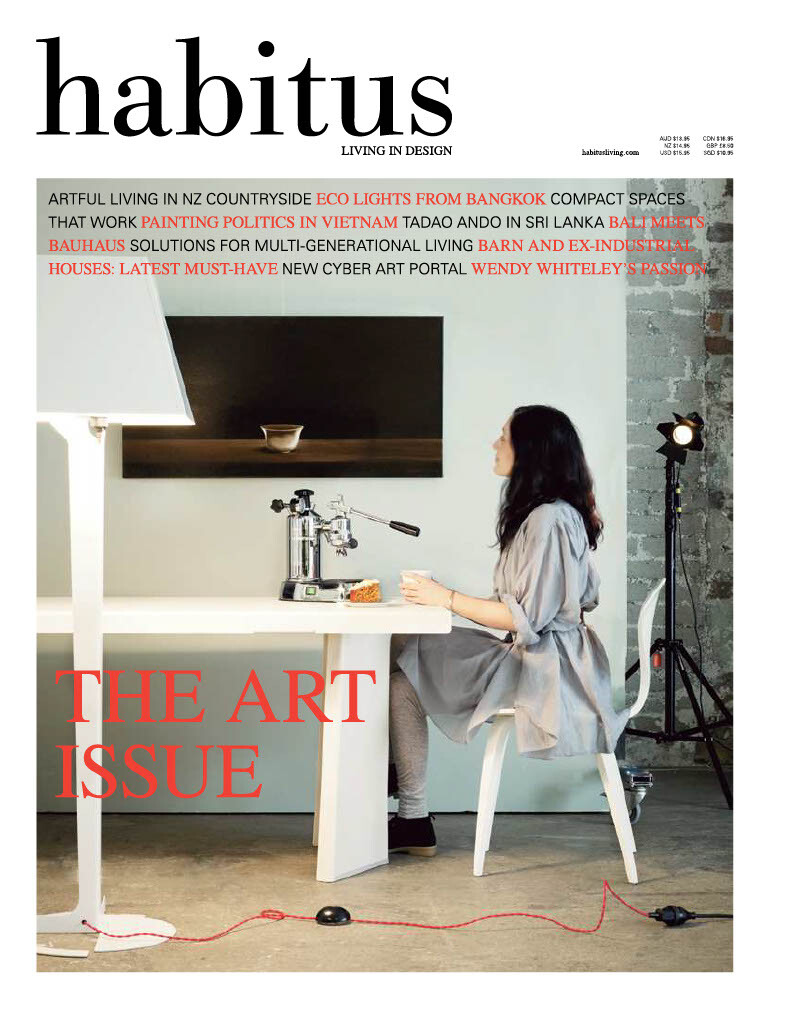
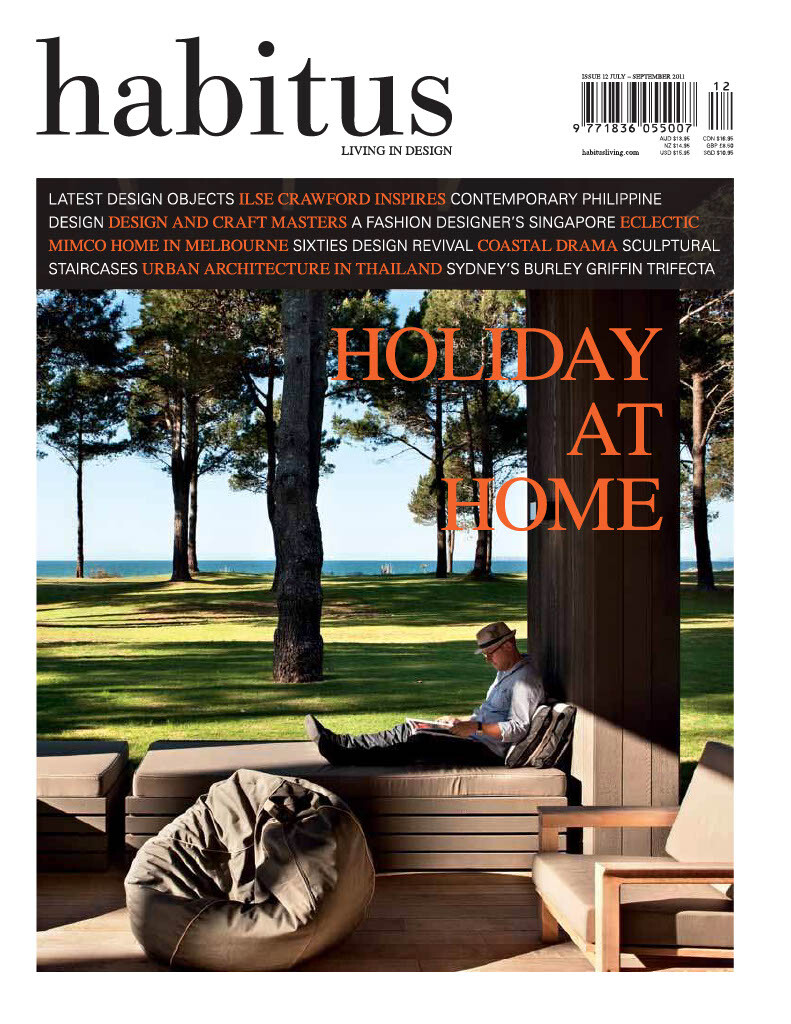
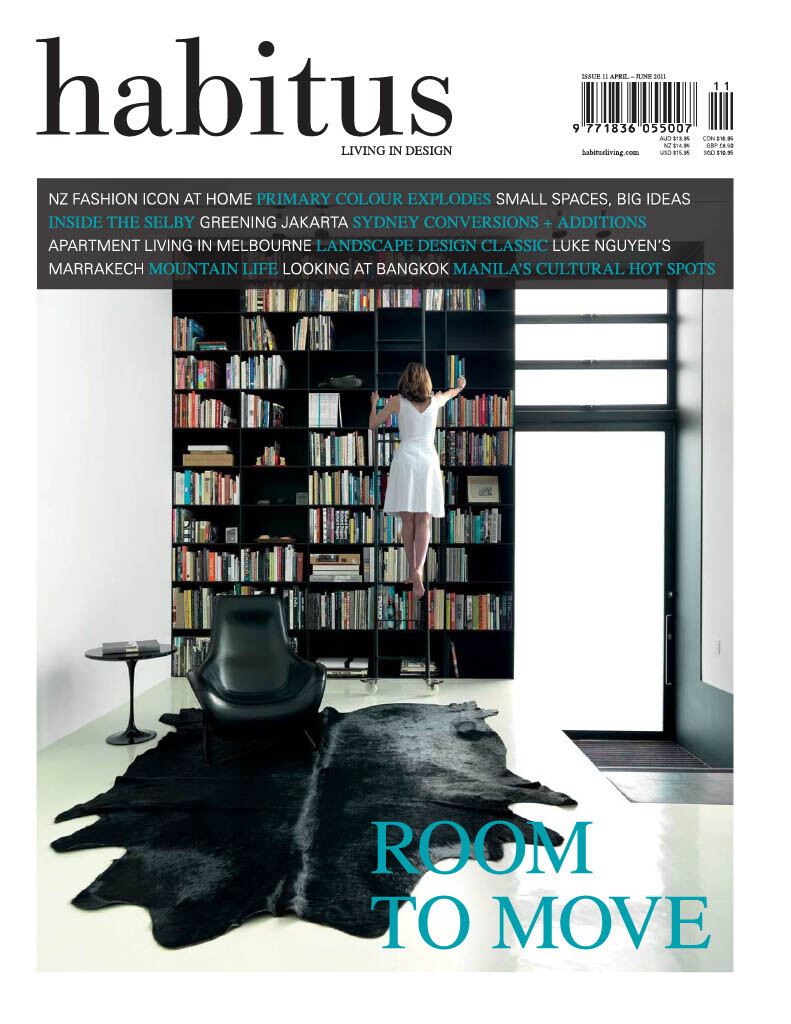
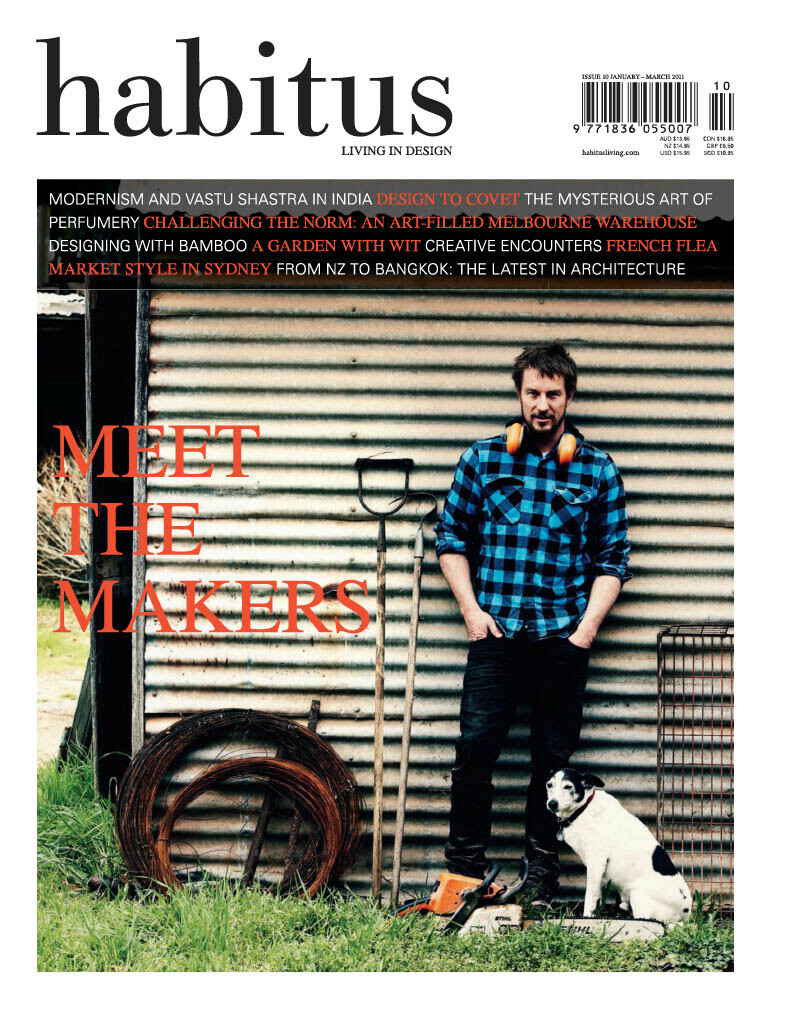
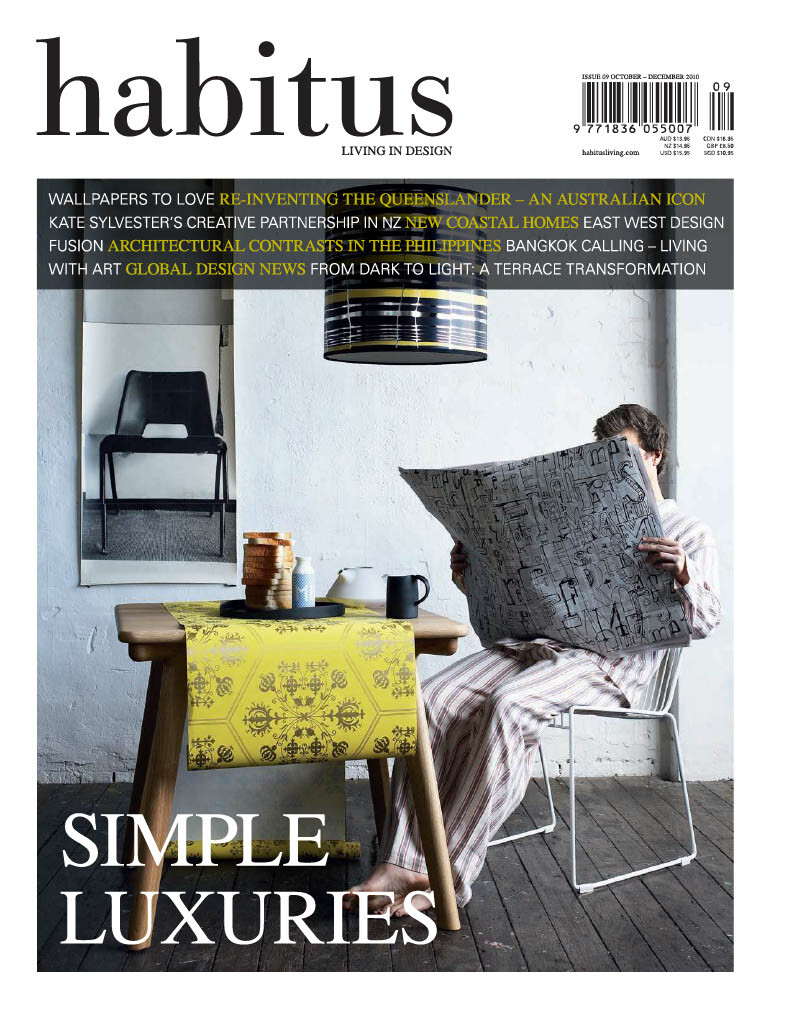
Habitus Magazine is the Asia Pacific authority of choice for Design Hunters® looking for the special in design and architecture and products, providing an exclusive view into the regions most beautiful homes.
Subscribe Now