
Please Note: By submitting this form you will be added to the Habitus Living mailing list.
Rummaging around in the contents of this issue looking for a starting point to my quarterly sermon (aka editorial), I did not need to look far – Andra Matin’s own house in Jakarta.
Architects’ own houses are invariably fascinating because they are an opportunity to play with ideas which are highly personal – and which no client would, or should, ever accede to. It was Baudelaire who said that artistic creation had its origins in the storehouse of childhood memories and impressions. “Genius,” he said, “is nothing more nor less than childhood recaptured at will.”
Andra Matin’s house is very much about making connections back to his childhood – in other words, aiming to create the continuities which make our lives meaningful.
But Matin’s project also highlights another aspect of the continuity agenda, and one which is very prominent in Indonesia – namely, cultural continuity, especially as it is embodied in traditional building practices and materials. After all, the home is a lot more than simply a shelter. It is packed with symbolic significance, an emblem of our private and communal values.
This is most obvious in traditional – or vernacular – dwellings which were built long before the profession of architecture existed and continue to be built without the need of an architect. Existing building typologies are here not so much replicated as constantly re-invented within a spontaneous, organic process – just as every hand-made tribal rug is both a token of a type, yet completely unique.
Hence, Matin’s project was largely pursued without formal drawings. Instead, communication of the design intent was conducted informally, on site, in conversation with the builder. The result is a house which connects back to its cultural heritage, not just in its finished form, but also in its very process of development and construction.
Once again I am led back to the Habitus mission – to reveal how people from the Asia Pacific region marry a way of life with their design decisions. Actually, as Andra Matin’s project implies, the word ‘design’ seems quite feeble in the face of the immense richness with which create our lives.
PAUL MCGILLICK | EDITOR
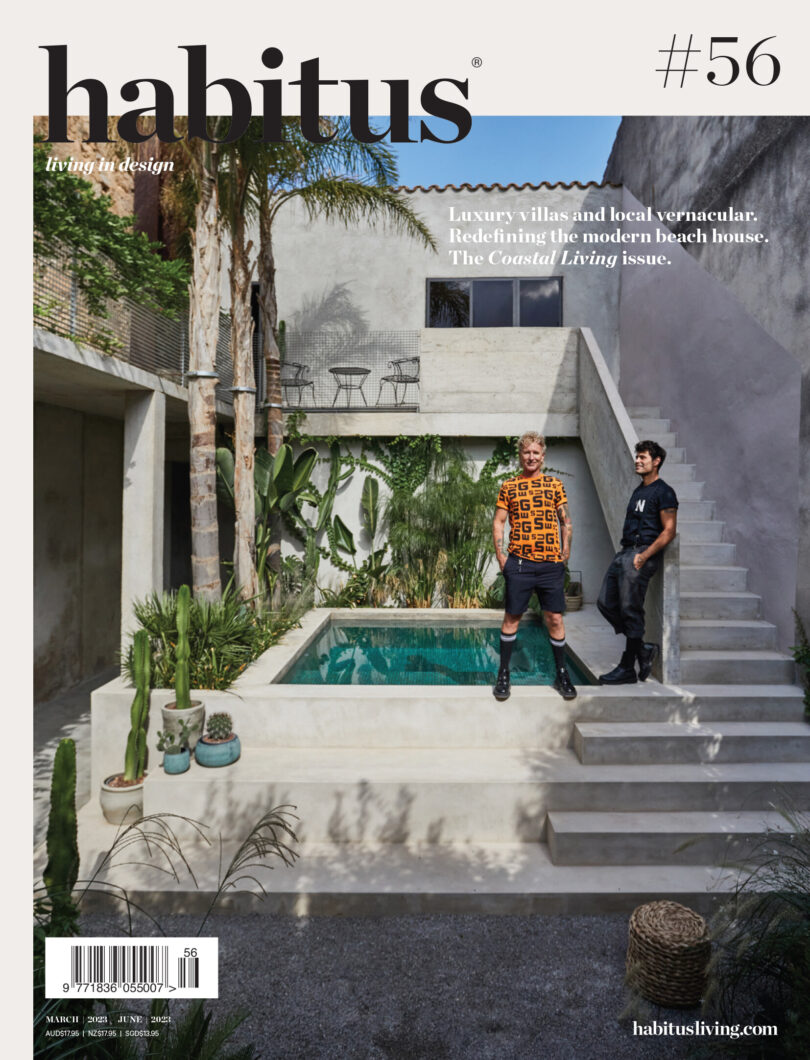
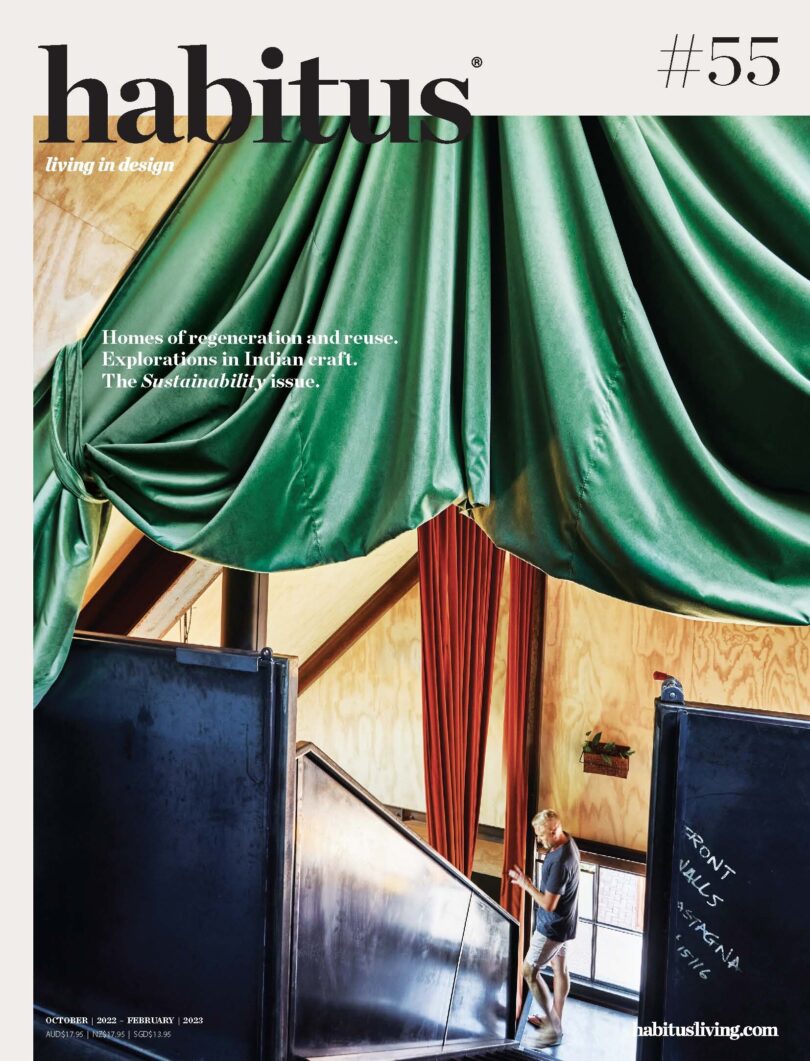
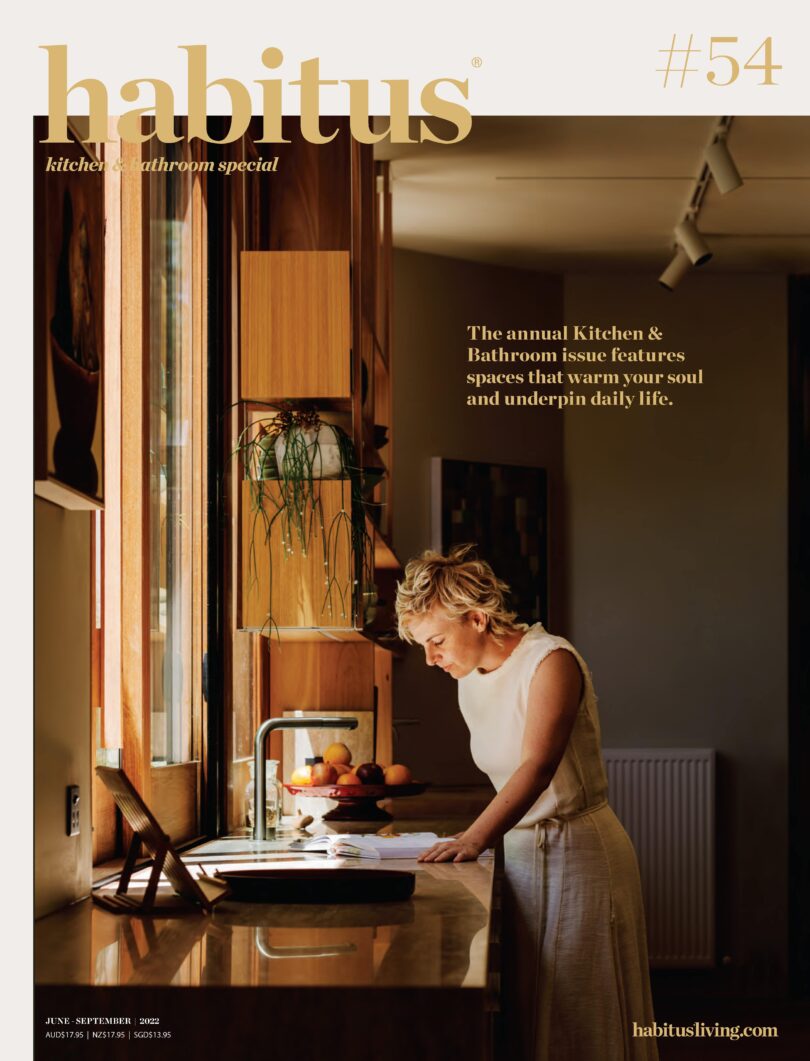
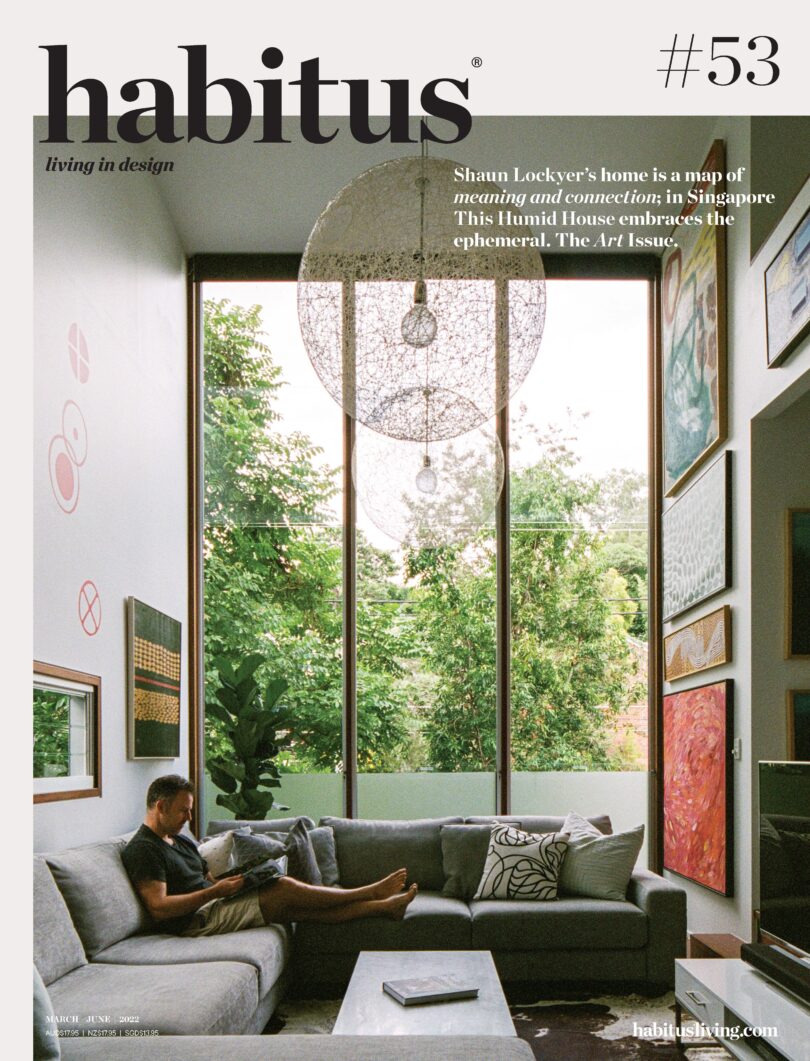
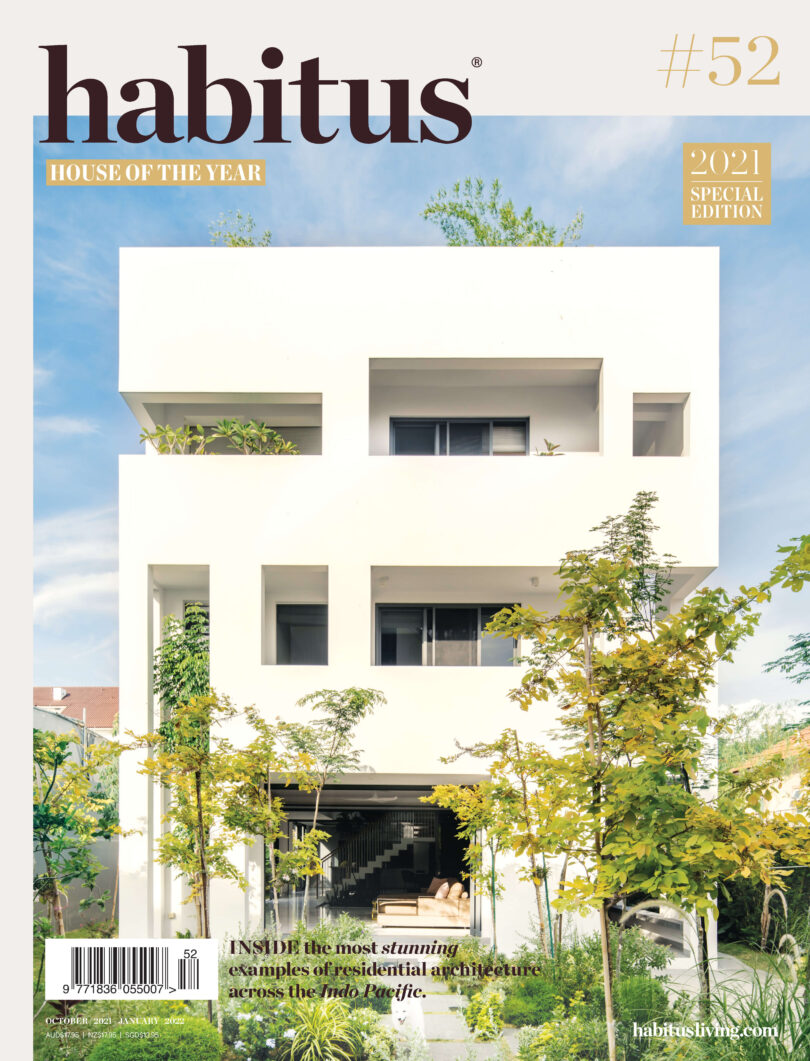
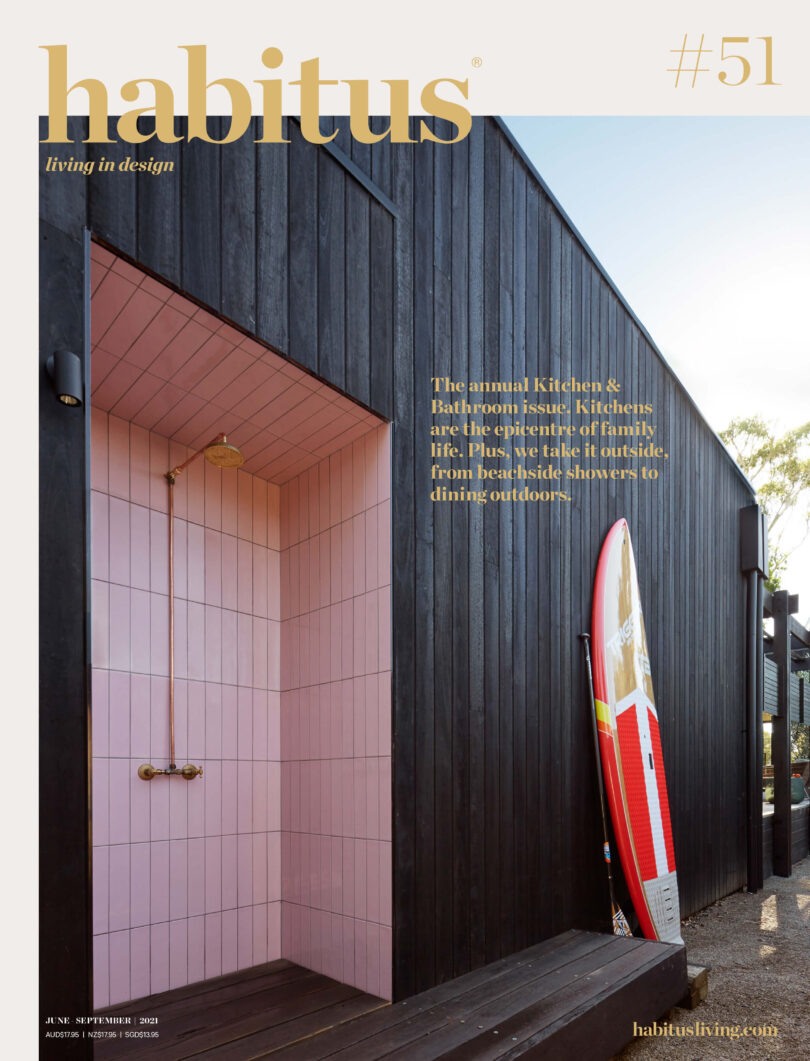
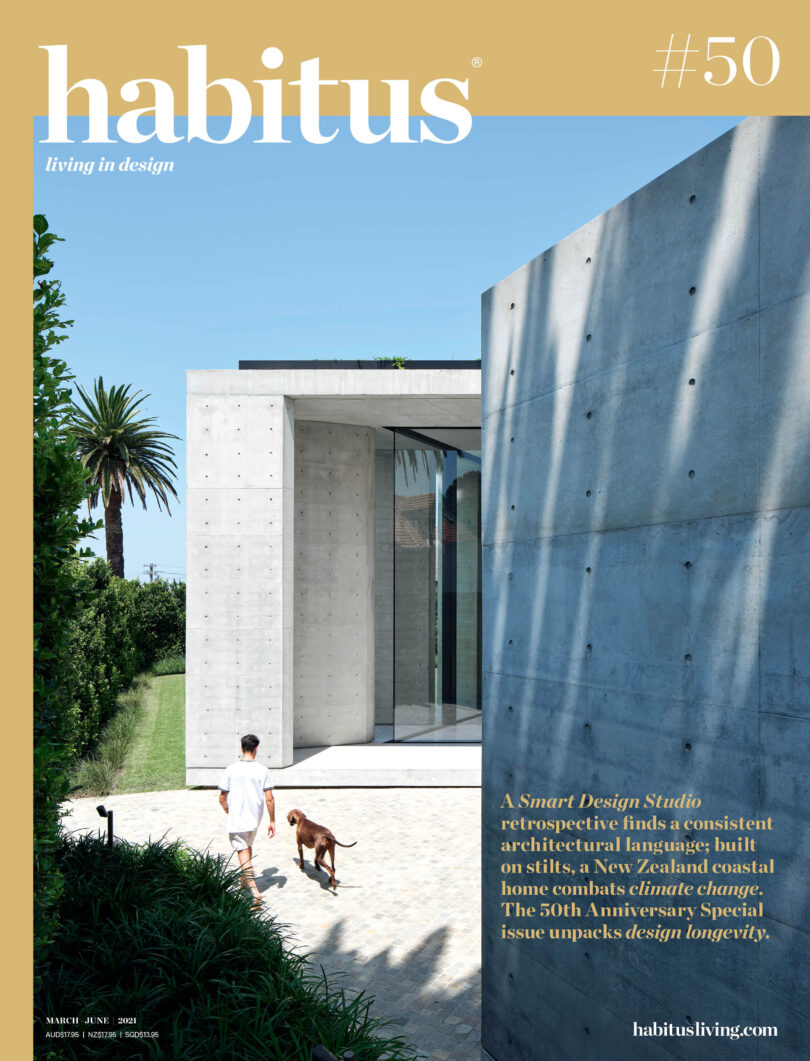
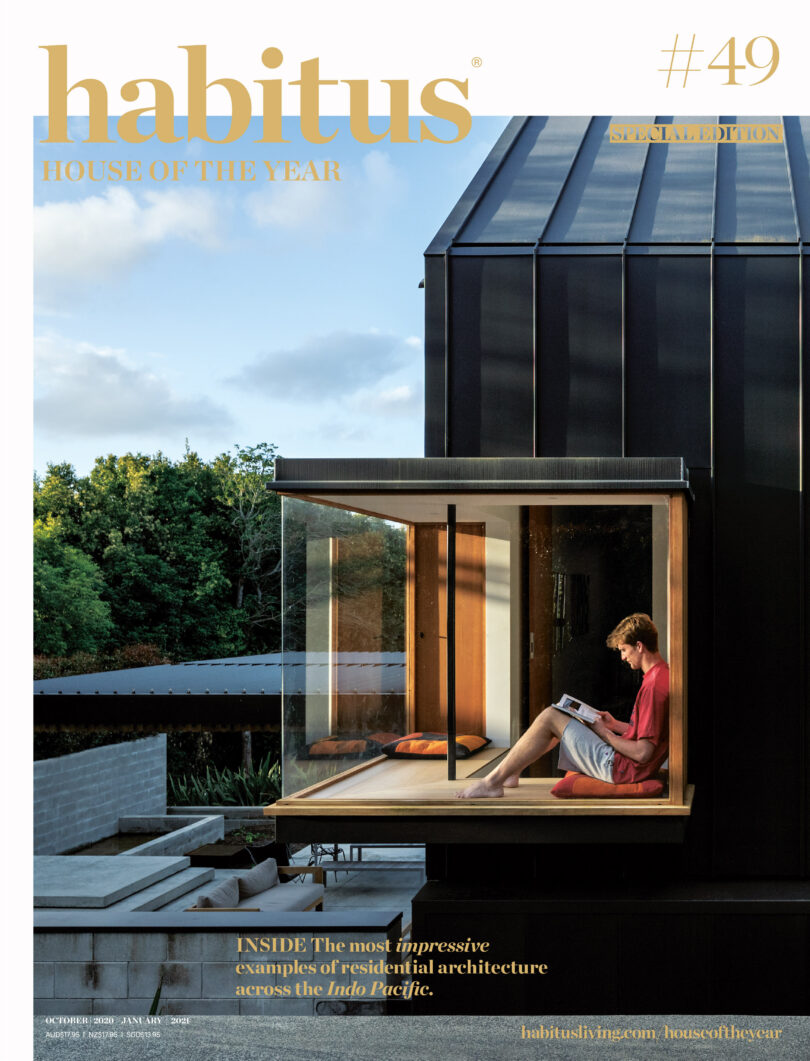
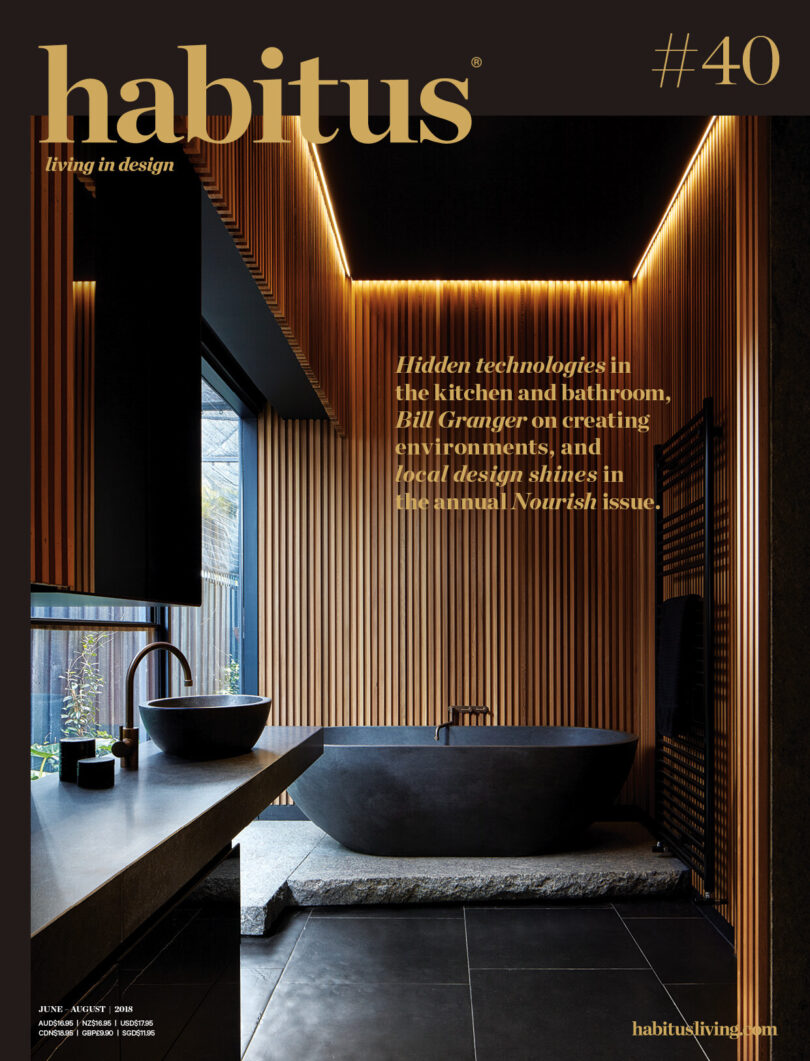
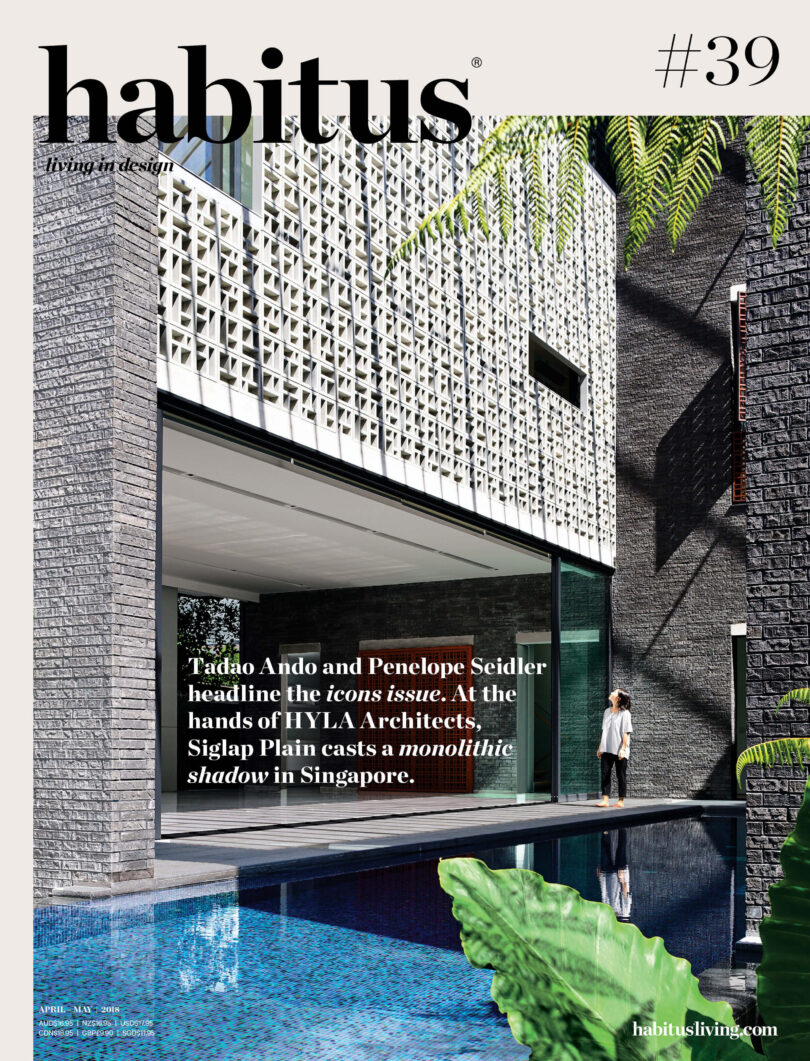
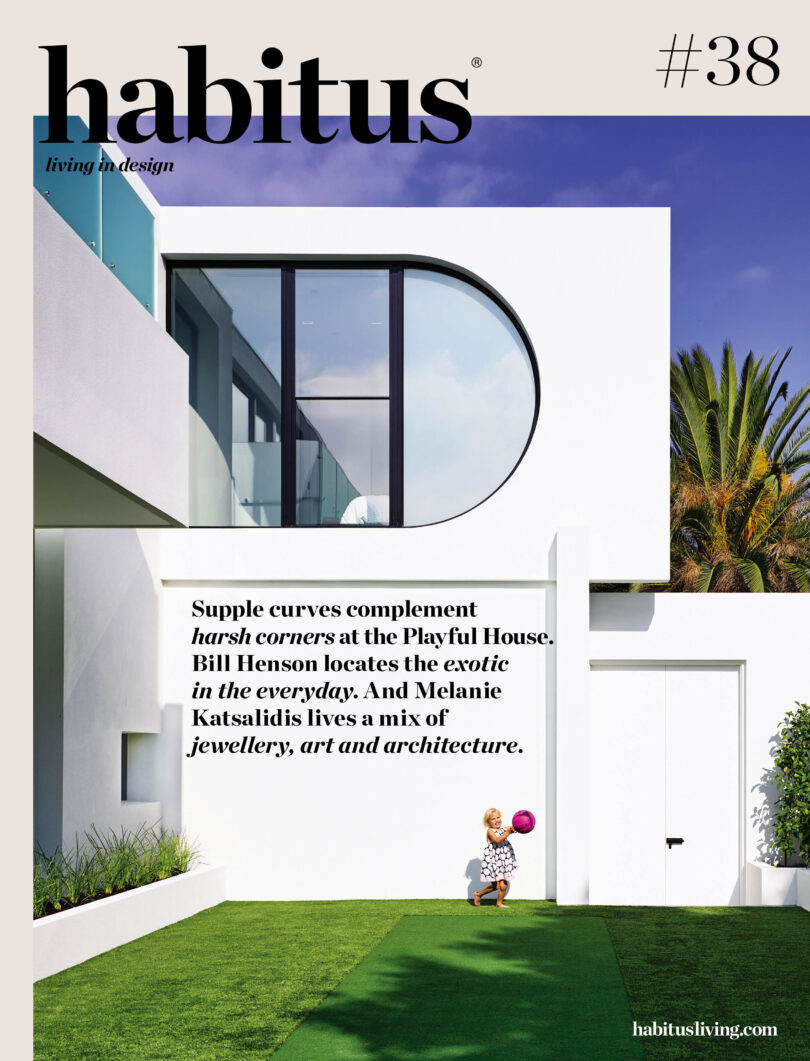
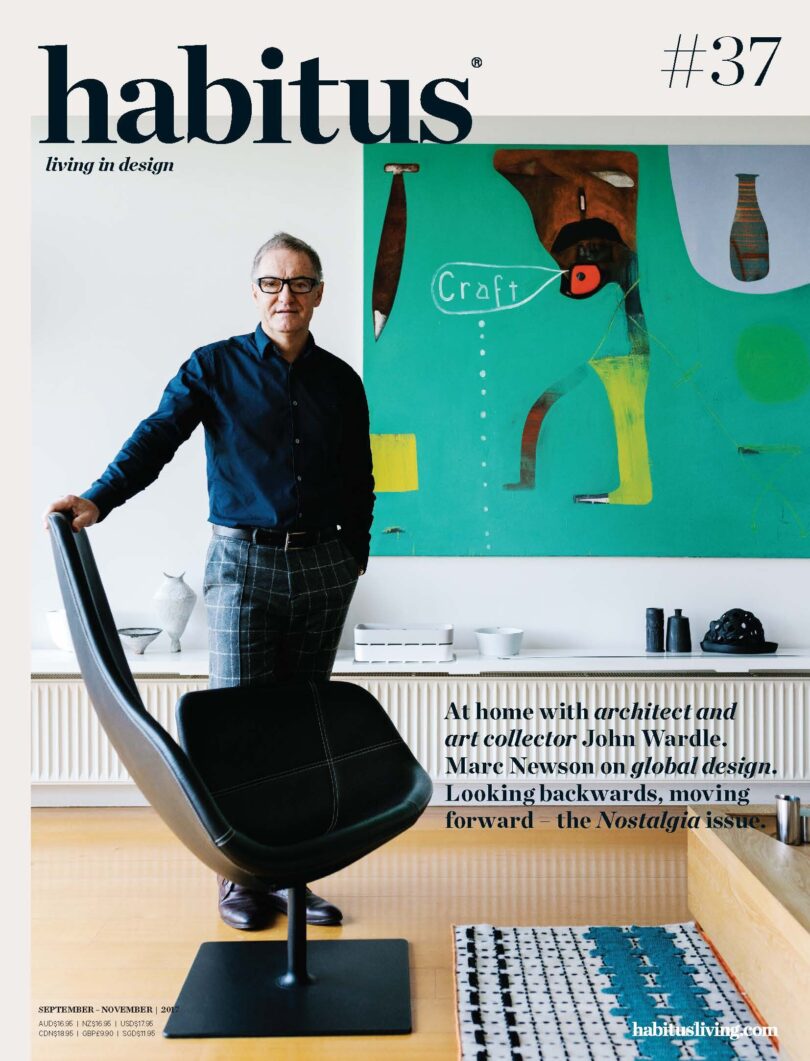
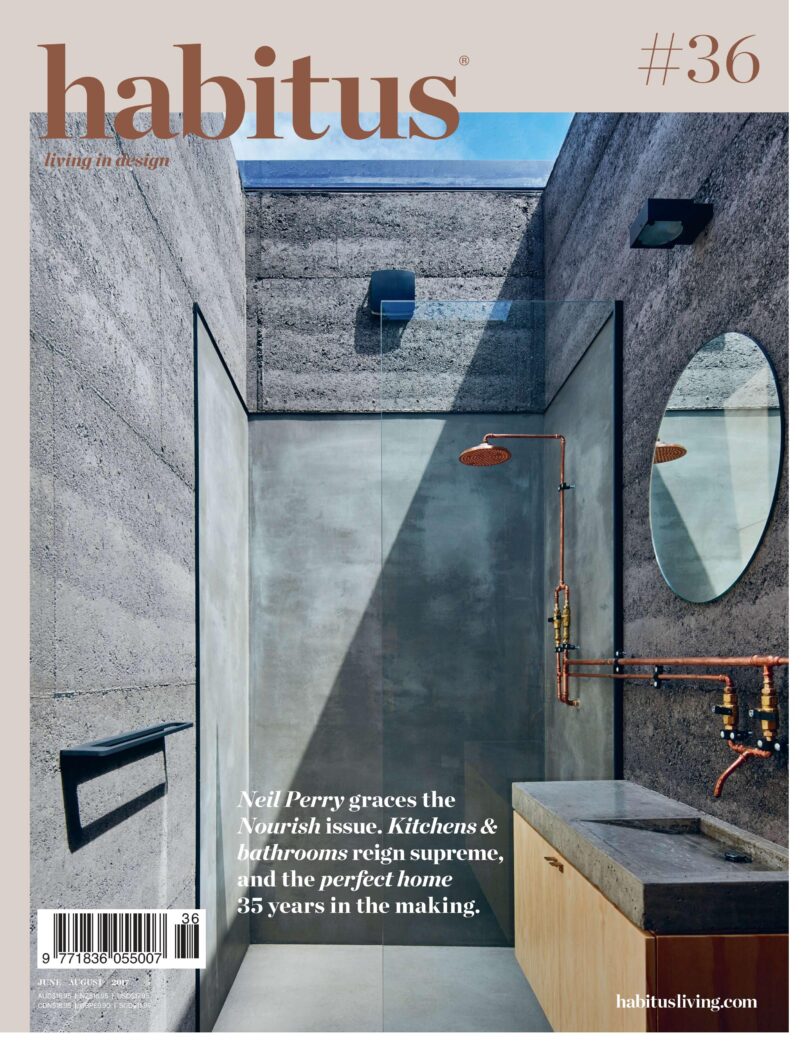
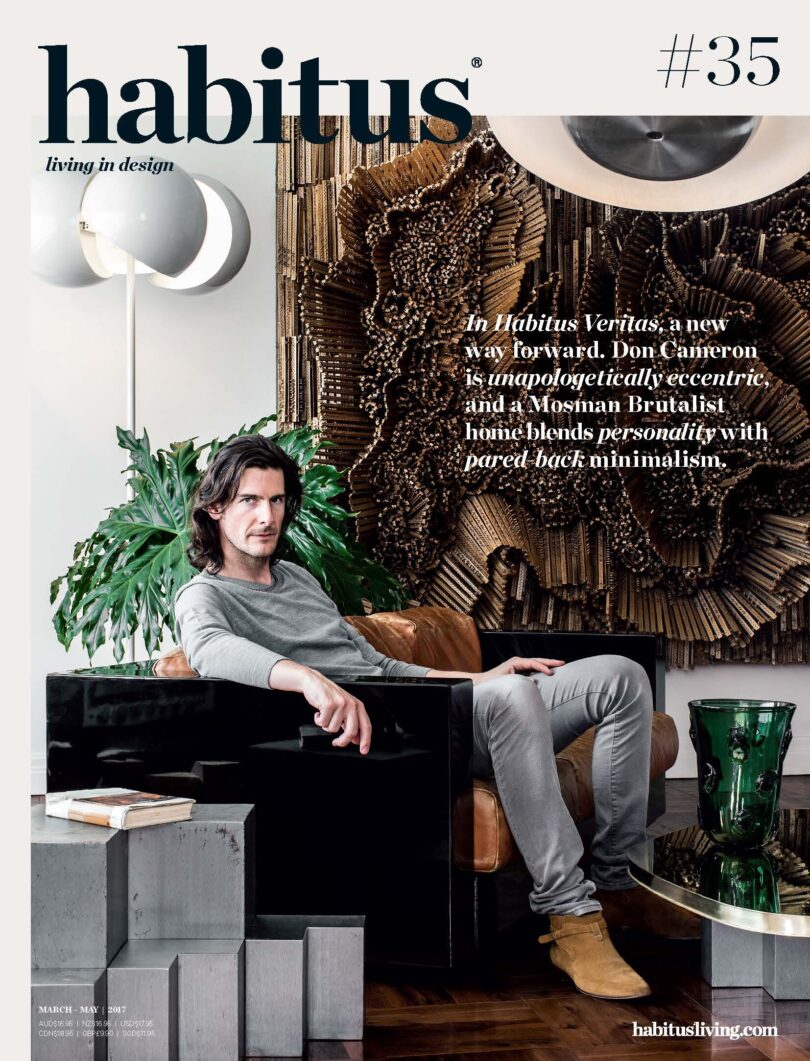
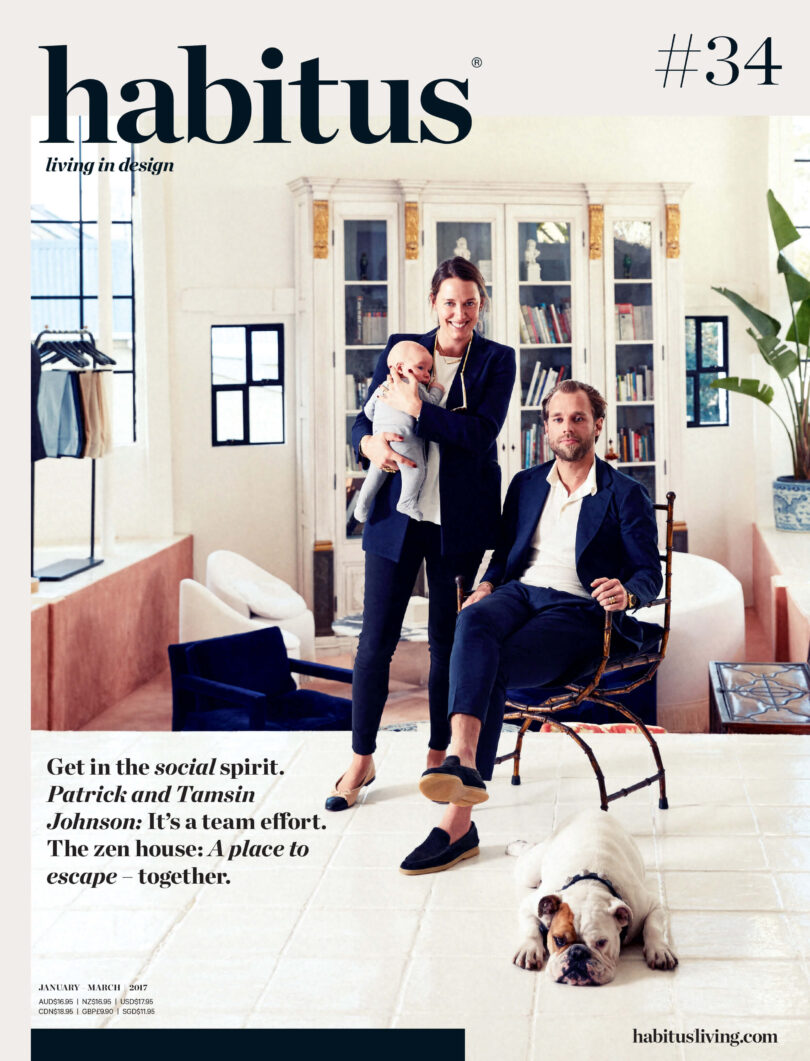
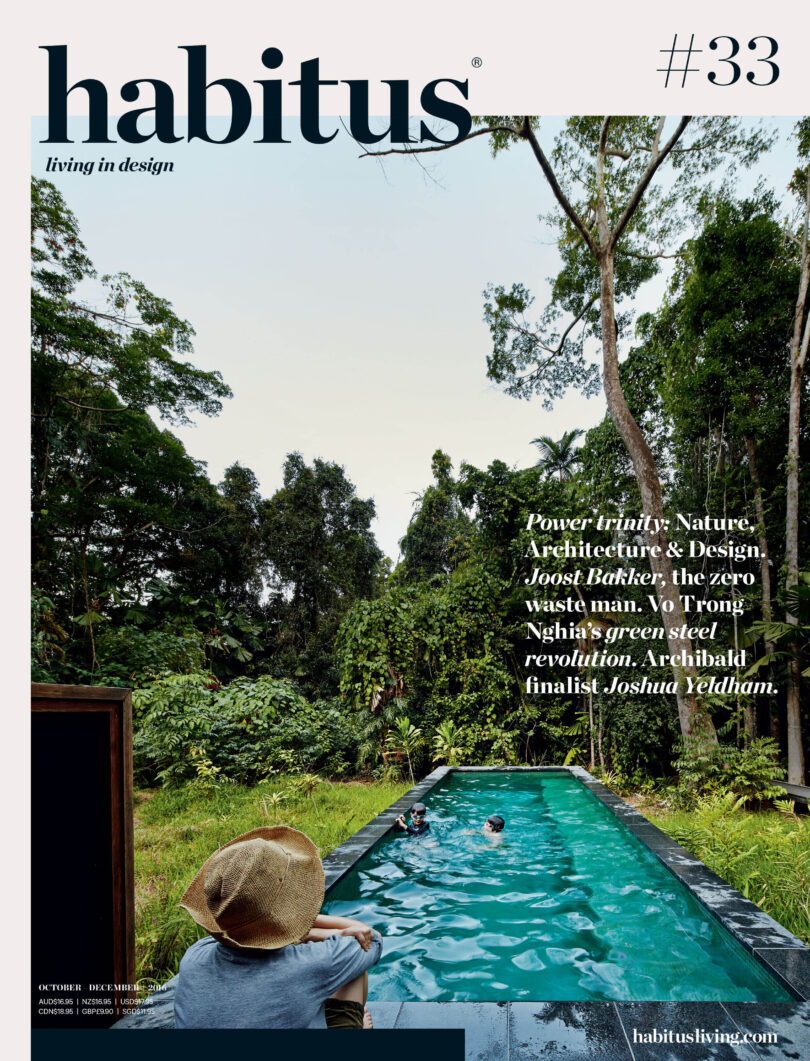
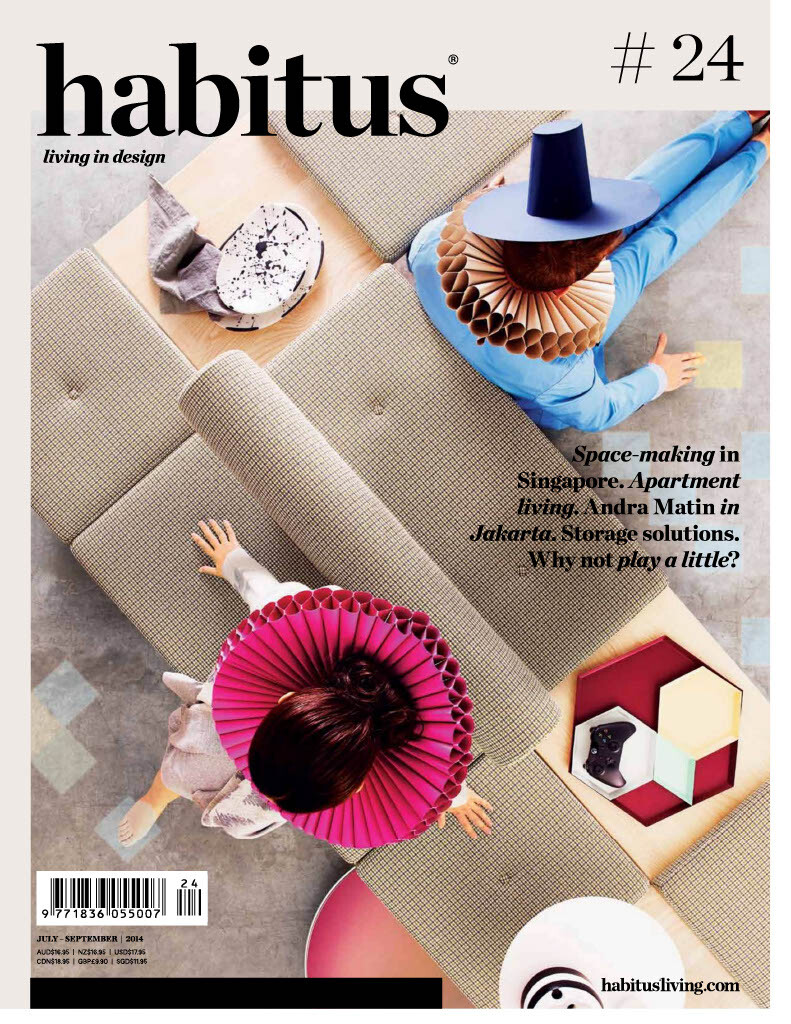
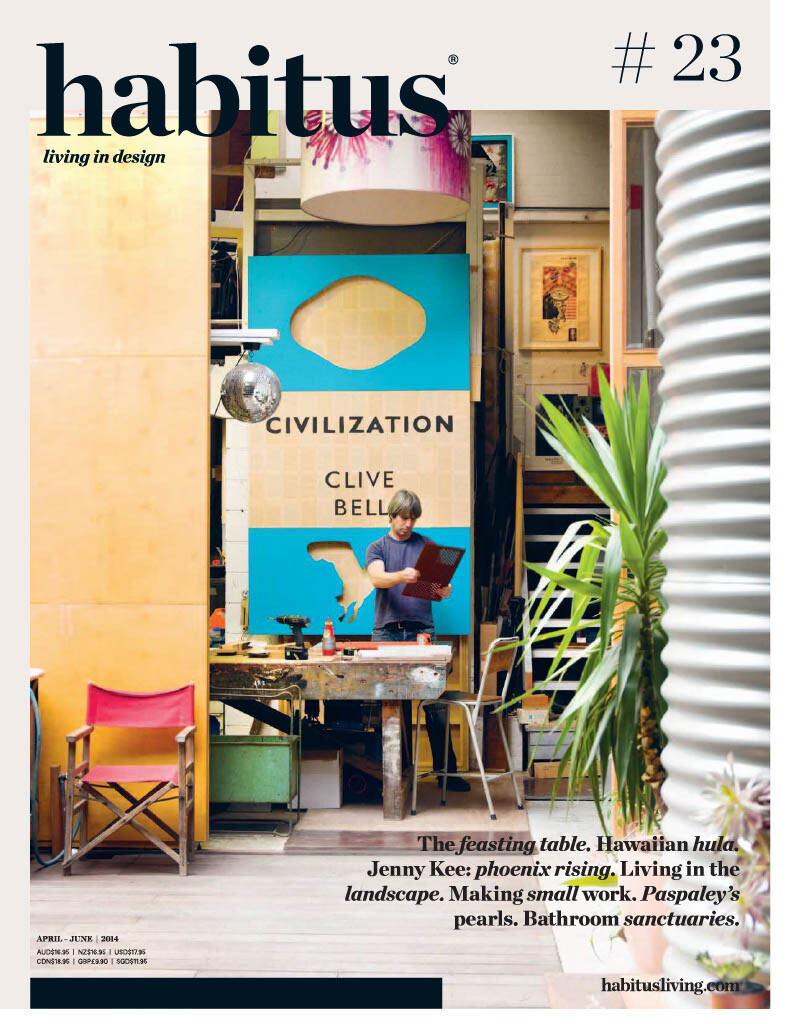
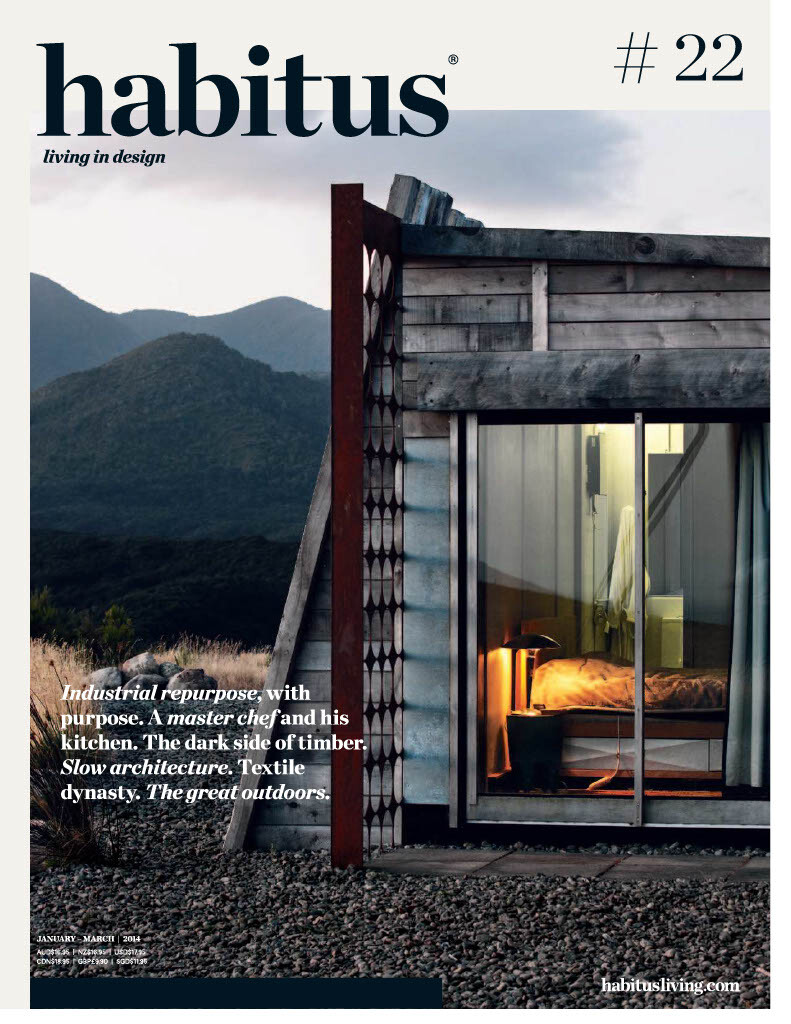
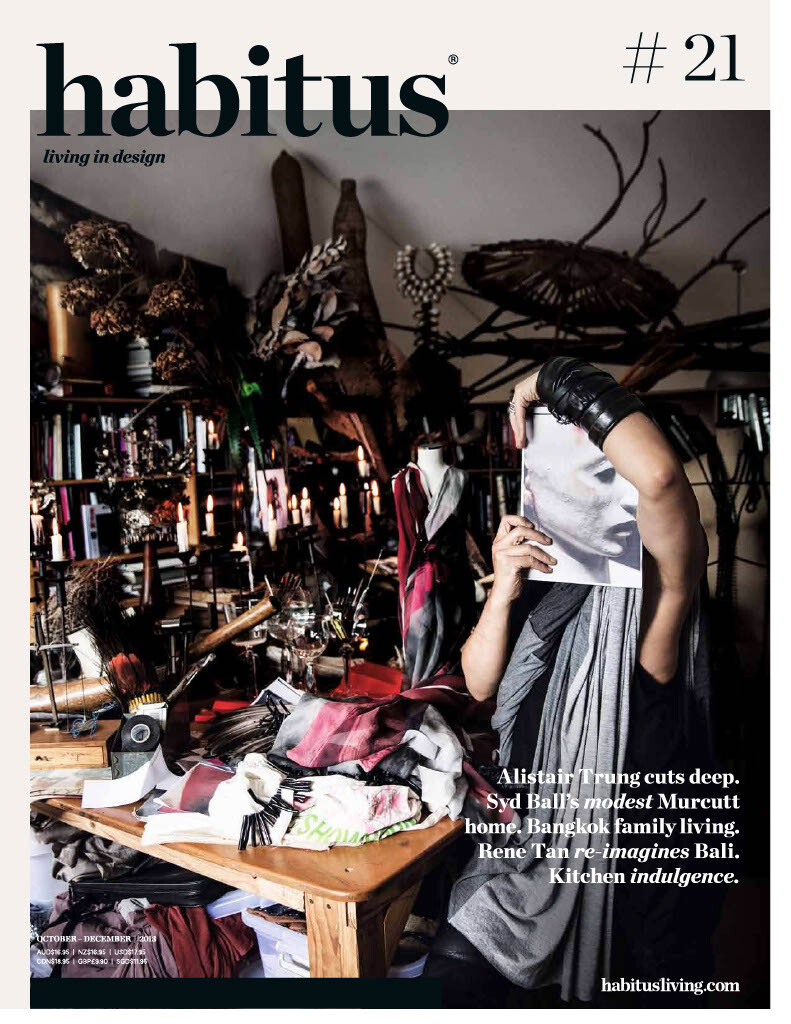
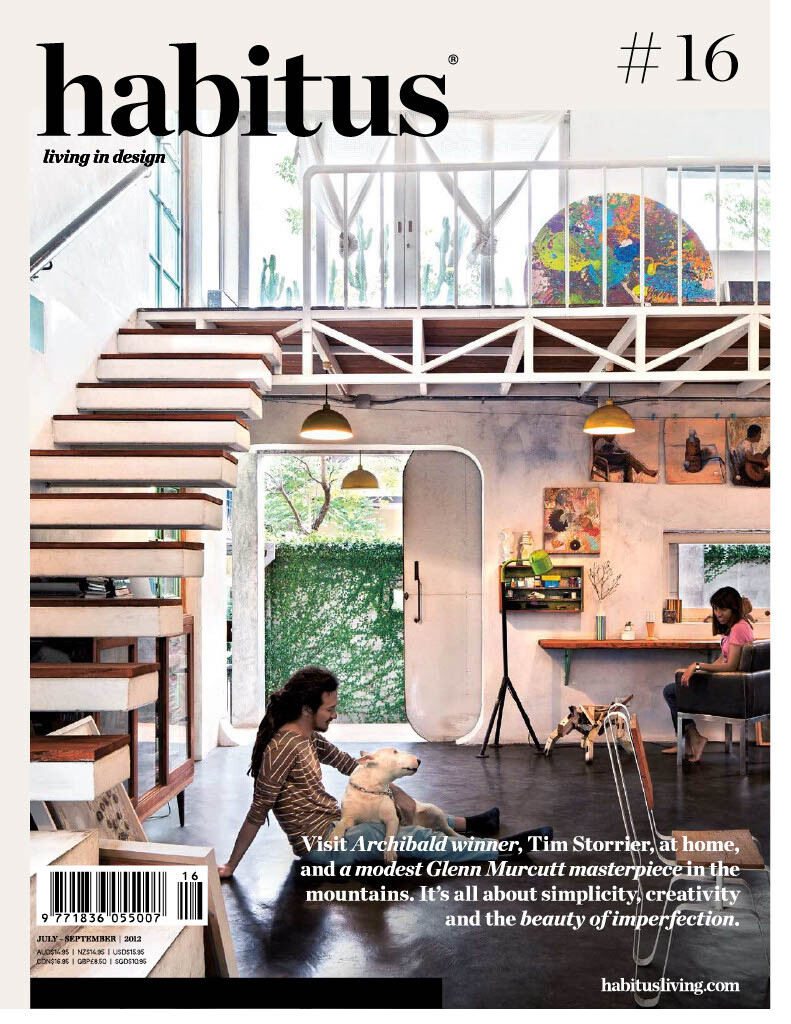
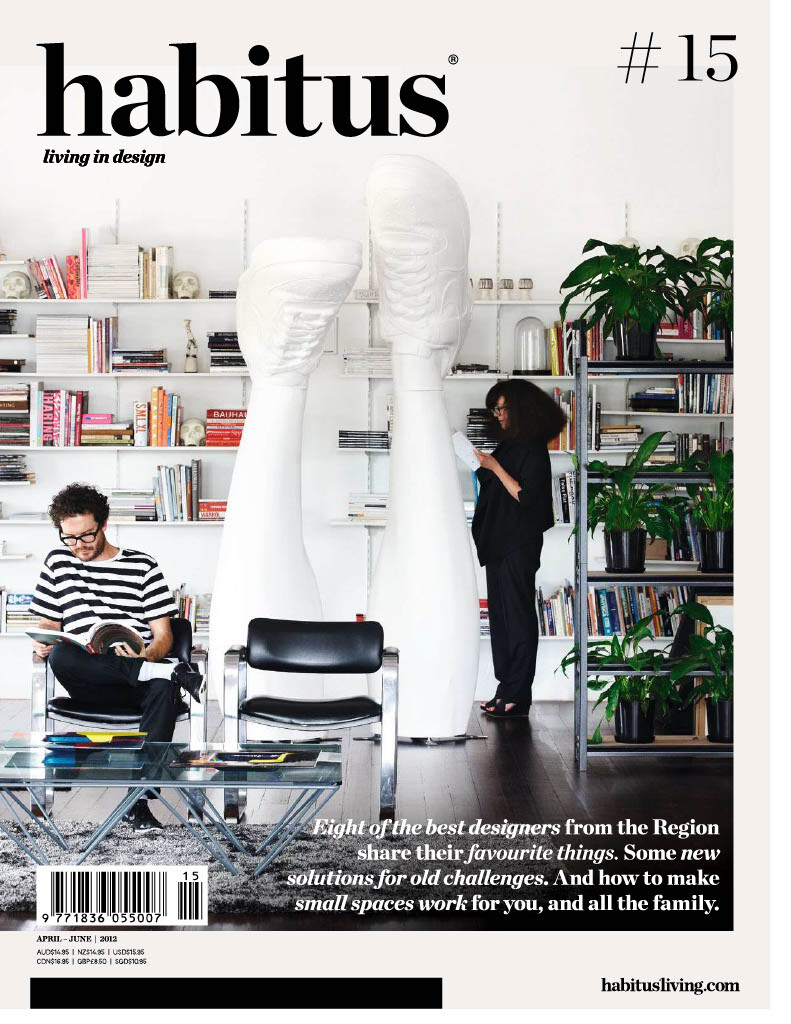
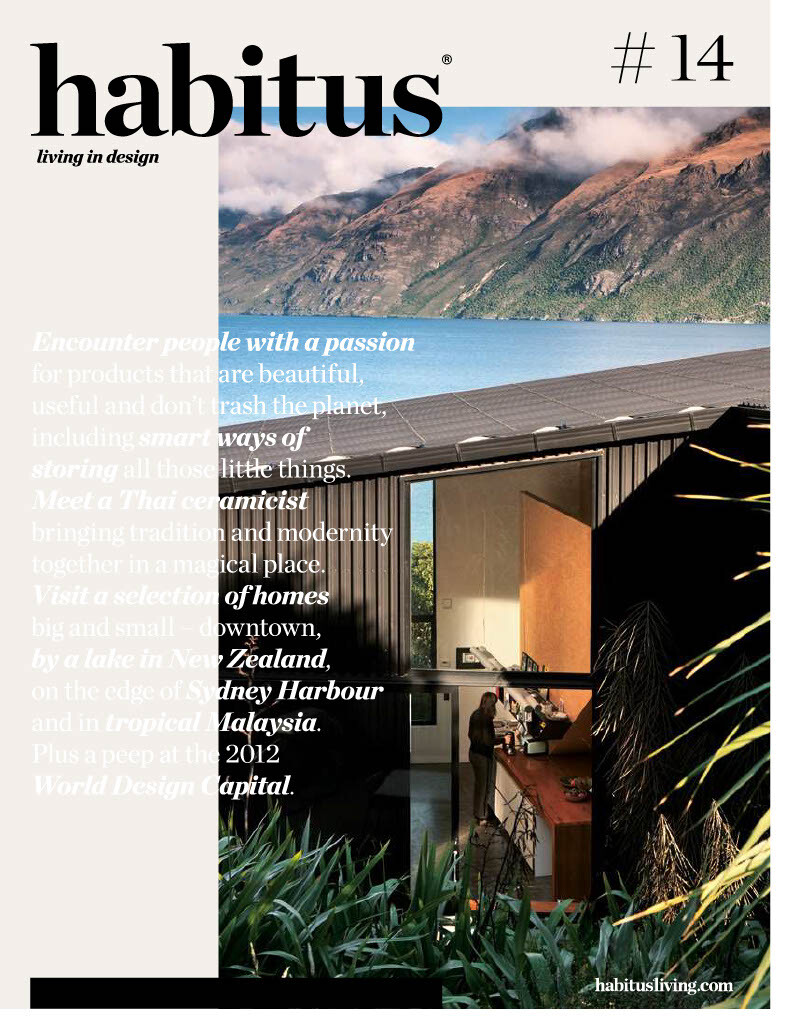
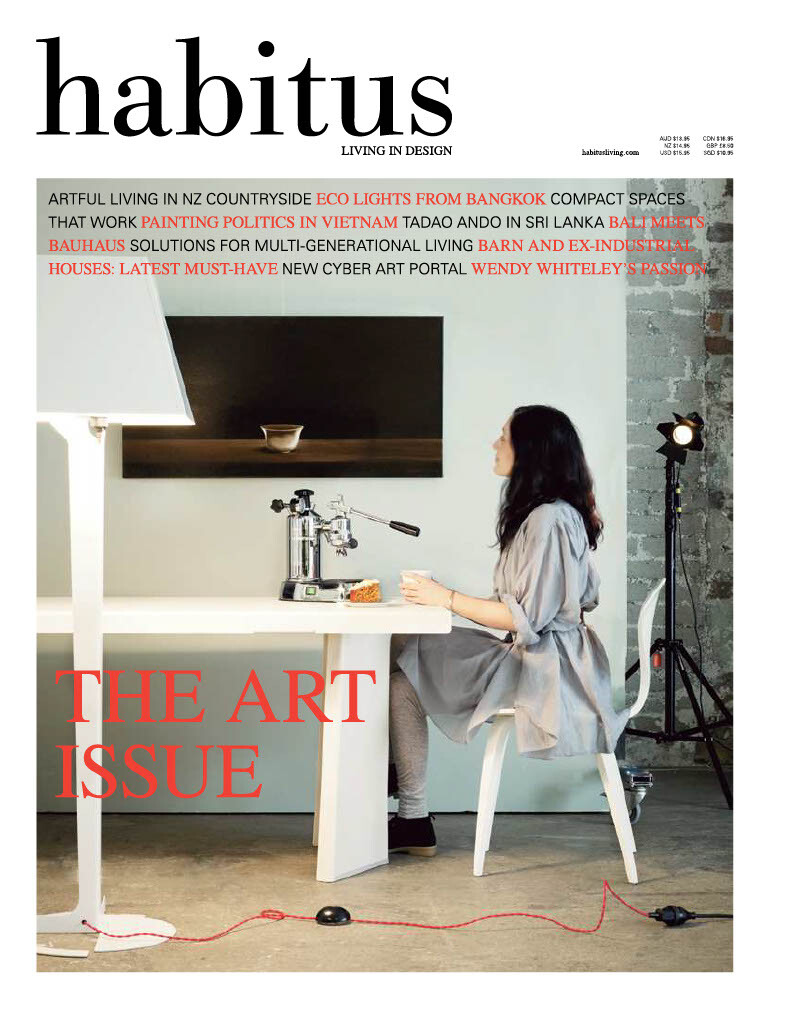
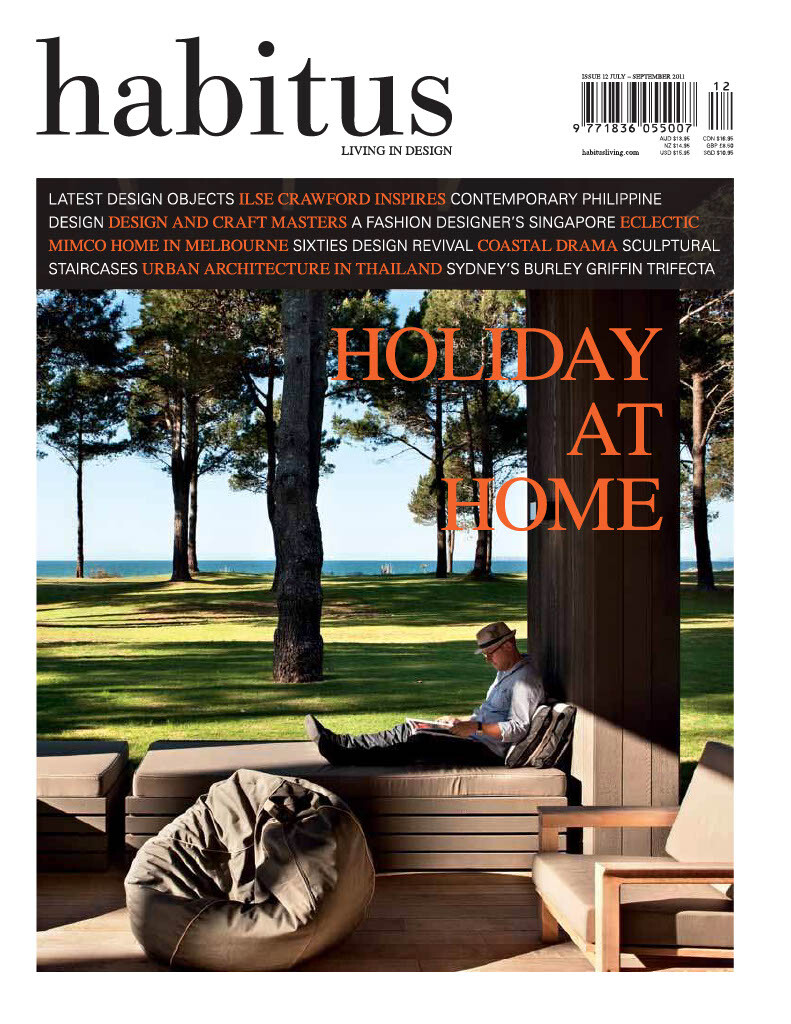
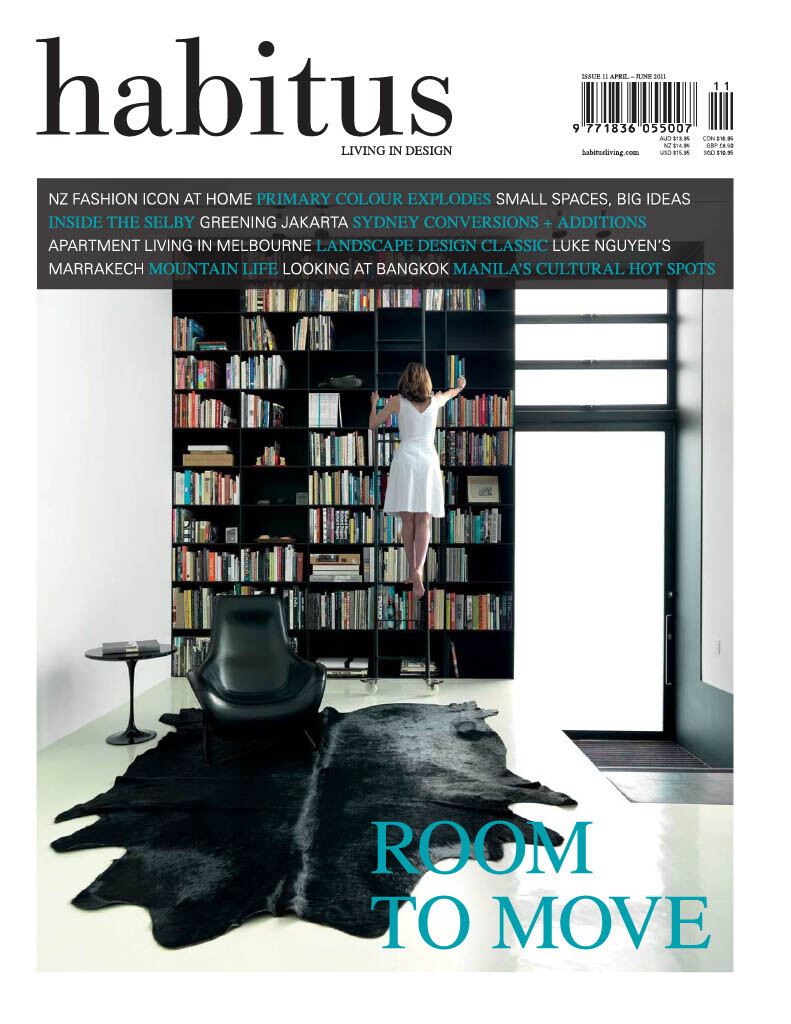
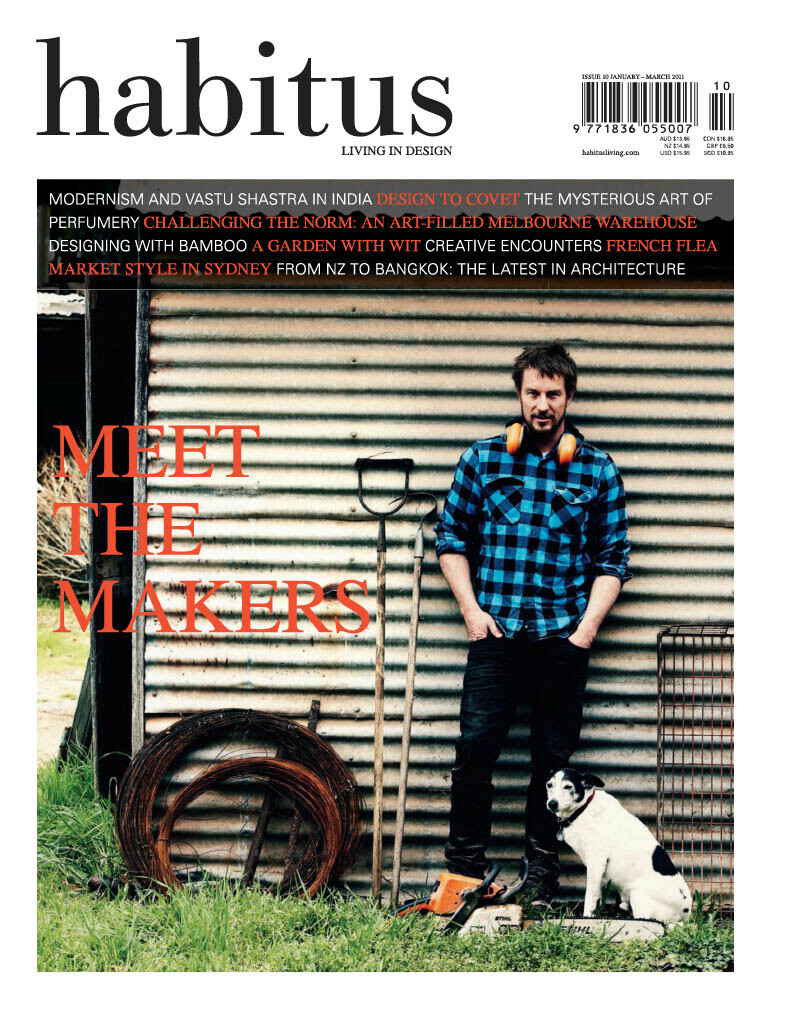
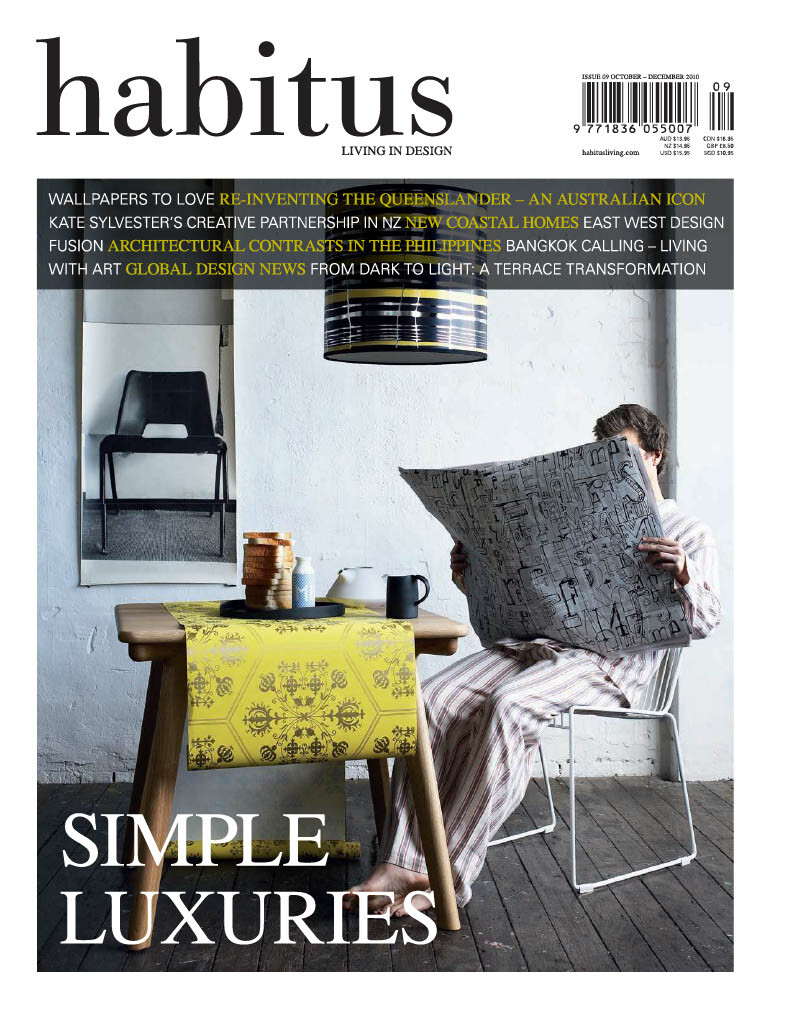
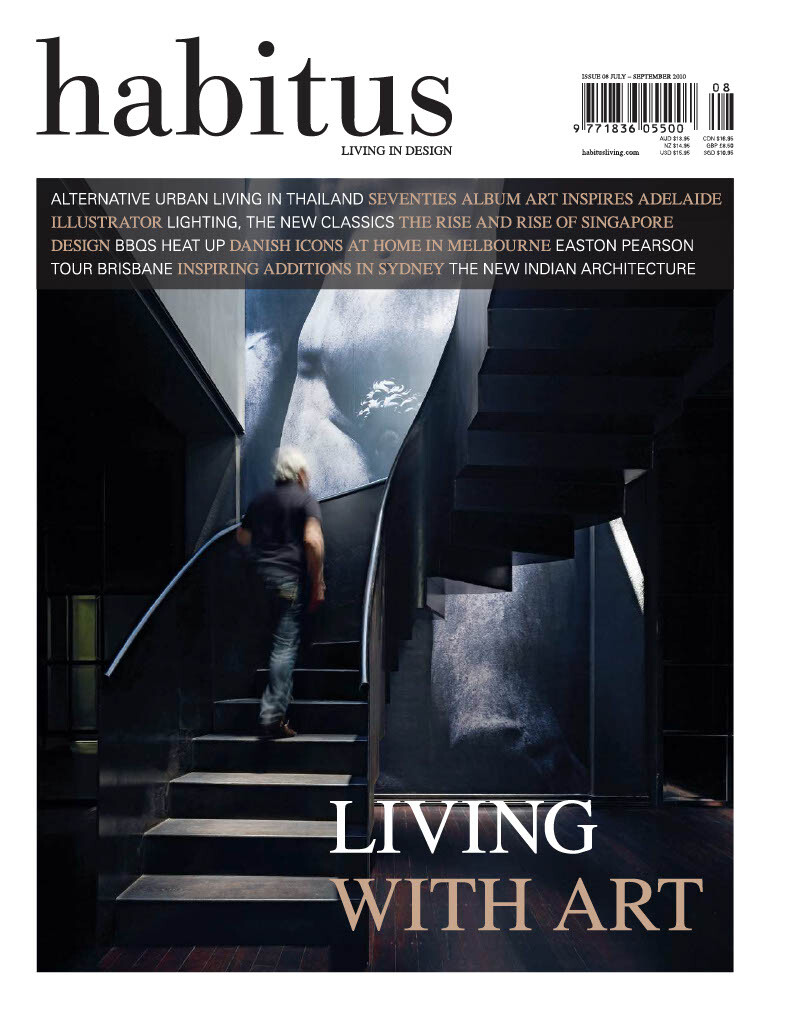
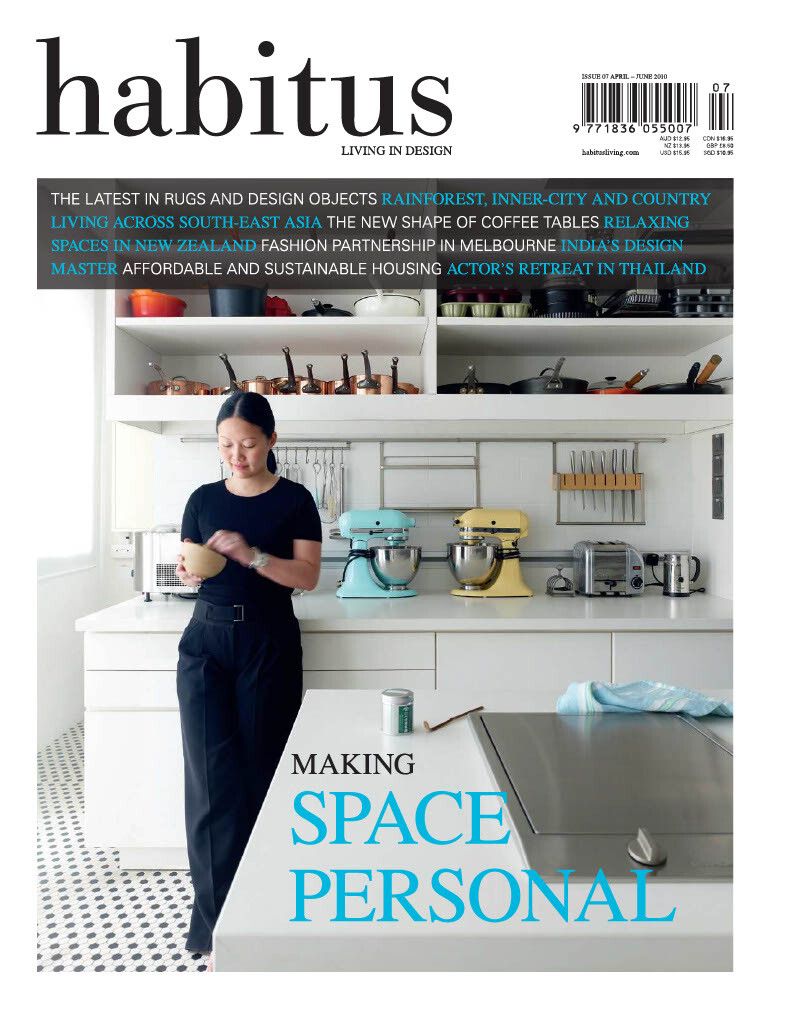
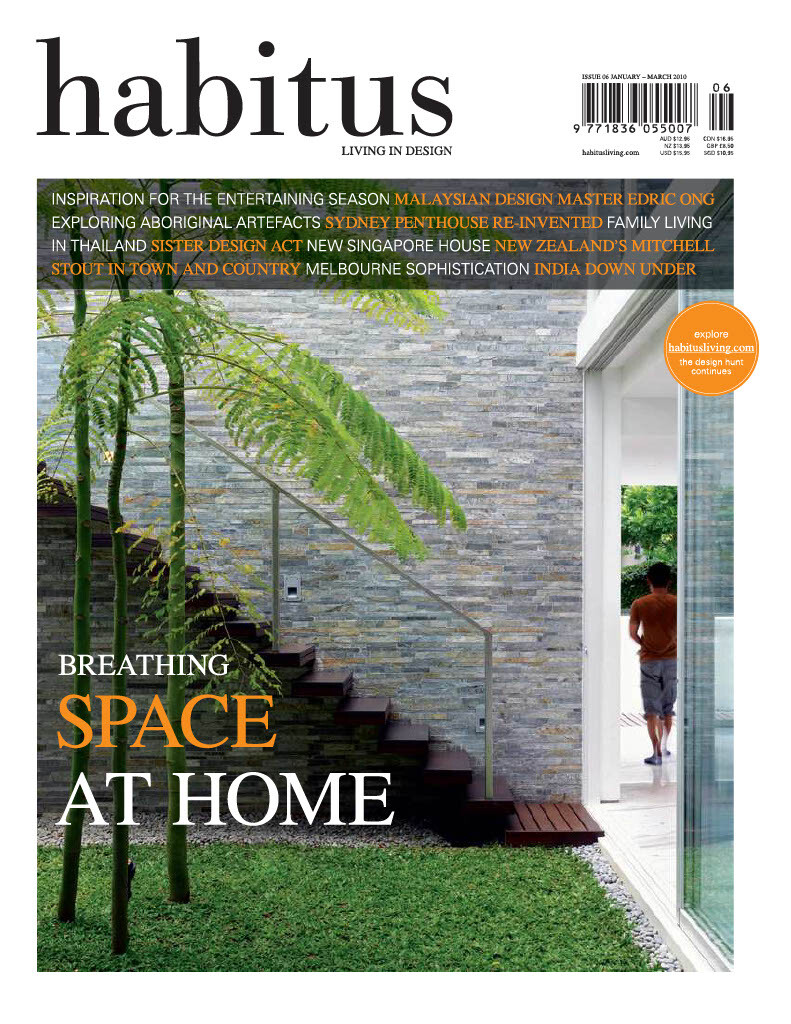
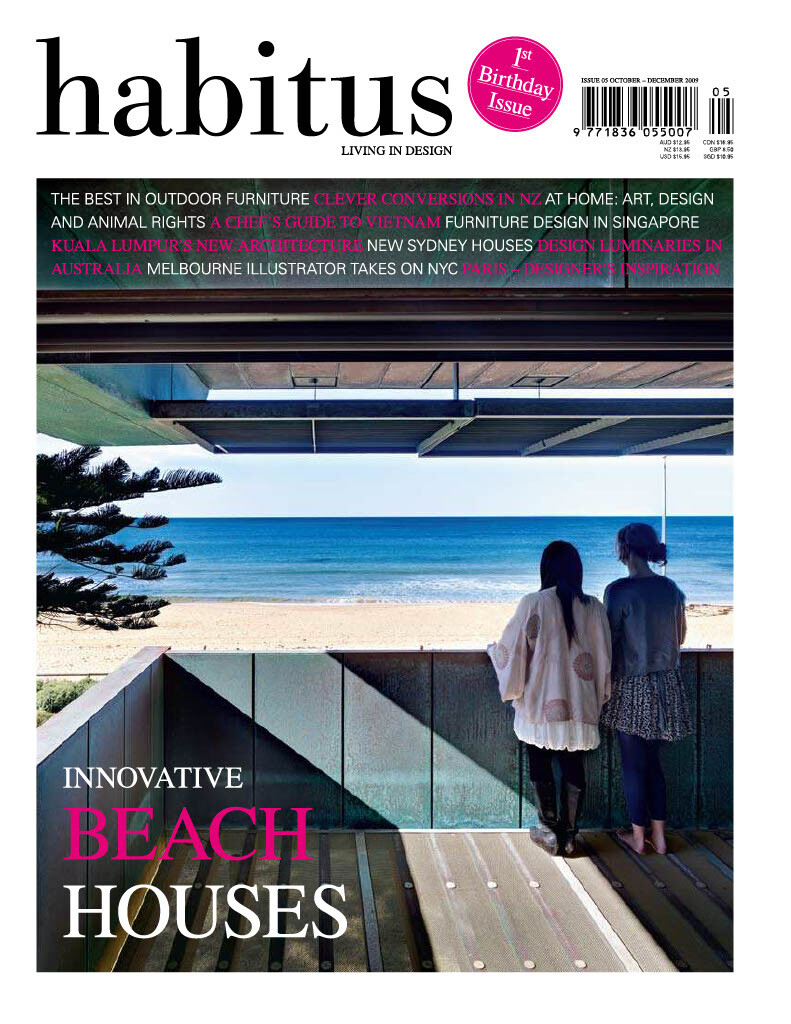
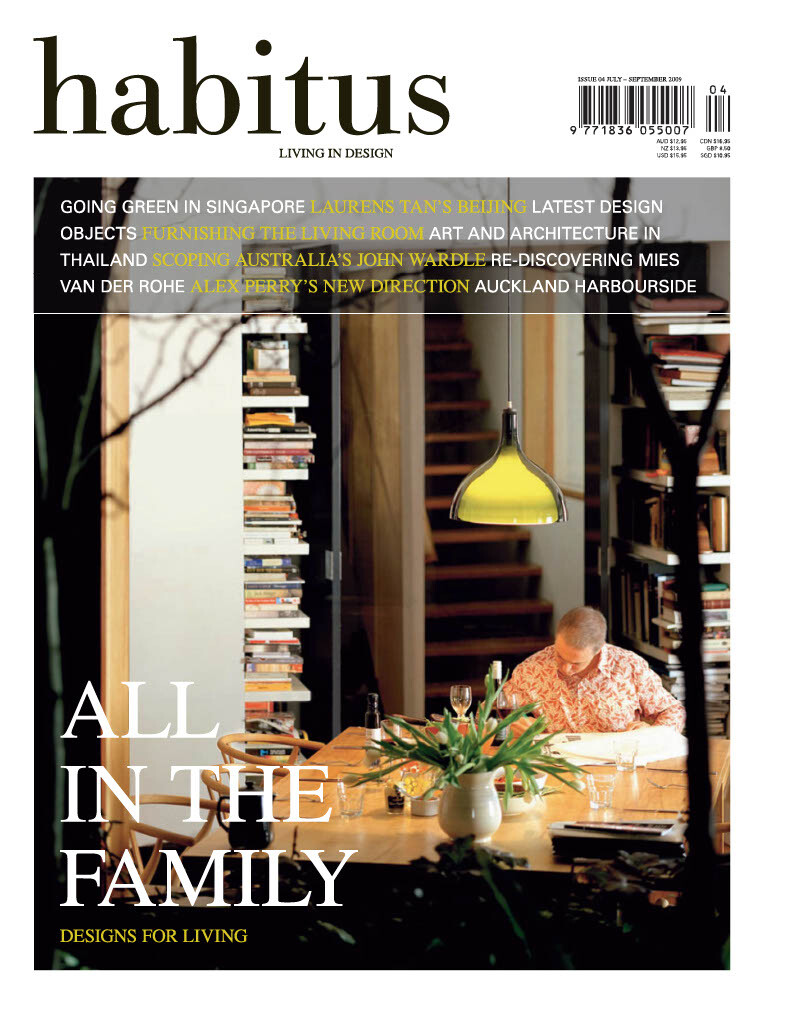
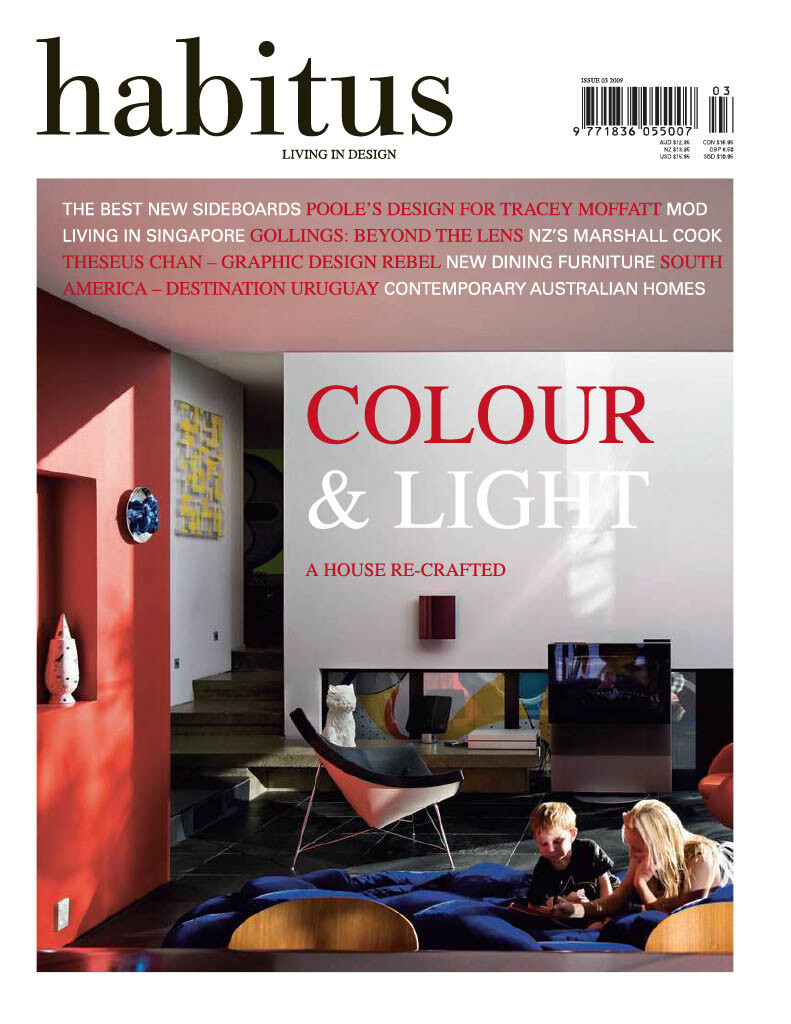
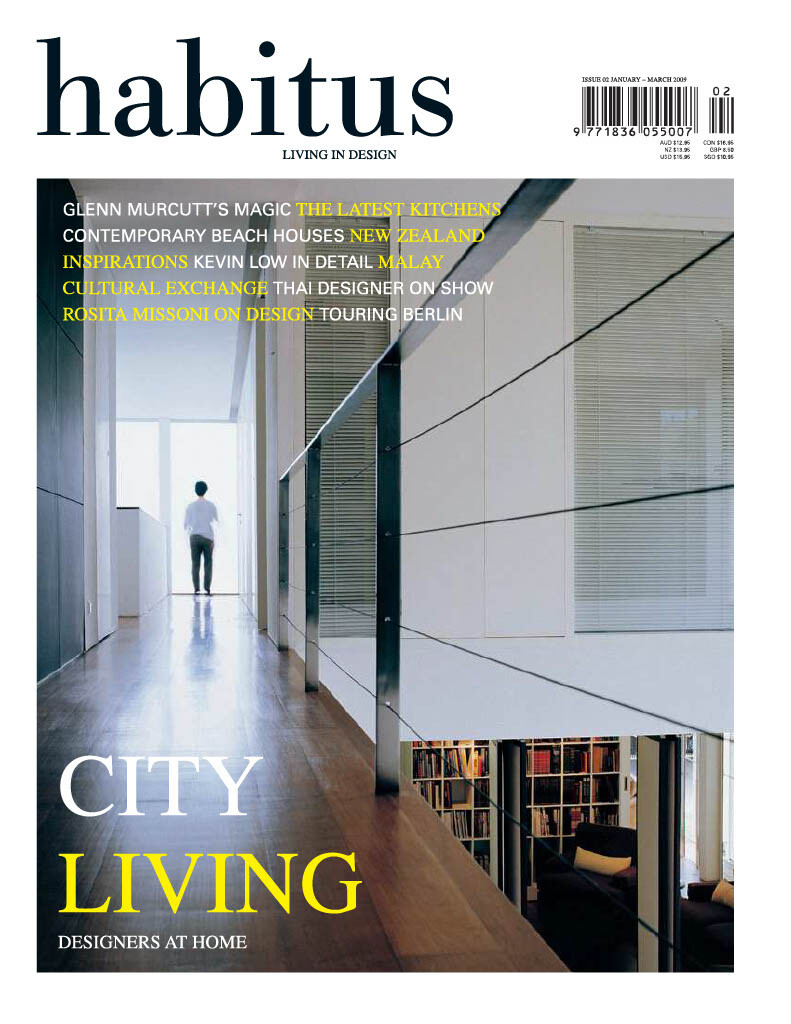
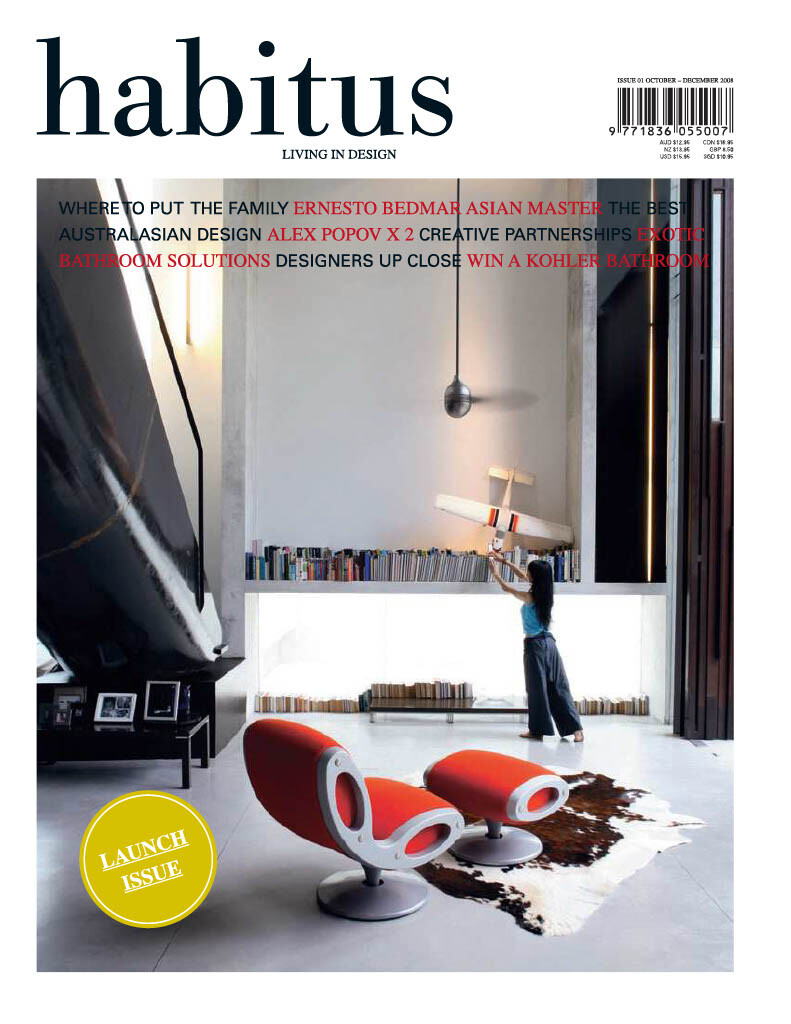
Habitus Magazine is the Asia Pacific authority of choice for Design Hunters® looking for the special in design and architecture and products, providing an exclusive view into the regions most beautiful homes.
Subscribe Now