
Please Note: By submitting this form you will be added to the Habitus Living mailing list.
A recent feature in an Australian newspaper contrasted Melbourne and Sydney. It argued that Melbourne had a strong and enduring cultural memory, but that Sydney had none. Melburnians, it said, are always conscious of where they have come from, whereas Sydneysiders are completely ahistorical. One has a strong sense of place, the other lives in cyberspace.
But cyberspace, like the Exploding Universe, seems to be ever expanding, threatening us all with permanent anomie – a feeling of not belonging anywhere. This is an aspect of the clash of modernity and tradition.
Currently, Asia is the arena where this clash is most obvious – although elsewhere the Slow movement and the lo-fi revival of individual craftsmanship for contemporary use are examples of organised resistance to the loss of identity through cyber-colonialism.
But modernity is an irresistable force and revivalism alone simply leads down a sentimental one-way street – for example, preserving old buildings without adapting them to valid contemporary use. But with modernity – essentially a western invention – threatening to take over, architects and designers in Asia have confronted it. This has not been a rejection of modernity, but increasingly an interrogation of it to define its limits, its threats and its potential.
Ironically, it was the European modernists who argued that tradition, if it was to have any value, needed to be constantly questioned. Now, especially in Asia, it is the modernists who are being questioned, not so much as a rejection of modernism, but more to reconcile the benefits of modernism with the need for a healthy, continuing tradition (because it gives people a sense of identity) and with the local climate and environment (because that is more responsible).
Once referred to as tropical modern, this critical reconciliation of the traditional and the modern within a heightened awareness of physical and cultural place is increasingly producing some wonderful architecture and product design in Asia. Residential architecture has led the way. Commercial architecture has been more tardy (although Hijjas Kasturi and Ken Yeang in Malaysia, and Kerry Hill in Singapore are notable exceptions), but is catching up, while product design now has a design-driven momentum which could soon make Asia the design hub of the world.
Here modernist formalism has been complemented by a resurgent interest in materiality, ensuring that contemporary Asian design continues to be rooted in the reality of everyday life.
PAUL MCGILLICK | EDITOR
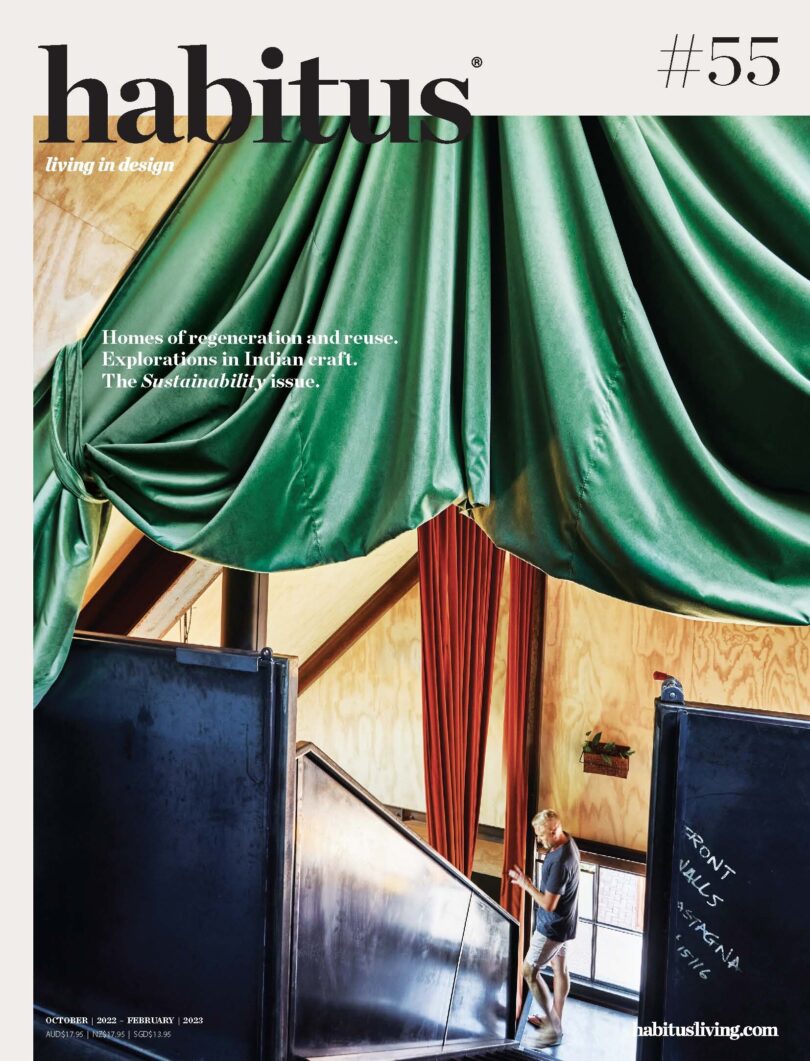
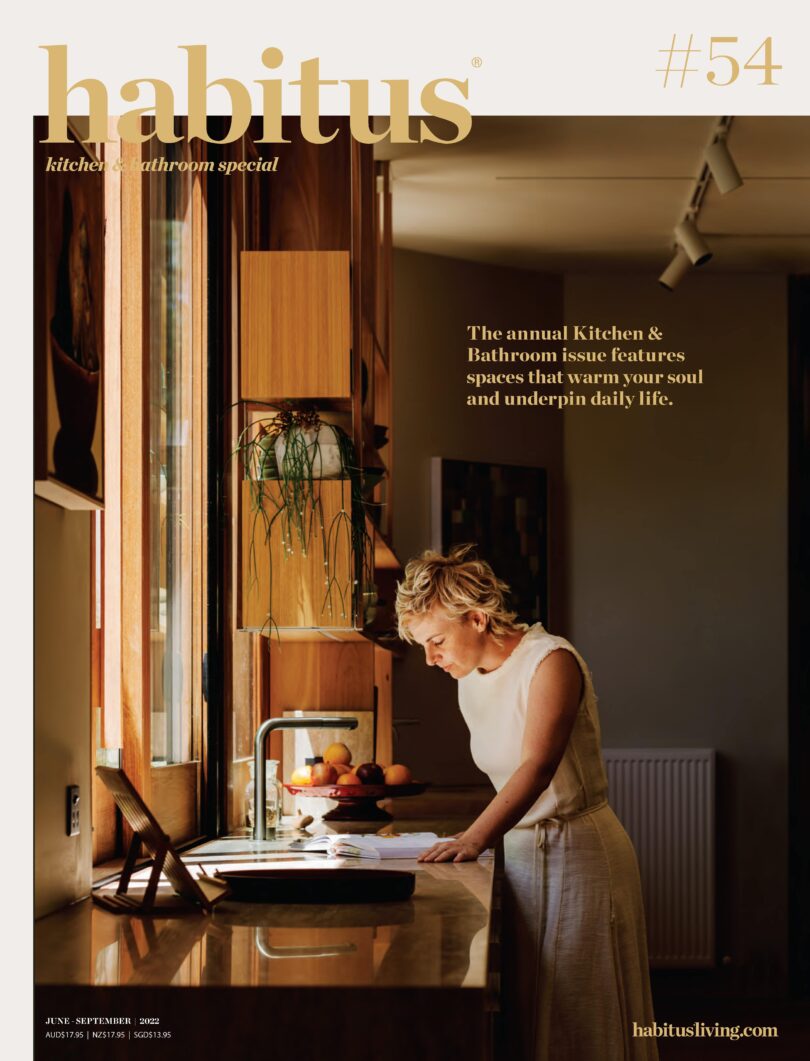
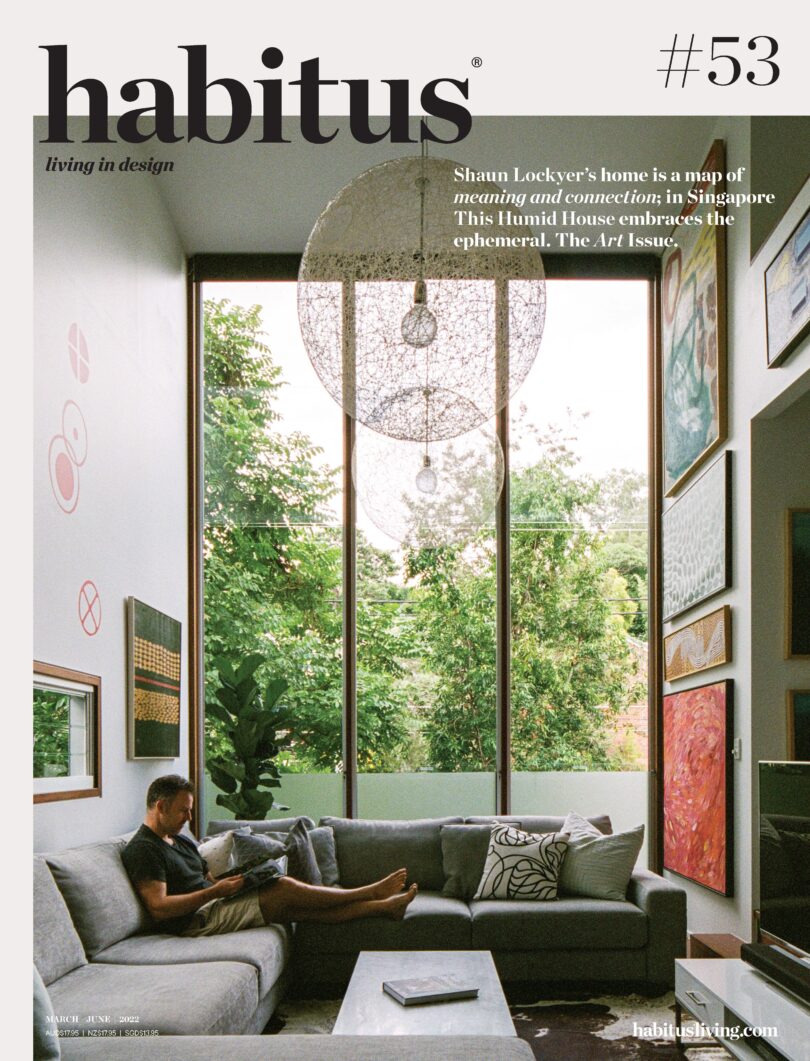
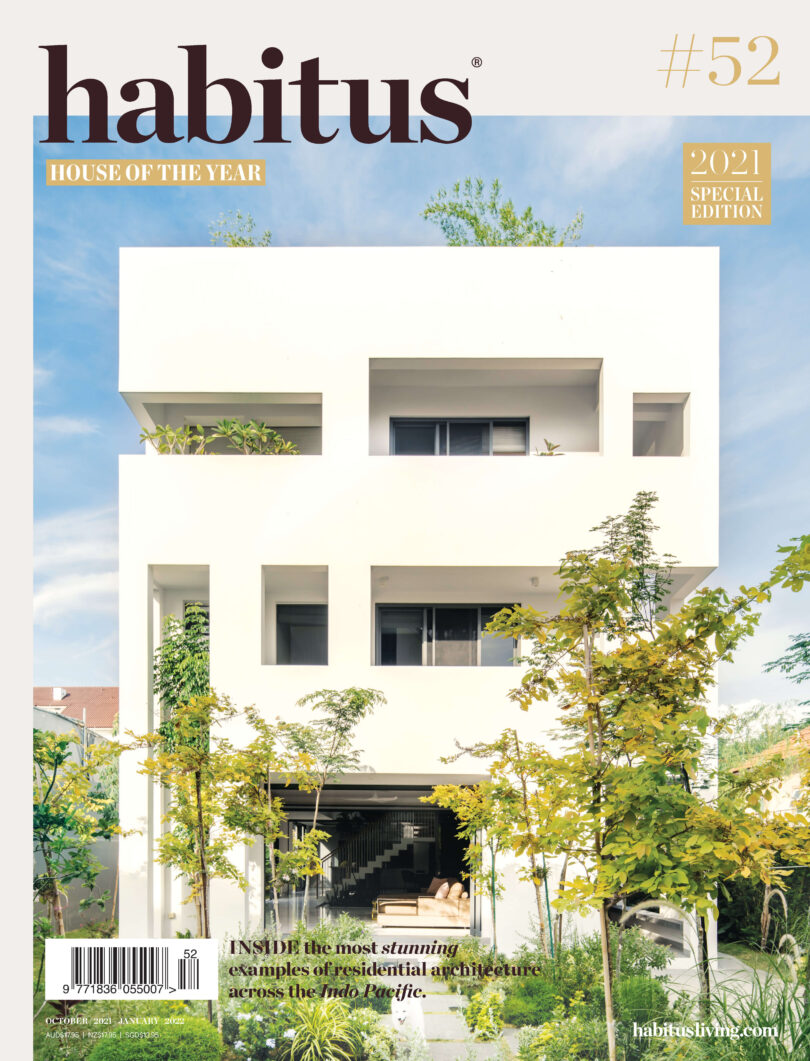
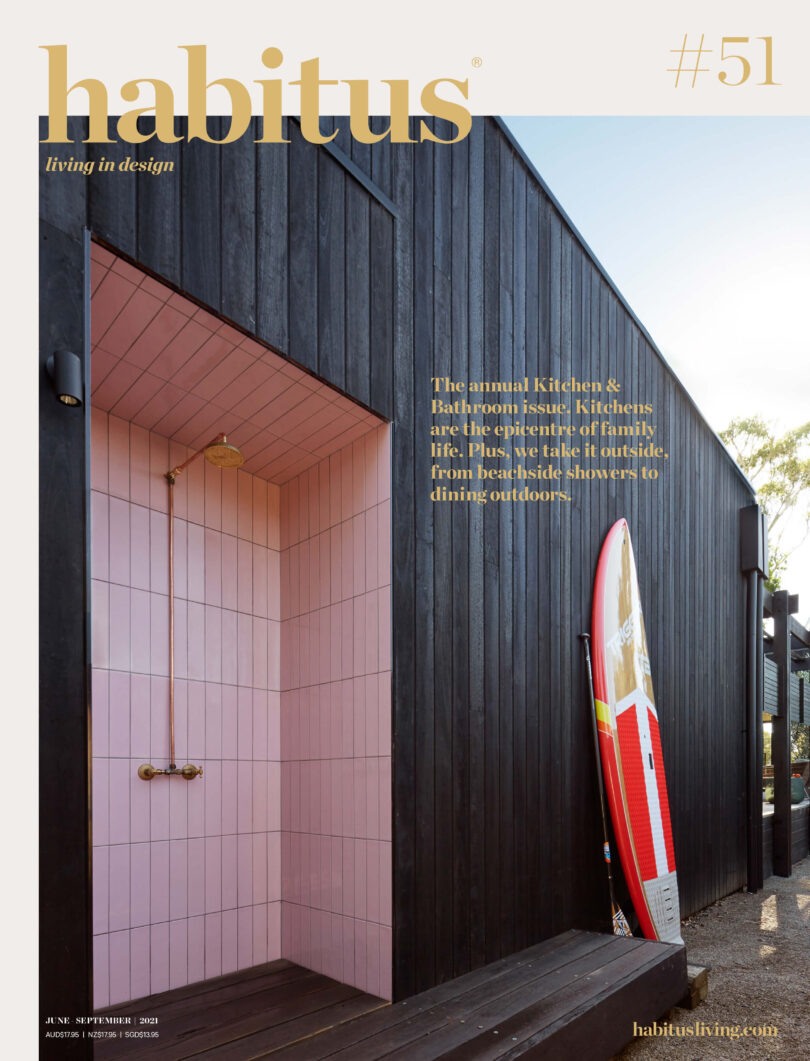
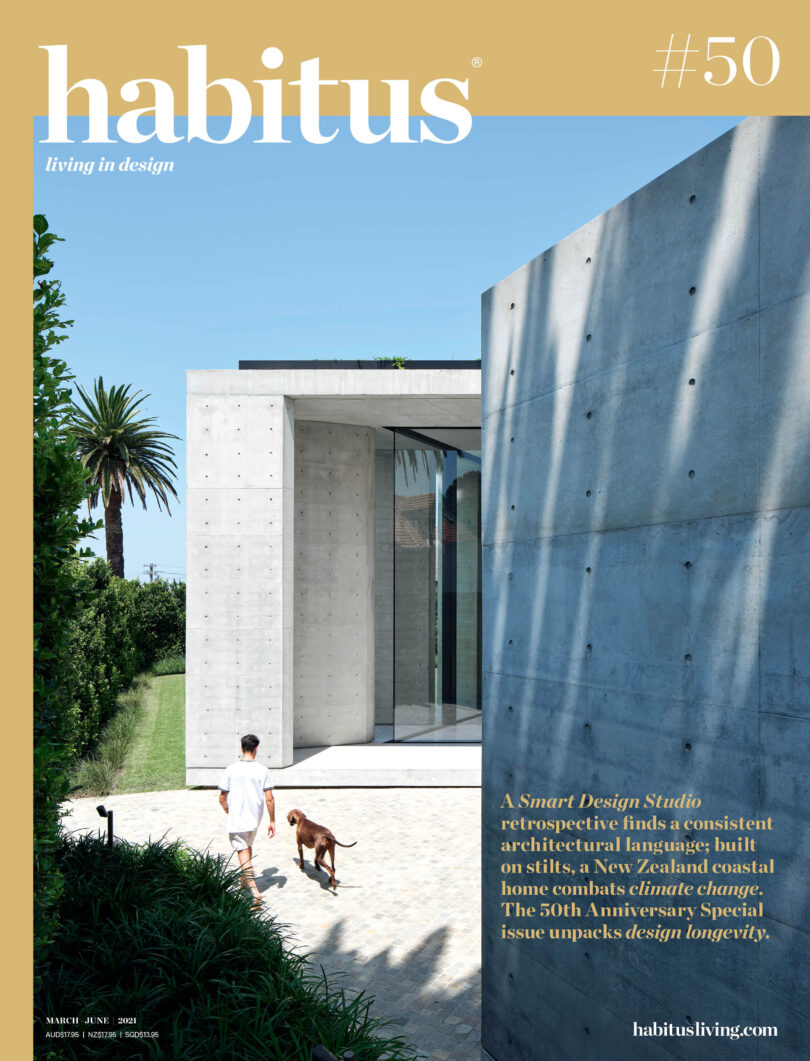
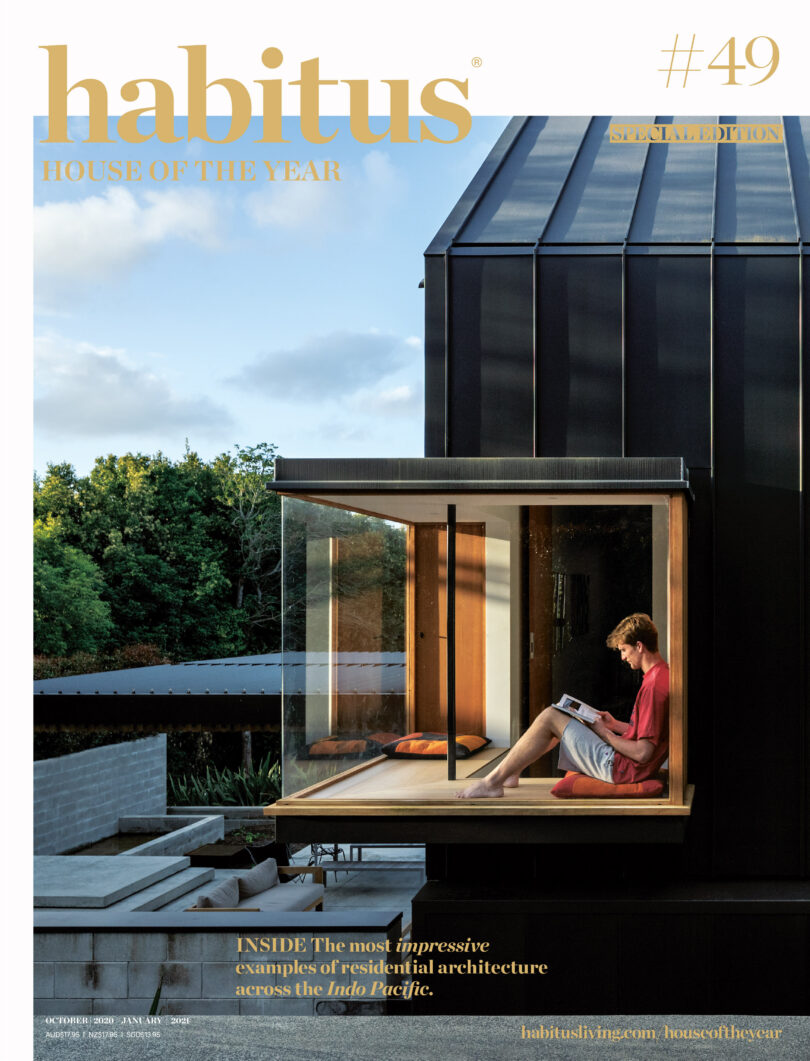
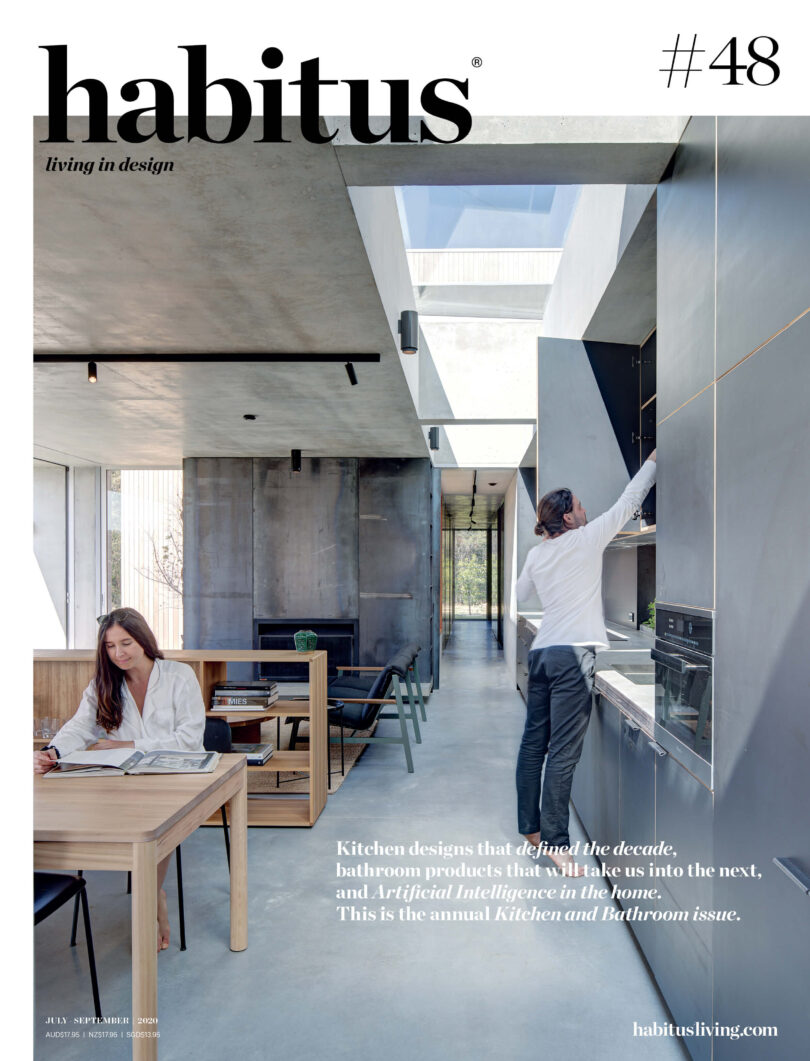
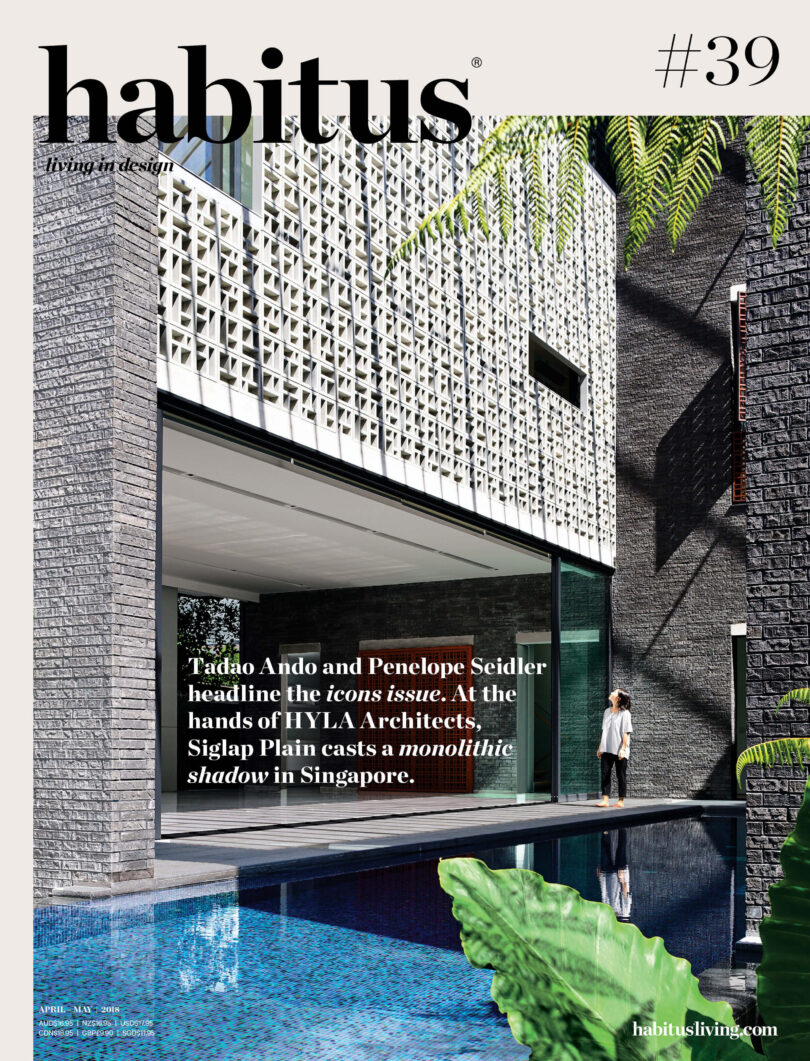
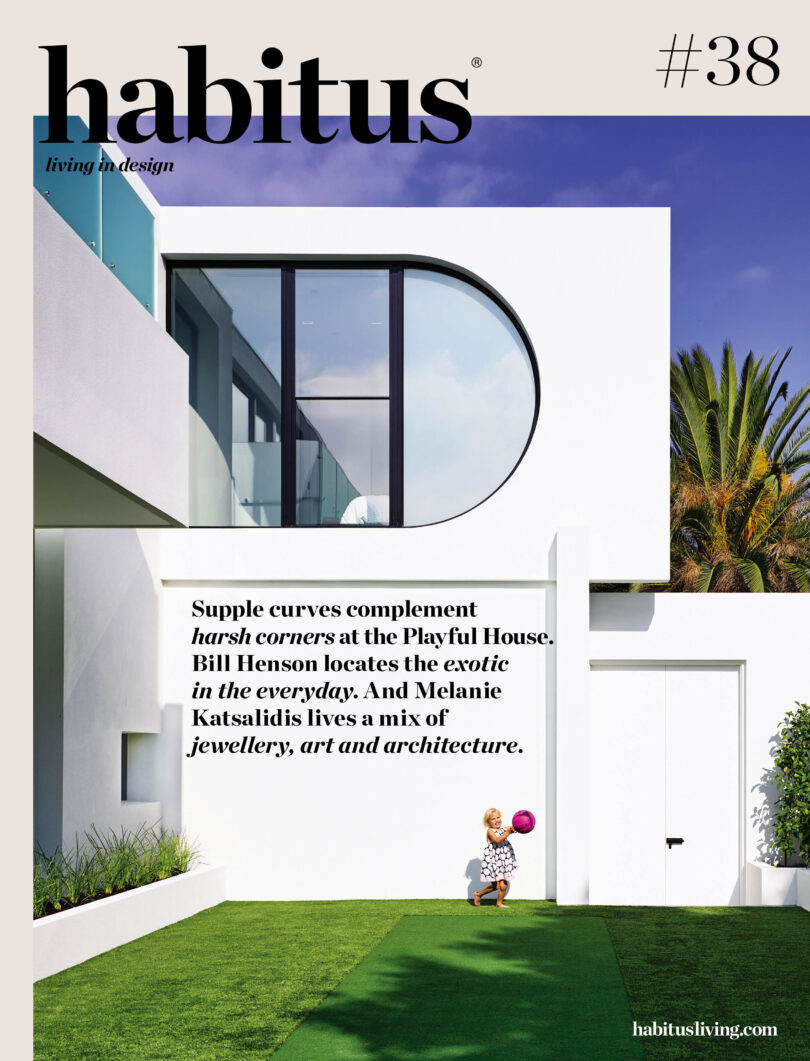
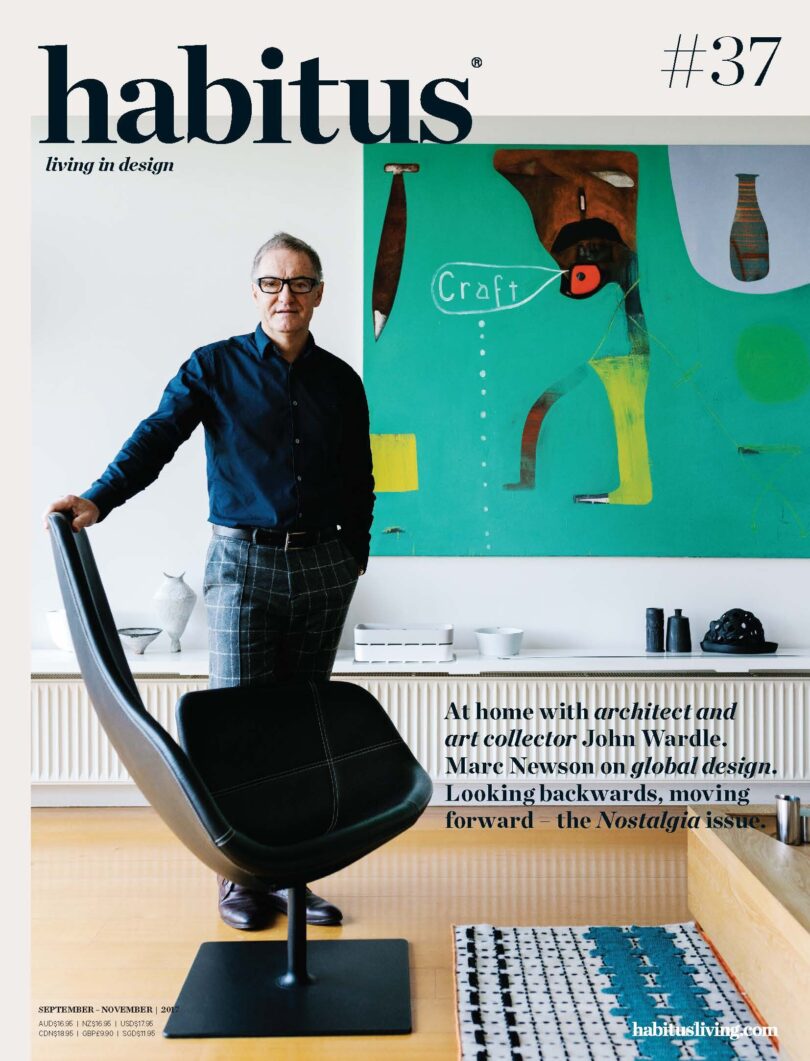
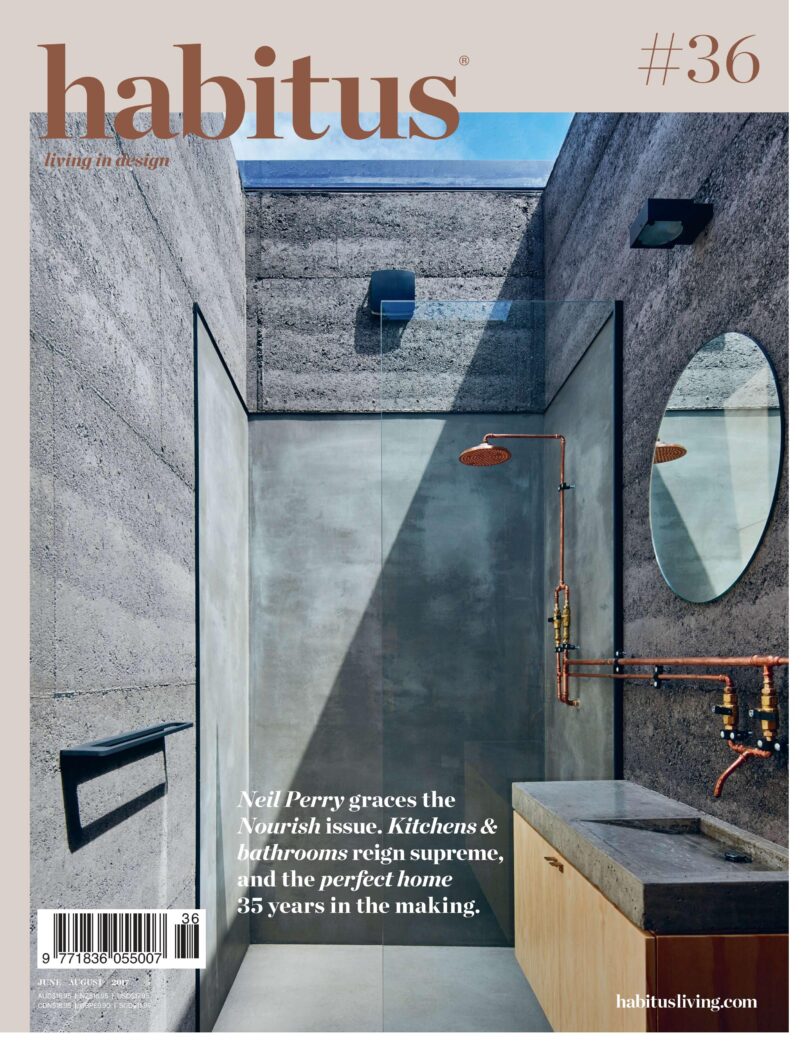
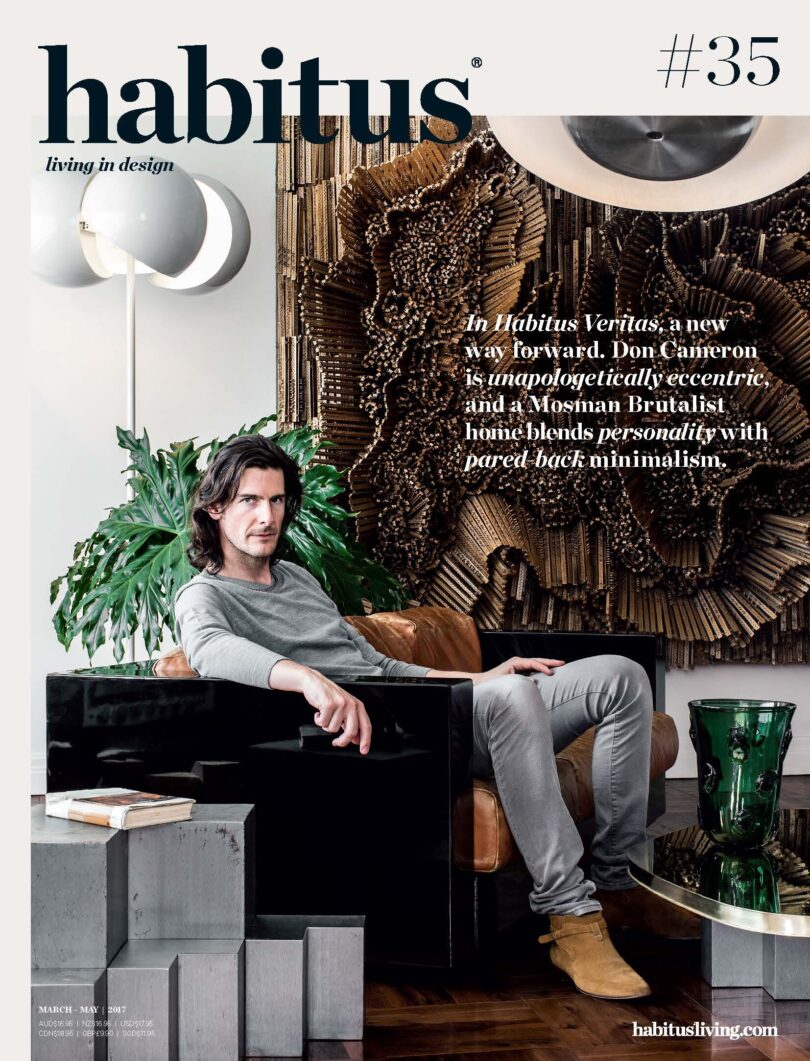
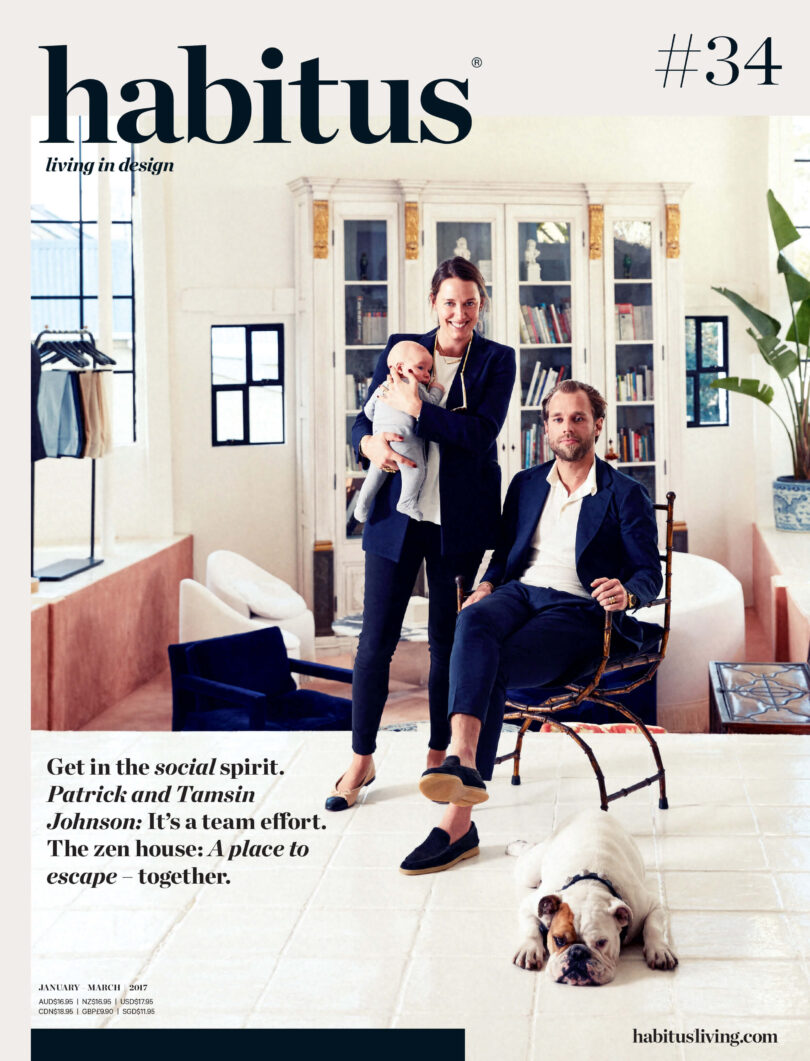
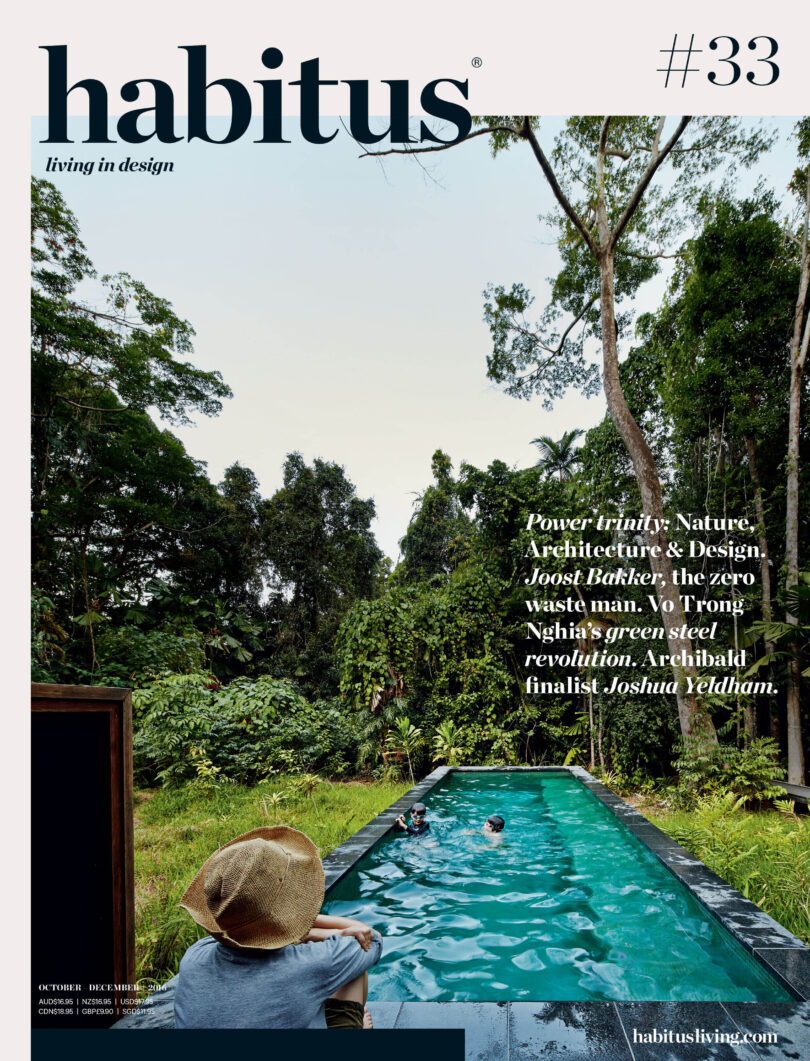
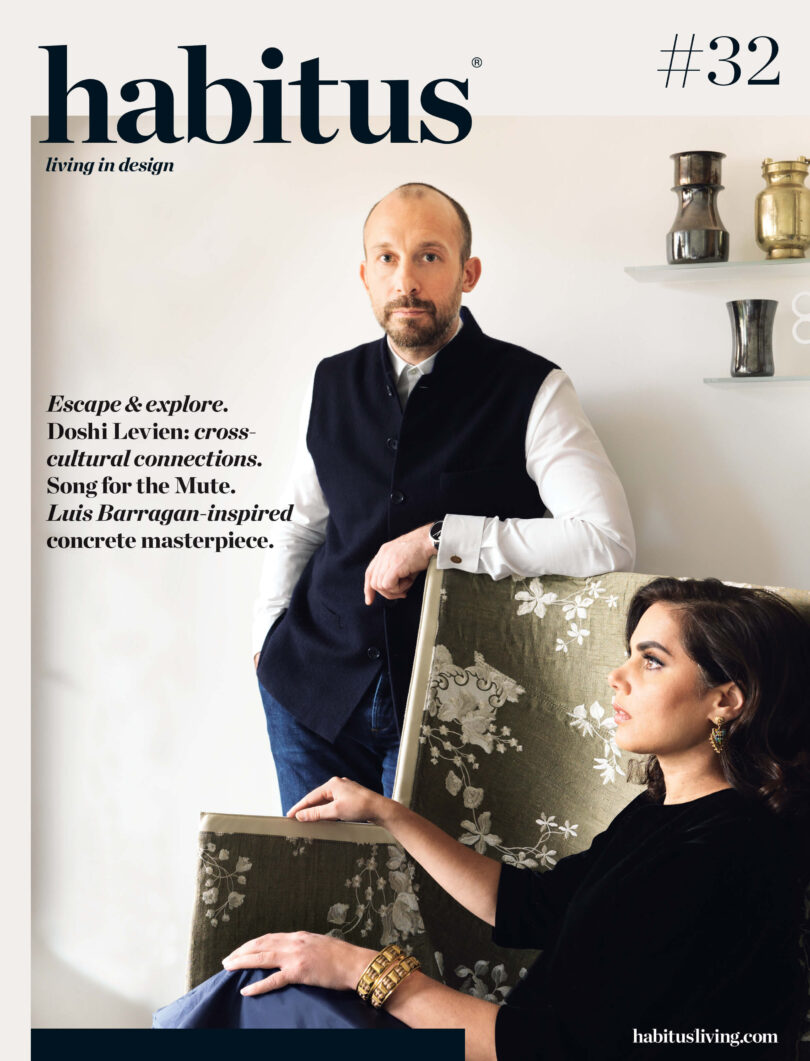

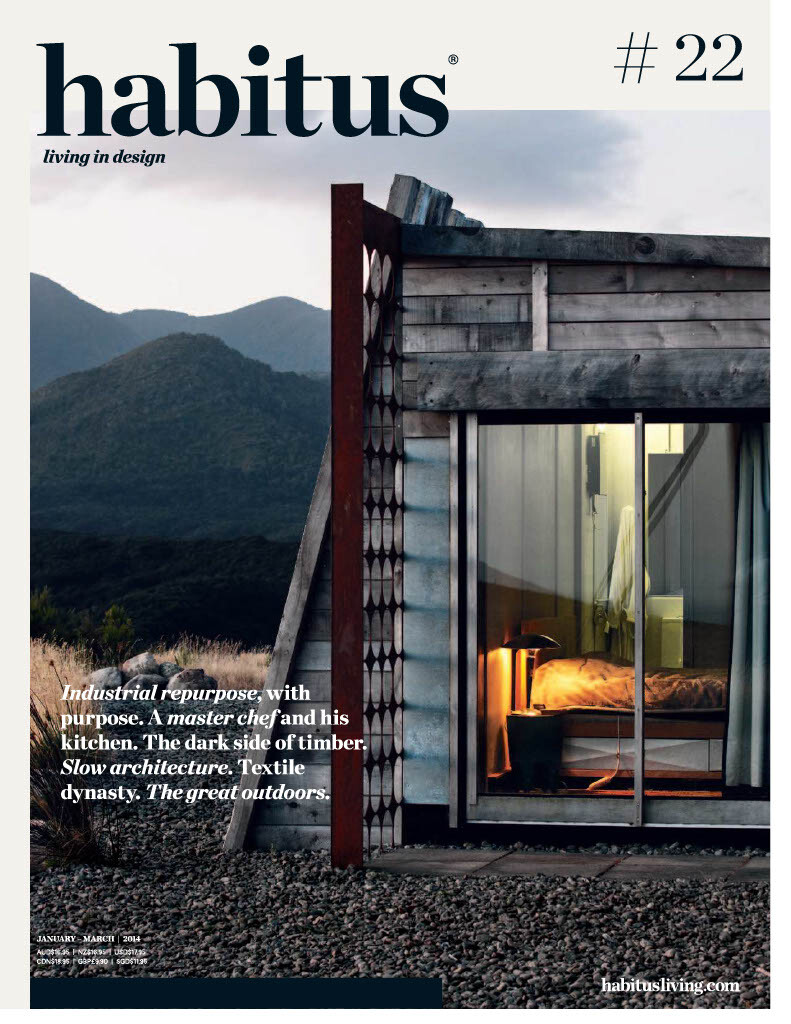
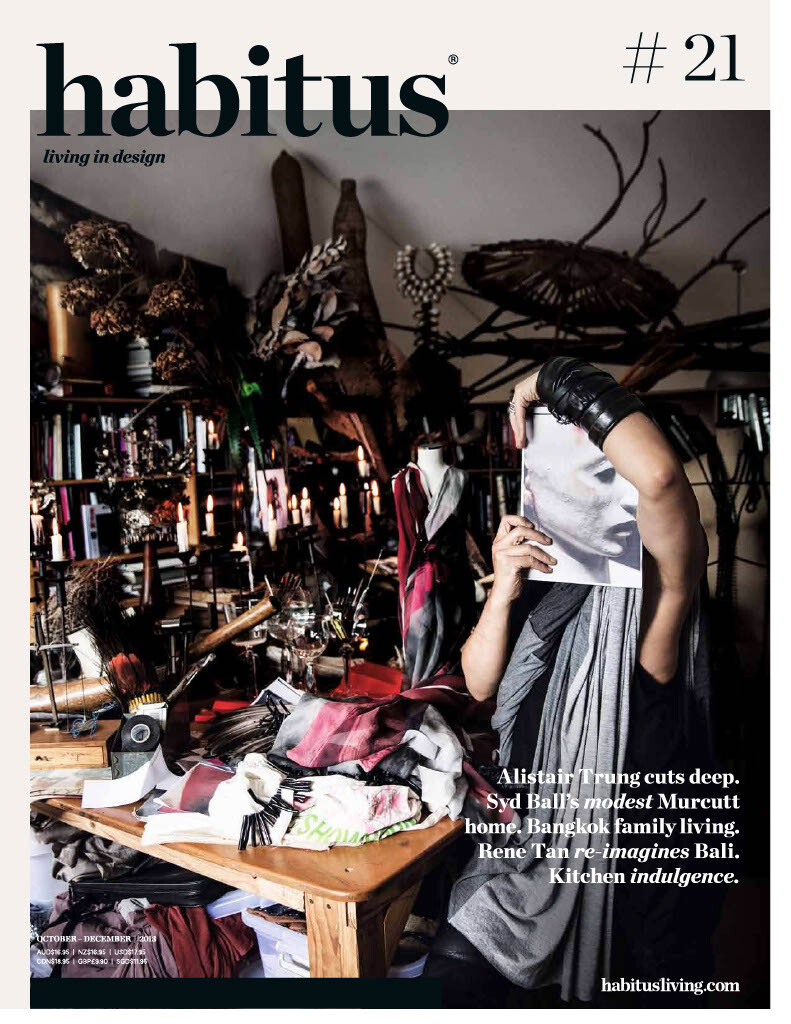
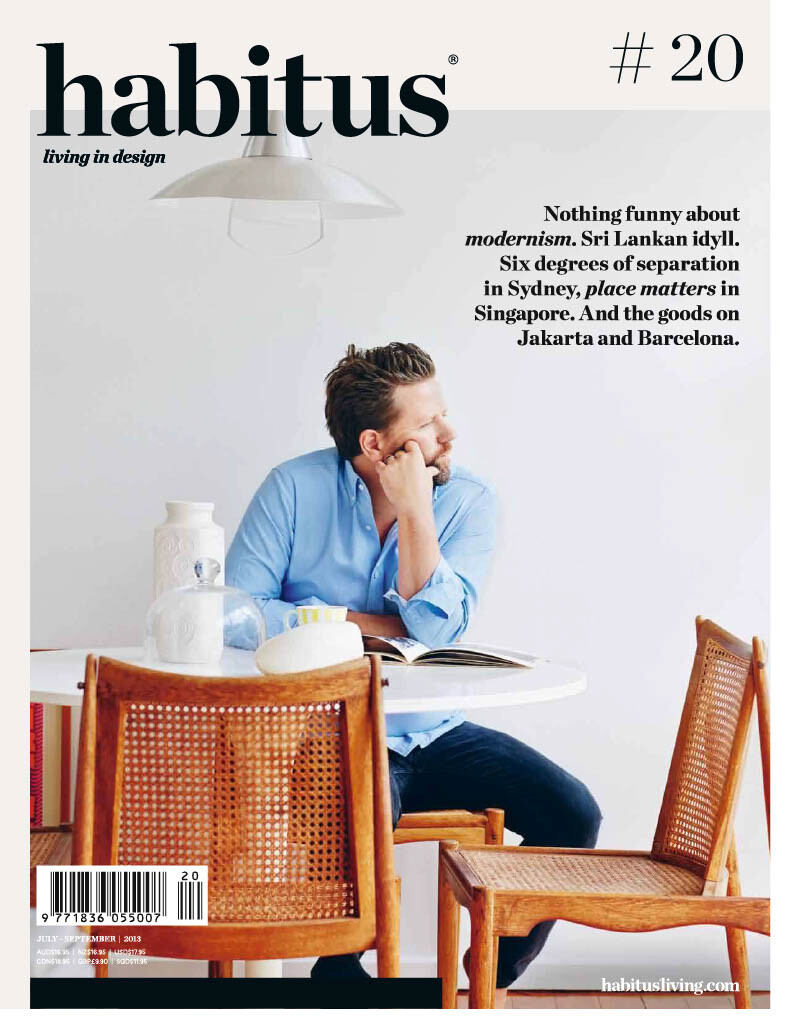
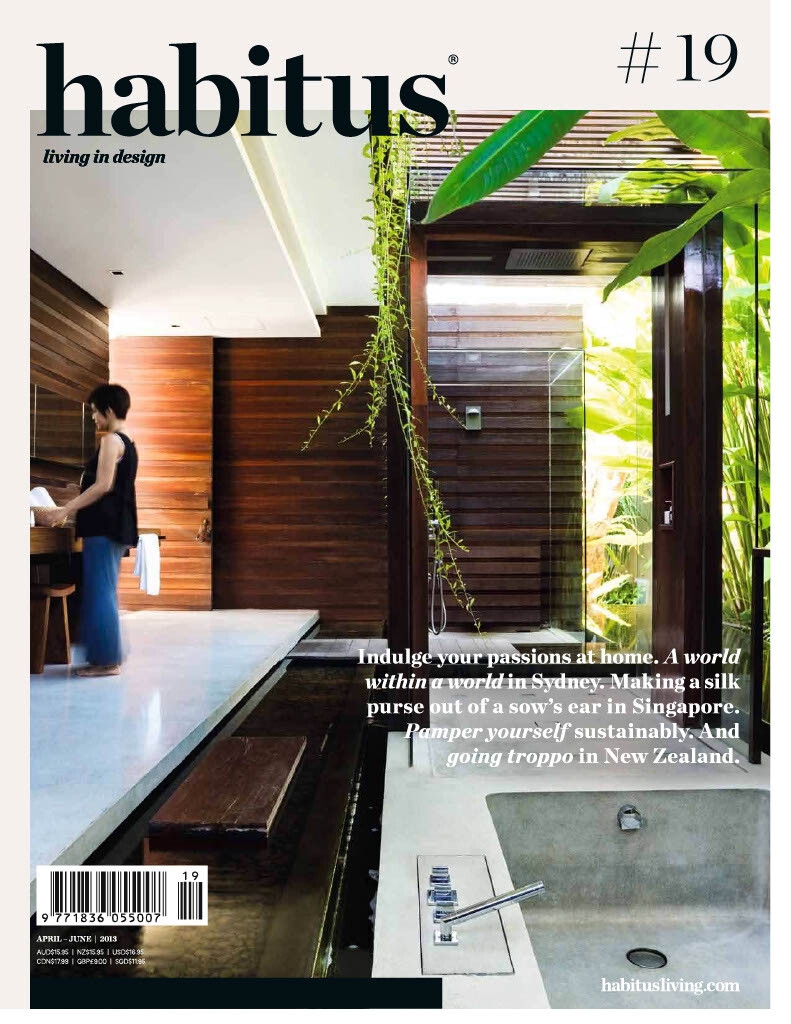
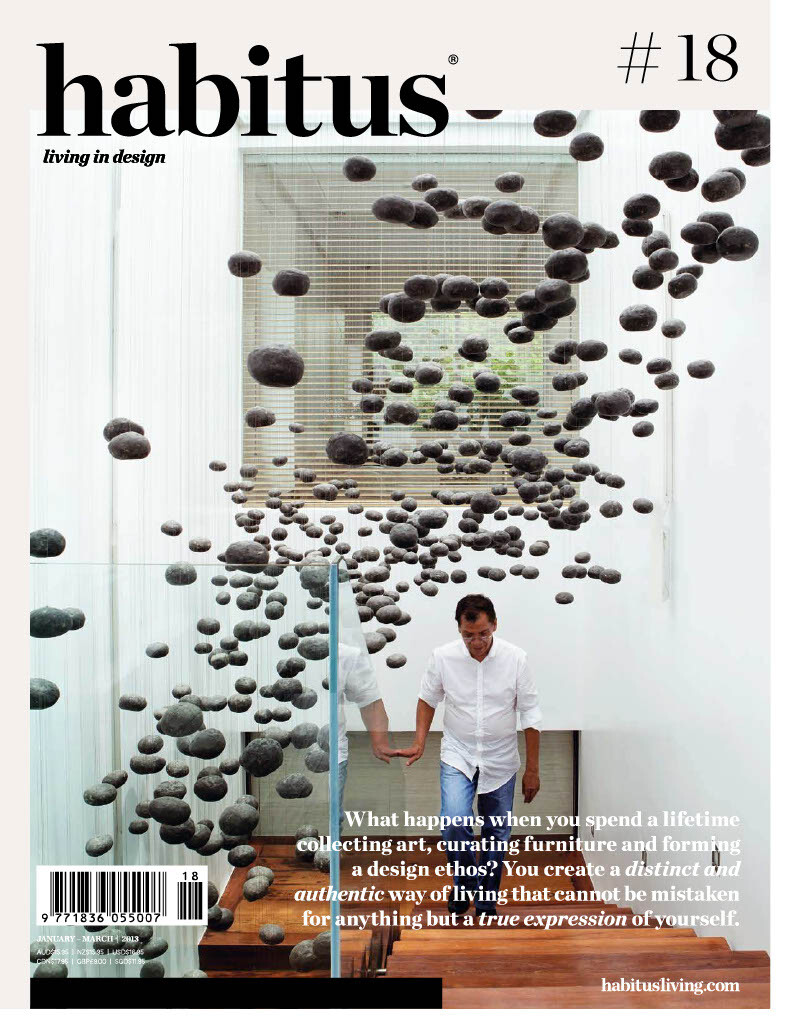
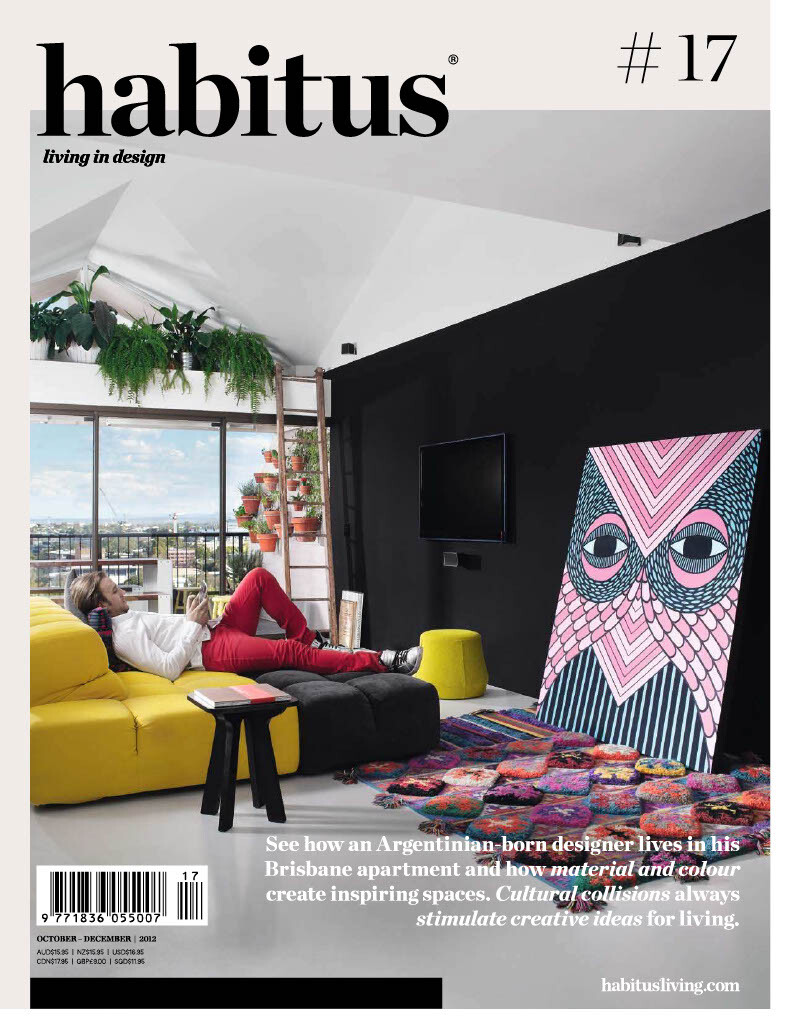
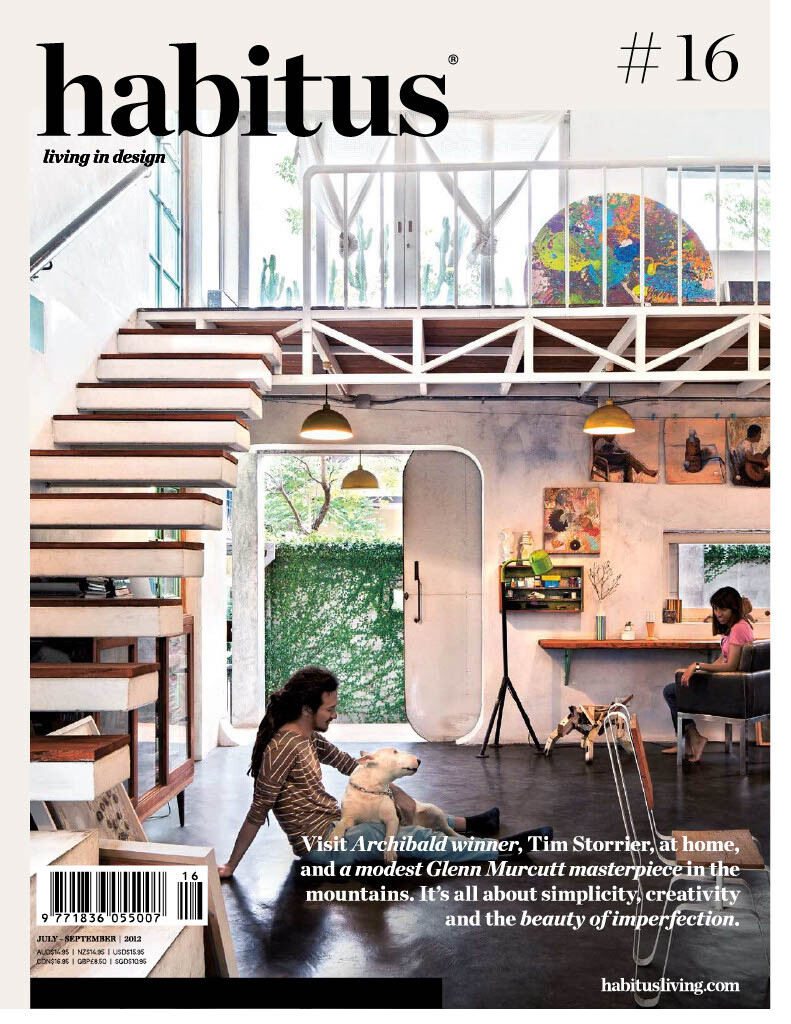
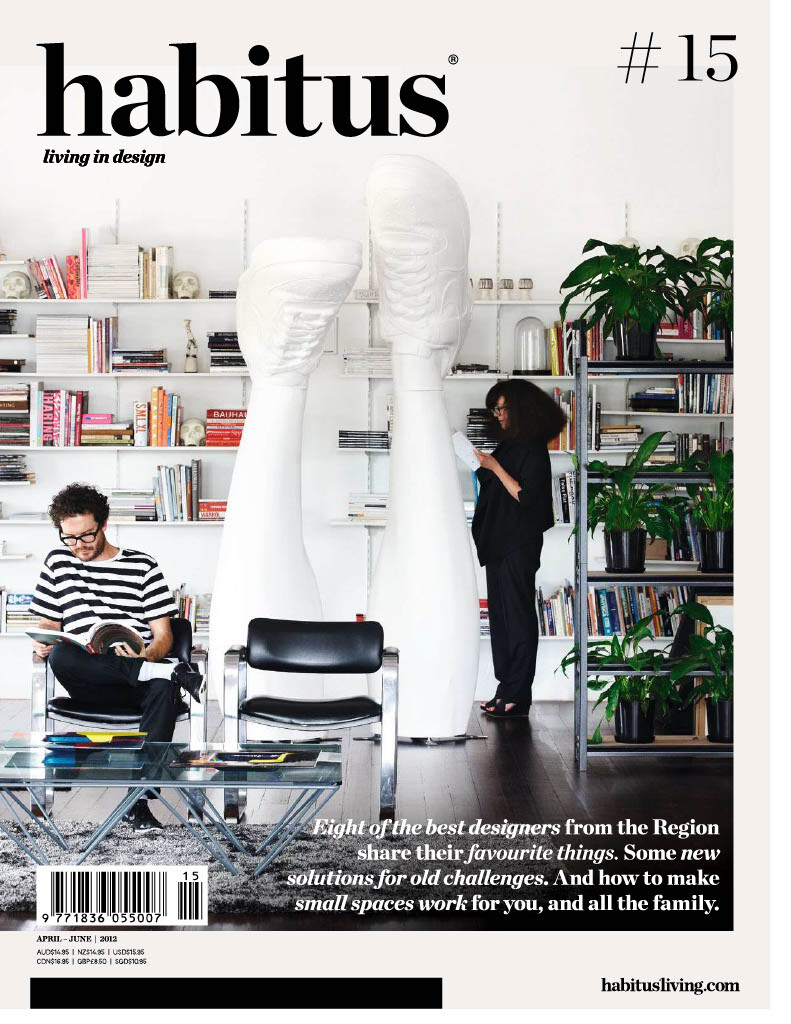
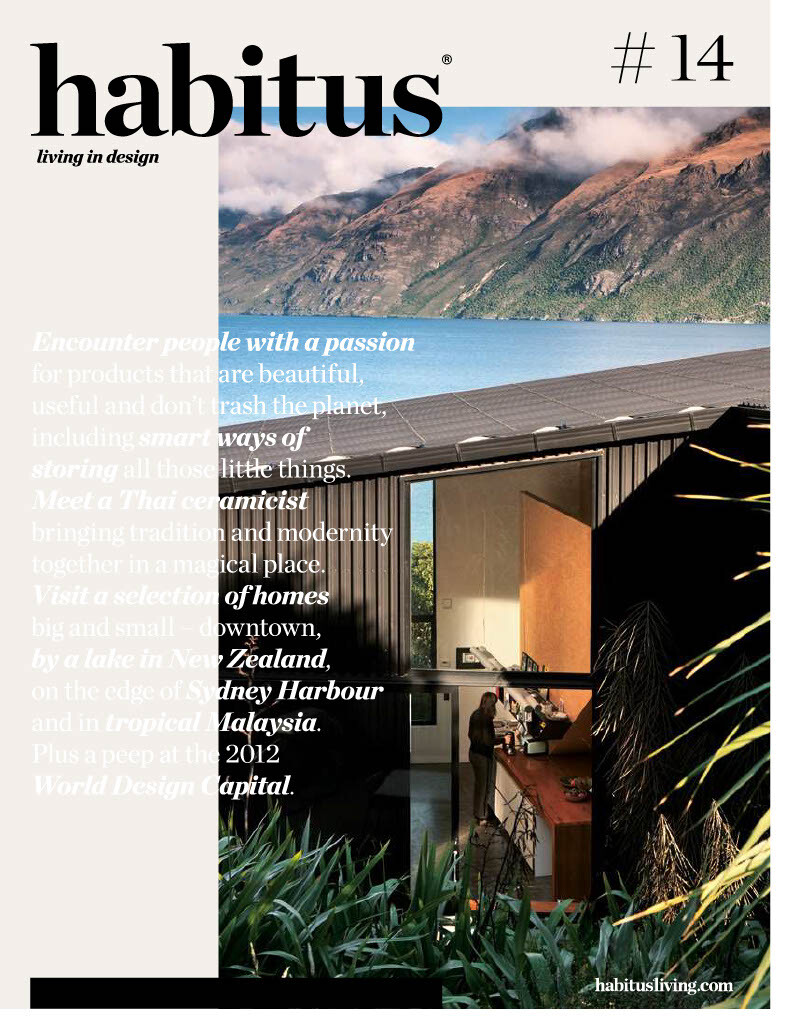
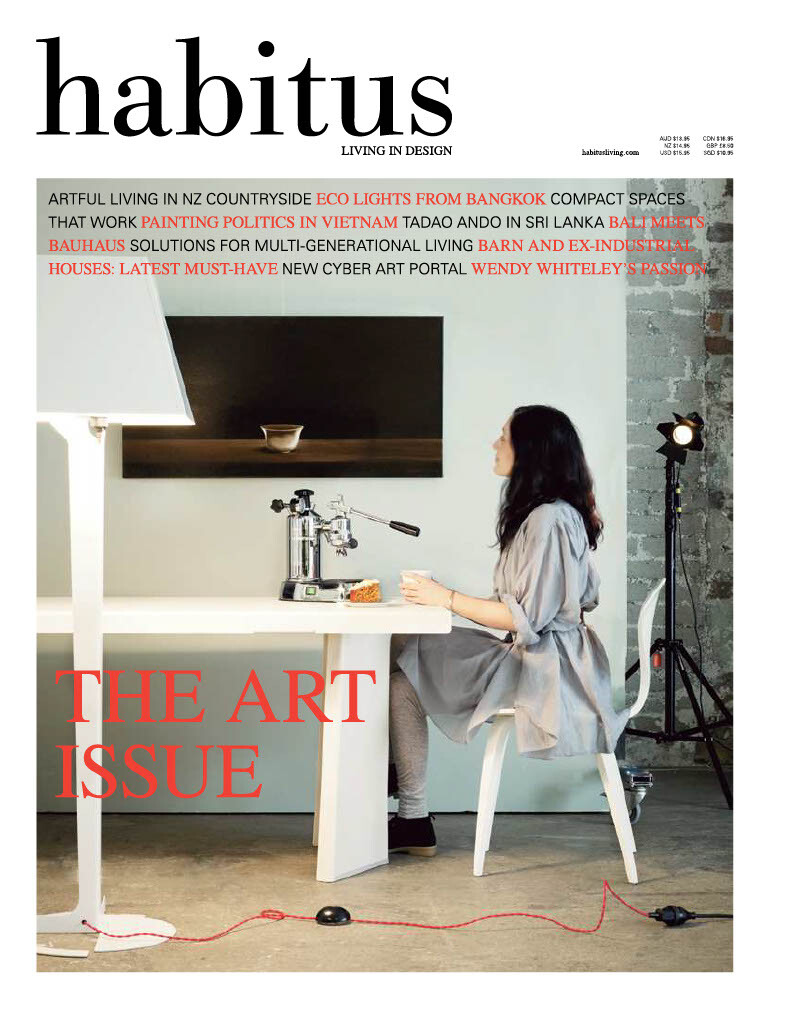
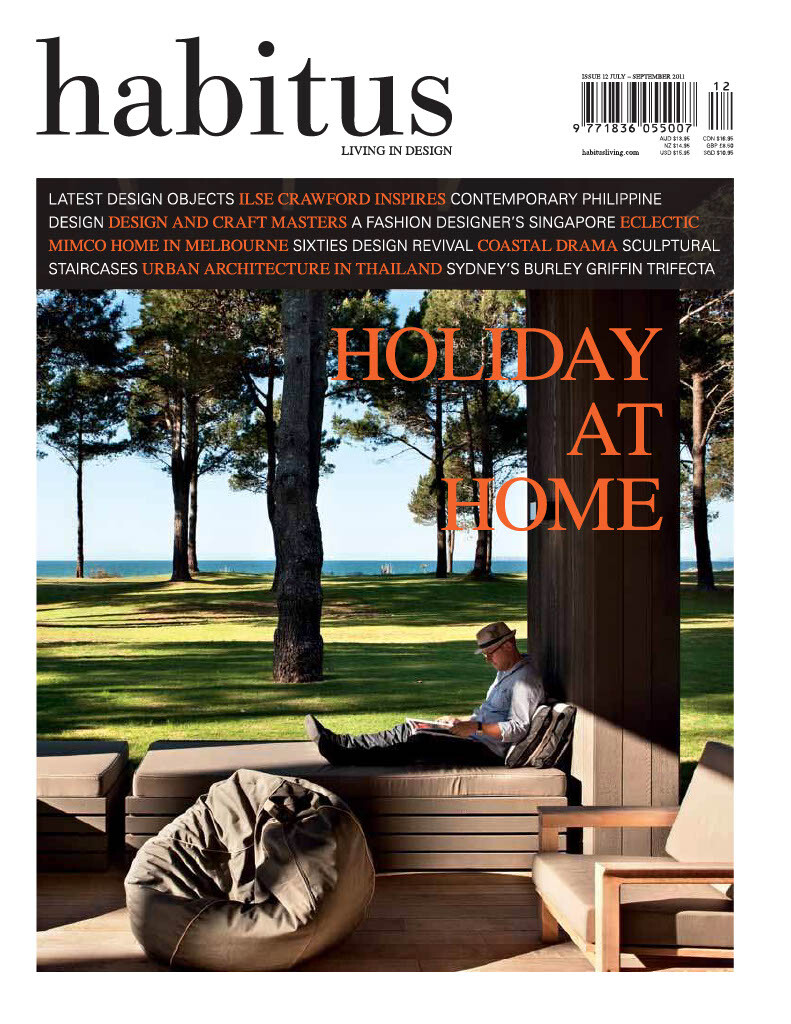
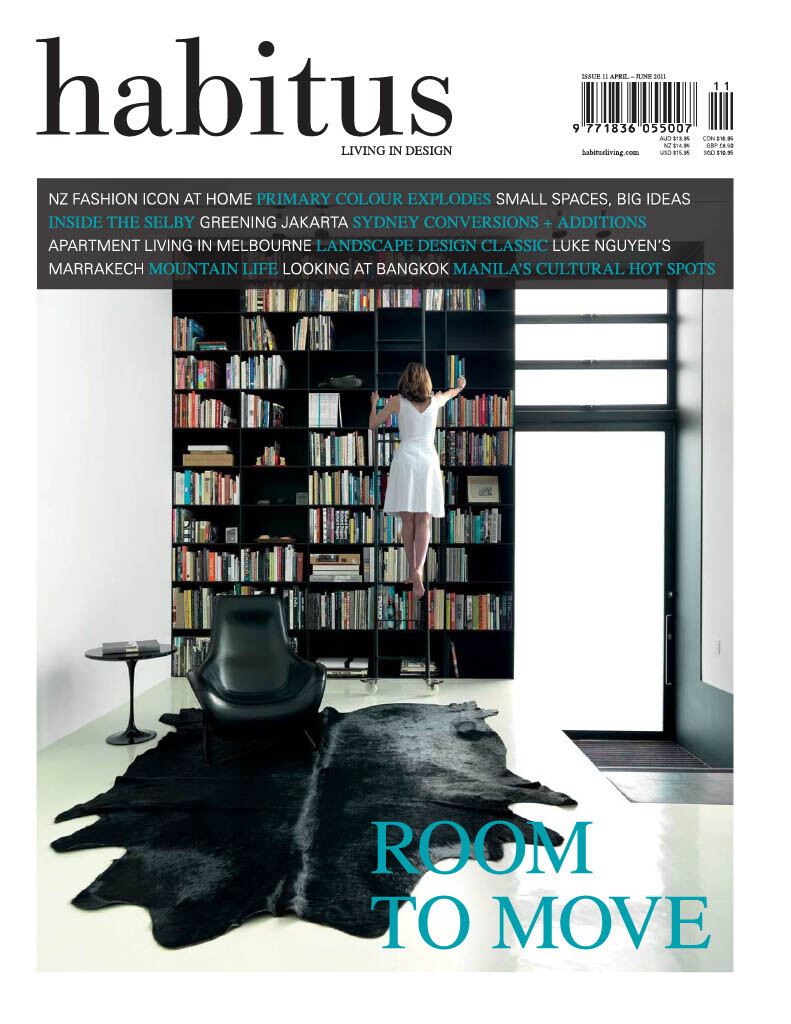
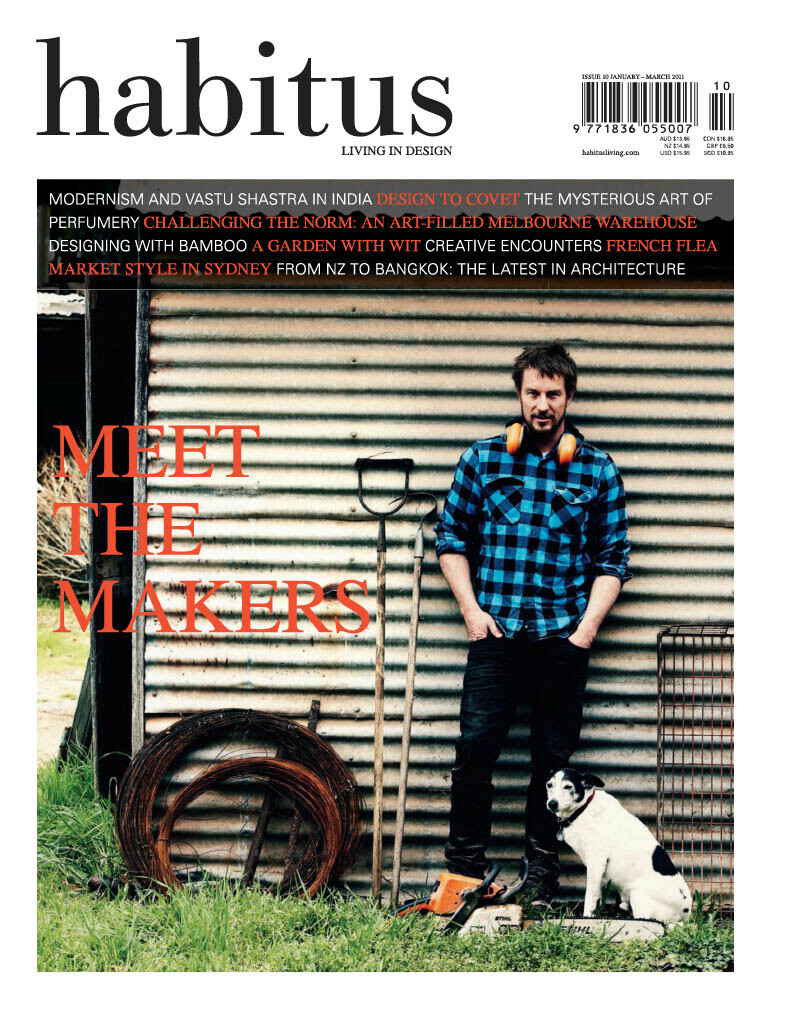
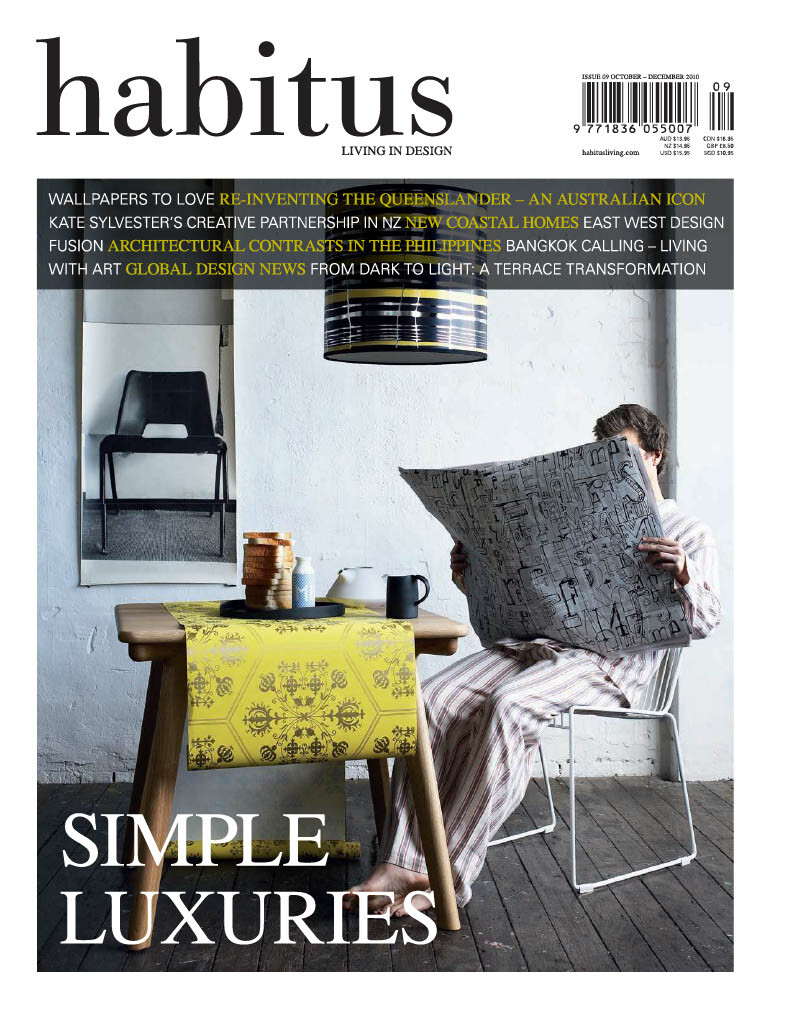
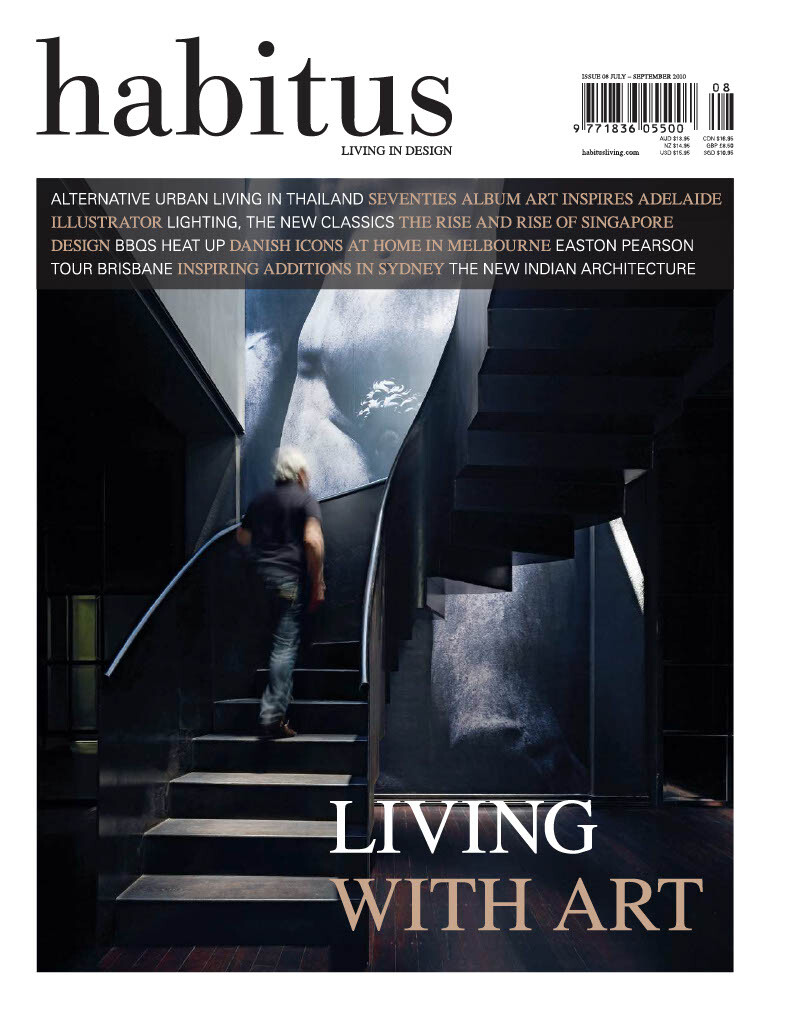
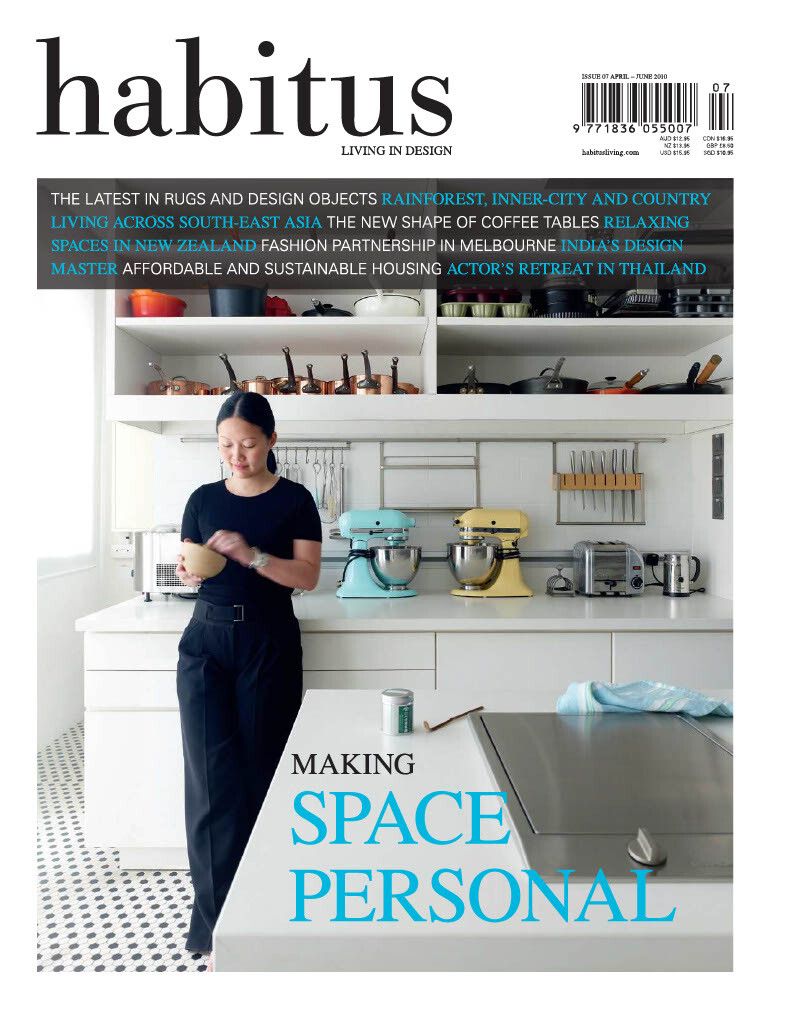
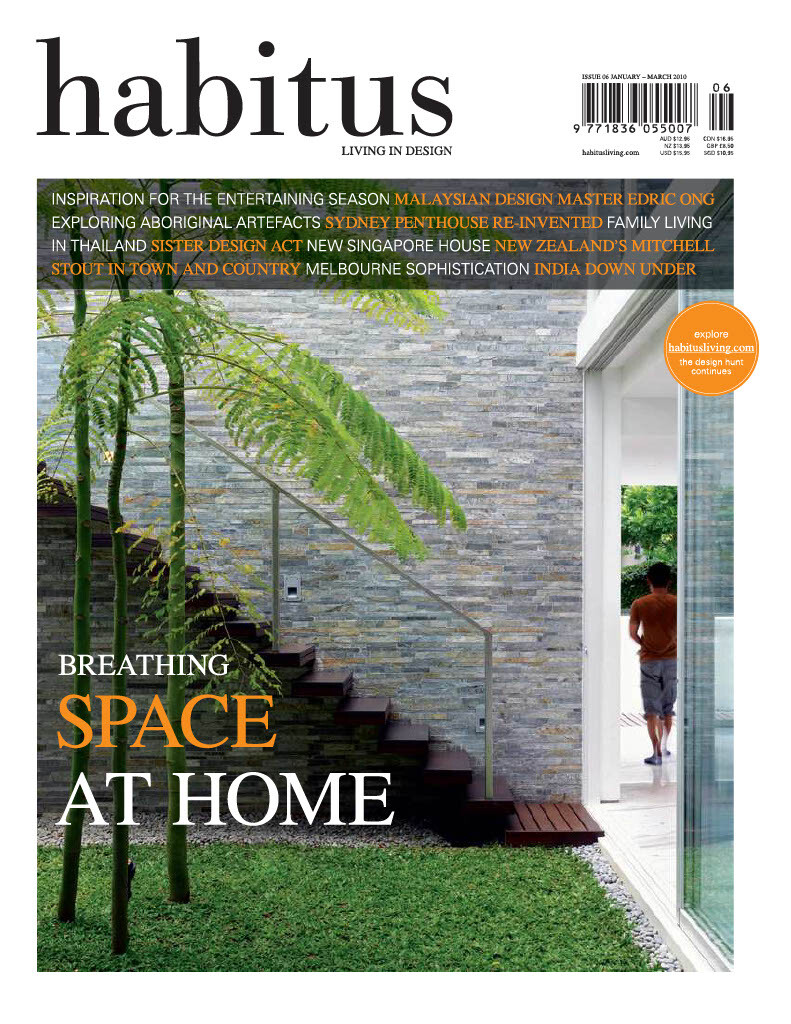
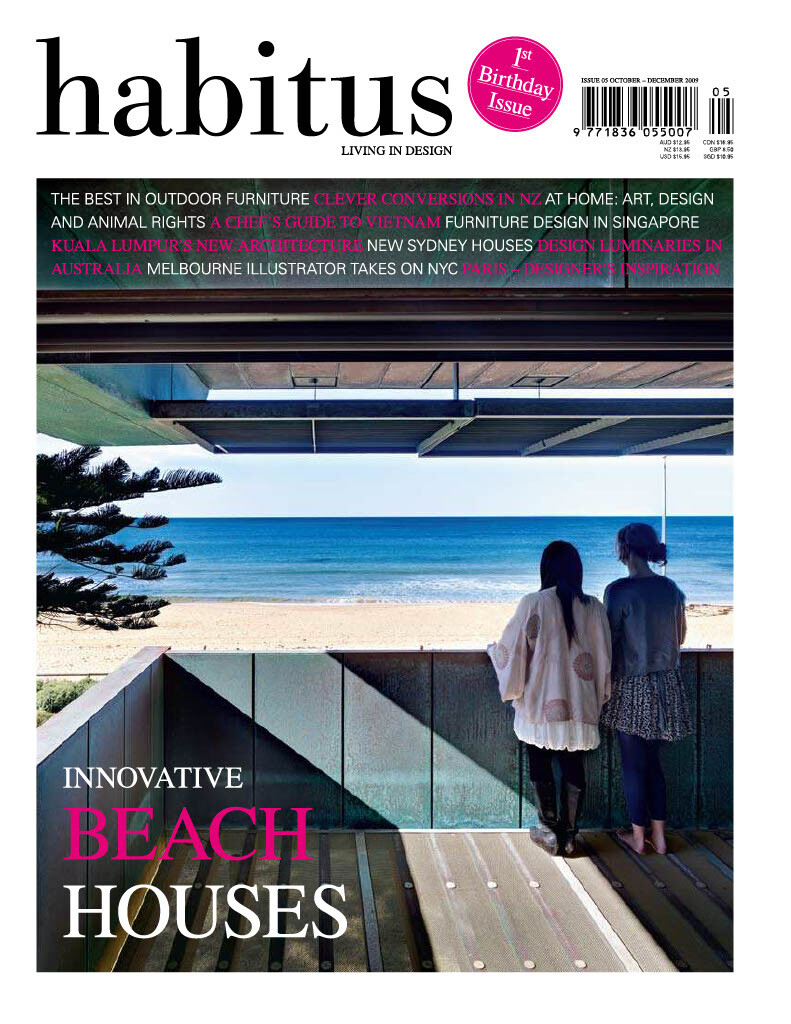
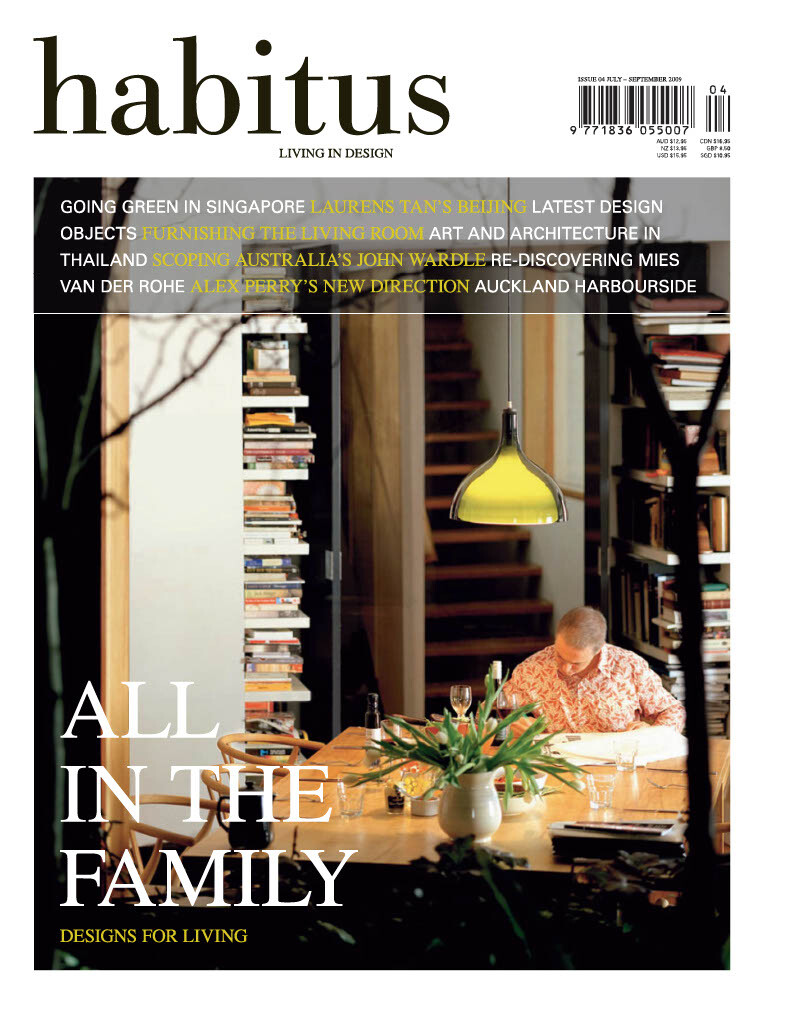
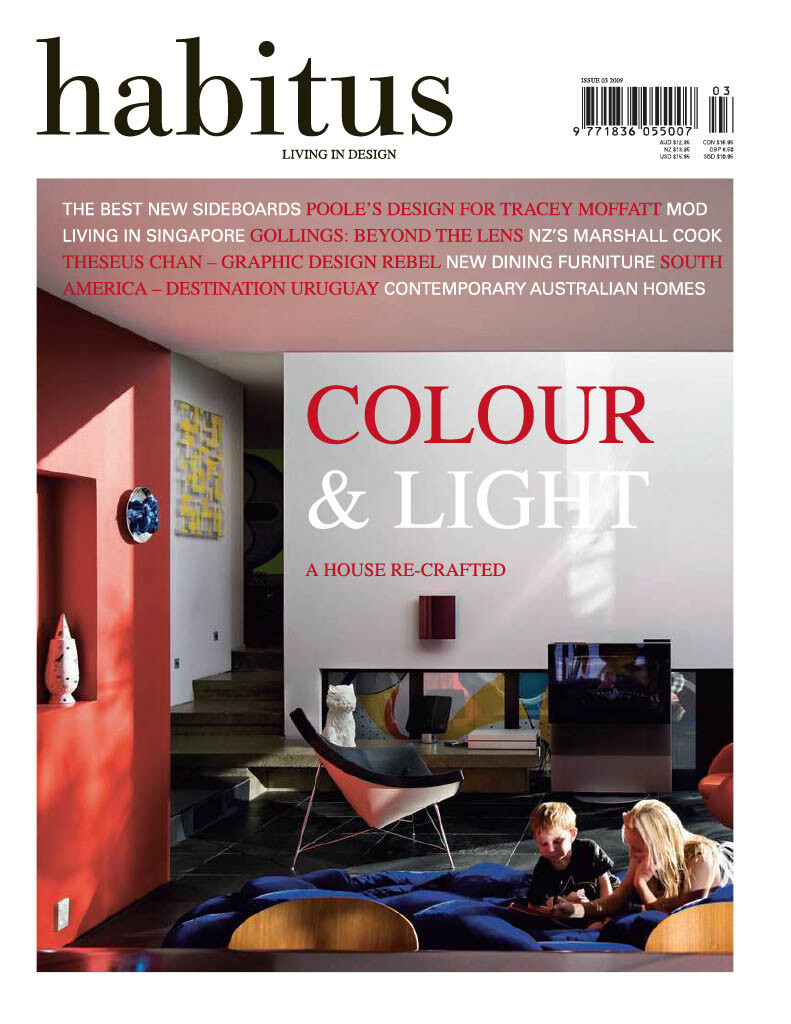
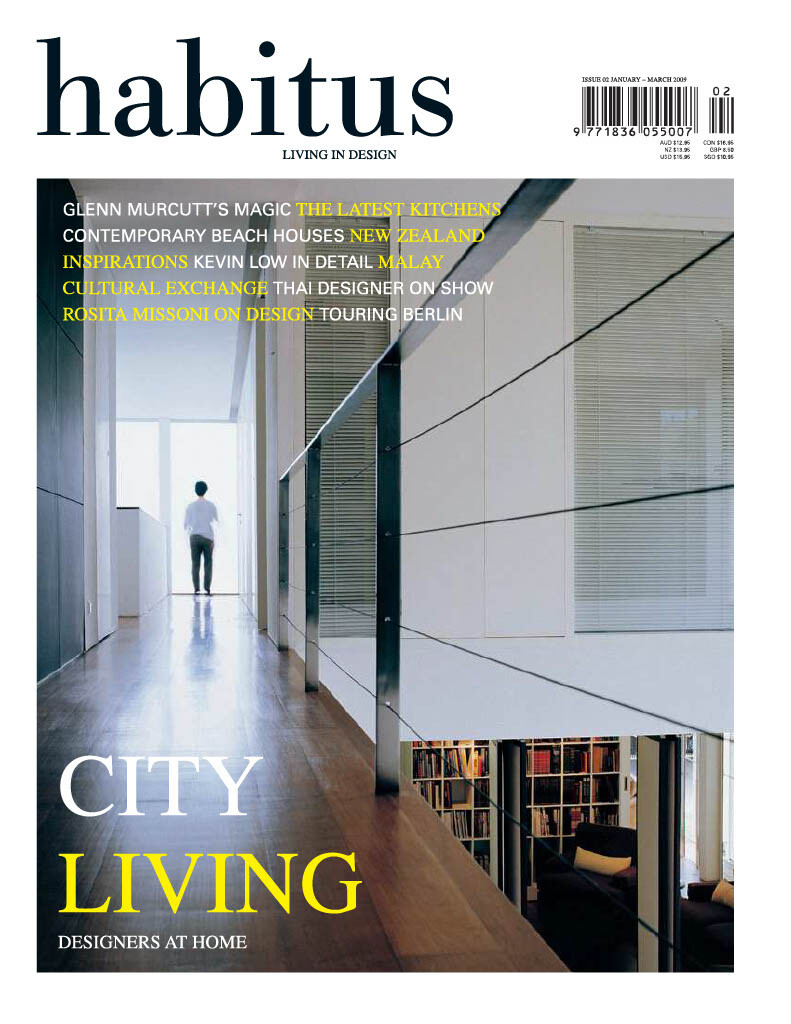
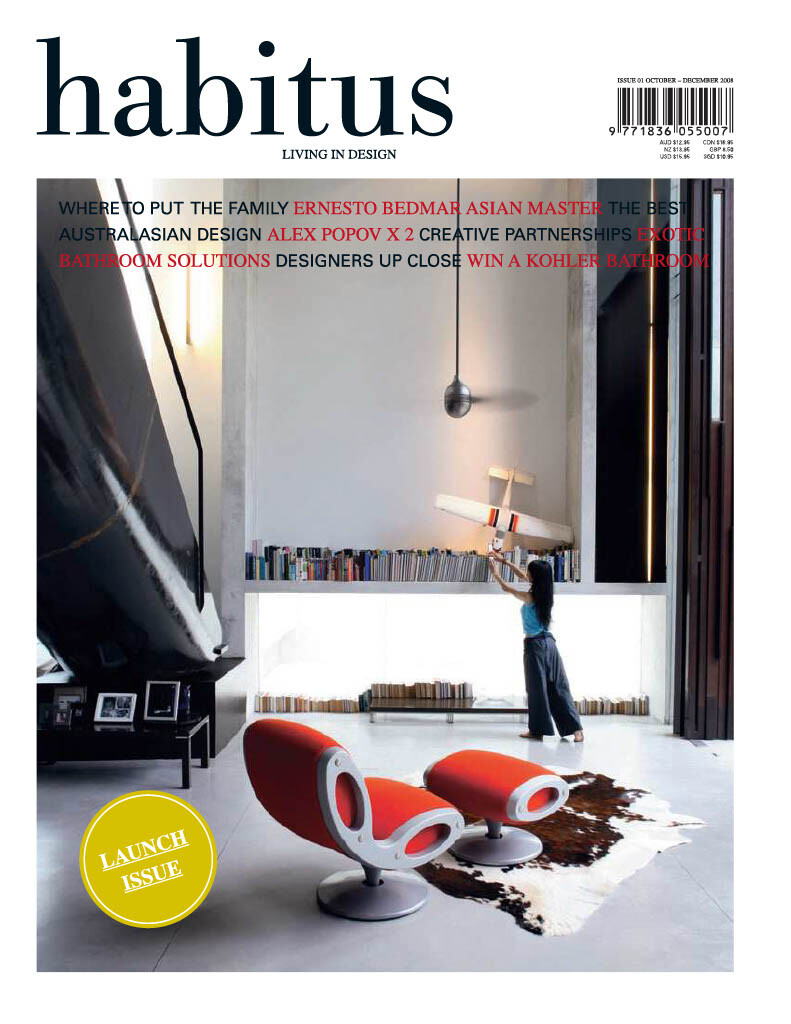
Habitus Magazine is the Asia Pacific authority of choice for Design Hunters® looking for the special in design and architecture and products, providing an exclusive view into the regions most beautiful homes.
Subscribe Now