
Please Note: By submitting this form you will be added to the Habitus Living mailing list.
Before he became a political activist, Noam Chomsky was a linguist who radically re-framed the way we looked at language. For example, he dug deeper into the mystery of language by demonstrating how it was species specific. But one of his more suggestive, if less convincing, ideas was to describe language as having a deep structure and a surface structure.
It strikes me that this is a great metaphor for design, both product and architectural. Deep down we have the everyday needs which drive design – if you like, the structures of thought and emotion typical of different societies. These structures then get expressed at the surface level – the visible level – in the form of unique designs which reflect the personality of the designer and the cultural character of individual communities.
In these days of instantaneous global communication, regional design can be strongly inflected by the dominating aesthetic of the great metropolitan centres. It is easy to fall into the trap of thinking that you haven’t made it unless you have made it in London or New York.
The irony of this is the fact that mainstream design (including architecture) has been so often shaped and inspired by regional traditions, Scandinavian design being an outstanding example. Of course, it has always been to some extent a two-way traffic flow. After all, the provinces always want to feel up-to-date. But this is more a question of fashion, and good design has nothing to do with being fashionable.
On the one hand, regional and vernacular design can often serve to refresh mainstream design. On the other hand, designers in regional contexts may consciously react against mainstream design and seek authenticity and immediacy in local materials and traditional forms and practices. In this issue of Habitus, this motivation is illustrated in completely different ways by Ross Stevens in New Zealand, 56thStudio in Bangkok and Rob Brown with the house he designed at Jamberoo, south of Sydney.
But then we also feature houses from Tasmania, Jakarta, Chiang Mai and Perth, each of them engaged in a robust and productive conversation between a mainstream Modernist agenda and a local context and tradition.
The cross-cultural conversation is at its most generative (to borrow another Chomskyism) when the interlocutors are on an equal footing. That’s when things really become creative. To extend the metaphor a little further: the more diverse the genetic ingredients, the healthier the offspring. Which is why Habitus throws the spotlight on South-East Asia and Australasia – because this is where we think some of the most exciting design in the world is currently being practised.
PAUL MCGILLICK | EDITOR
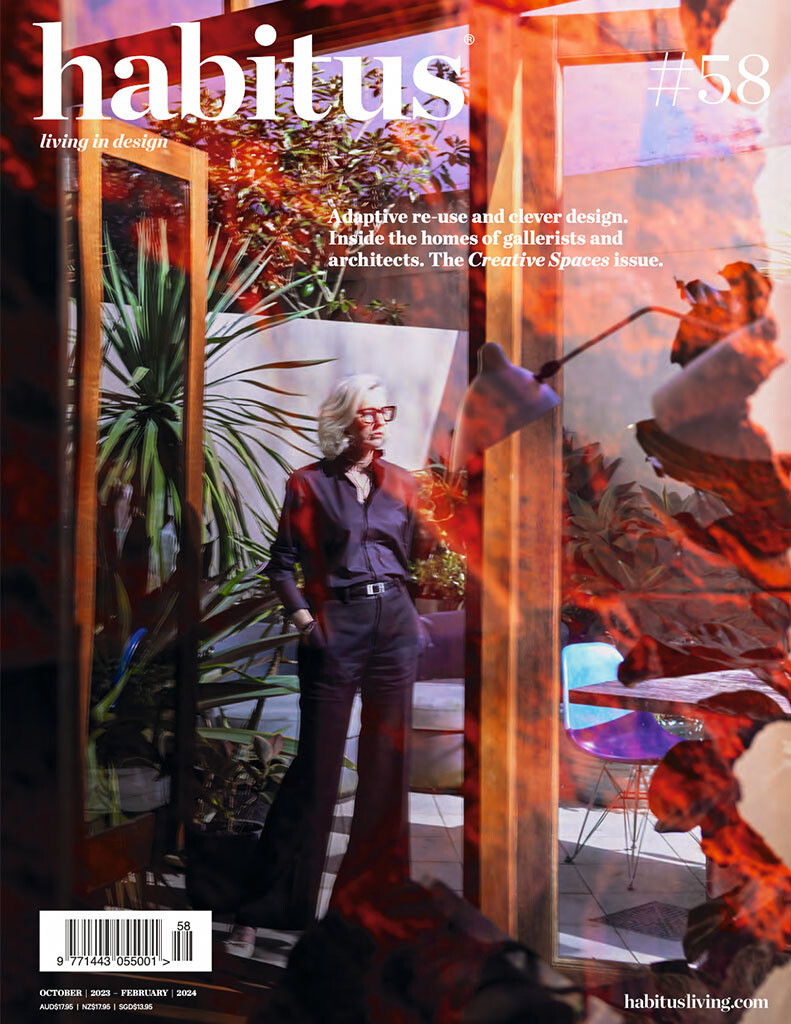
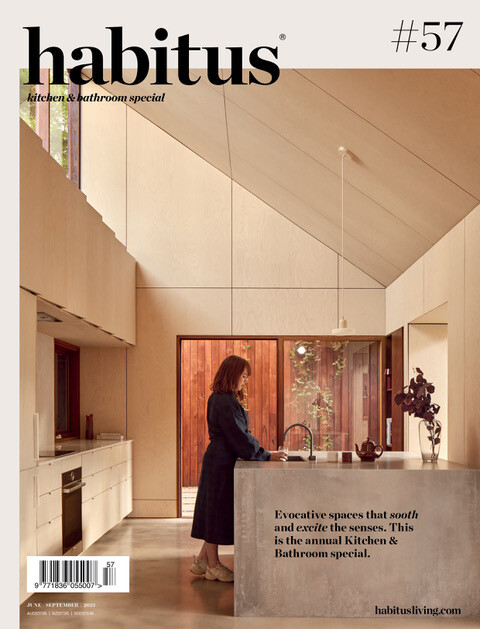
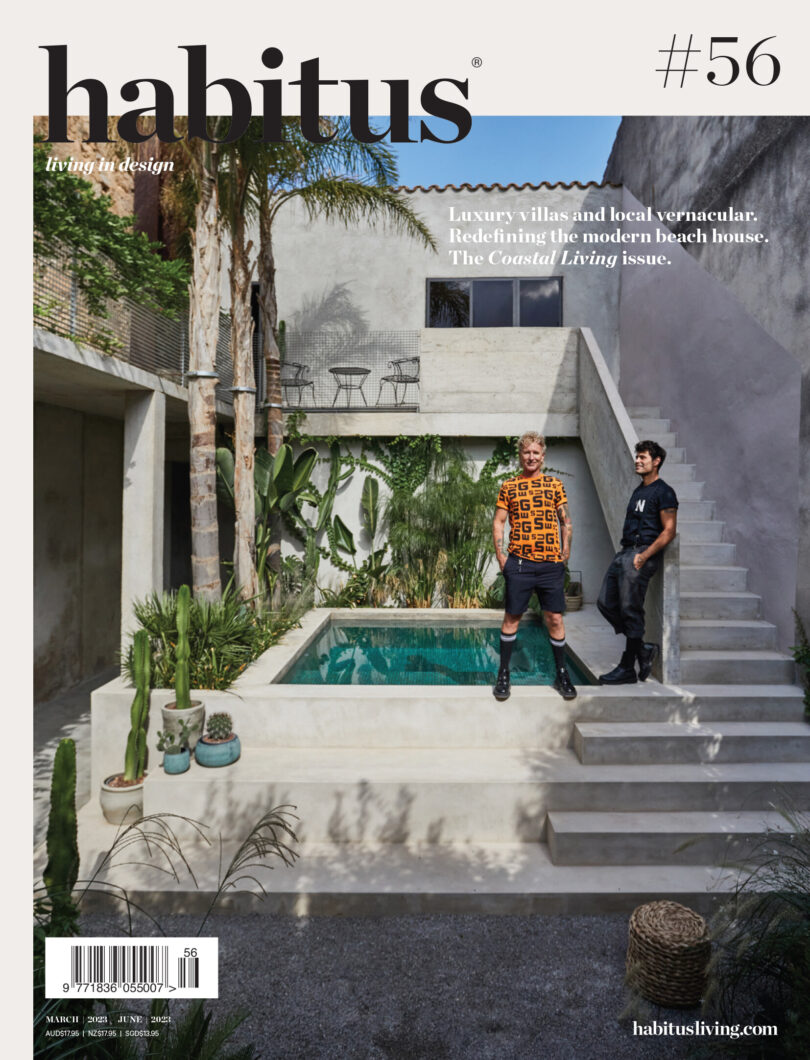
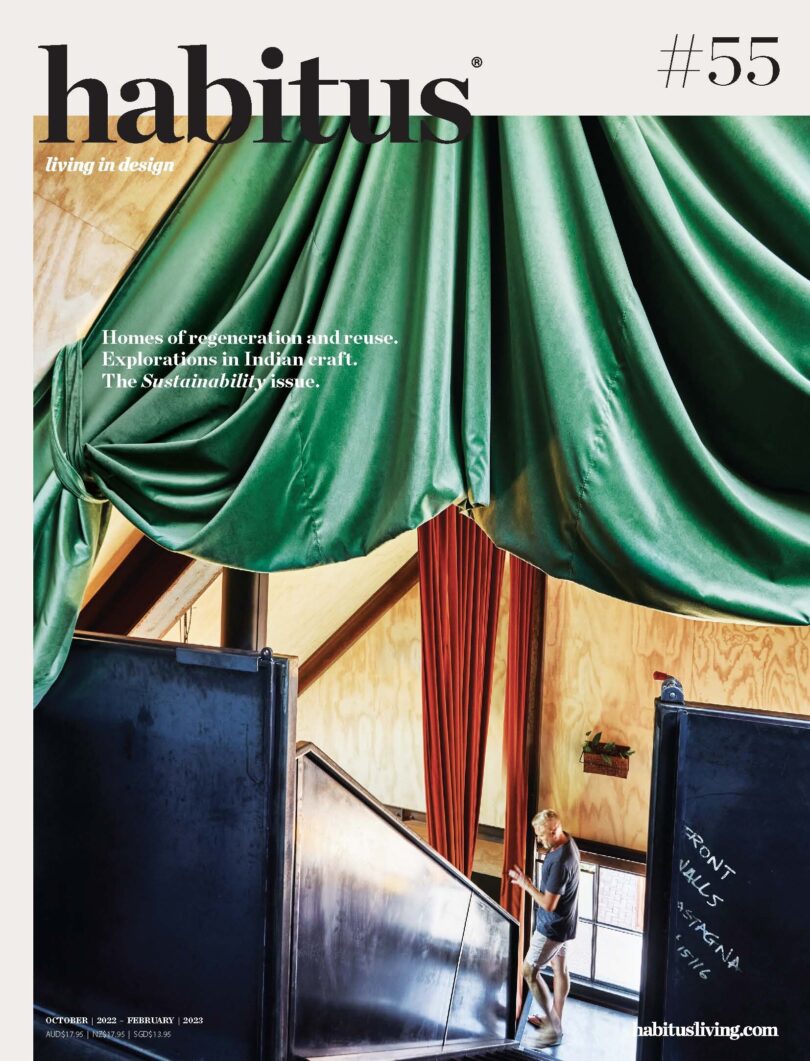
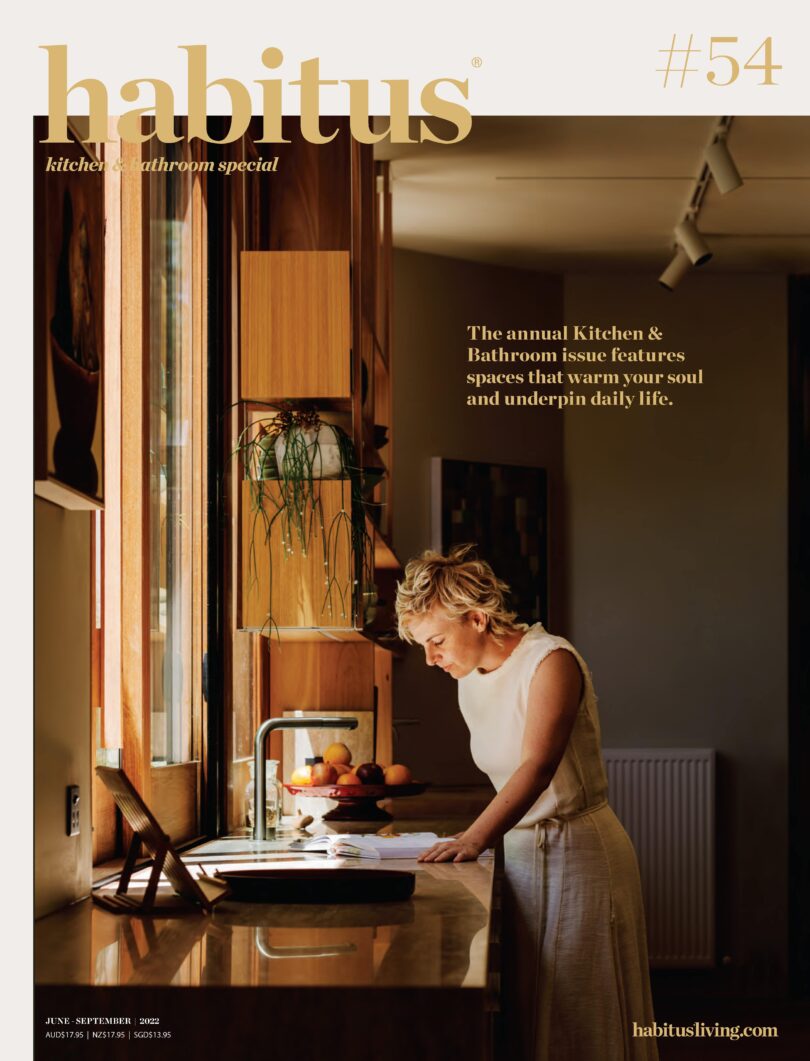
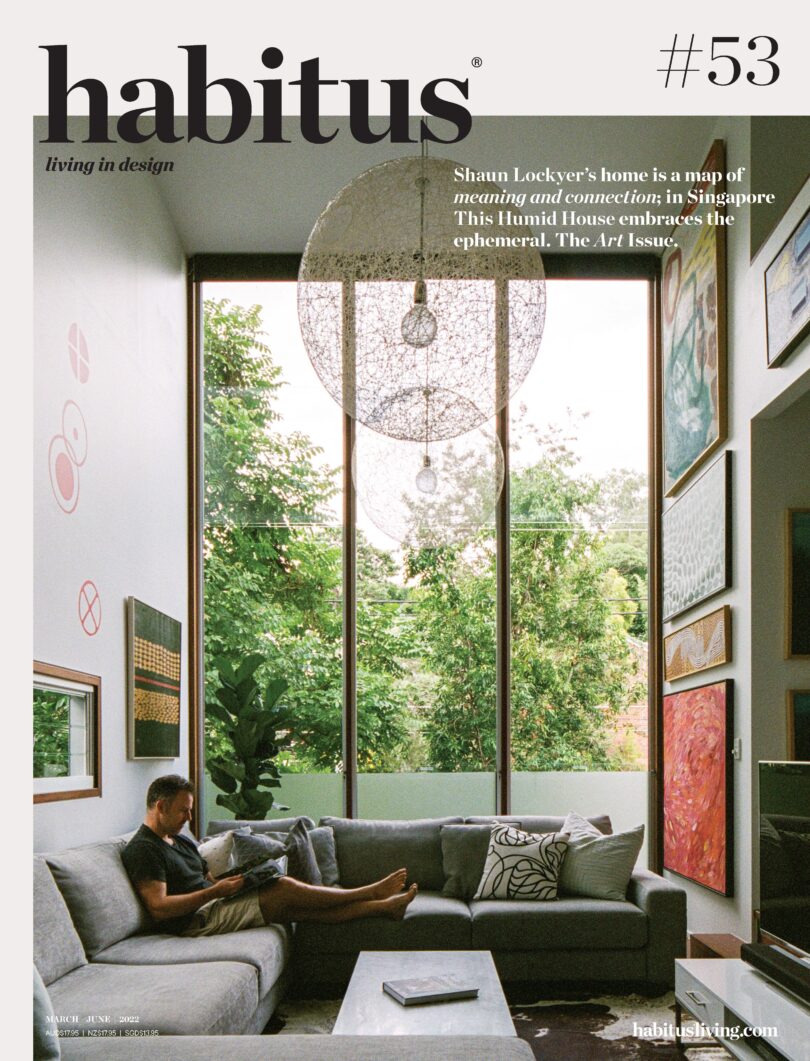
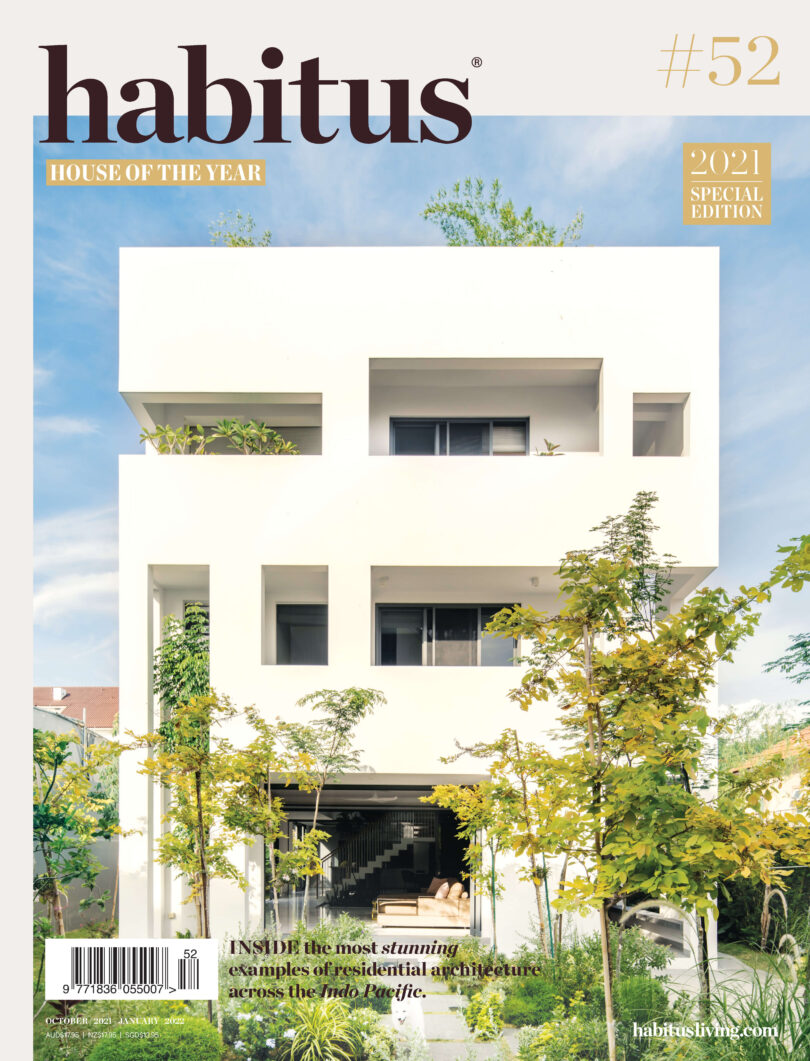
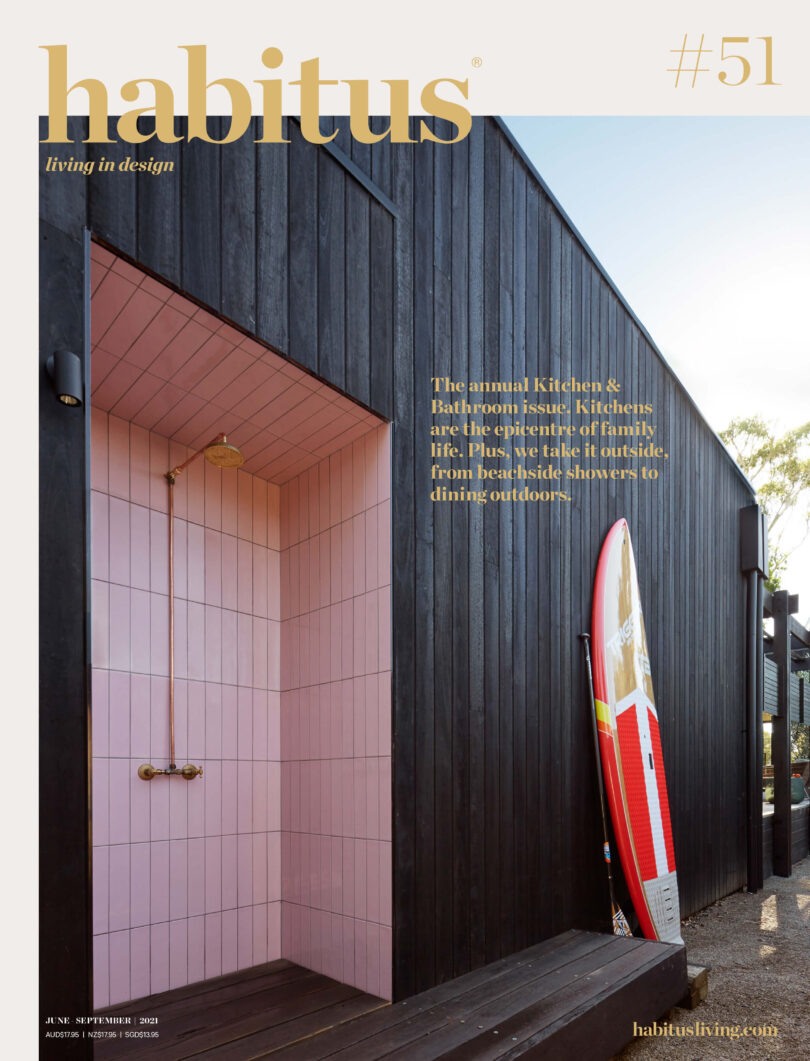
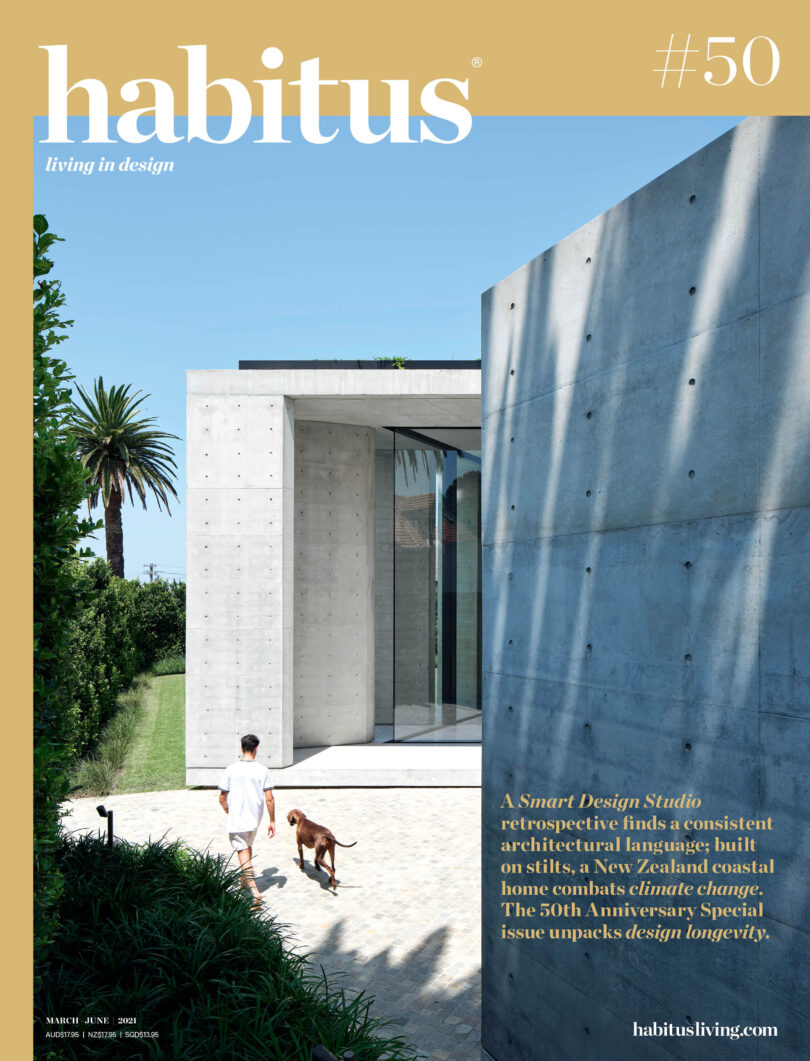
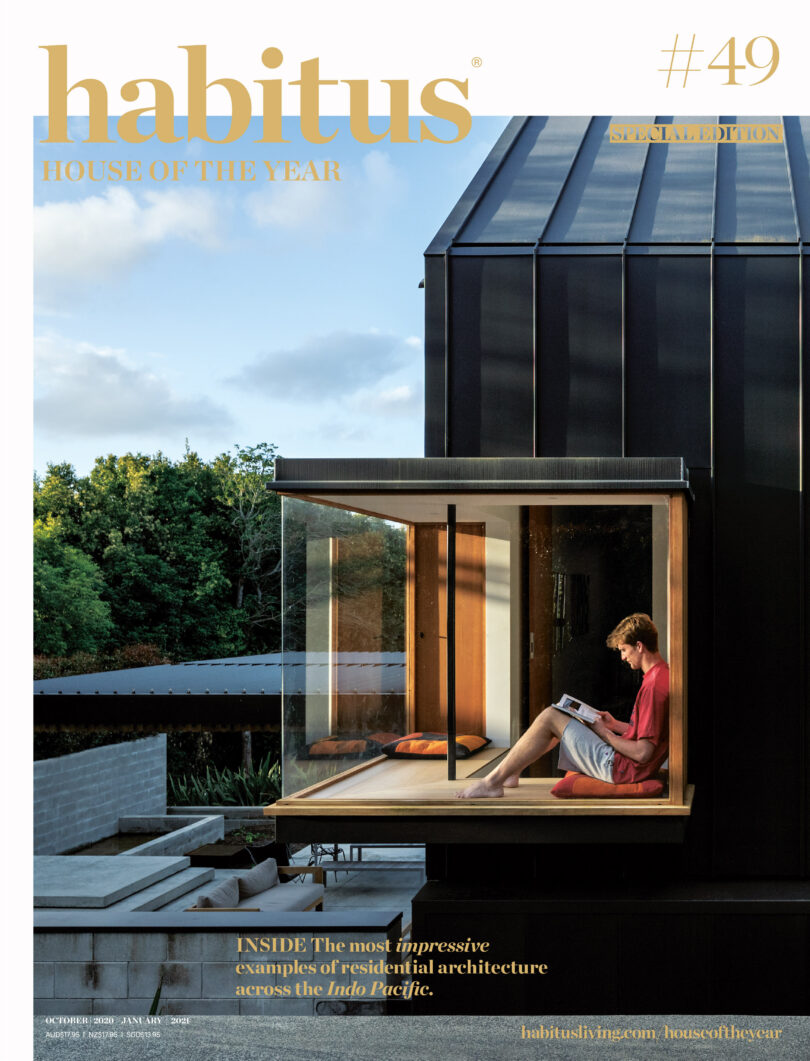
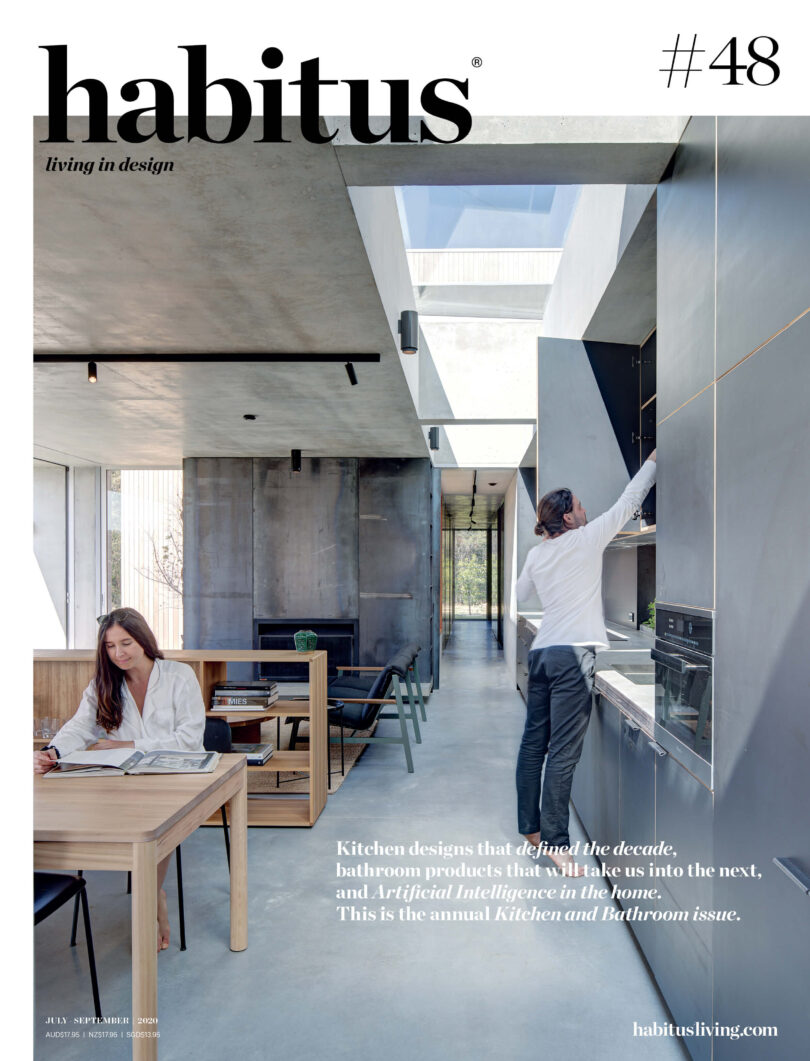
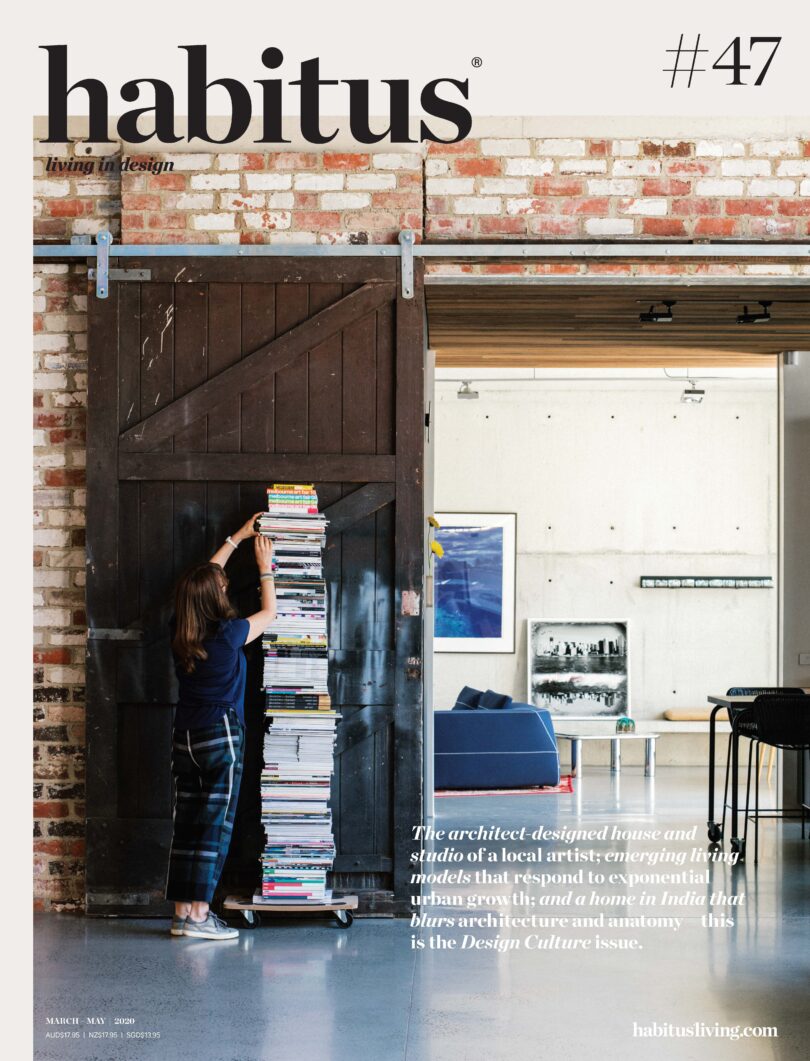
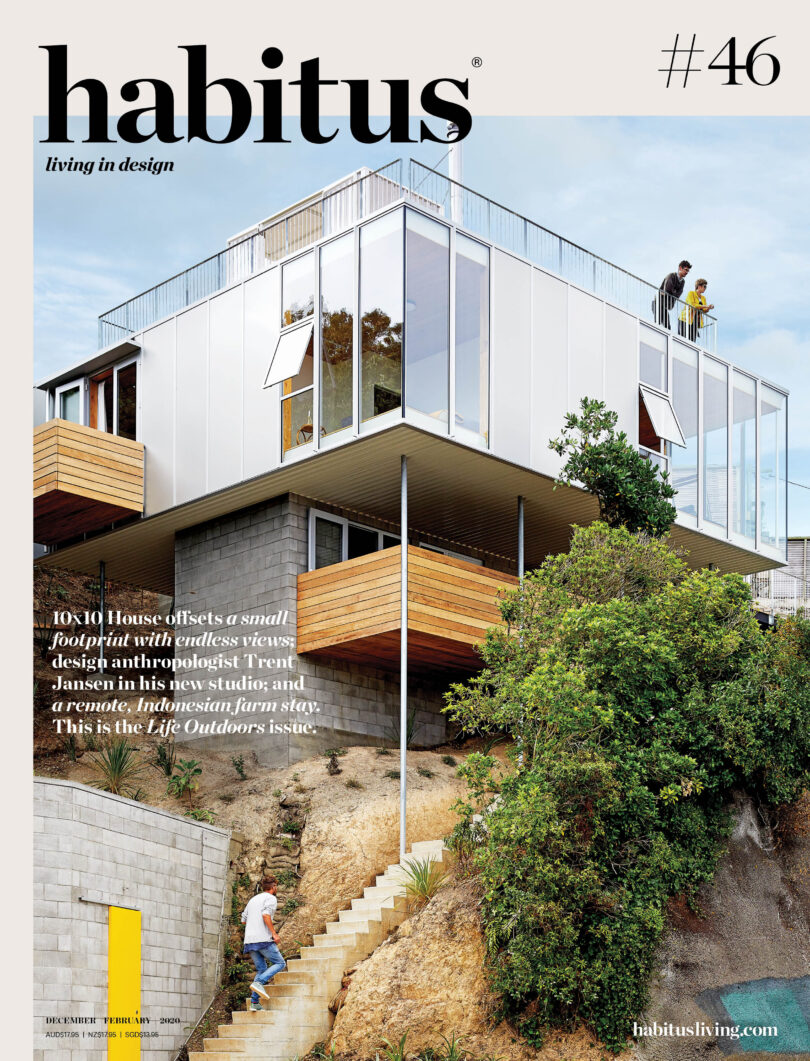
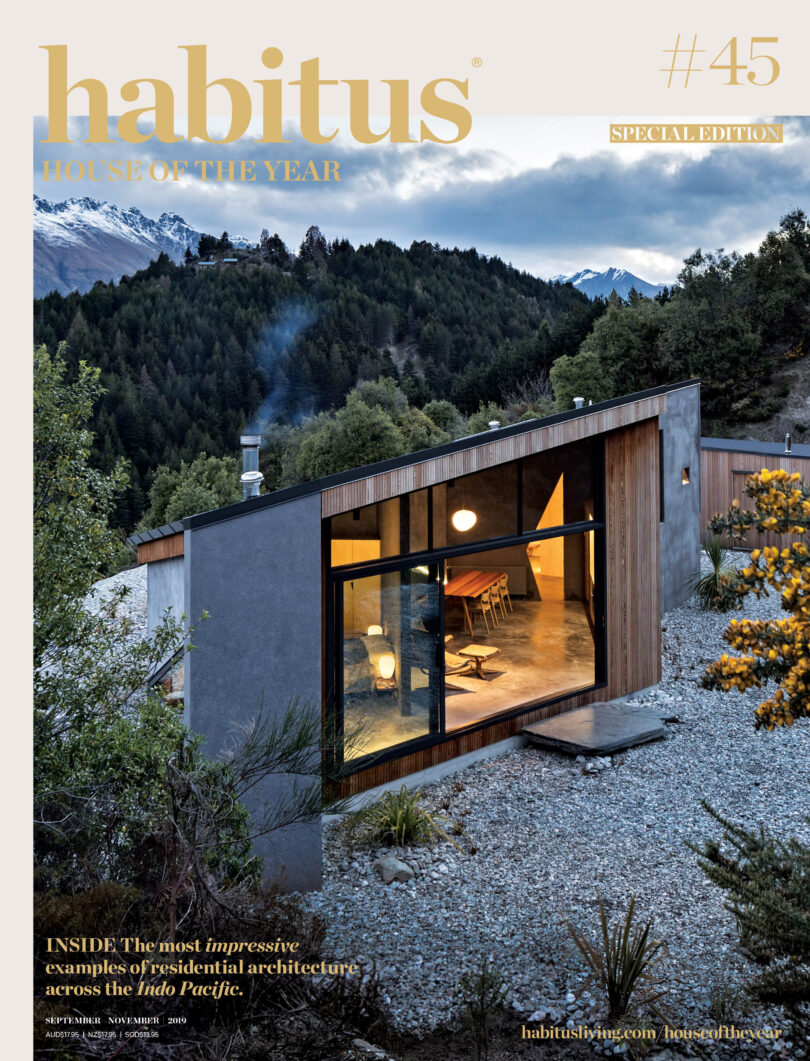
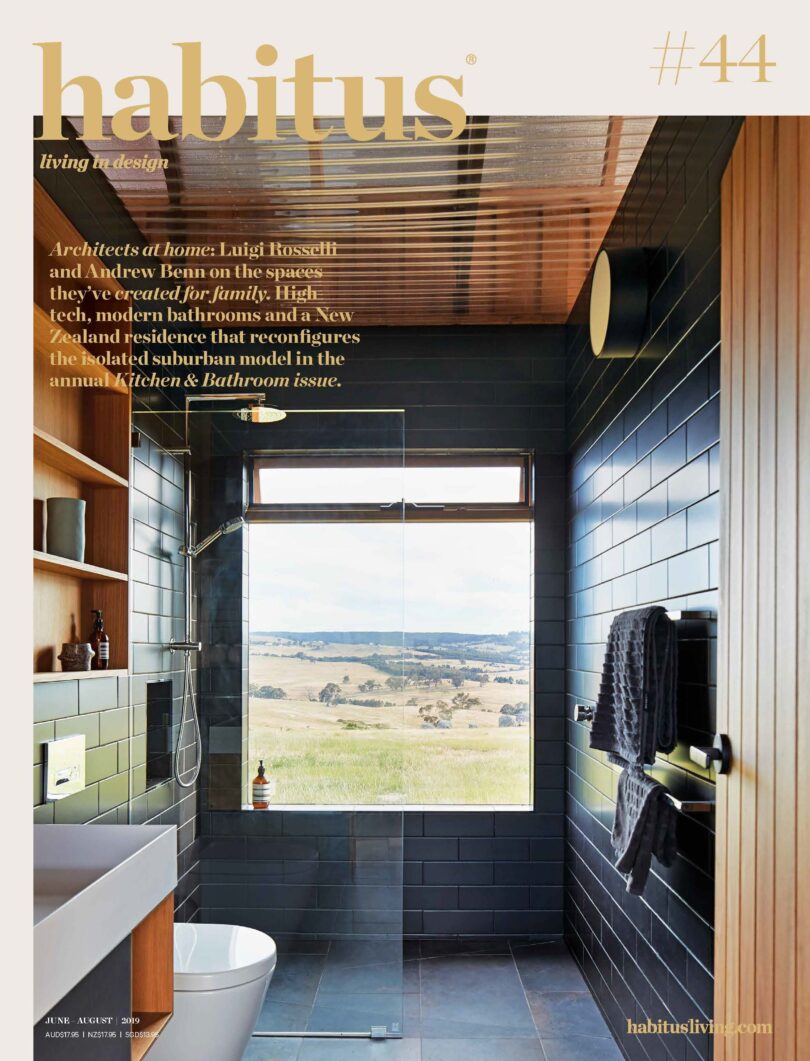
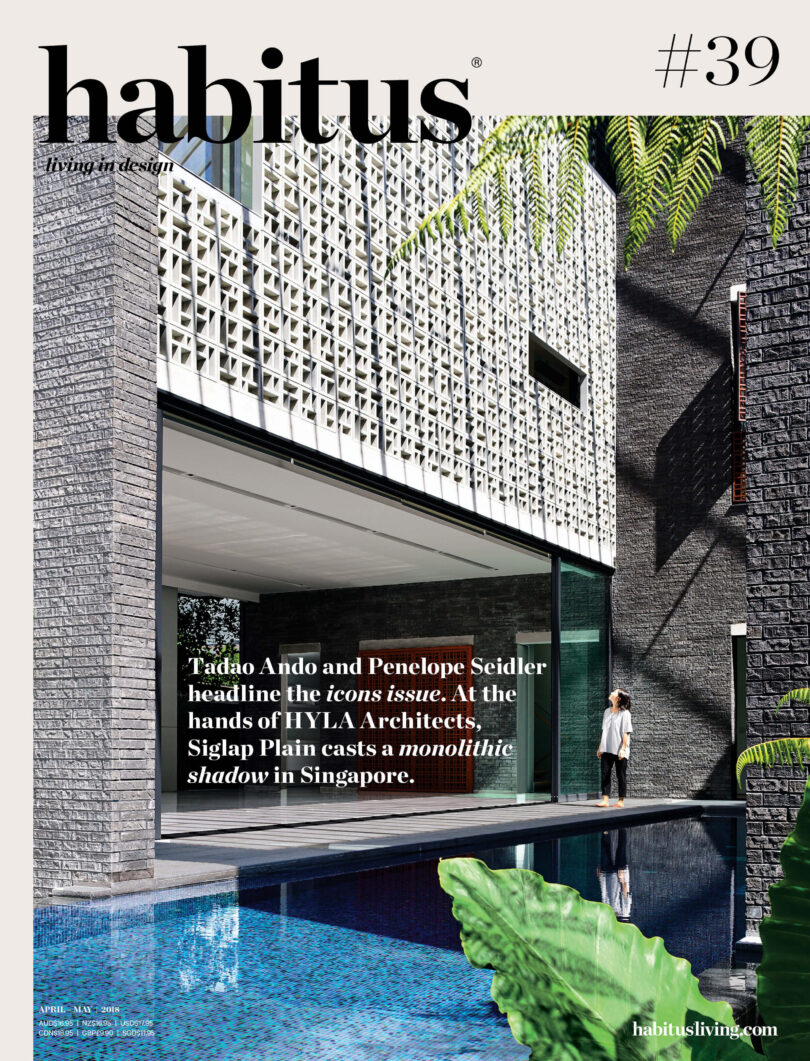
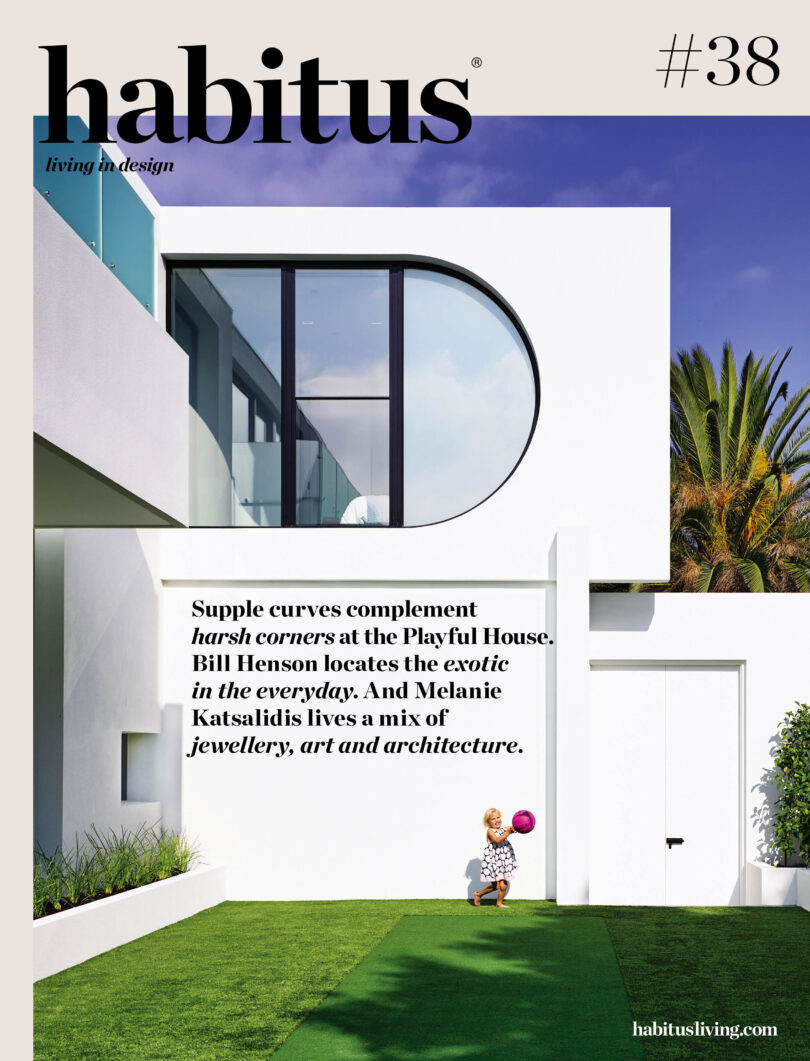
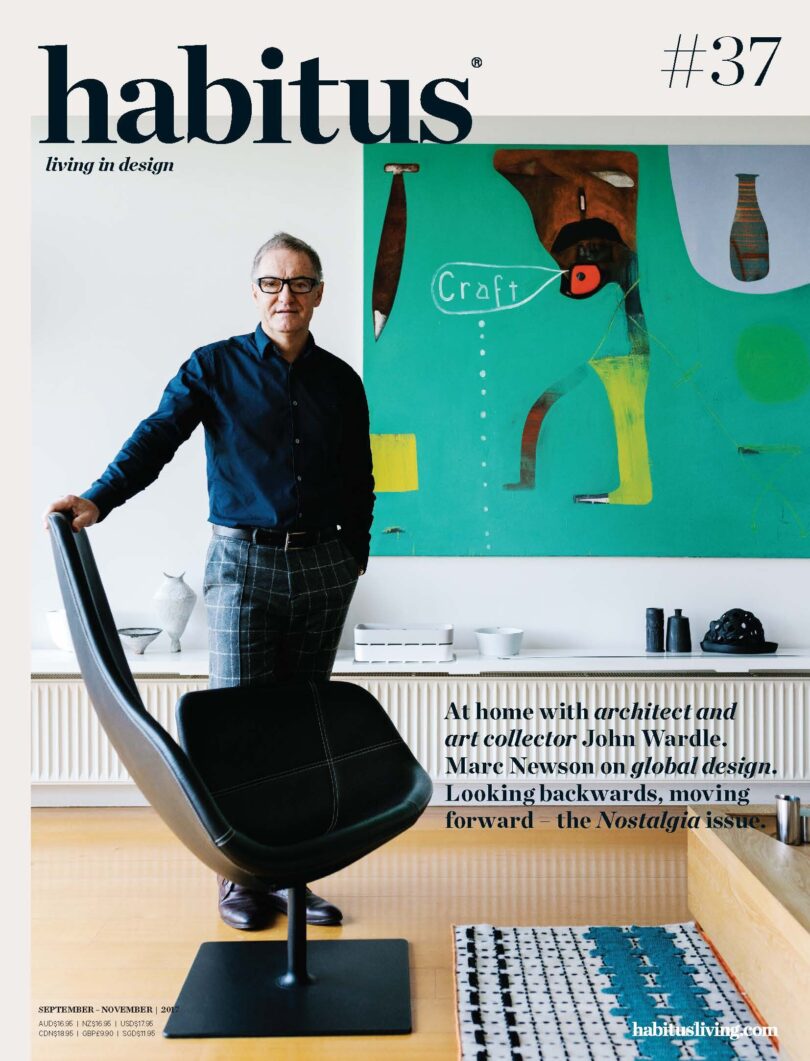
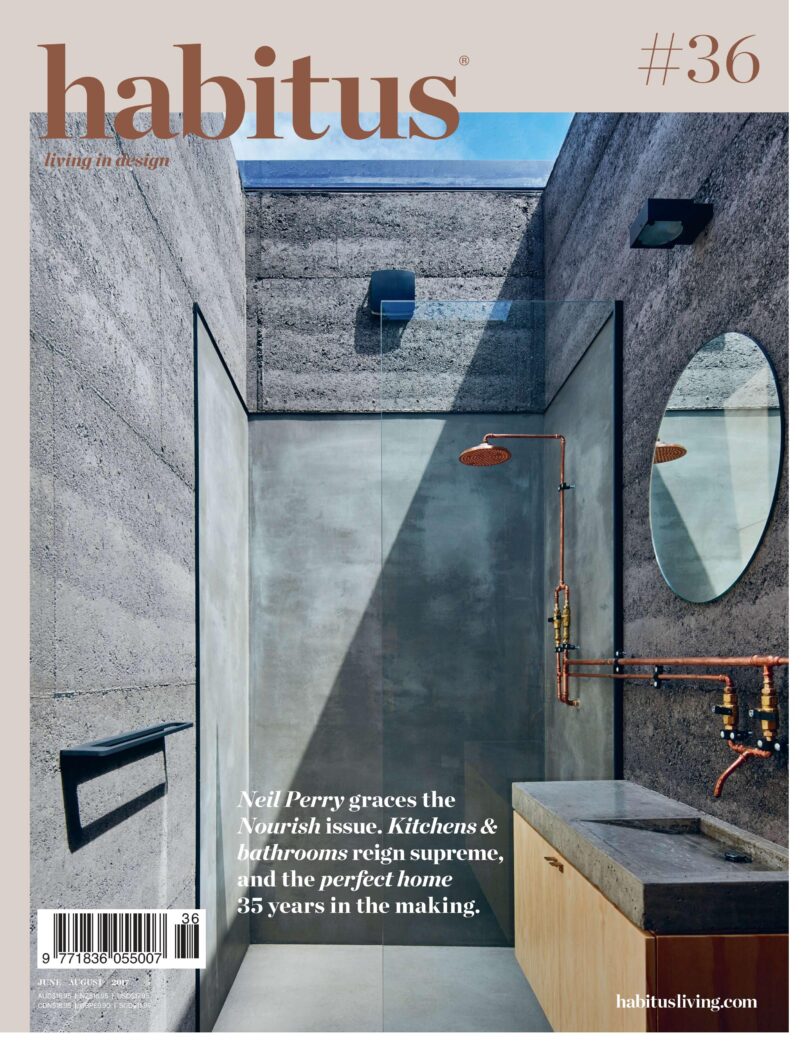
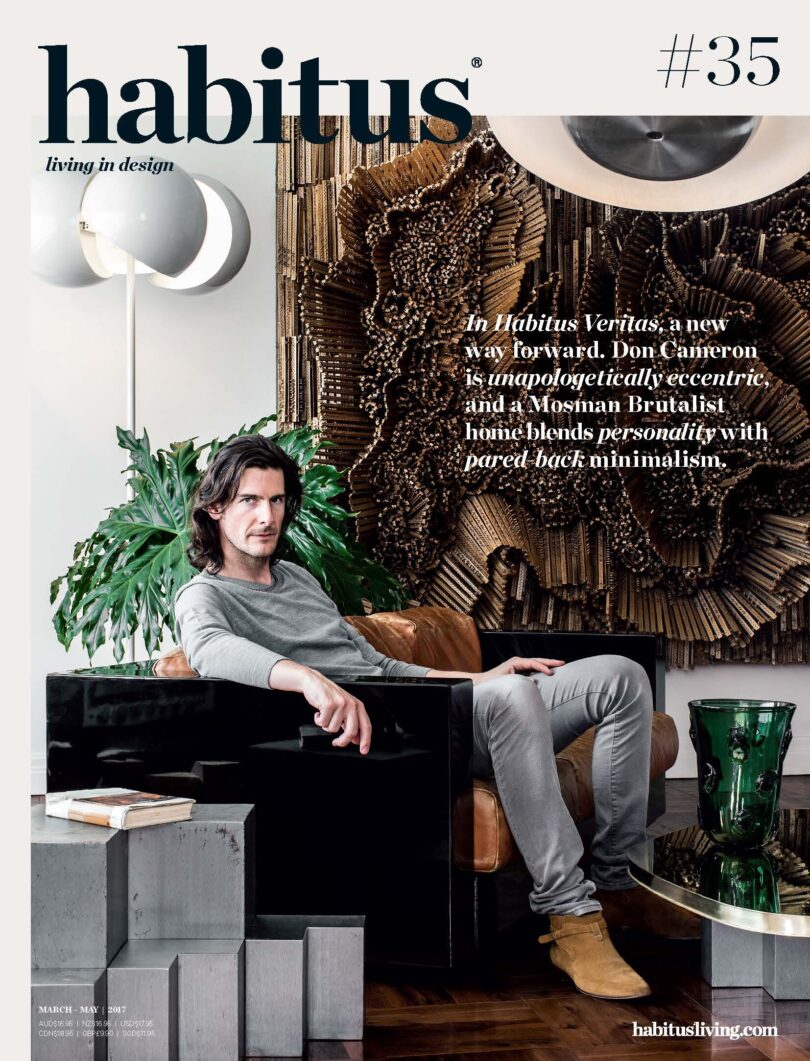
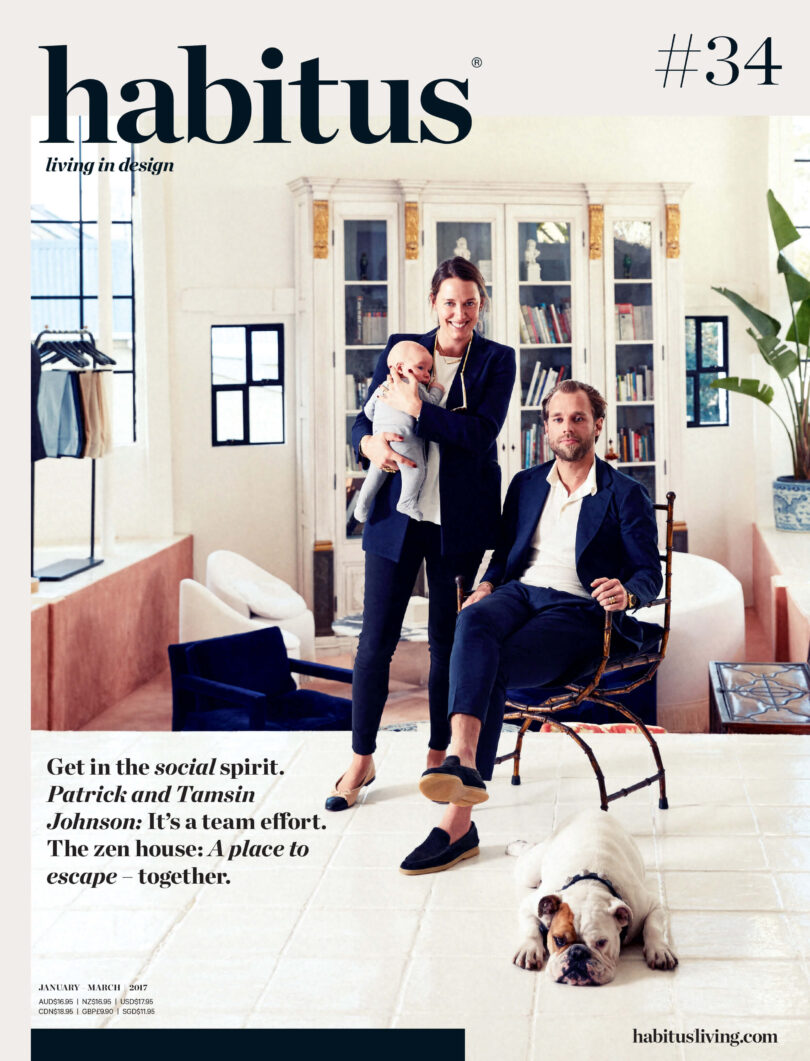
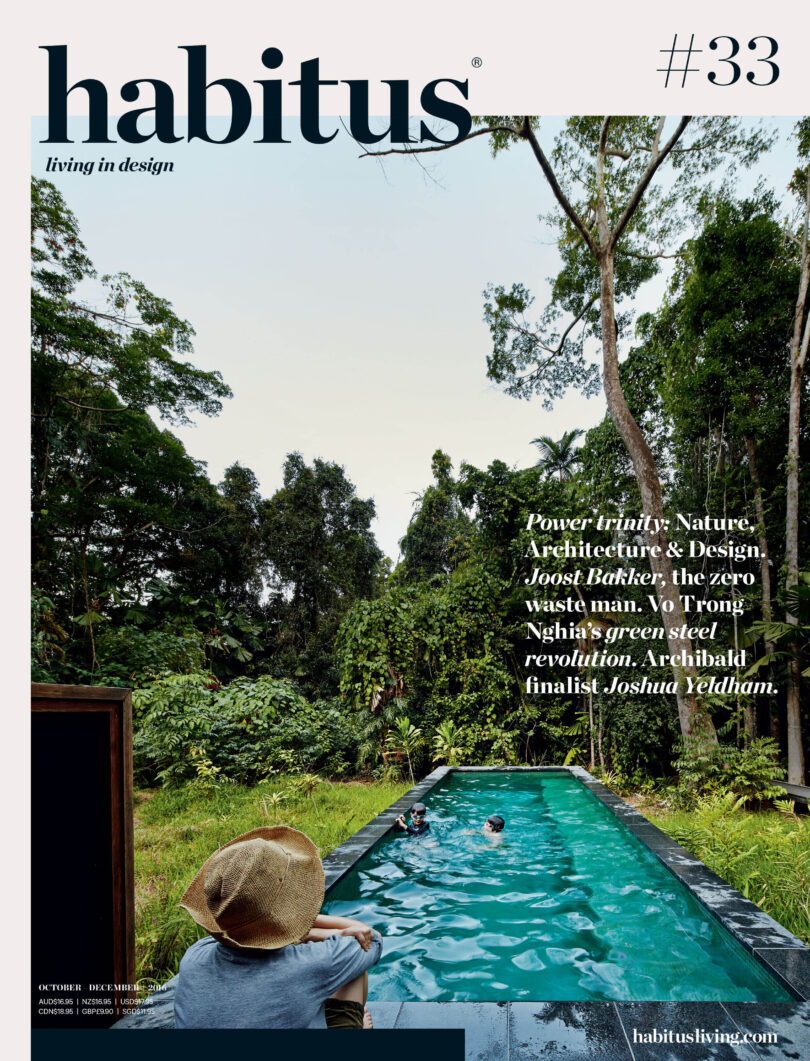
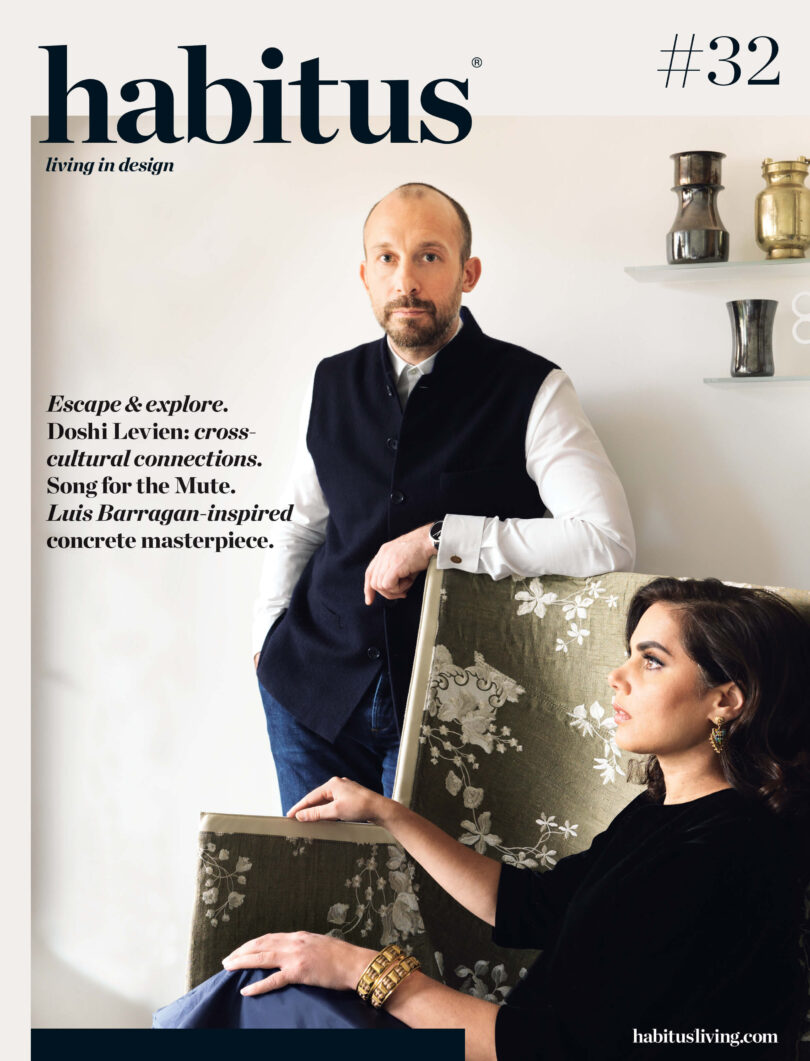
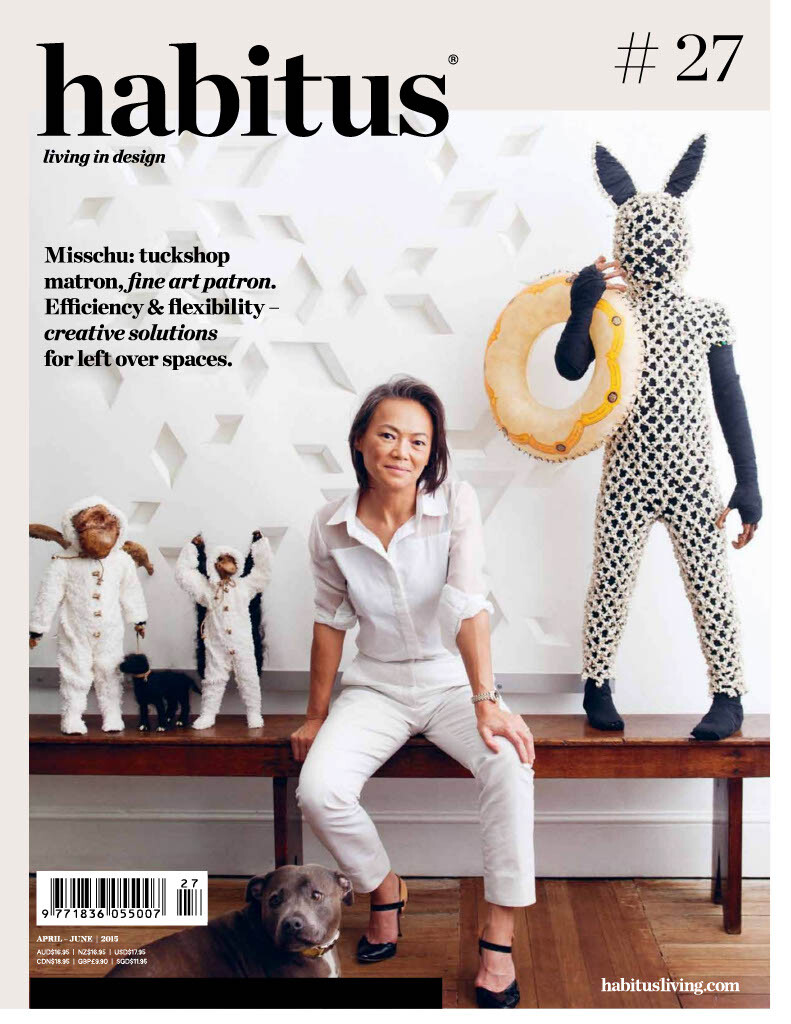
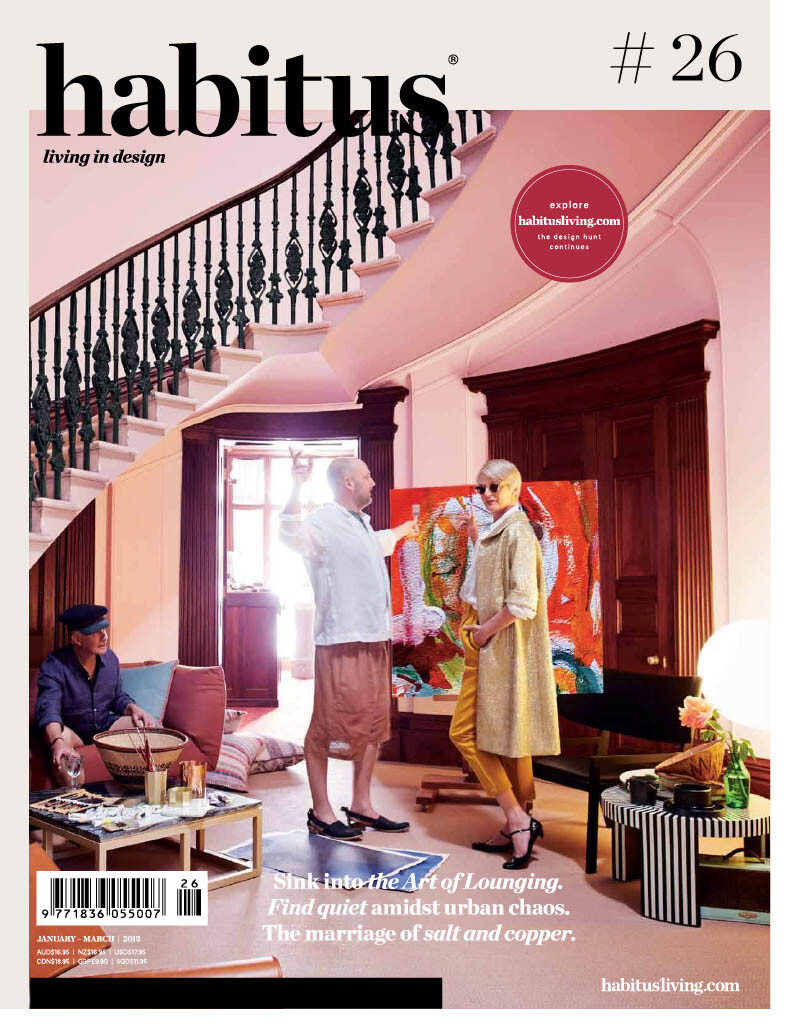
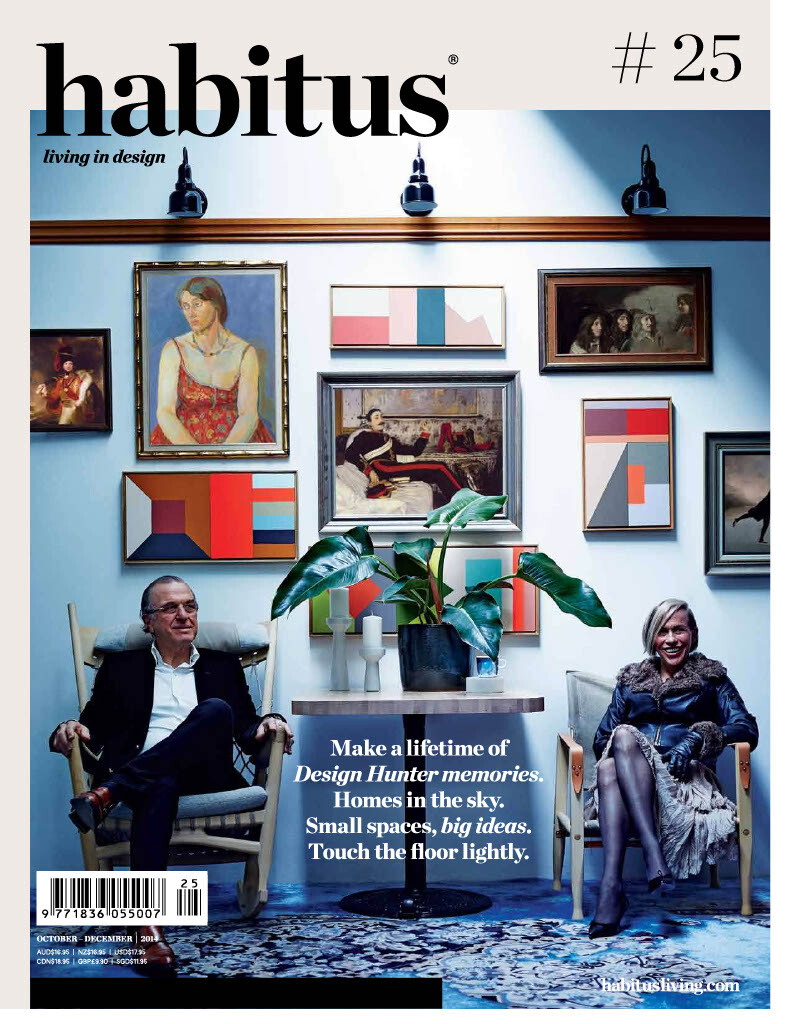
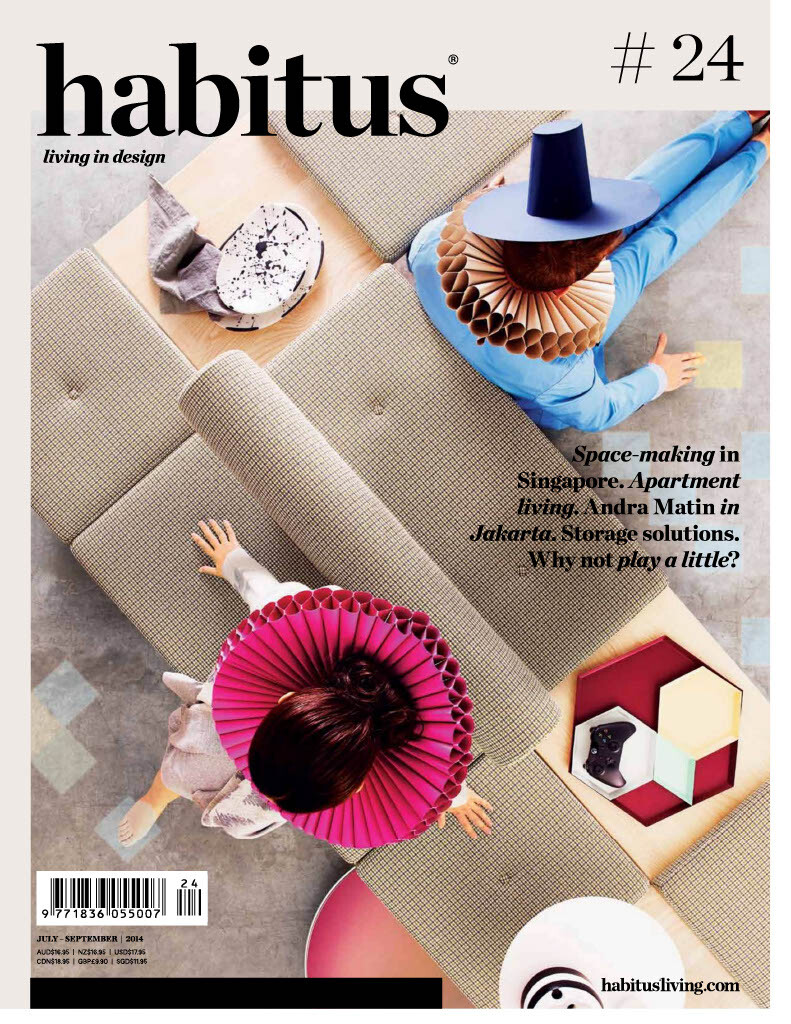
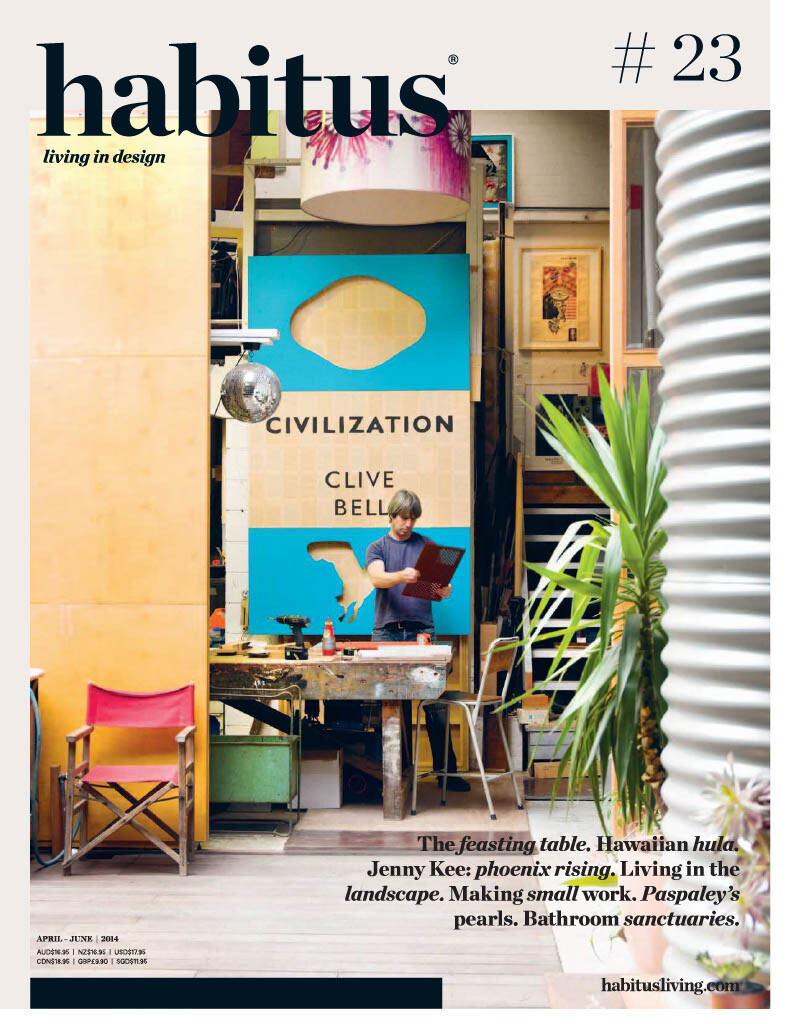
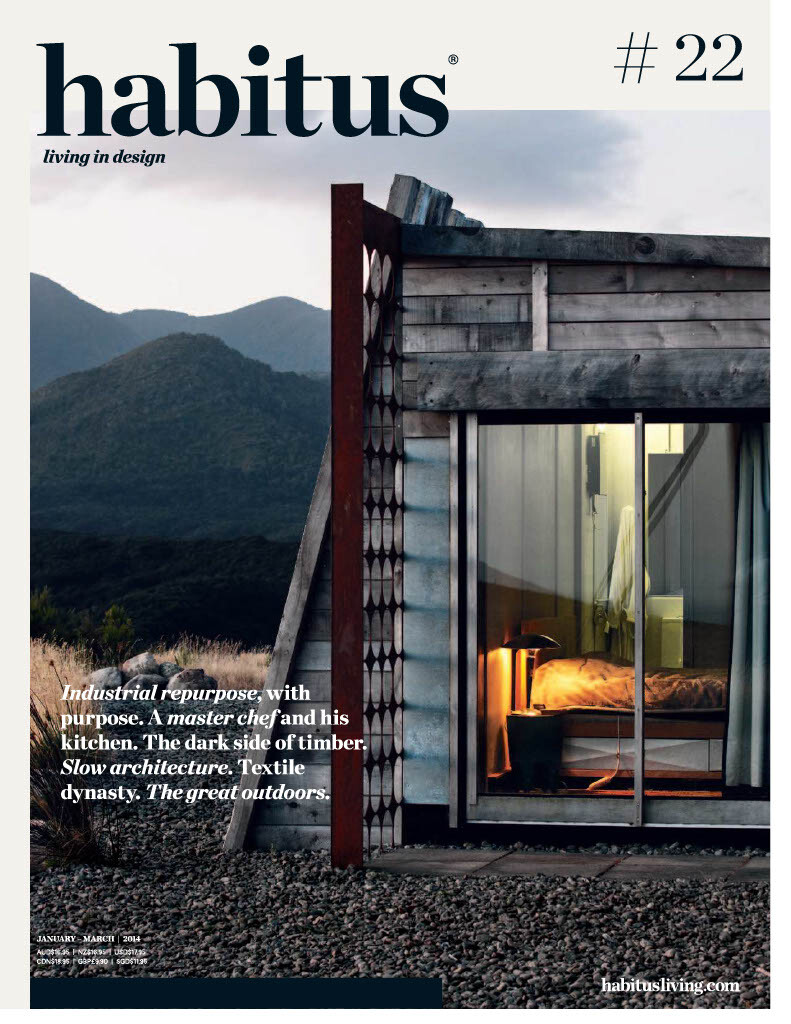
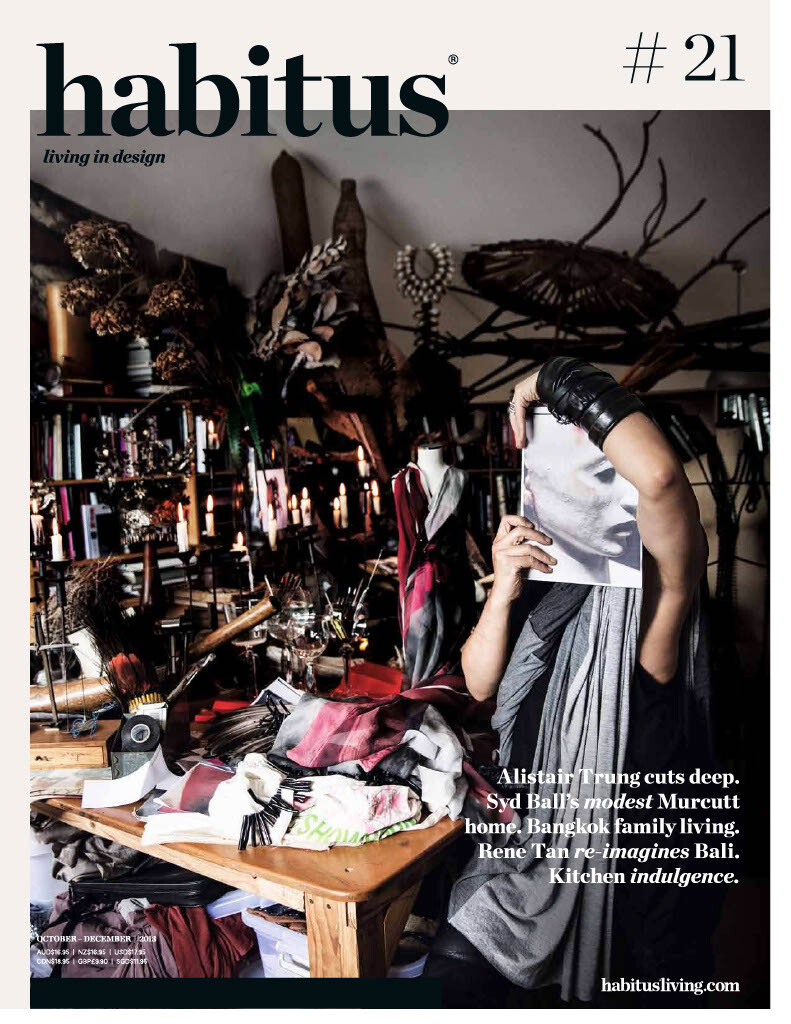
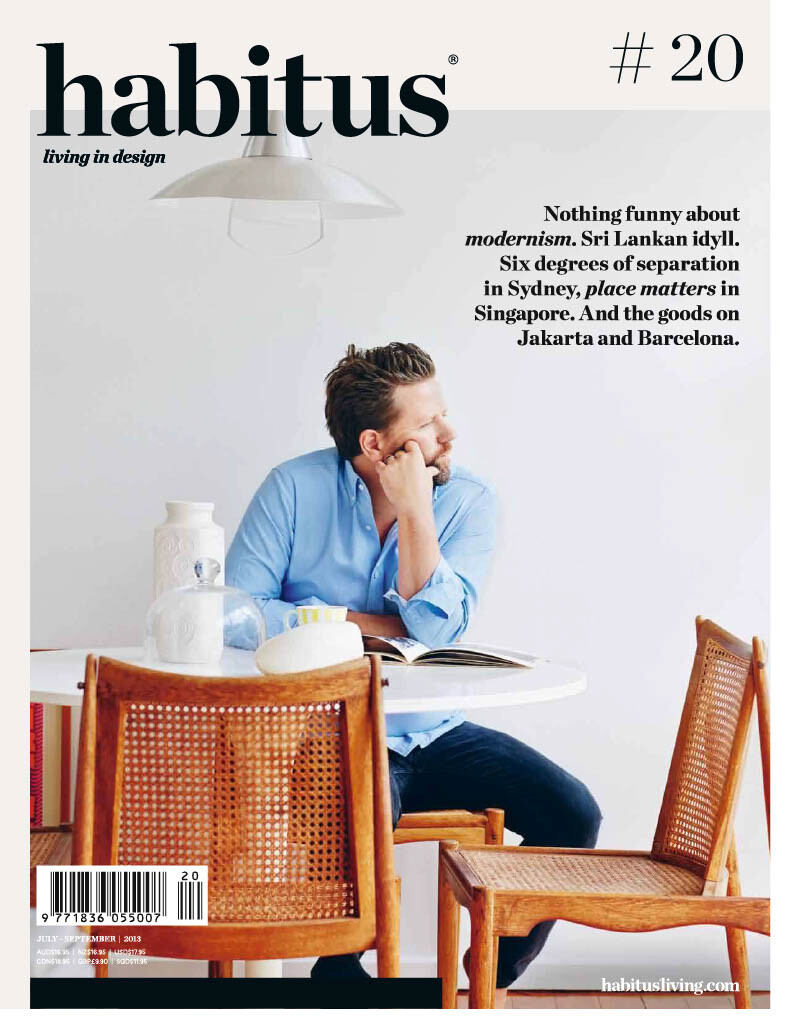
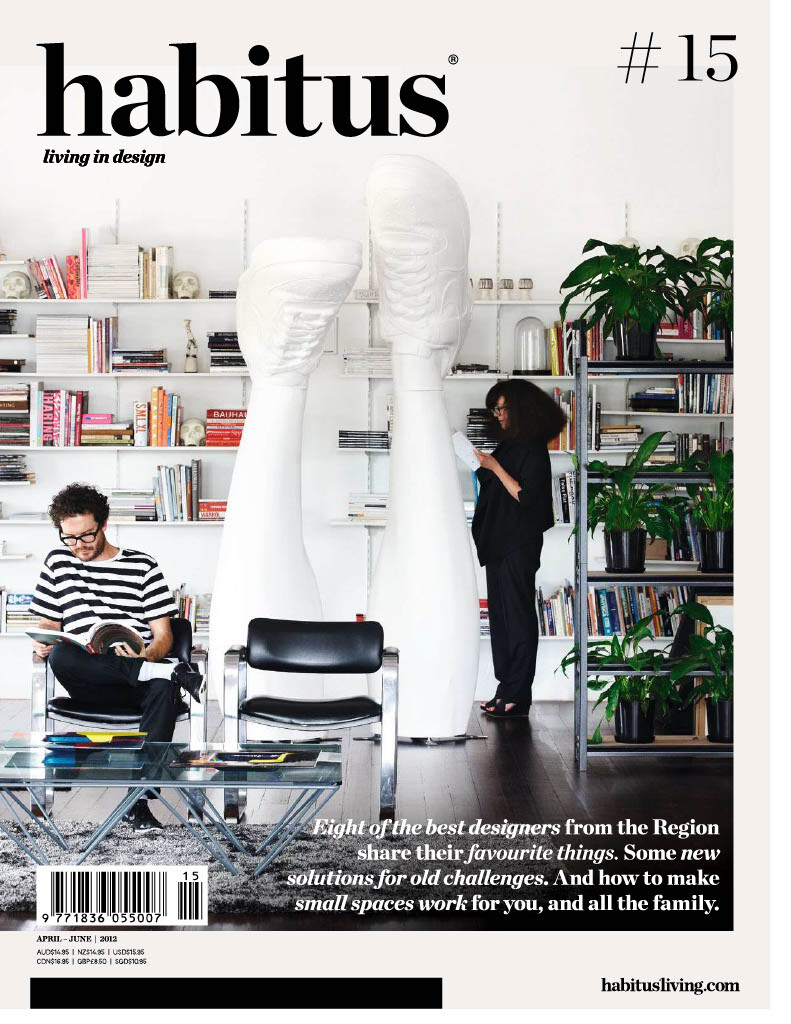
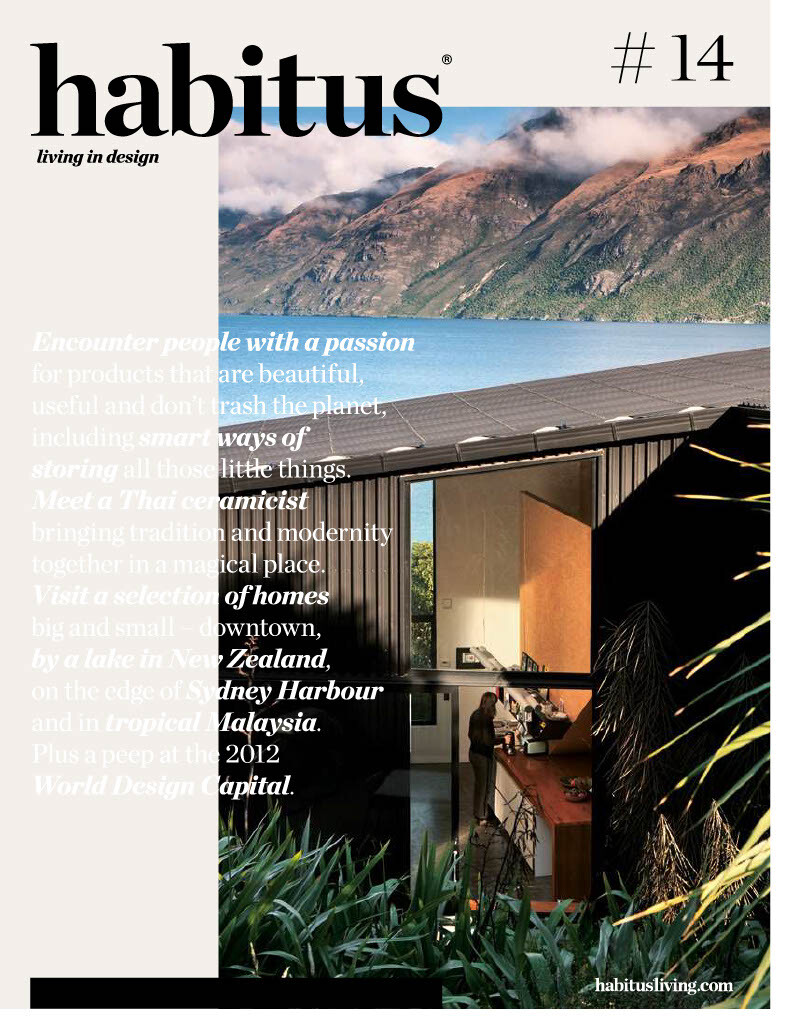
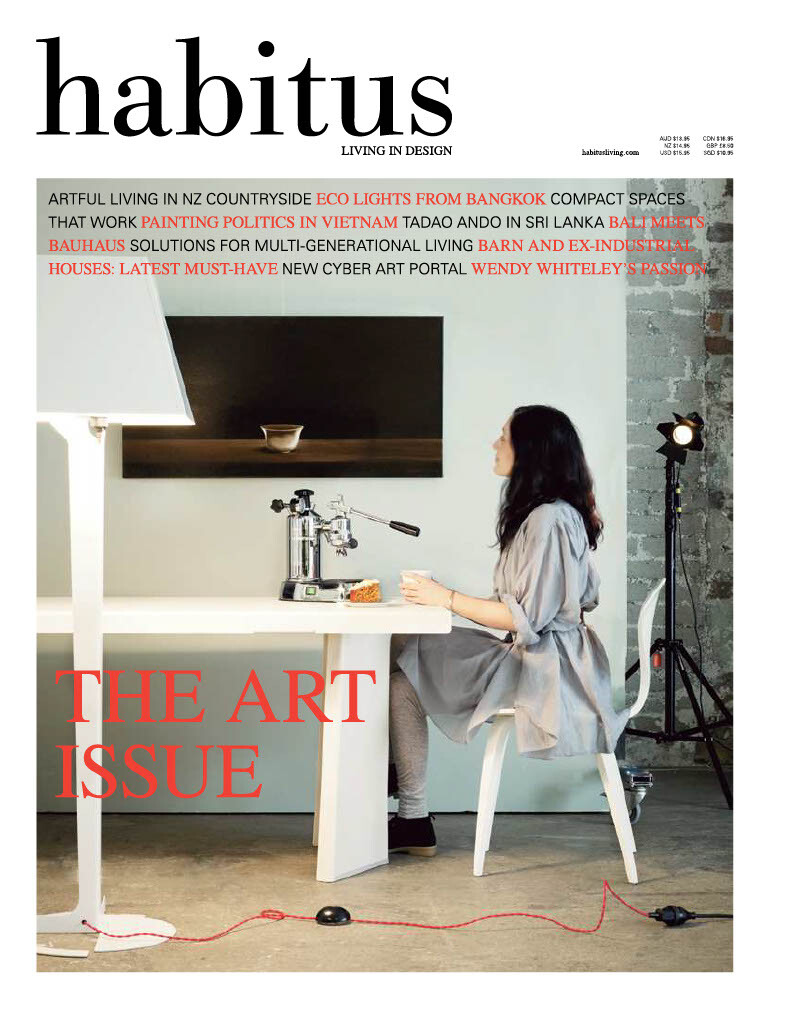
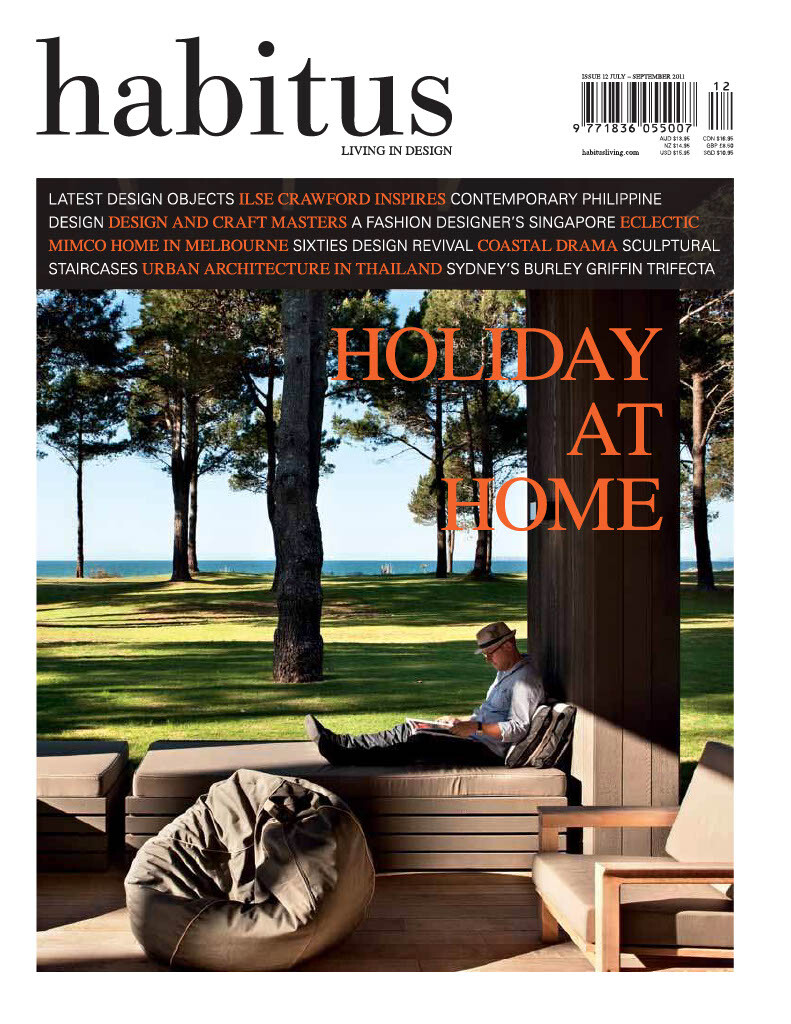
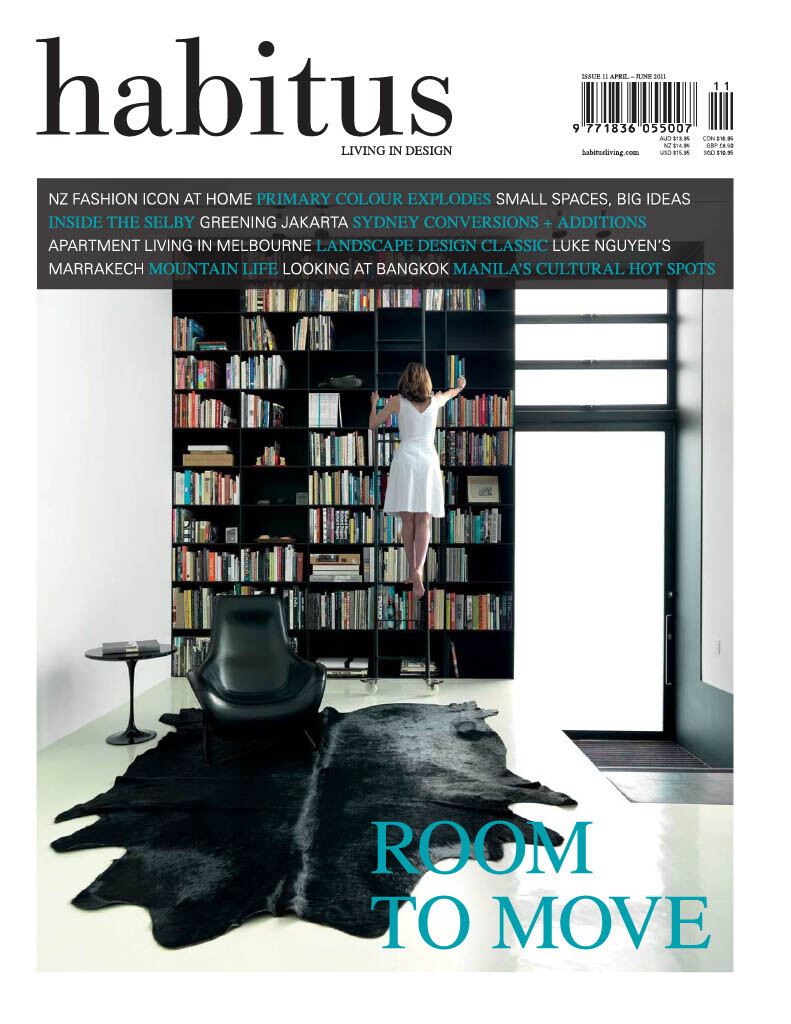
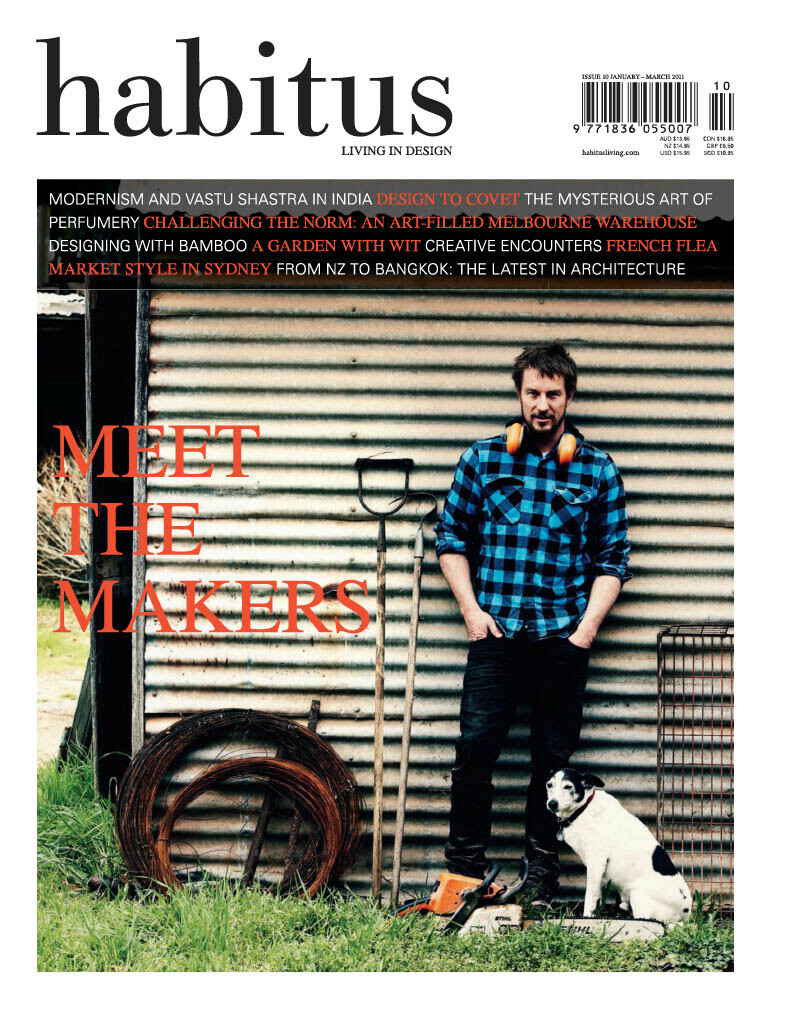
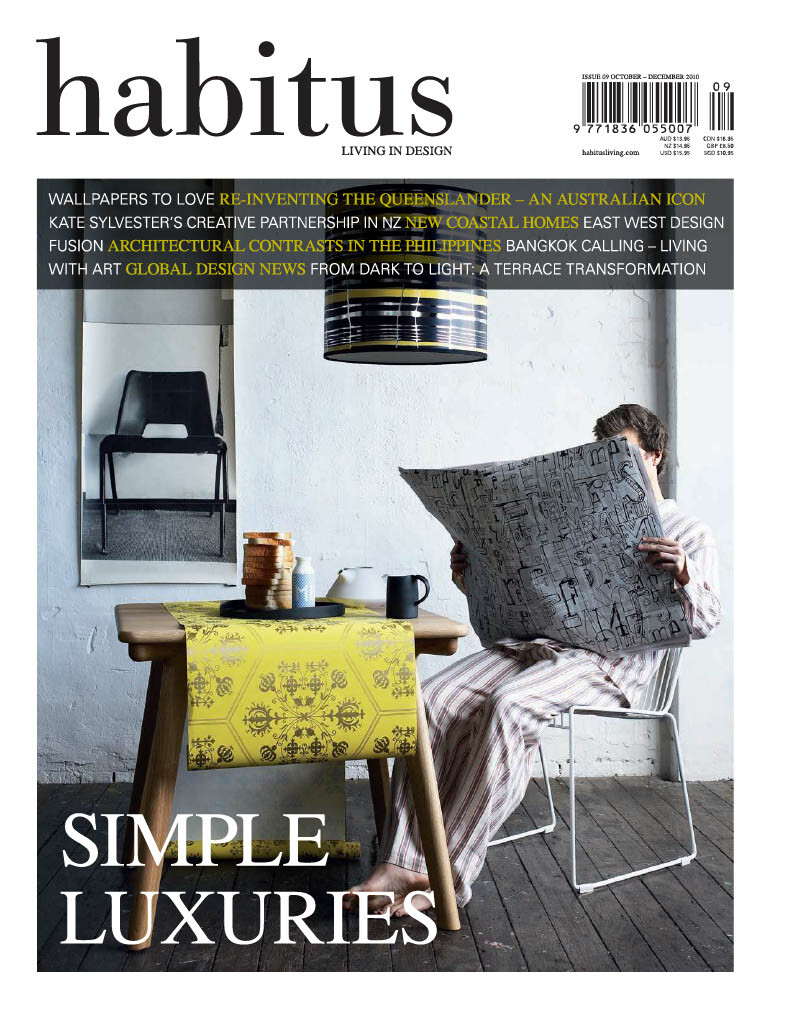
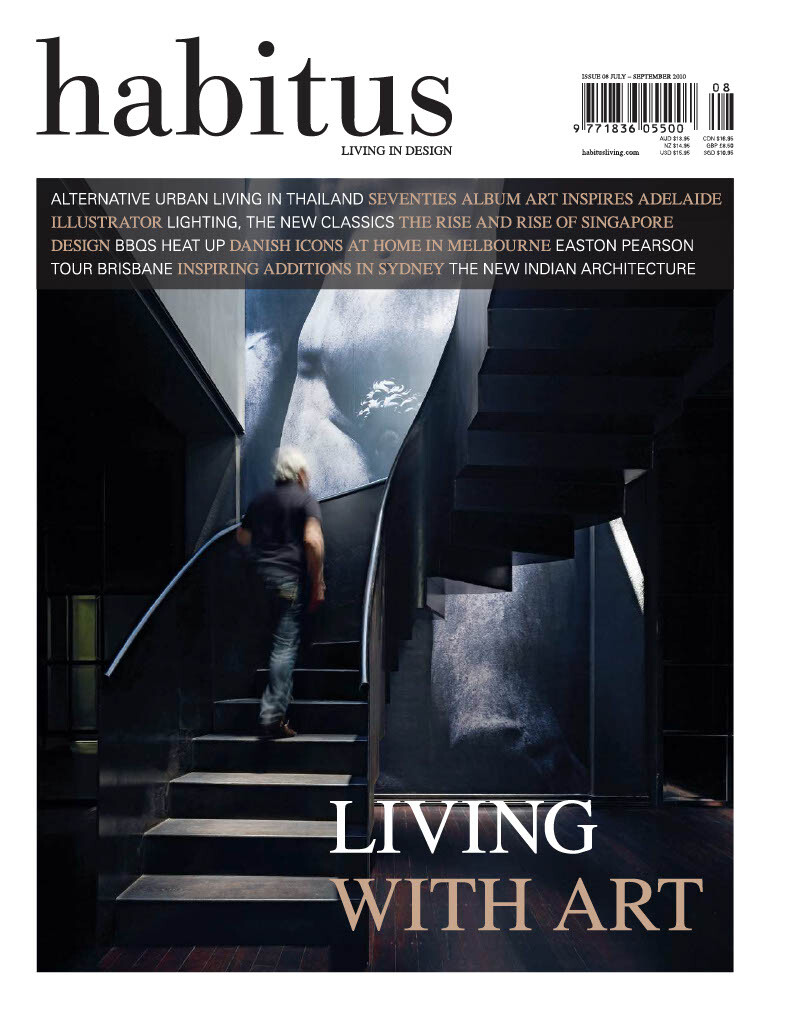
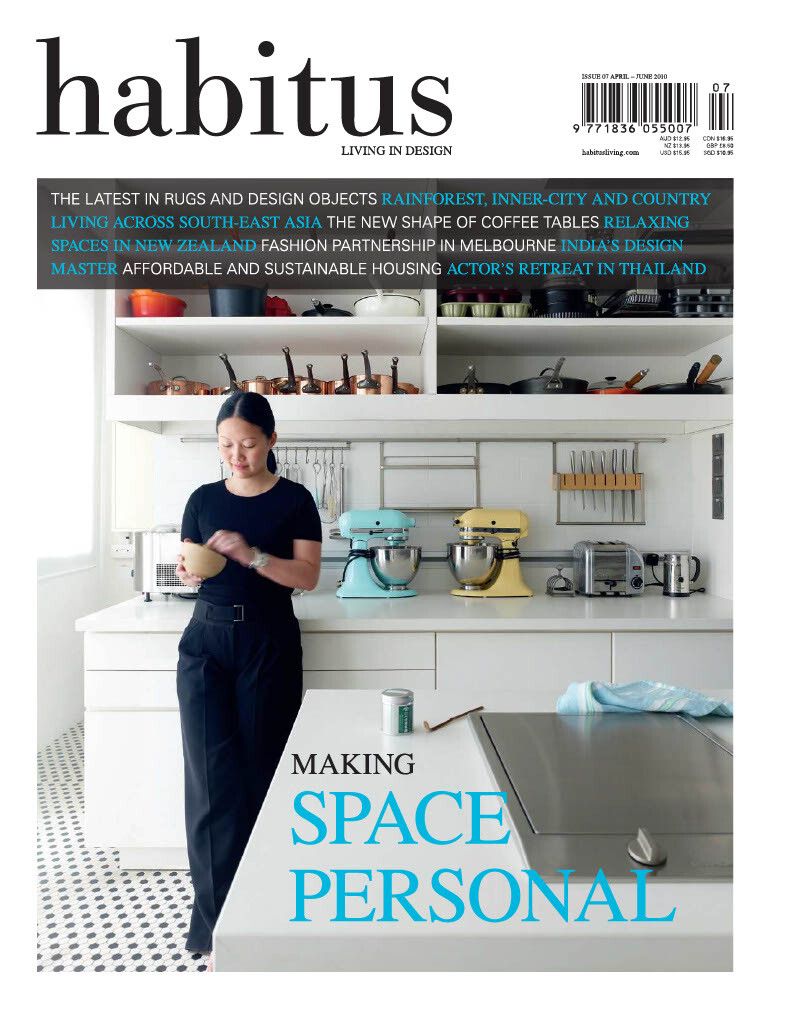
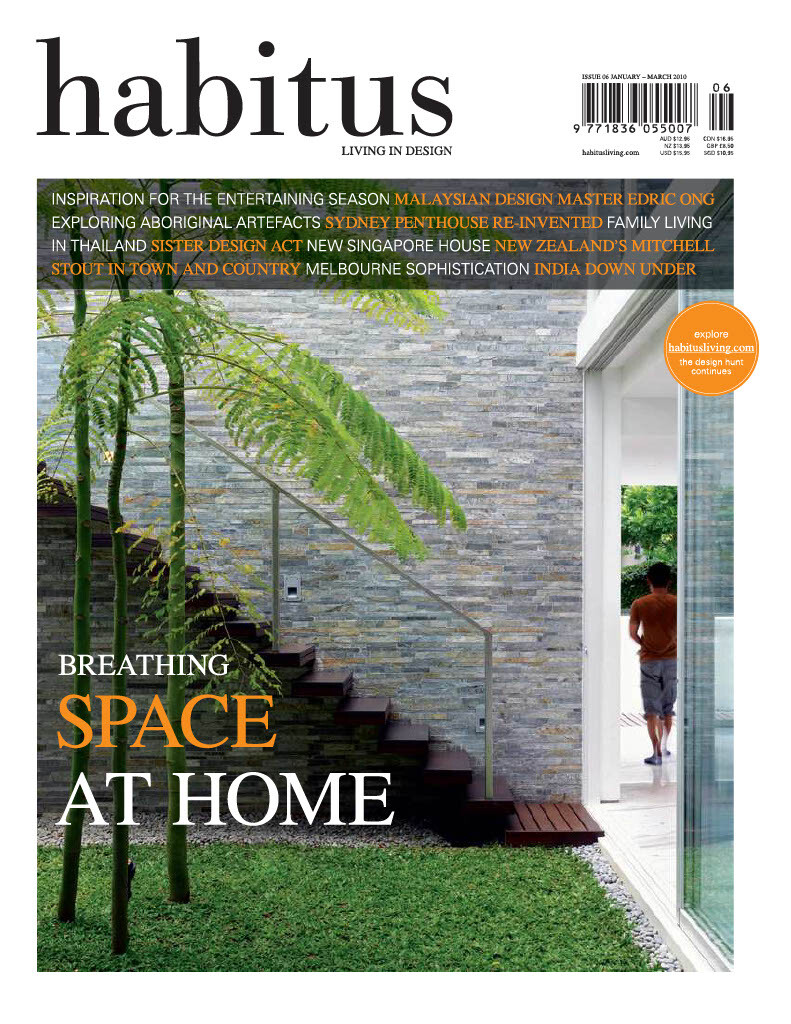
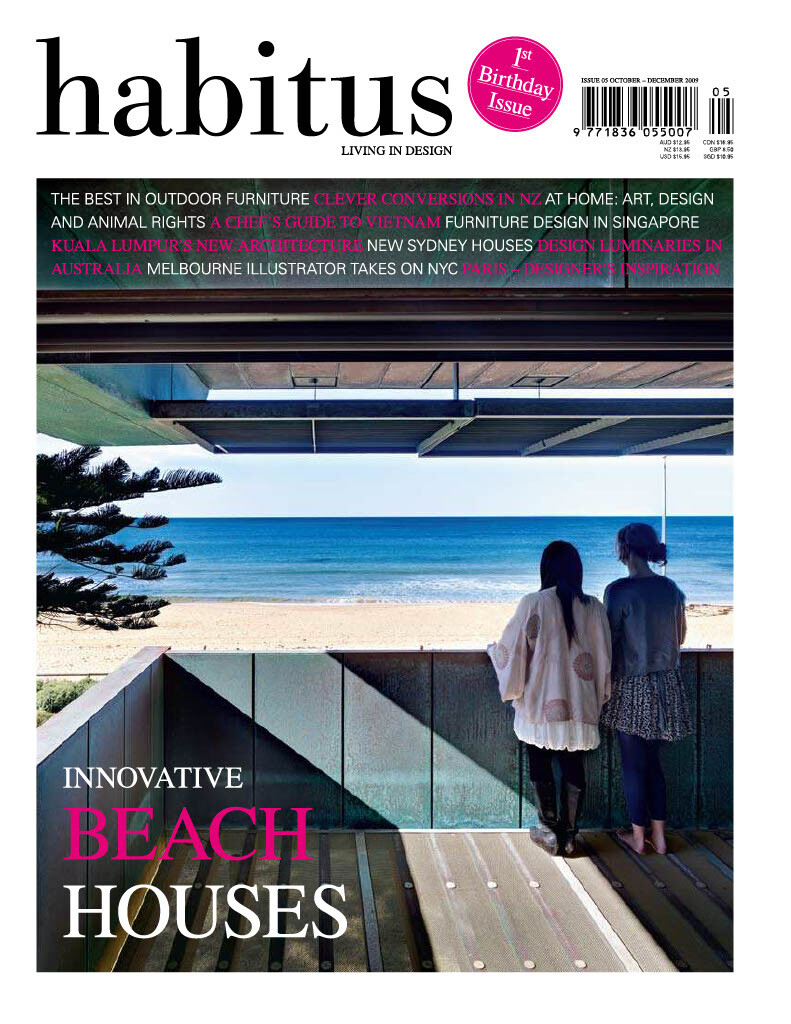
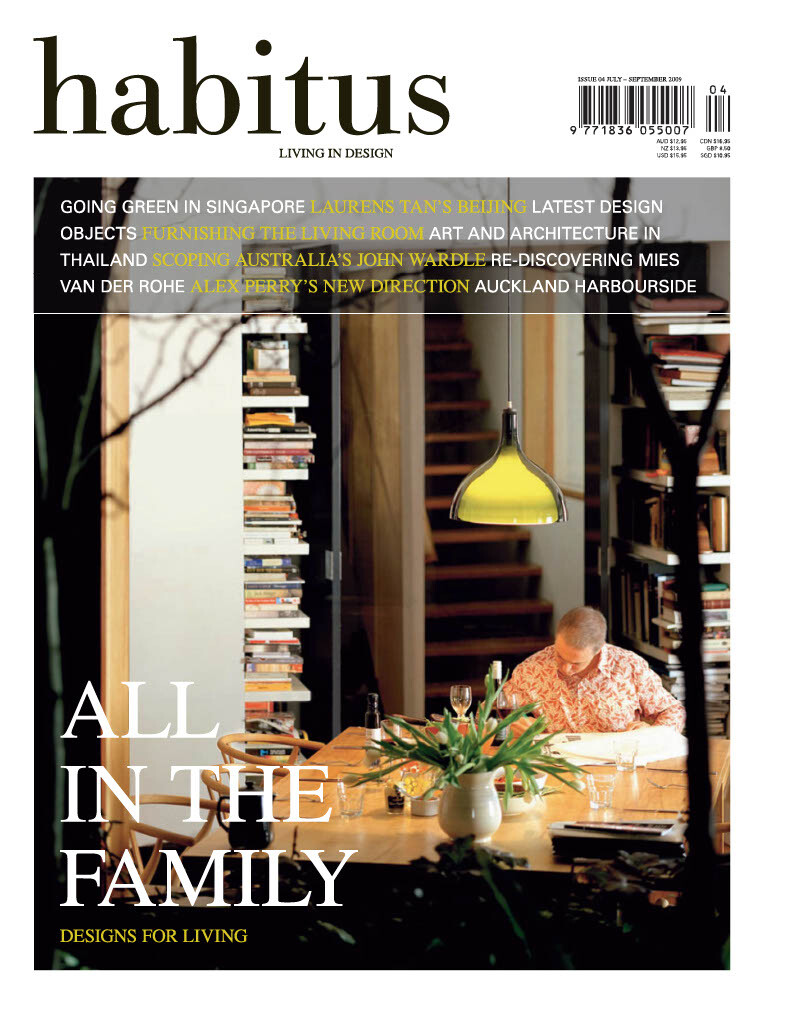
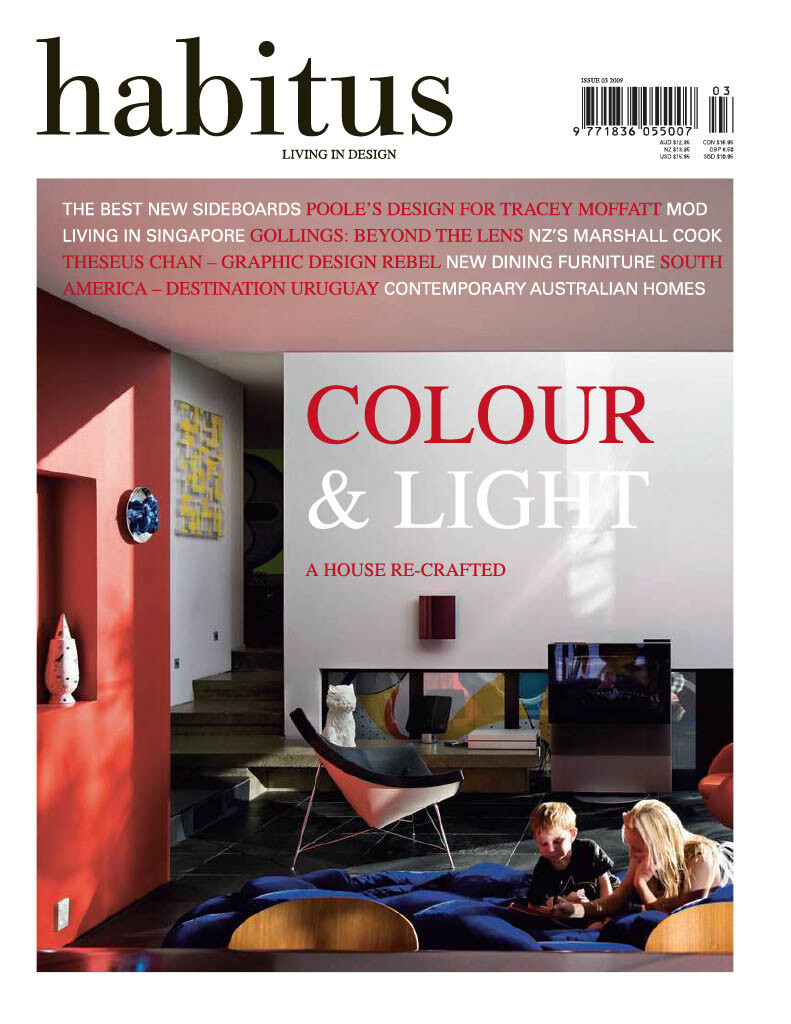
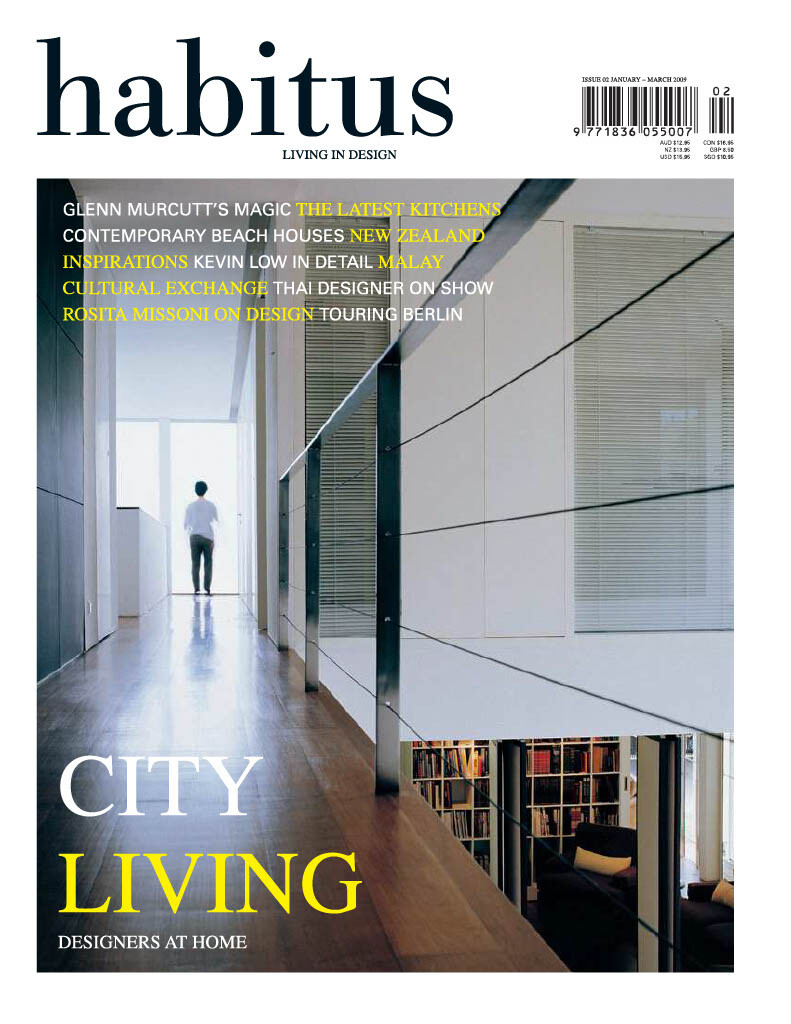
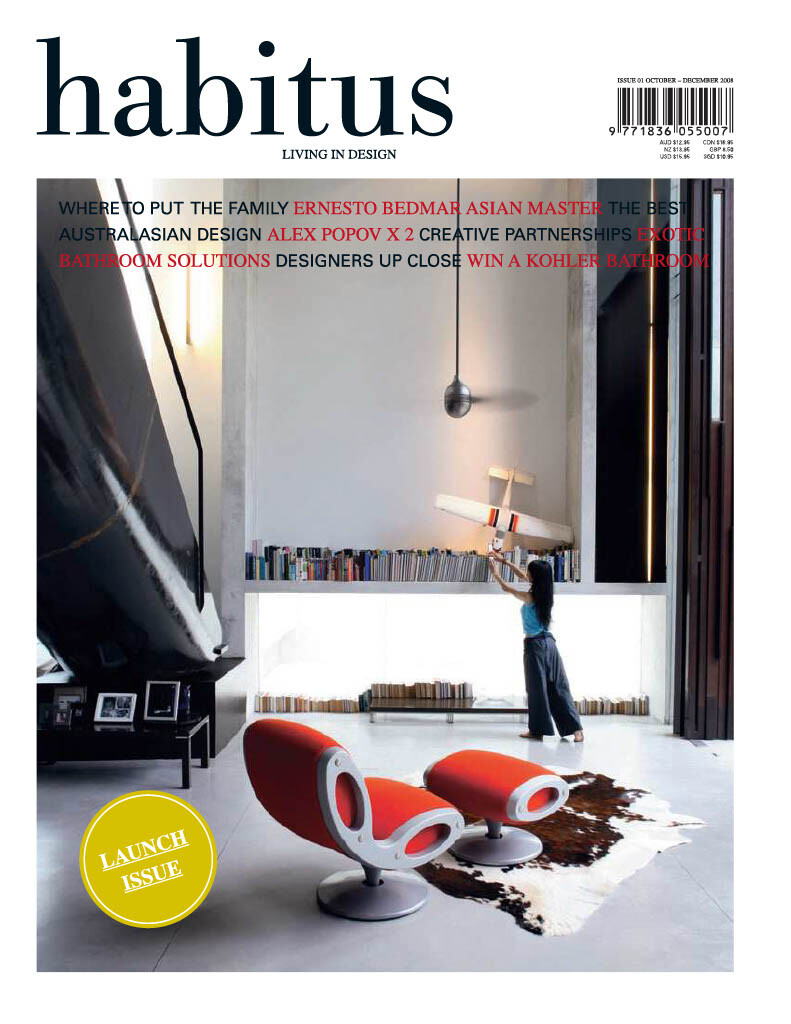
Habitus Magazine is the Asia Pacific authority of choice for Design Hunters® looking for the special in design and architecture and products, providing an exclusive view into the regions most beautiful homes.
Subscribe Now