
Please Note: By submitting this form you will be added to the Habitus Living mailing list.
We tend not to talk about ‘homes’ in Habitus, preferring ‘houses’ and ‘apartments’. But the idea of ‘home’ is very much embedded in everything we do. In most languages the word for ‘home’ is polysemic – which means that, like most everyday words, it has more than one meaning. Check it out in the dictionary and you will see what I mean.
In fact, just speaking our mother tongue can make us feel ‘at home’, especially if we have spent time communicating in another language. This is partly because our first language is inseparably linked to our development in childhood. But it is also because in subtle ways, our values and view of the world are encoded in the mother tongue. So speaking it becomes a matter of “God’s in His heaven, all’s well with the world” – we feel reassured that things are the way they were always meant to be.
These are ideas most famously elaborated by Gaston Bachelard in The Poetics of Space where he comments that “A house that has been experienced is not an inert box. Inhabited space transcends geometrical space.” So, we can feel at home in a house but, as Bachelard says, we can also feel at home in a specific space in the house – or, for that matter, outside the house in the garden or the landscape, because that space in which we feel at home does not necessarily have to be an enclosed space.
So, we can feel ‘at home’ in a particular place, speaking our mother tongue or in the company of certain people. And ‘coming home’ is about returning to – even discovering for the first time – those places, things, people and beliefs which make us feel secure in an existential sense.
Conversely, we can feel that we don’t belong anywhere – a condition referred to as anomie. In this issue of Habitus, for example, we meet Fiona Tan whose art is essentially about dislocation, and is made from the fragments of things and experiences which once made up someone’s sense of belonging.
But most of the stories in this issue are more typical – they are about a sense of place, and about how we can maintain a sense of individual and cultural uniqueness in ‘the global village’. As always, we range widely across the Region, from Laos and the Philippines, through Bangkok and Singapore to New Zealand and Australia.
Hence, we have an architect in Bangkok who has created a home for himself and his art collection. We have a home for an extended family in Singapore which is more like a small block of apartments. We have a writer in Brisbane who has adapted a classic ‘Queenslander’ house for his own purposes and a house south of Sydney which set out to be completely at home in the landscape and history of its site. And for the first time since we launched, we journey to the Philippines for two examples of home-making in a very special context.
PAUL MCGILLICK | EDITOR
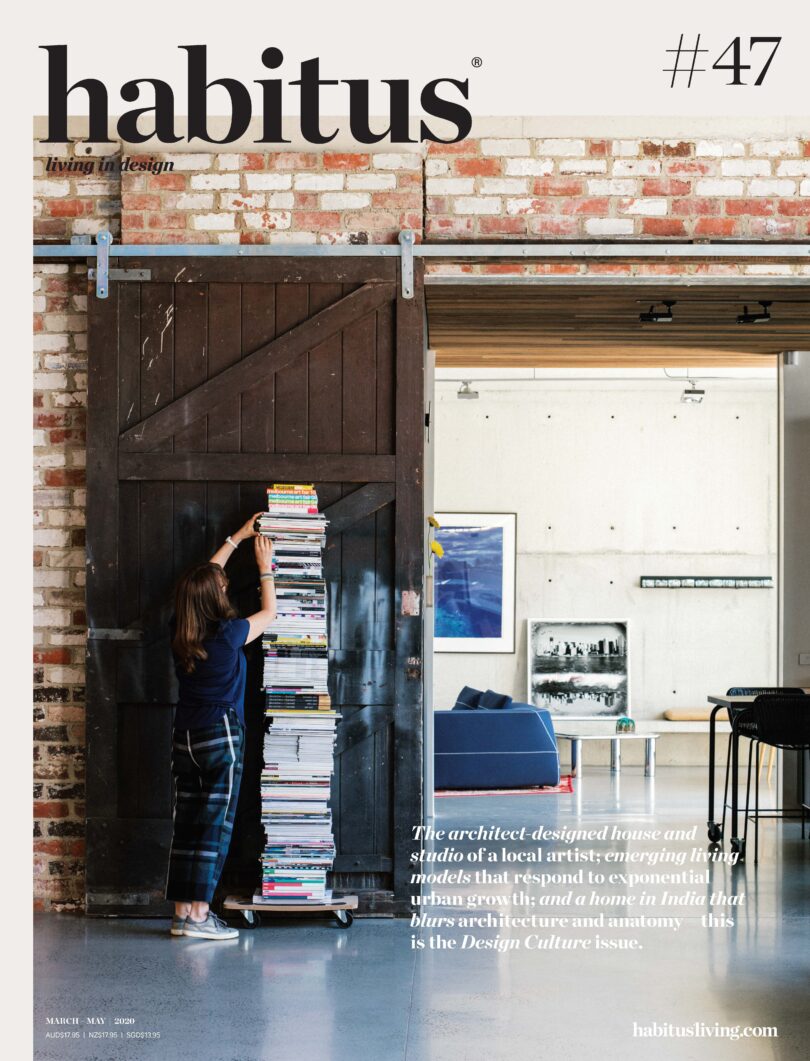
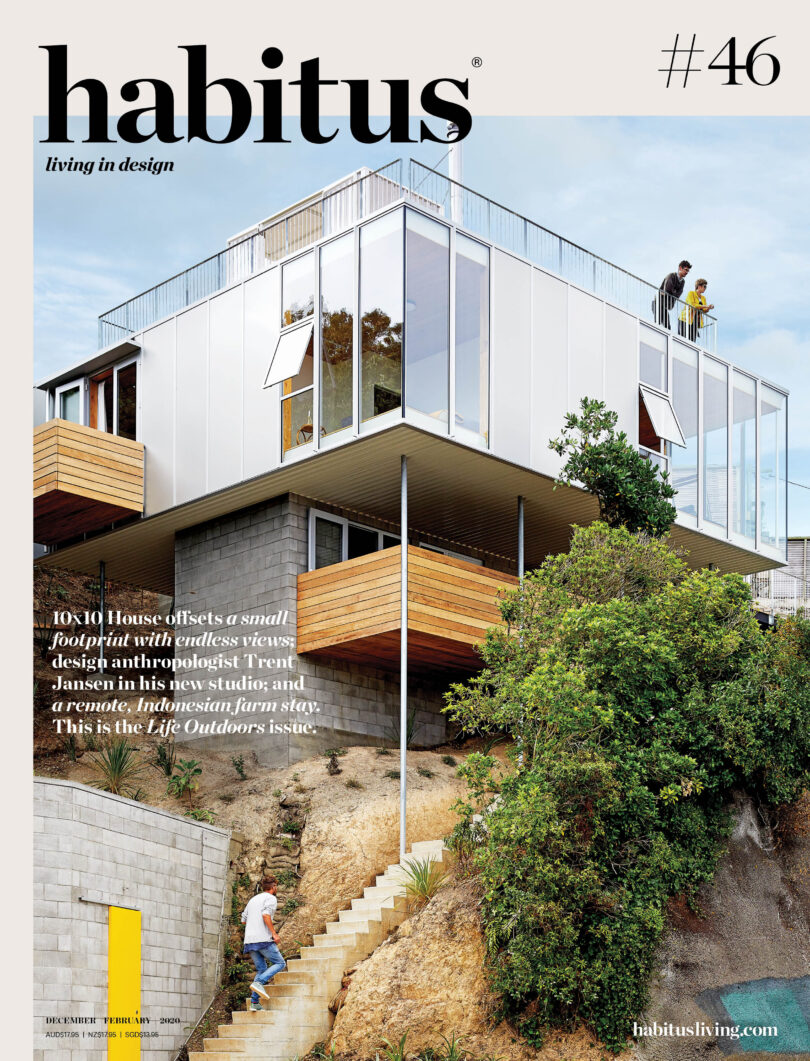
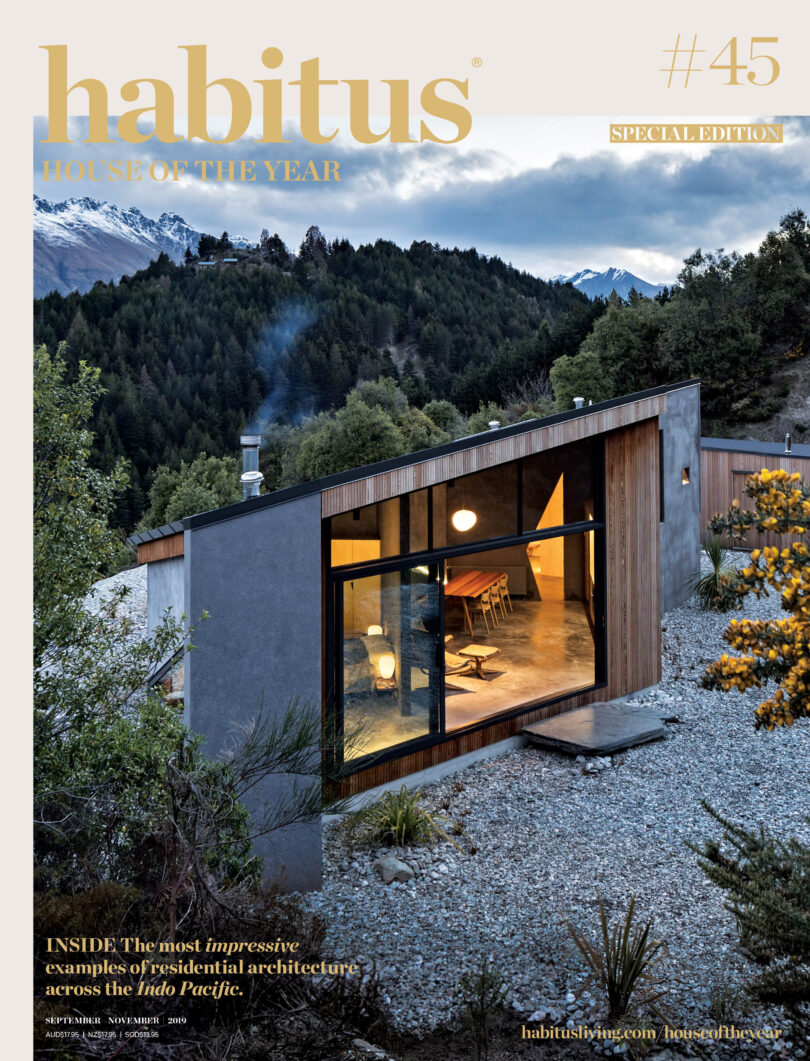
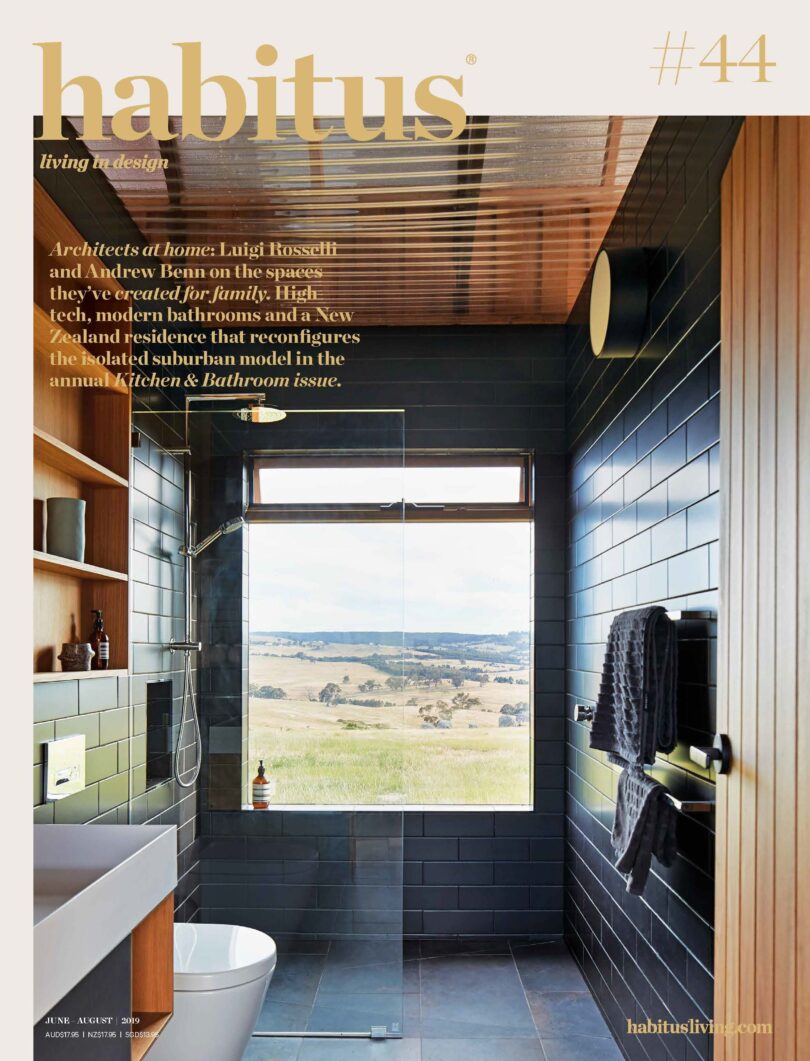
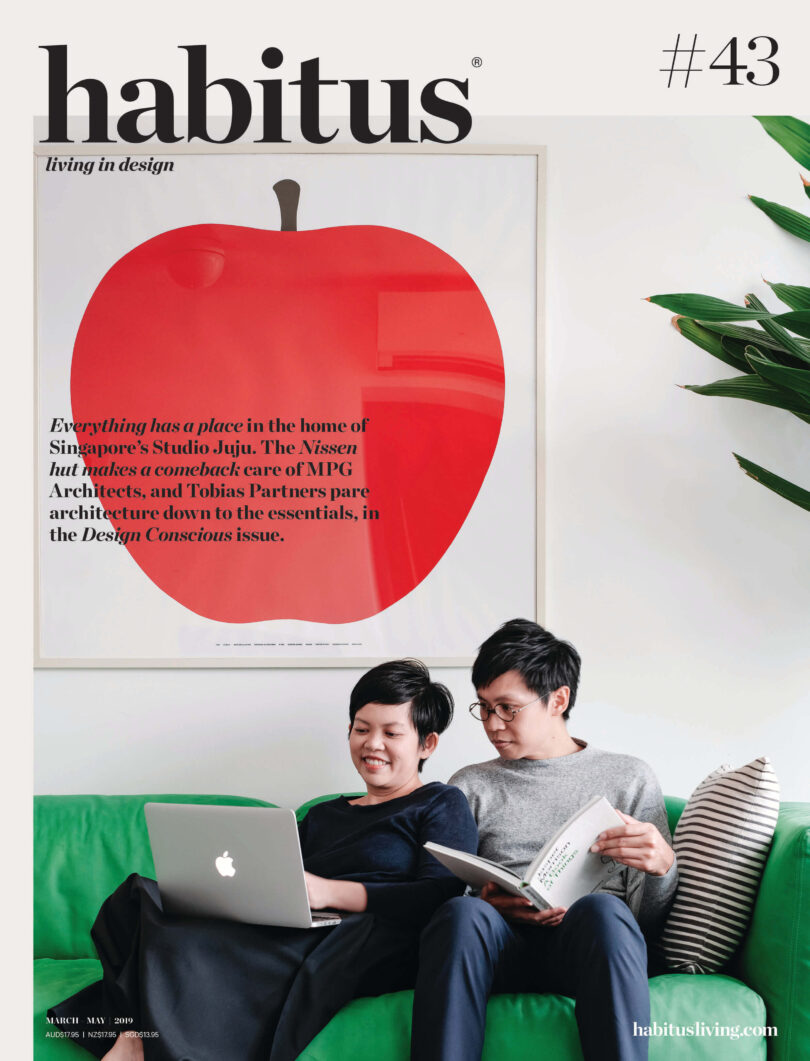
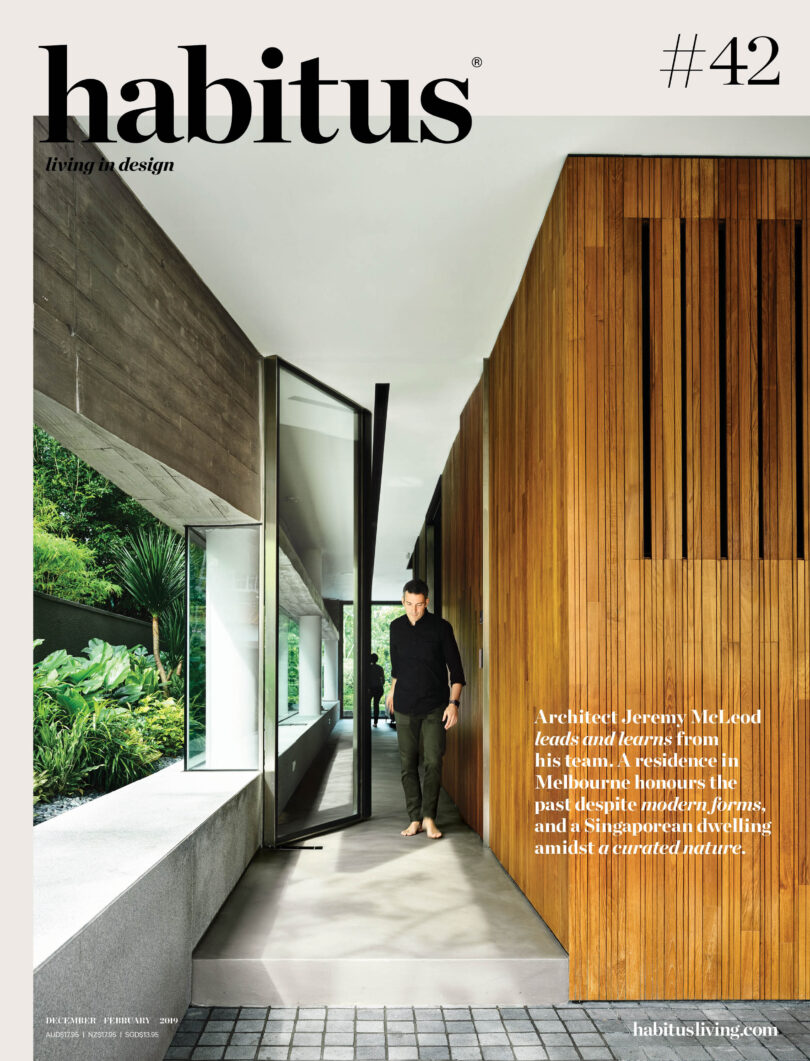
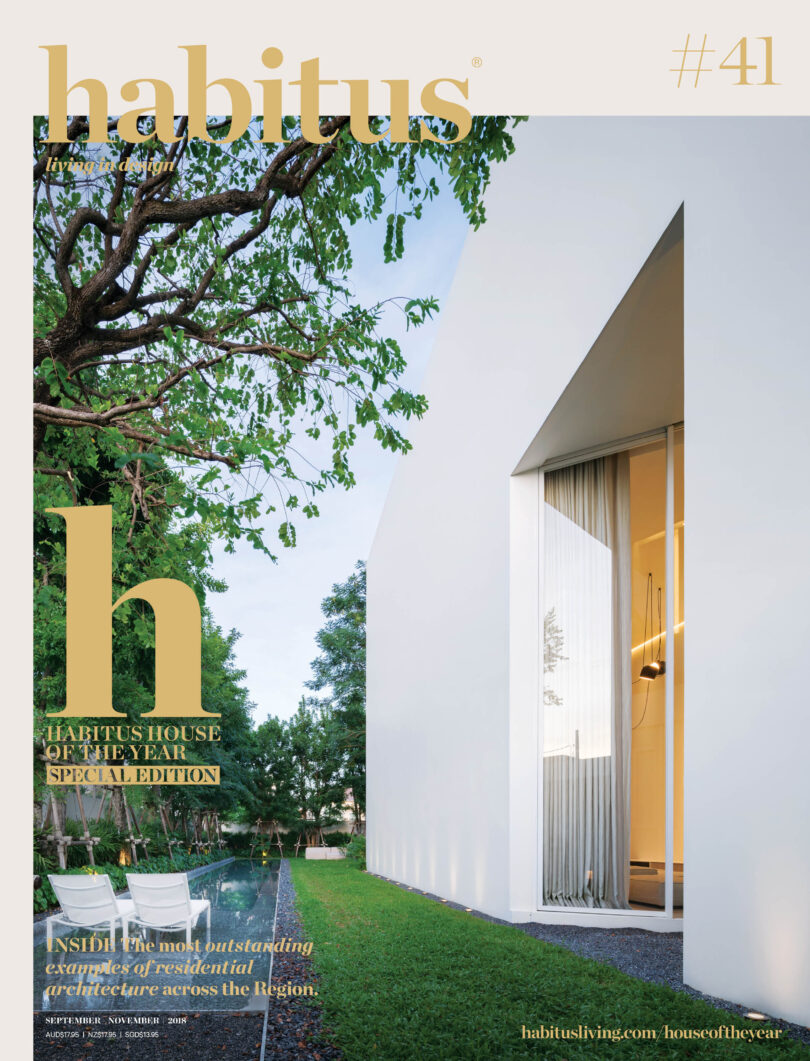
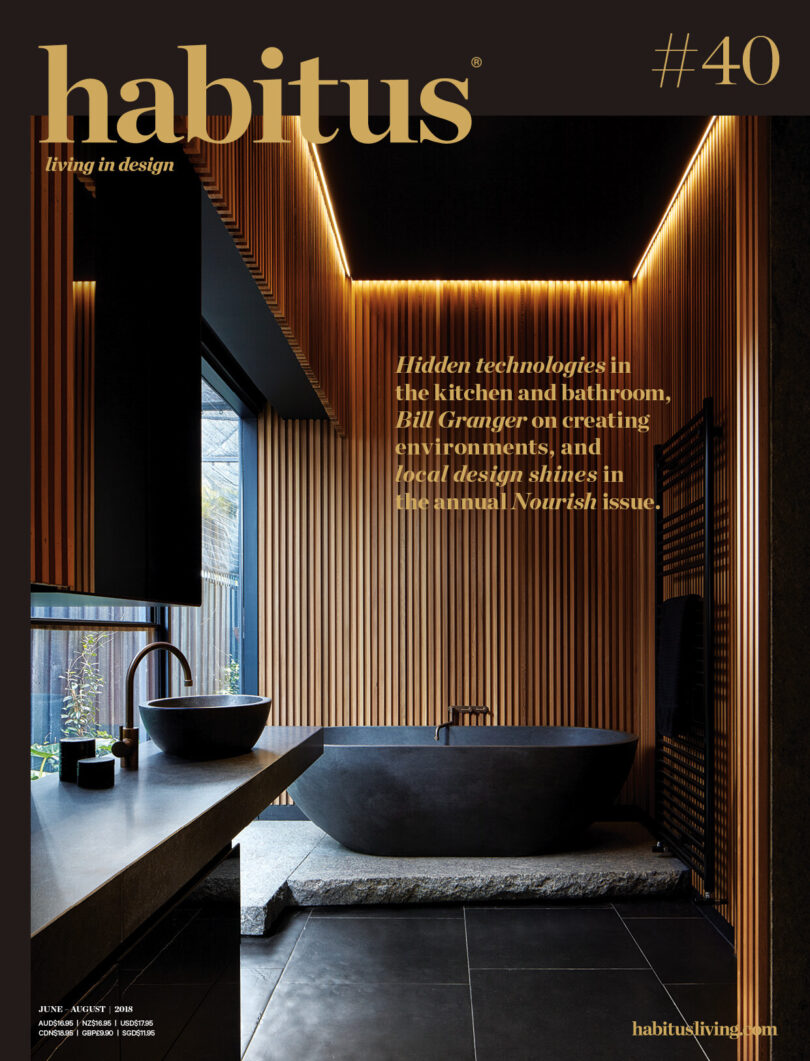
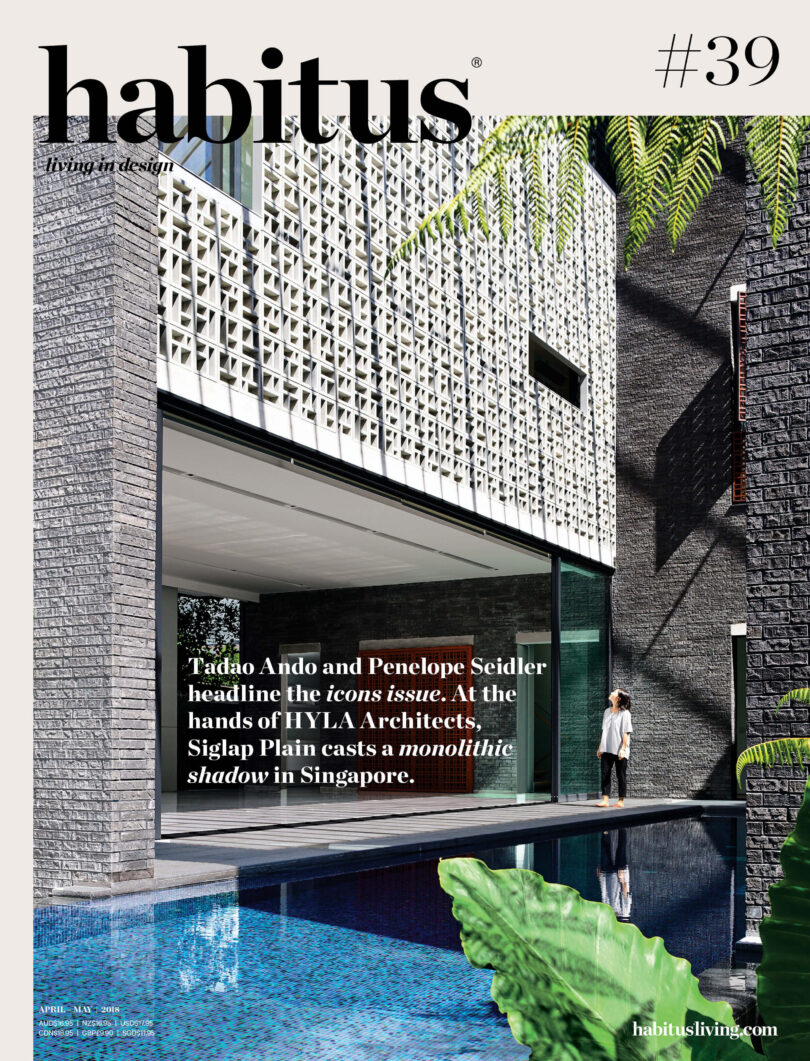
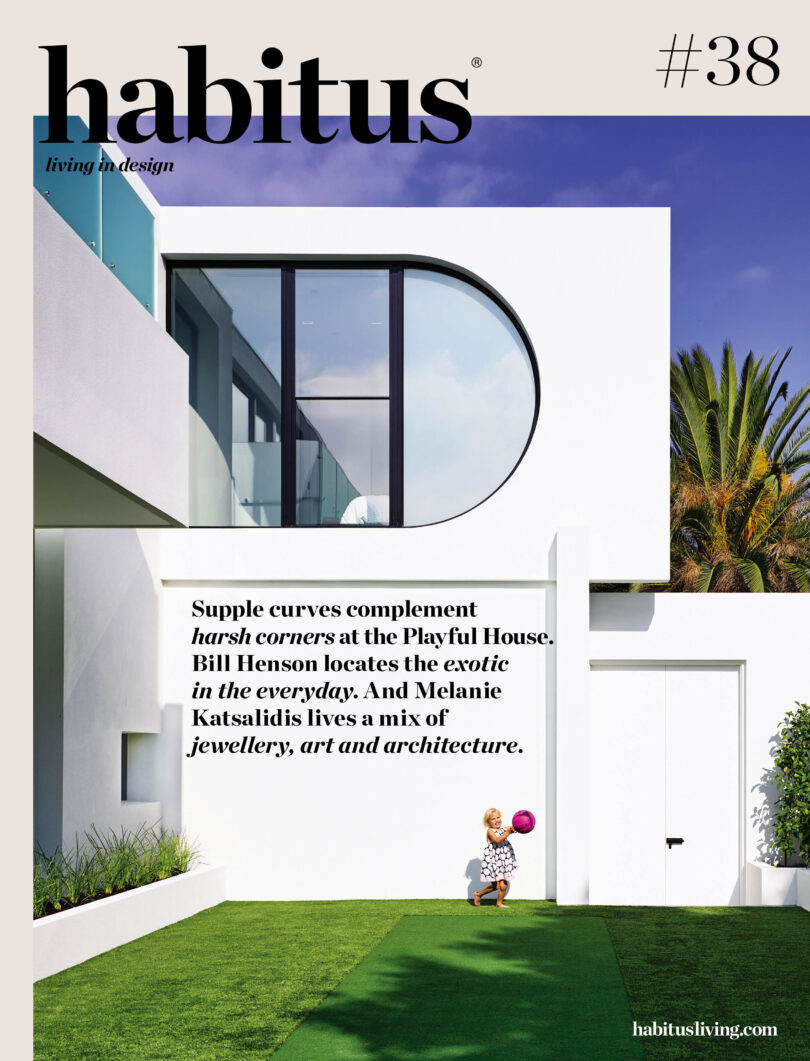
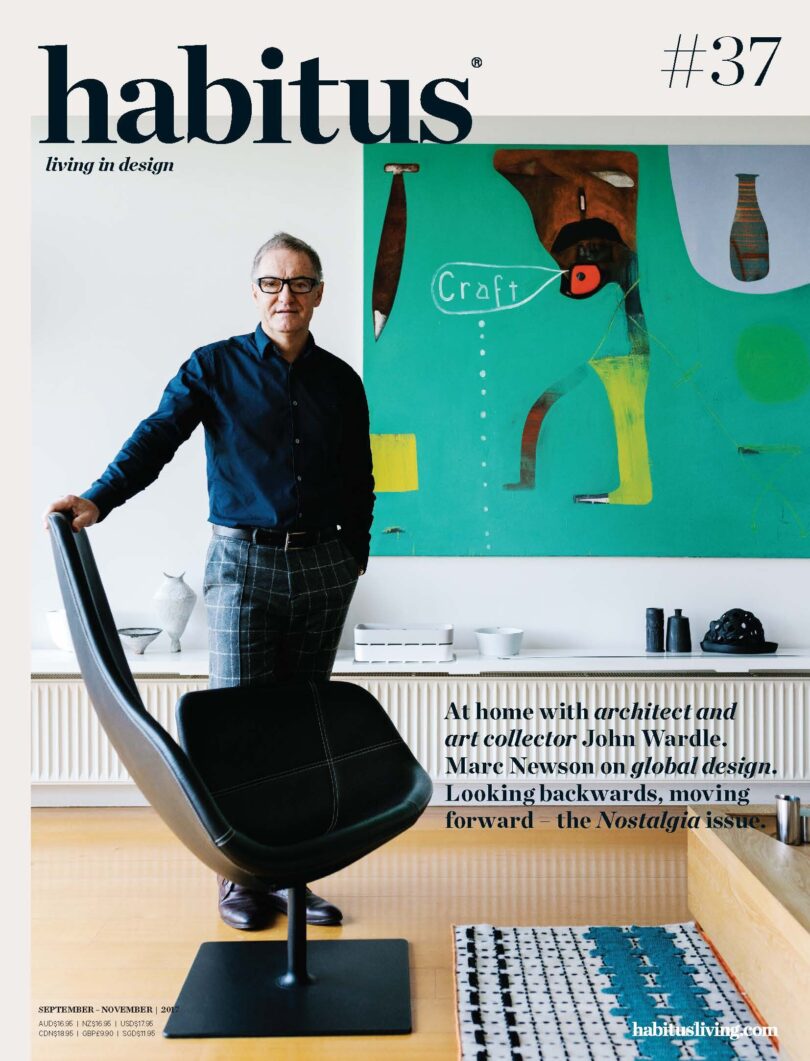
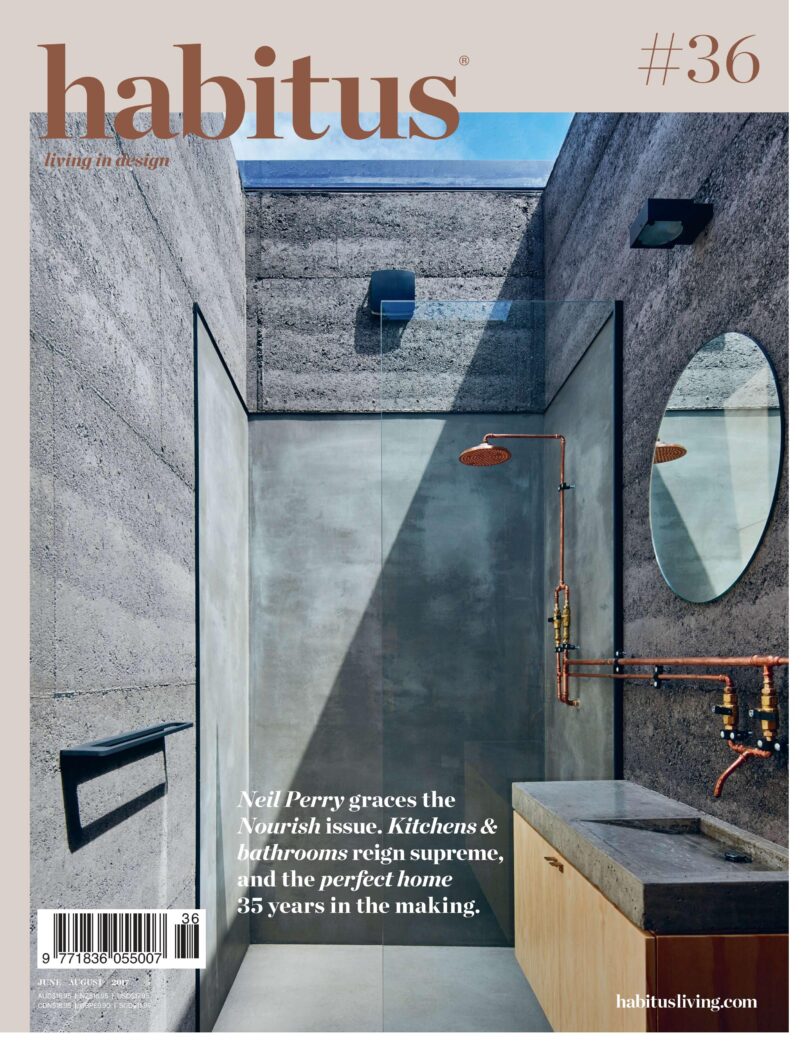
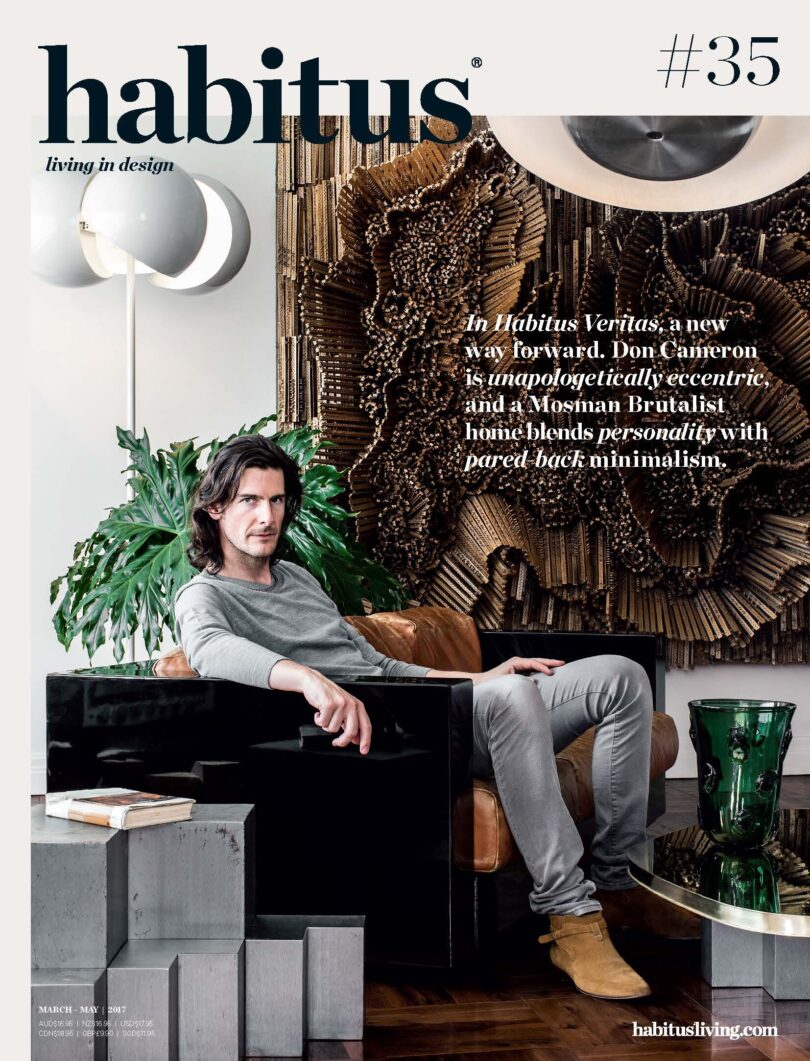
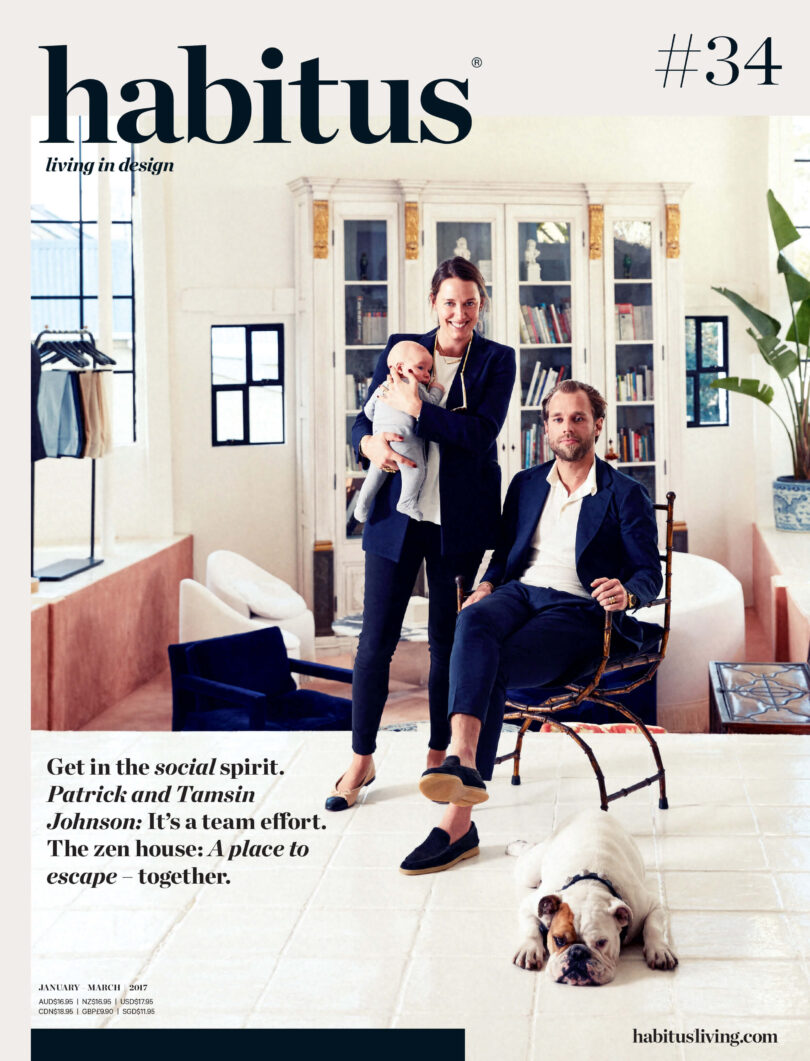
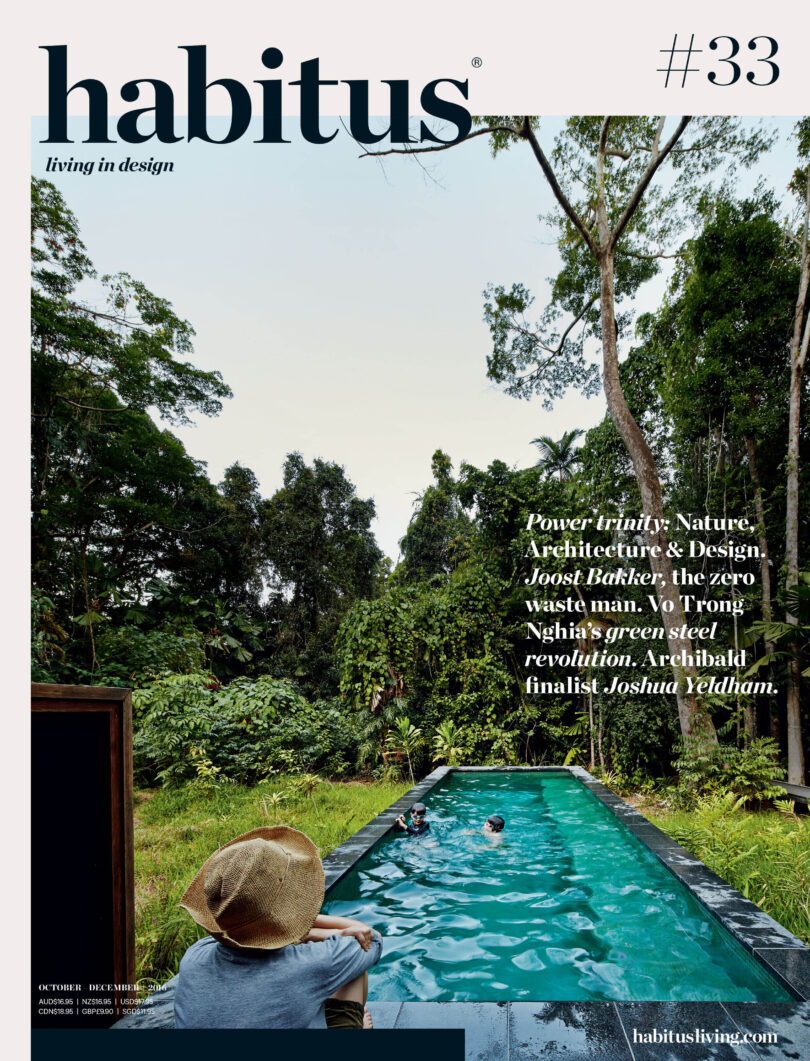
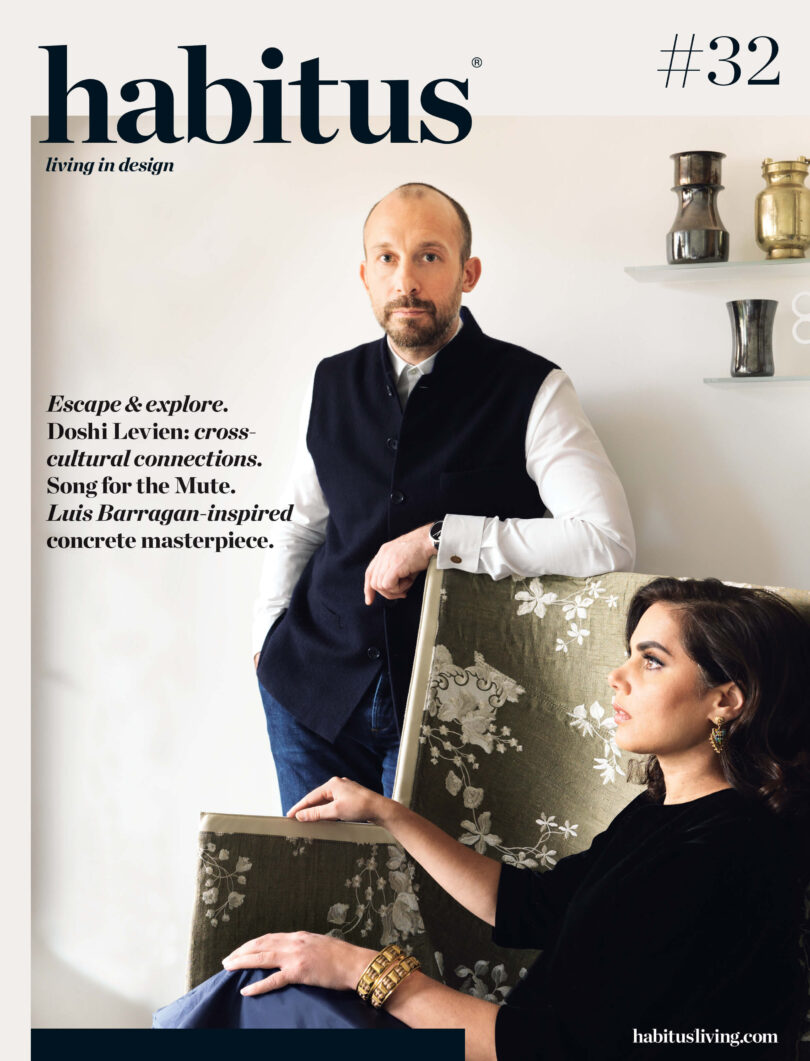
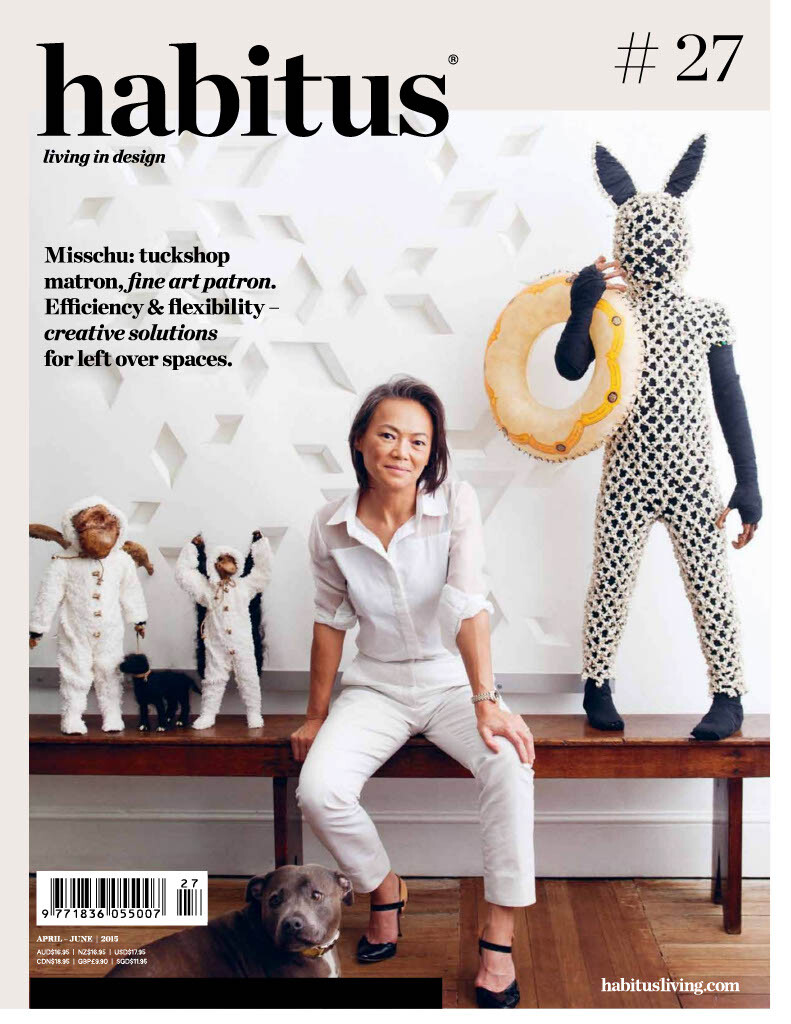
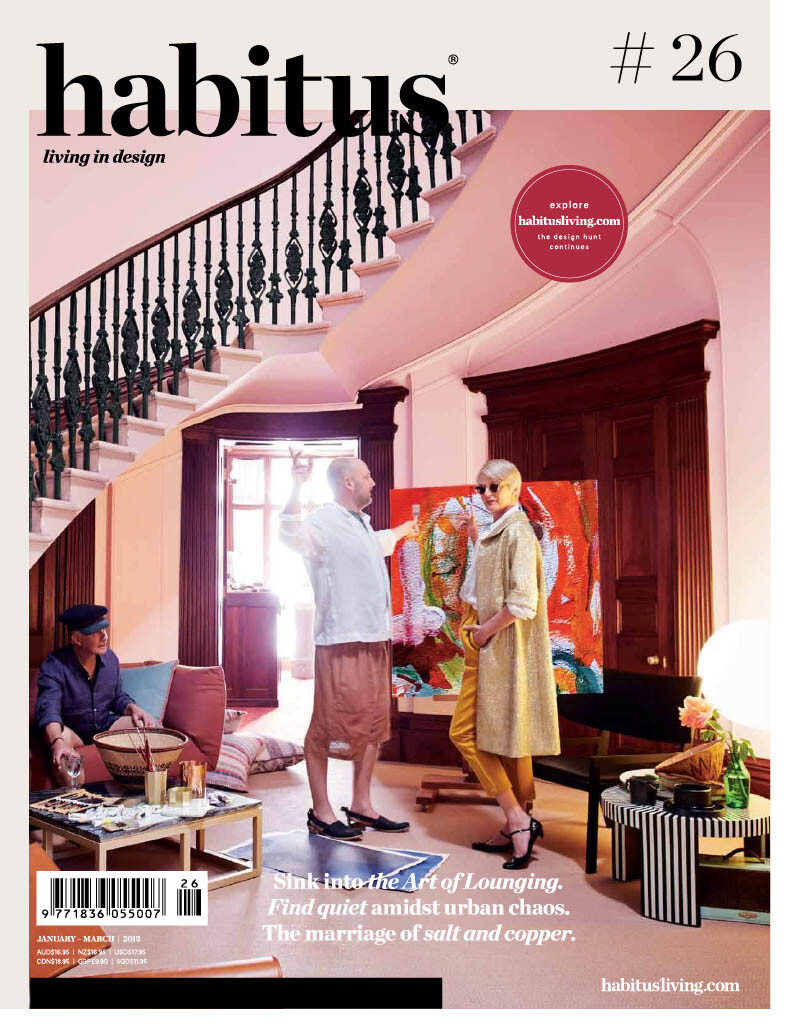
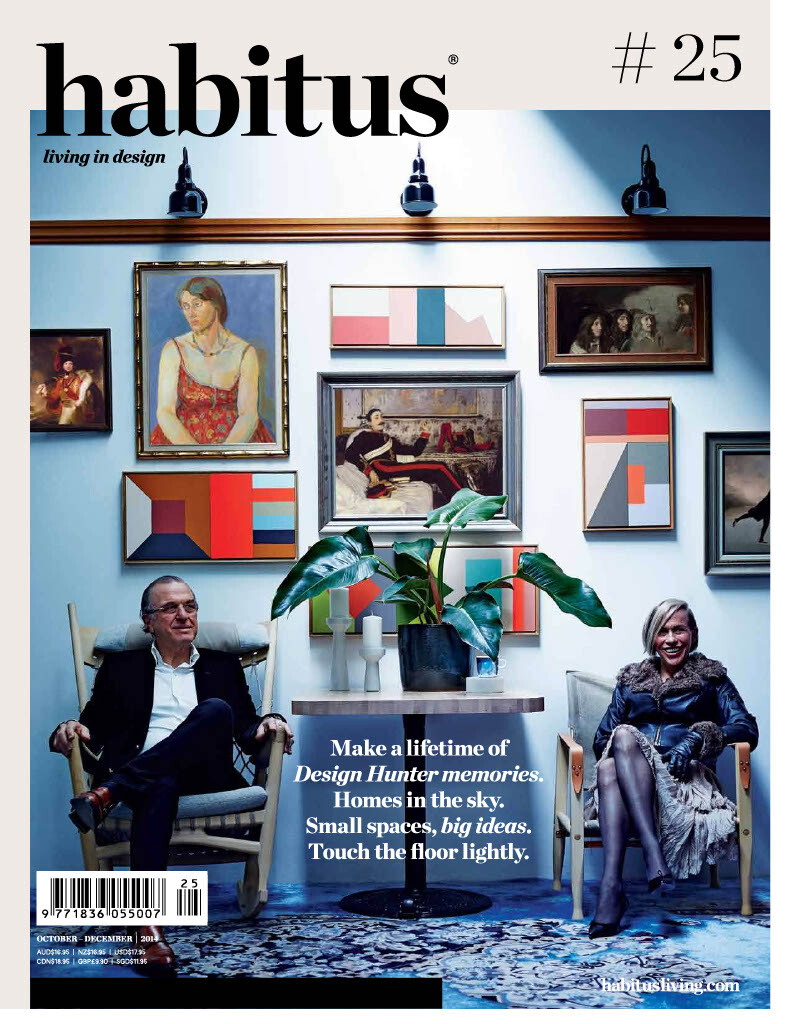
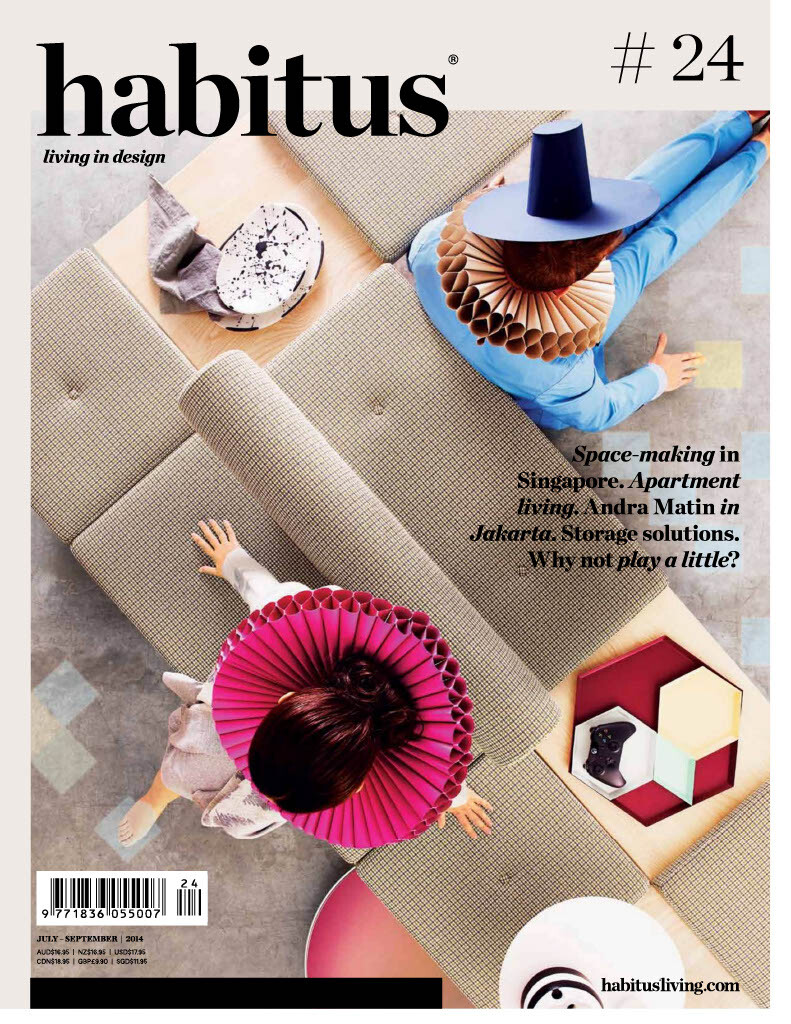
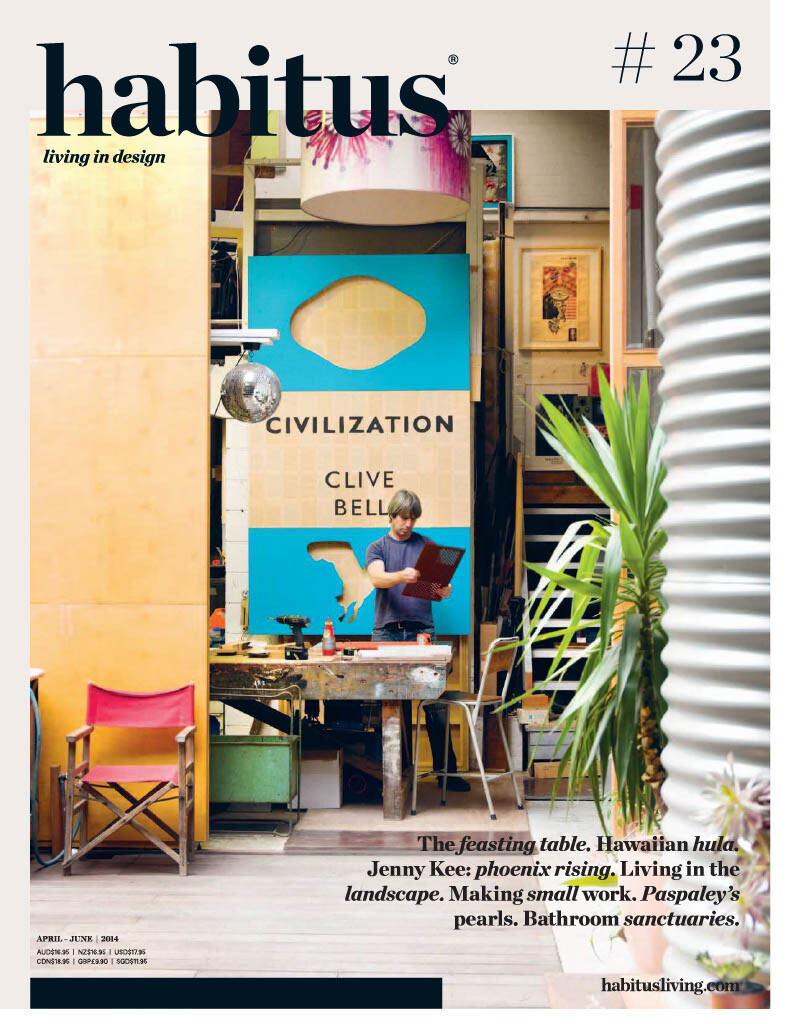
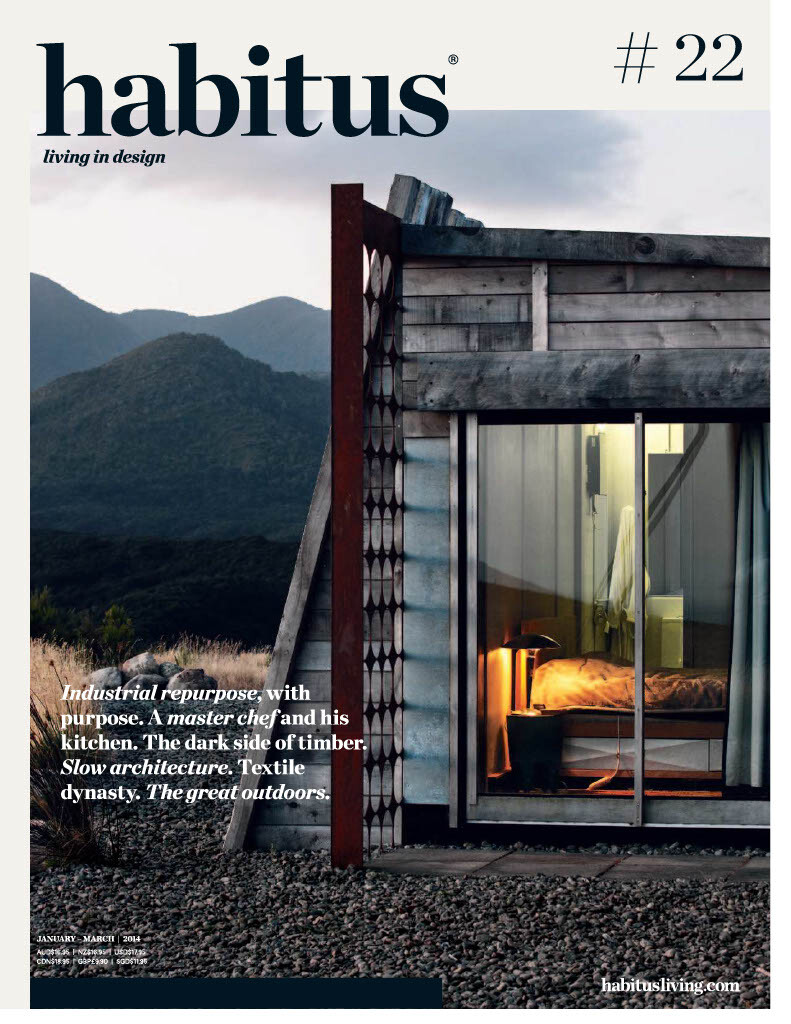
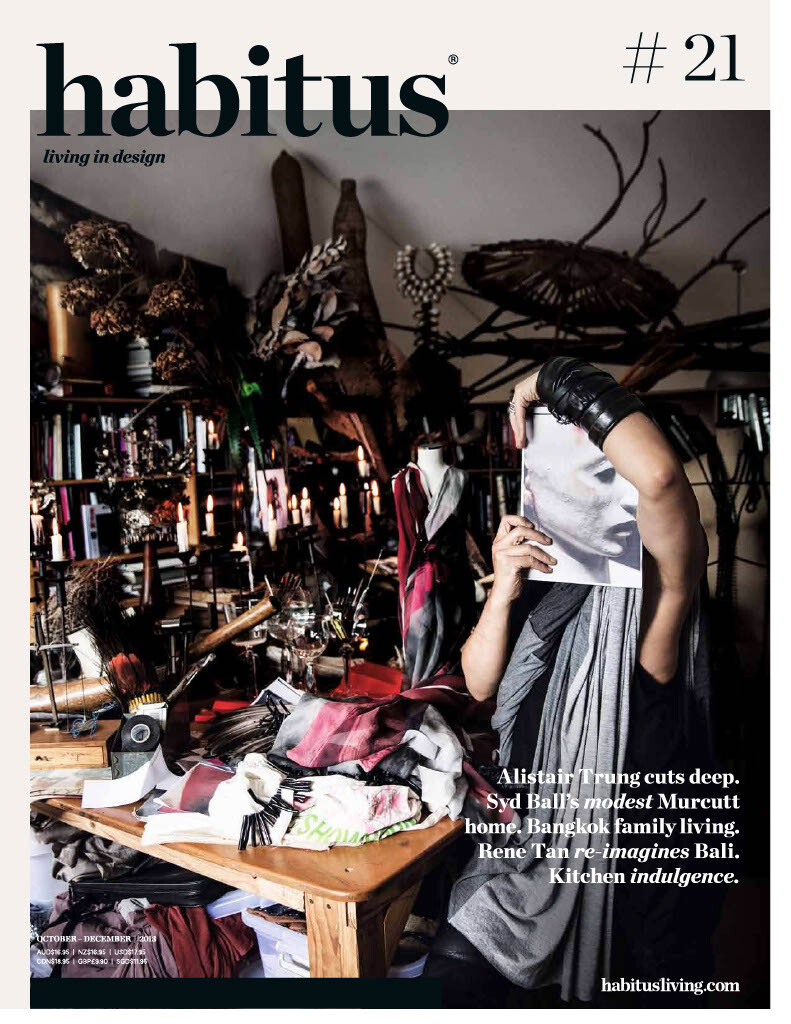
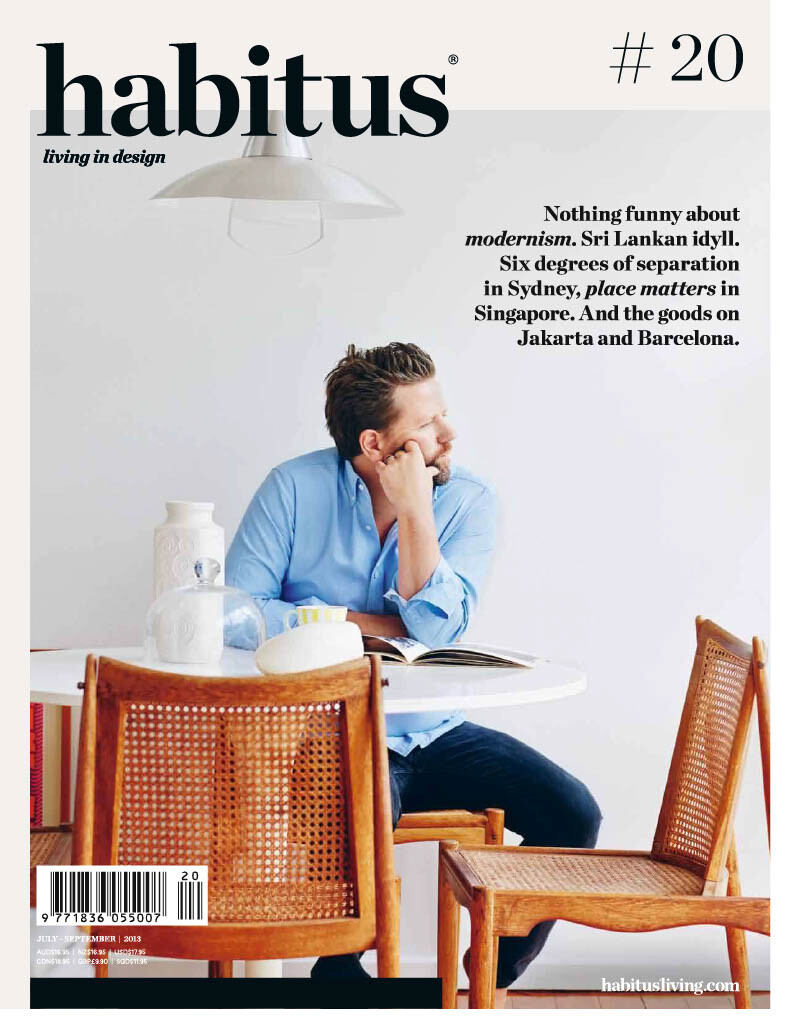
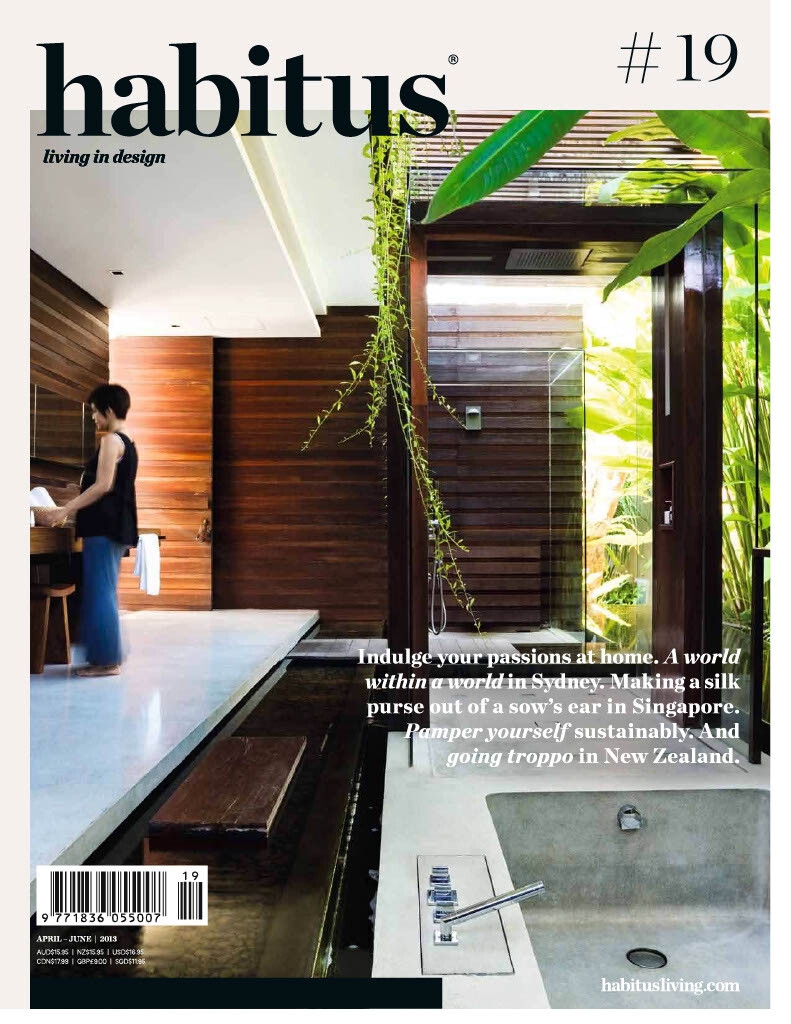
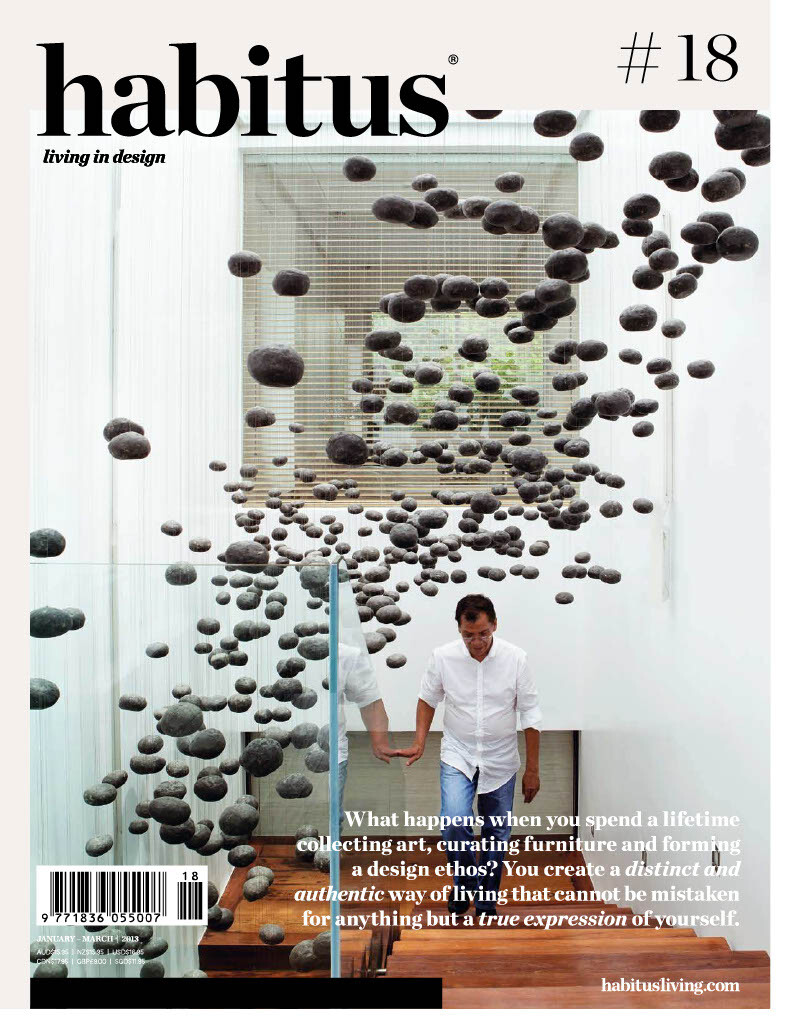
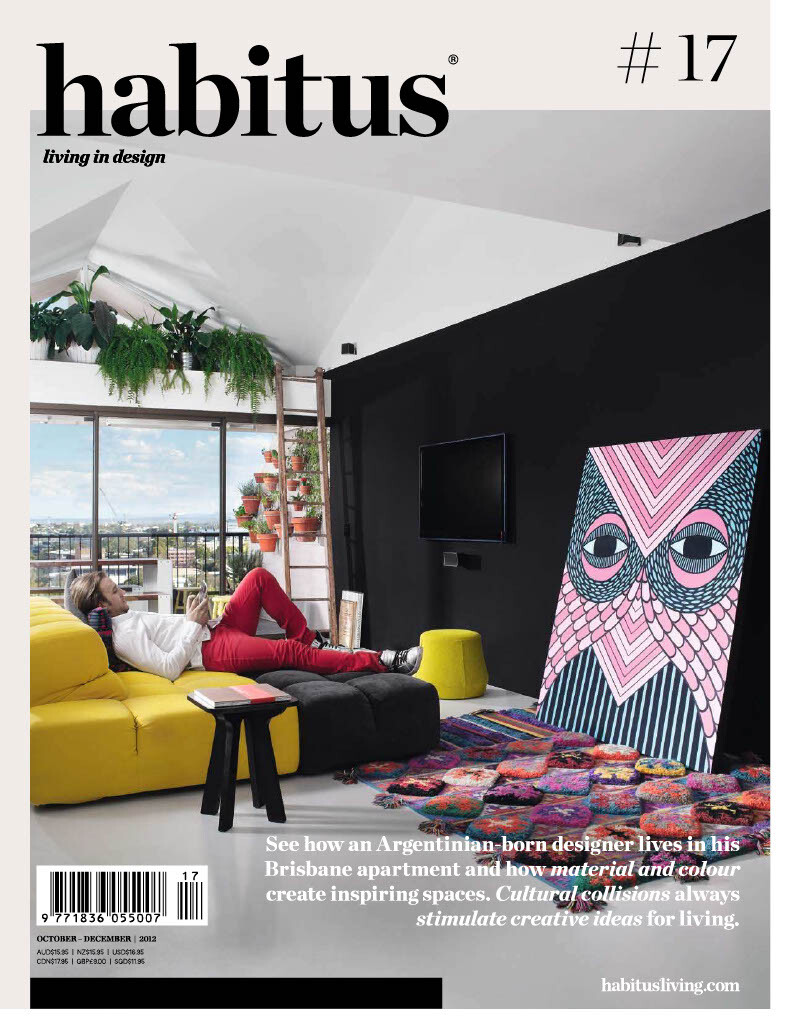
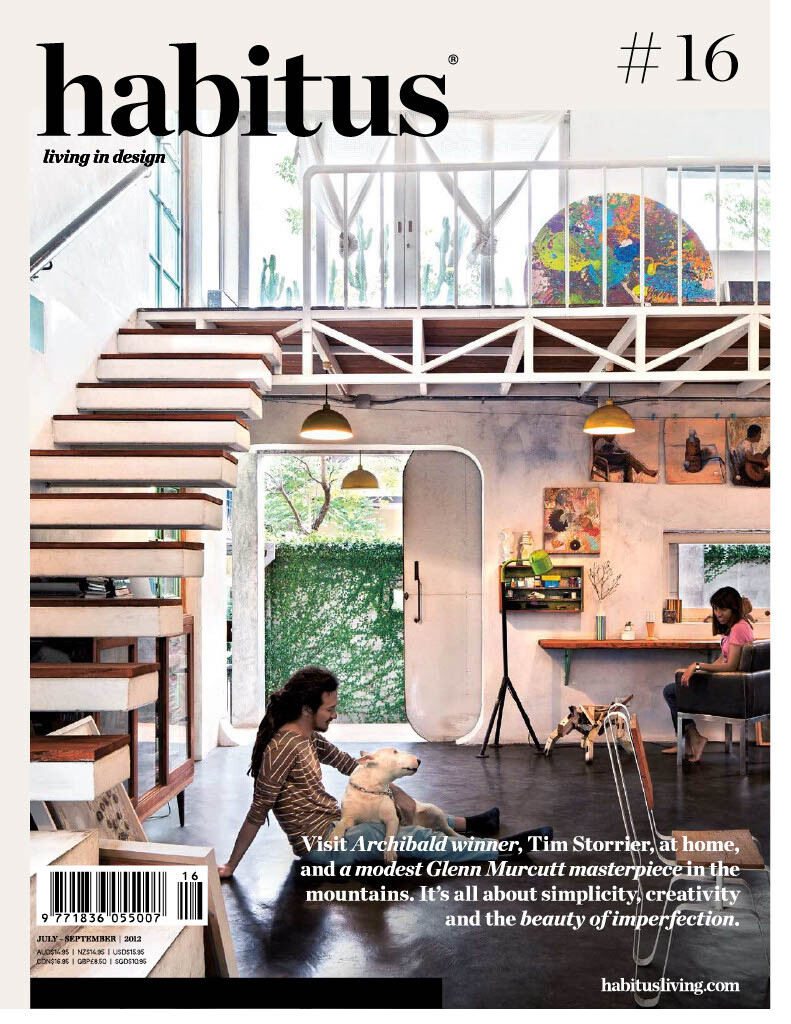
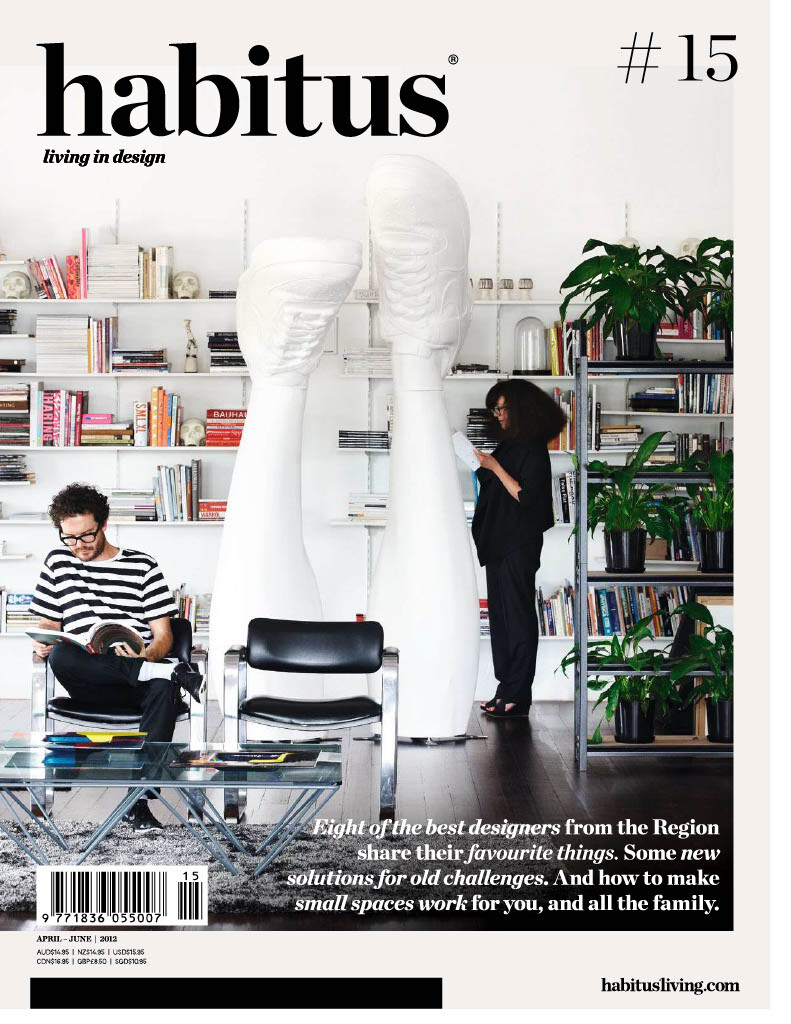
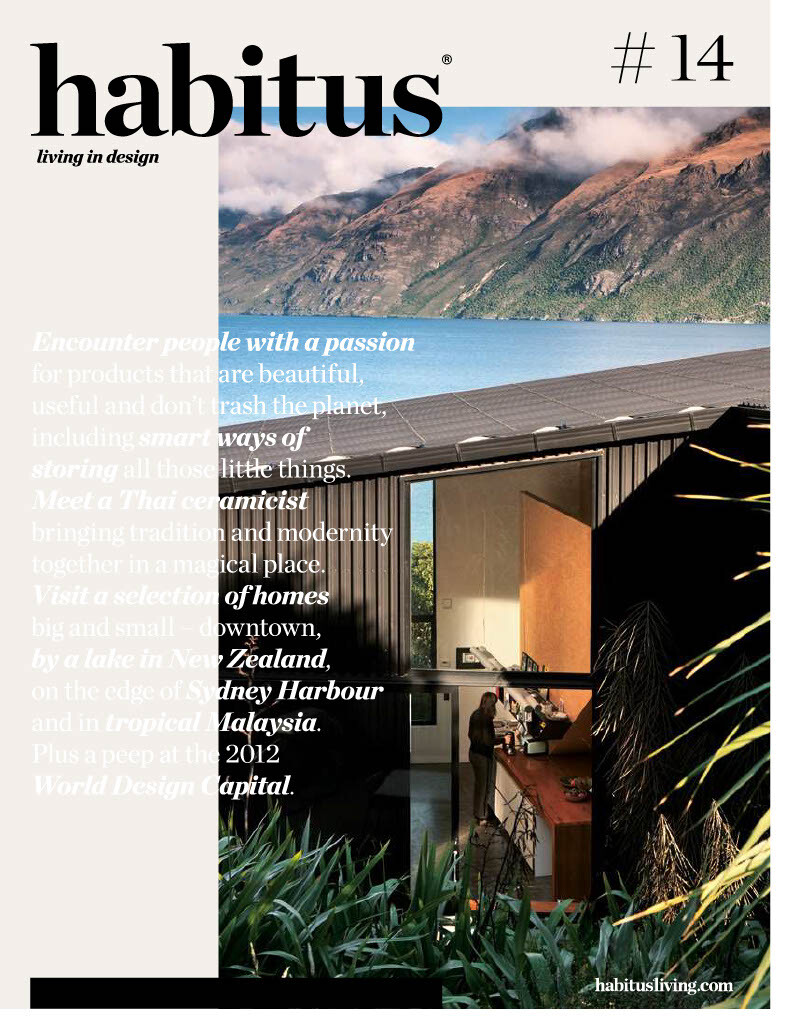
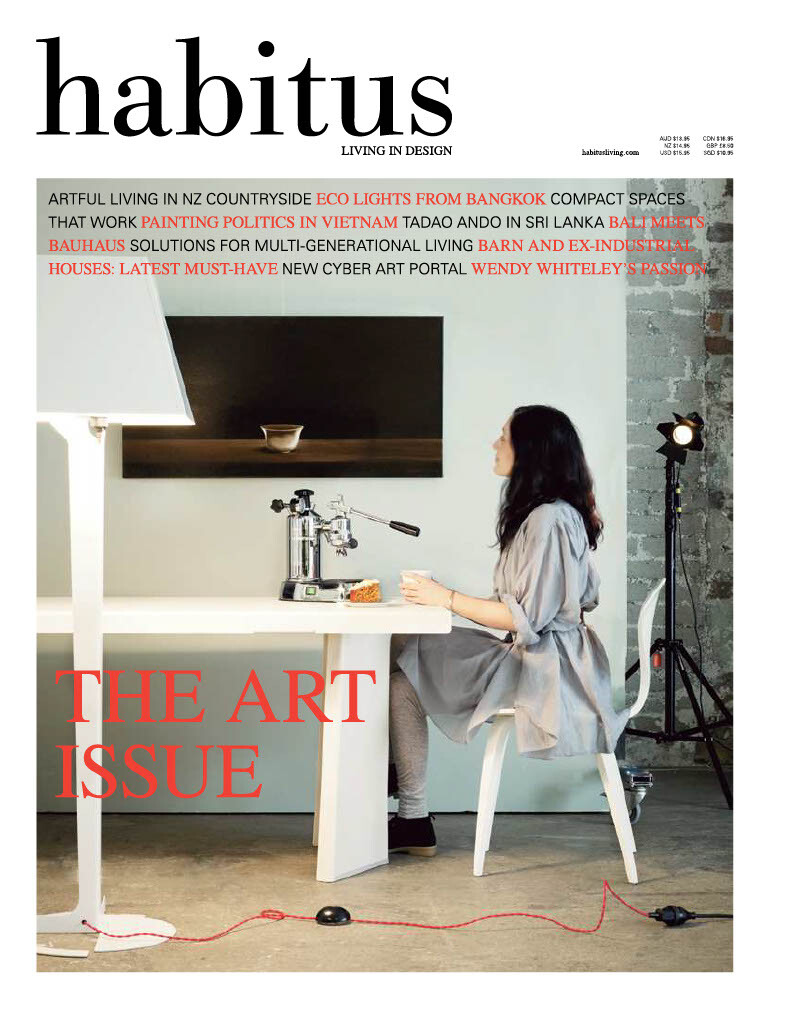
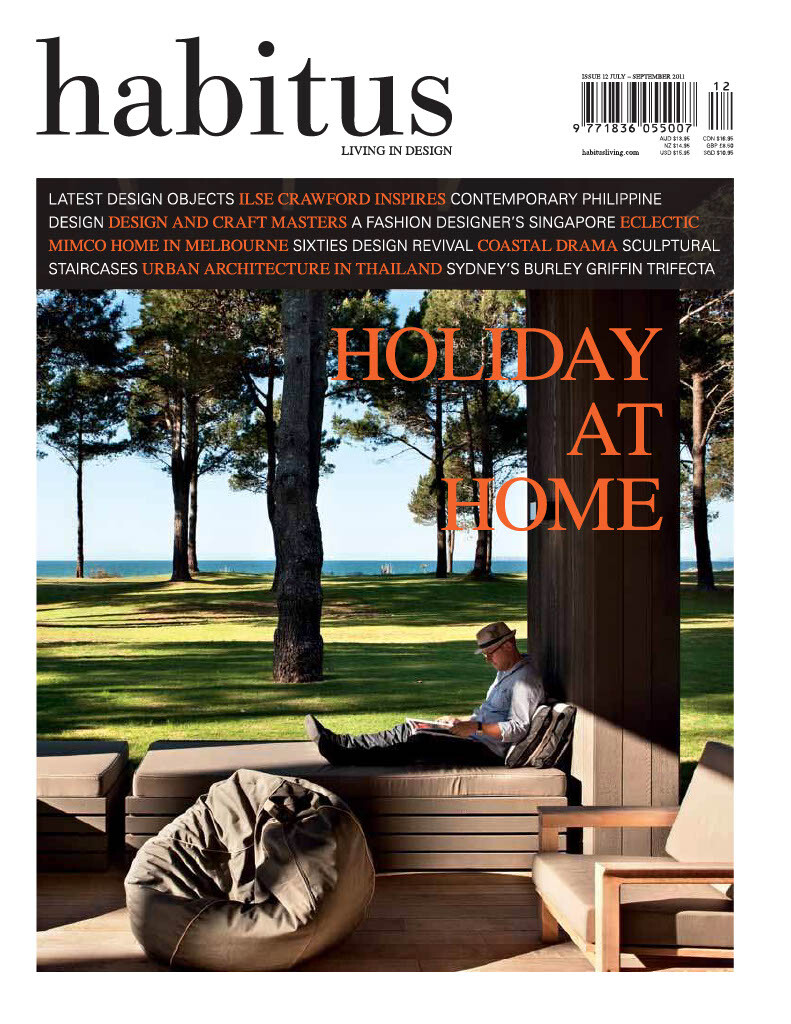
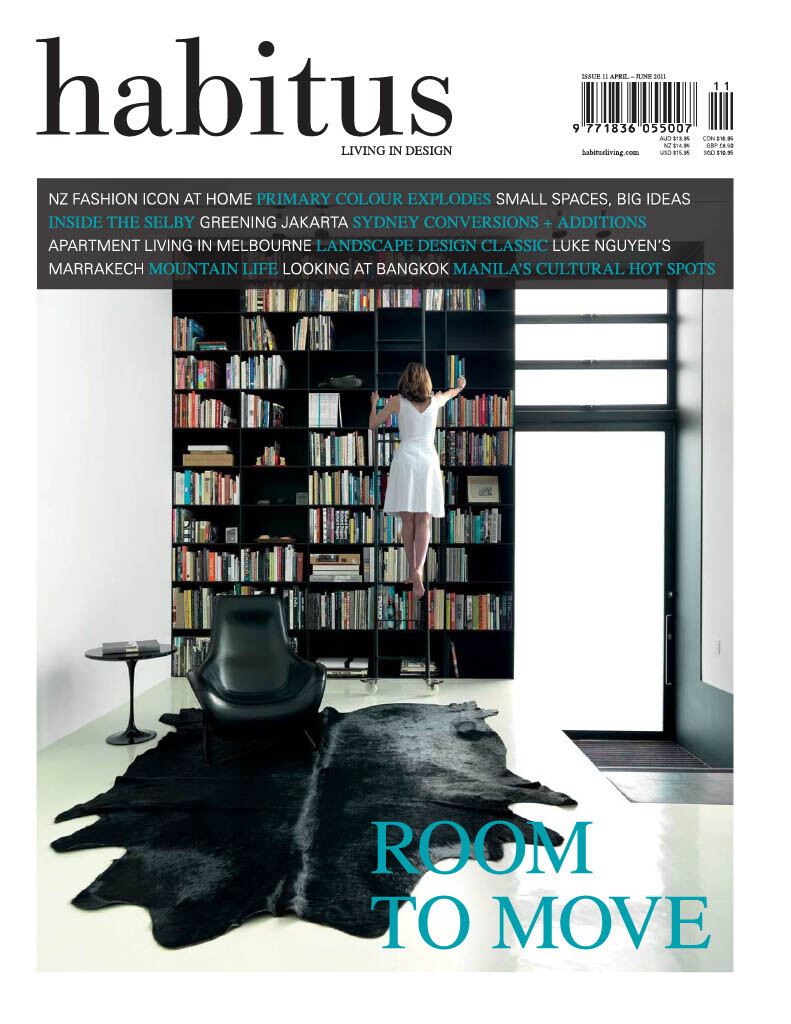
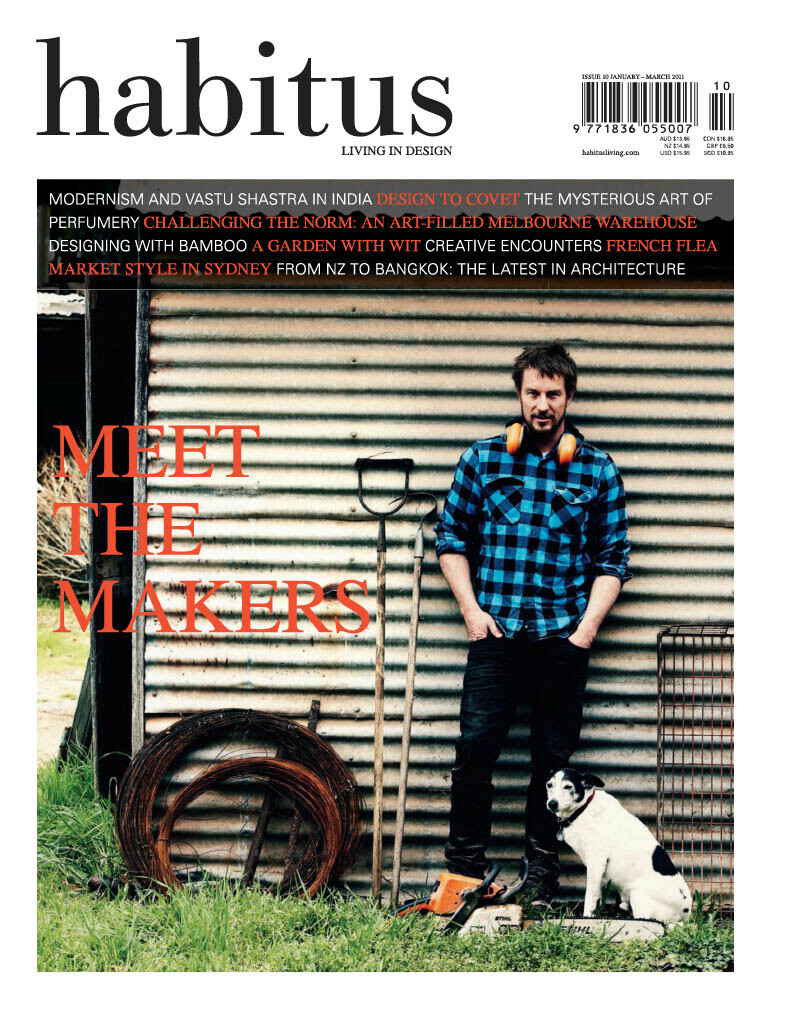
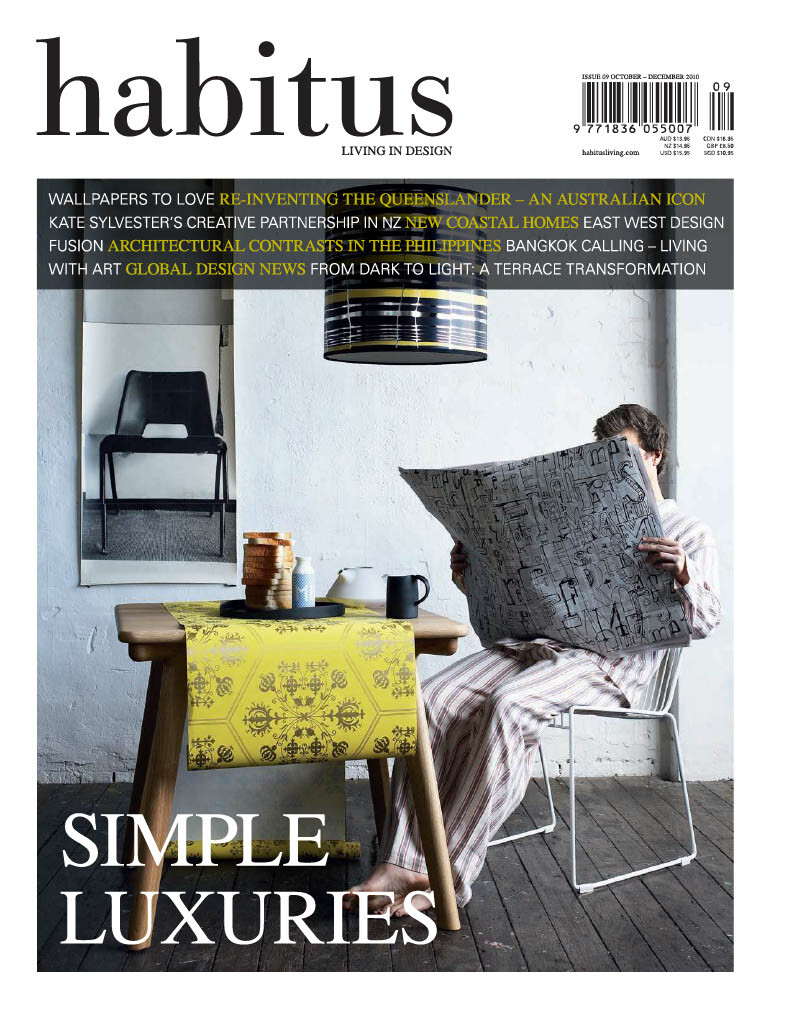
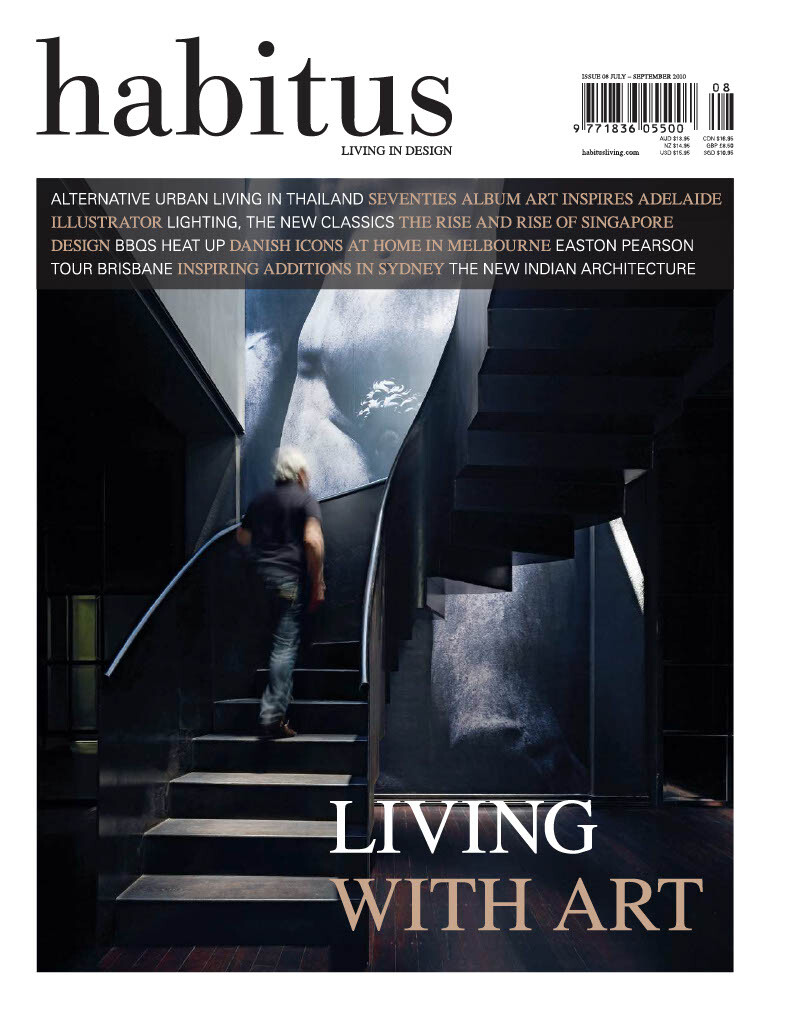
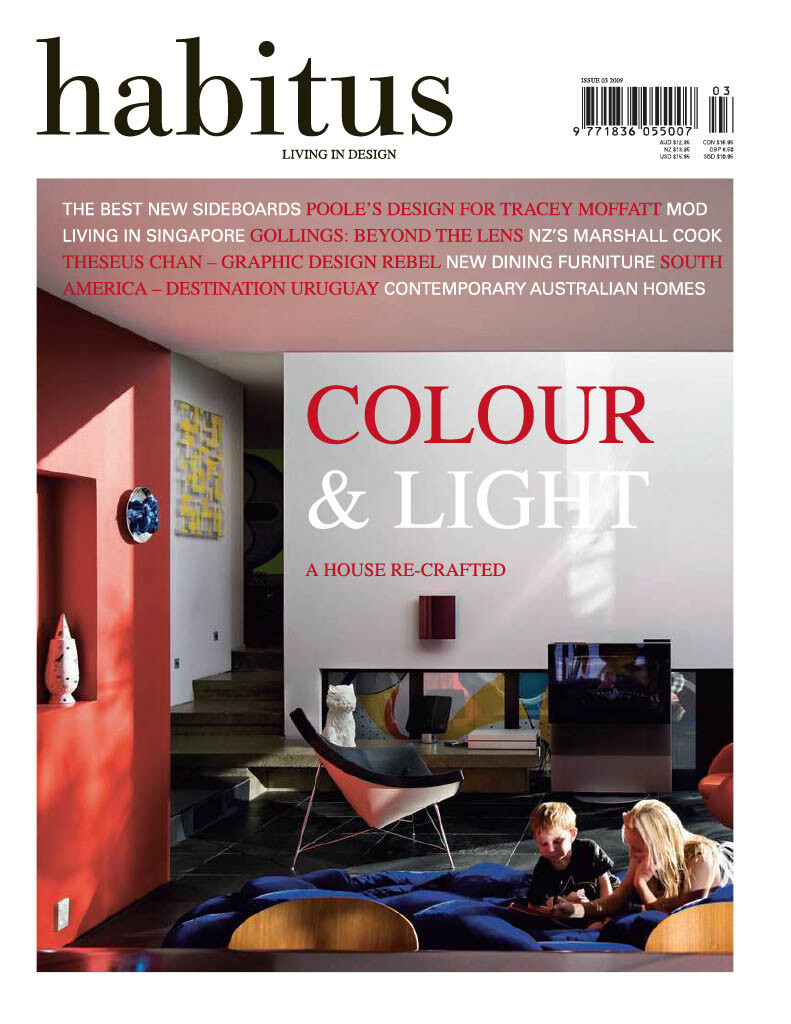
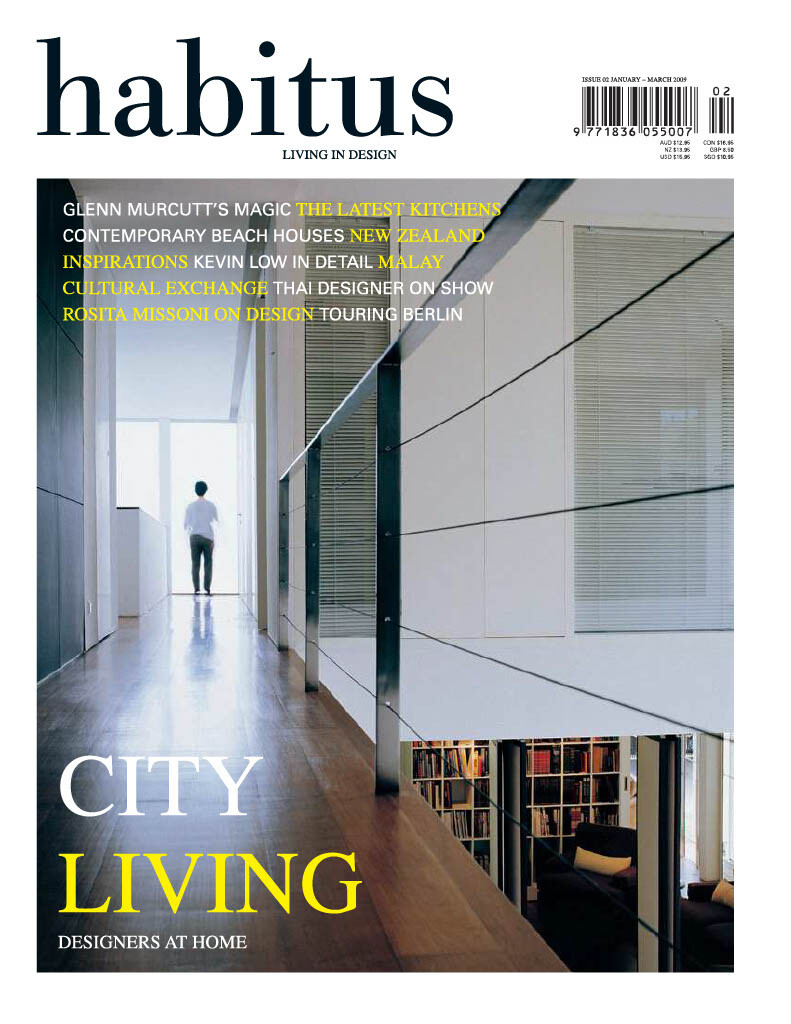
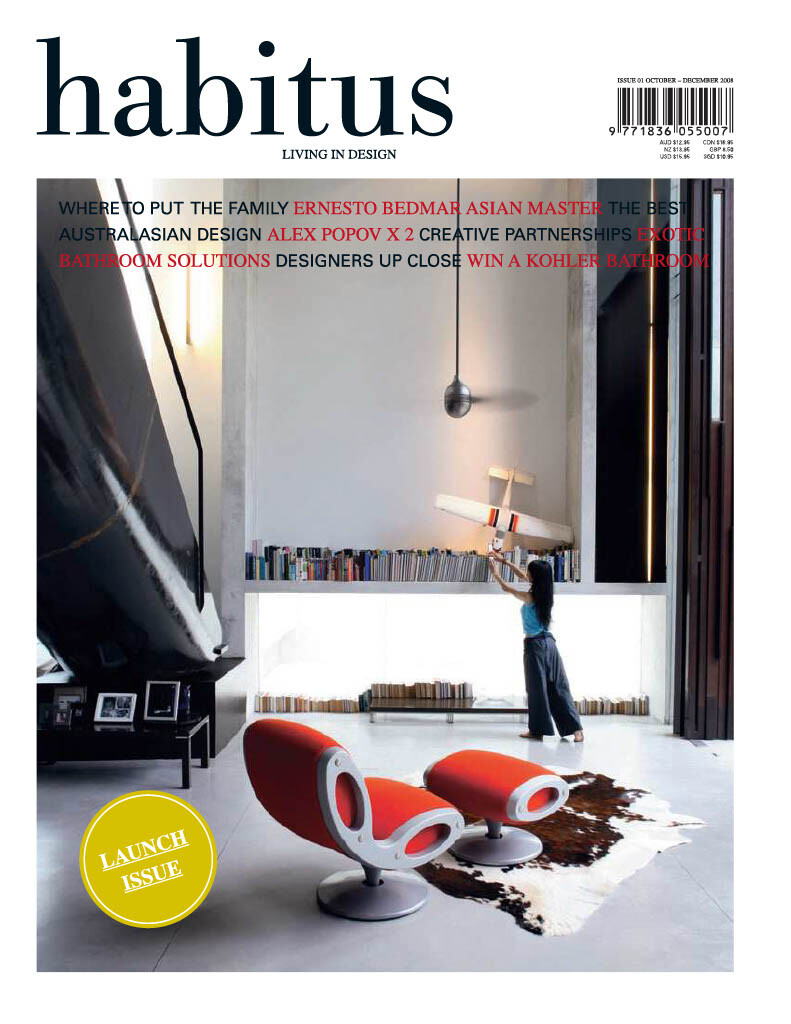
Habitus Magazine is the Asia Pacific authority of choice for Design Hunters® looking for the special in design and architecture and products, providing an exclusive view into the regions most beautiful homes.
Subscribe Now